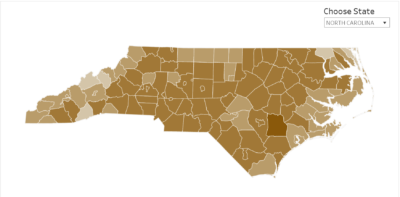
The early college high school (ECHS) model is a postsecondary attainment strategy with a uniquely robust evidence base of research that demonstrates its effectiveness. ECHSs provide policy benefits that include:
- Making progress toward postsecondary attainment goals;
- Narrowing higher education equity gaps; and
- Reducing student loan debt.
Despite the proven track record of success, many states either do not offer ECHS opportunities or have a limited number of programs. However, two states — North Carolina and Texas — have created a framework that has allowed for the widespread implementation of the ECHS model. Although the ECHS model is driven by partnerships between district leaders and presidents of institutions of higher education (IHEs), such agreements will only flourish in states where the right policy incentives and structures are in place. In many states, existing policies on dual enrollment funding, educator licensure, or credit transfer may pose barriers to the adoption of ECHS agreements. This issue brief will serve as a guide for policymakers who are interested in identifying factors that may be preventing their state from adopting, strengthening, or scaling the ECHS model.


Recommended reading