
Perspective | At the crossroads of education and workforce

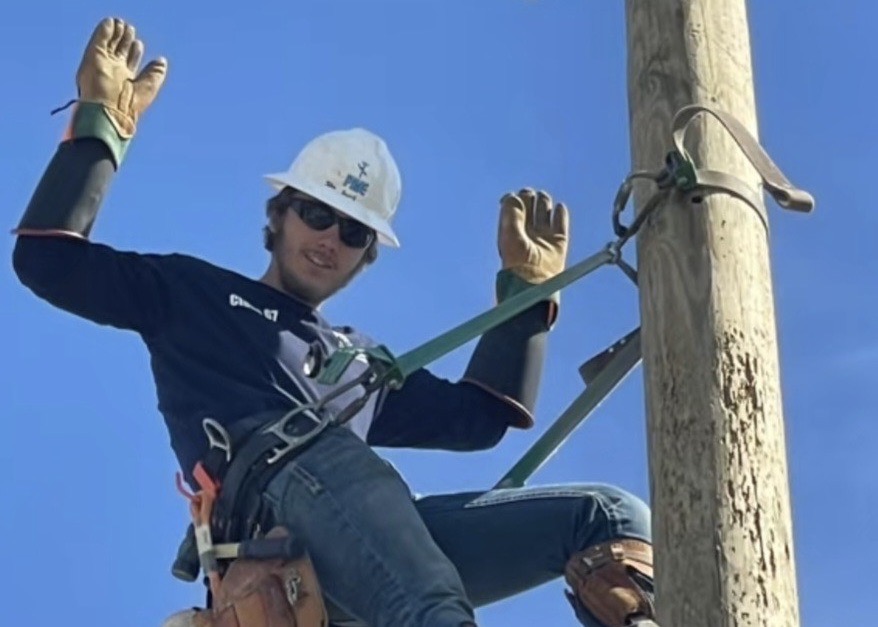
The workforce of tomorrow is sitting in our classrooms today. Yet for many students, the connection between their education and a future career seems hazy. So how do we sharpen the picture and help students zoom in on the opportunities around them?
Perhaps the solution begins with you and me. In the past, it was customary to push every student toward four-year college. But today, only 35% of jobs require a four-year college degree or more. The pathways to a great job have evolved, as have the educational opportunities to develop skills needed for the workforce of today and tomorrow.
While not every great career requires a four-year degree, industry-recognized credentials and skills are crucial. Some employers are focusing on skills-based hiring — seeking candidates that come with durable skills and critical thinking on which they can build industry-recognized skills. North Carolina offers students many opportunities to acquire credentials and certifications while in high school, and through community college programs such as Propel NC. These avenues offer employers a ready workforce and provide students with opportunities to achieve a family-sustaining wage. But to fully capitalize on these opportunities students must be exposed to and experience the educational opportunities and careers available in their communities. Because if you can’t see it, you can’t be it.
North Carolina faces a future defined by skilled worker shortages that could dim growth and economic development across the state as outlined in the recently released myFutureNC update. They defined the gap and need while also shining light on the difficulty employers are facing finding entry-level employees: 72% of employers report struggling to find entry level staff with employability skills. Without a more intentional approach to exposing students to career opportunities and ensuring they have the durable skills needed by employers, North Carolina’s fastest-growing job sectors — including healthcare, information technology, and skilled trades — will suffer.
We are all part of the solution. Providing opportunities throughout the K-12 experience for students to explore their skills and interests, and exposing them to potential careers and the steps to achieve their career goals, ensures that every student arrives at graduation ready to step off the stage and move on with meaning.
Local industries, nonprofits, government agencies, and school districts are creating hands-on learning opportunities now, such as job shadowing, apprenticeships, site visits, and classroom speakers. These opportunities need to become the shared expectation and experience for our students so that we spark possibilities, and students see firsthand what different careers entail and understand the various education and training paths available to them. More importantly, they help students develop essential workplace skills and professional networks before they even graduate from high school.
If we are serious about closing workforce gaps by preparing students for their future, we must put in place the needed supports to connect education to workforce readiness.
- Embedding career exploration and planning as an expectation. Districts, schools, and their partners should prioritize the intentional creation and use of Career Development Plans so students not only learn about potential careers, but also understand how they need to perform academically to achieve their career goals.
- Remove barriers to academic achievement by providing access to integrated student supports and wraparound services that ensure access to meet basic needs and mental health support, while providing tutoring, character development, and durable skills development.
- Strengthening public-private partnerships to ensure that students receive hands-on training, are exposed to local careers, and support building durable skills that employers are looking for, as well as providing evidence-based services to remove barriers for students.
- Expanding access to career readiness programs that provide coaching, skill-building, and post-secondary guidance, especially focusing on high-demand careers.
Investing in these supports is not just about improving education outcomes and breaking the cycle of poverty, it’s about building a skilled, resilient workforce and ensuring that every student has a chance to succeed and join the story of a thriving North Carolina.
You could be an important part of this story. One simple way to play an important role is to join others from across the state in visiting classrooms to share your career journey. Every student deserves to have their career horizon broadened so that they can envision and achieve a successful future.