
Perspective | All in NC: Investing in rural schools is investing in North Carolina’s future workforce

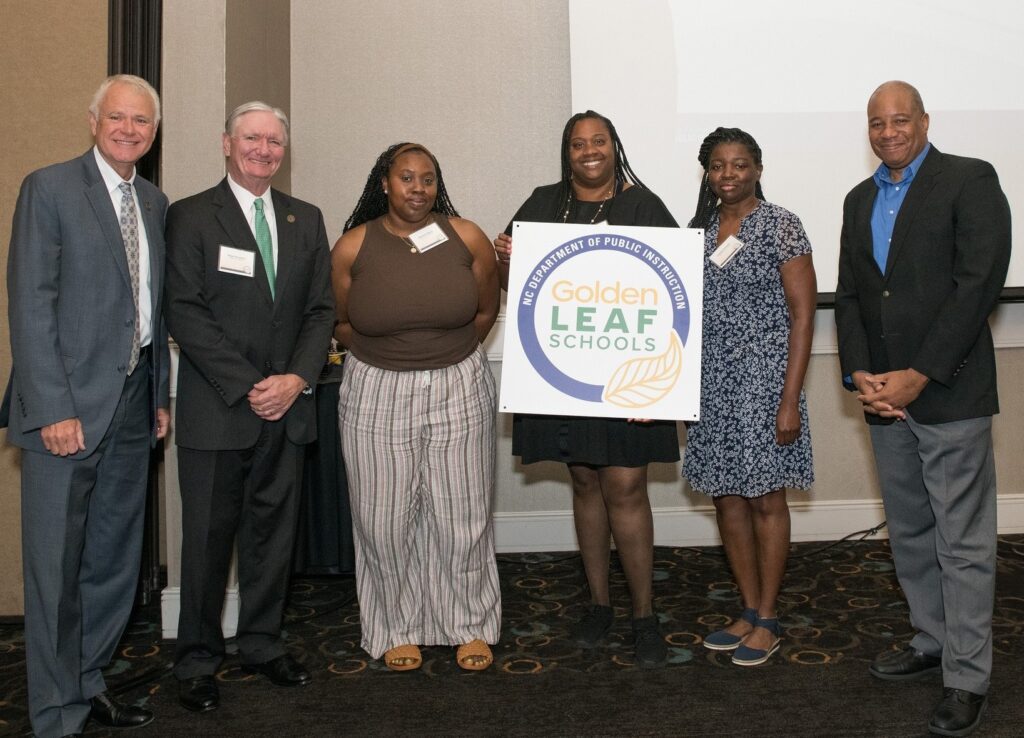
In rural North Carolina, the future workforce is cultivated in classrooms where middle school students are wrestling with math problems and exploring the first ideas of what their careers might one day be.
That’s why the Golden LEAF Foundation launched the Golden LEAF Schools Initiative, a $25 million commitment over five years to strengthen middle school math instruction and career development in 15 North Carolina rural schools.
The idea behind this initiative was sparked two years ago during a Golden LEAF Board retreat. The Golden LEAF Board knew that foundational skills in reading and math that are developed in the early and middle grades are essential to future academic success and long-term economic growth. The mastery of these skills opens doors not just in high school and college, but in the job market, the community, and in life. Stronger academic performance in the middle grades can be the launching pad needed for economic mobility.
 Sign up for the EdDaily to start each weekday with the top education news.
When we strengthen academic outcomes in our rural areas, we strengthen the economic future of the entire state.
Our partnership with the N.C. Department of Public Instruction and Marzano Resources is built on a proven framework for turning the challenges faced in the classroom into opportunities.
In July, school leaders and educators from each of the 15 participating schools gathered for the kickoff training. Over two days, they immersed themselves in research-based strategies, collaborative planning, and hands-on tools designed to immediately improve instruction. They didn’t just sit and listen; they engaged, asked tough questions, built relationships, and began mapping out action plans tailored to their students and schools.
This isn’t a short-term investment in education; it is a proven strategic approach focused on supporting sustainable and lasting results and fostering a positive environment for successful teaching and learning.
Over the next five years, we will measure the results and hold ourselves accountable for outcomes. We will not only look at test scores but also assess the readiness of our students to seize employment opportunities.
Golden LEAF’s mission is to increase economic opportunity in rural, tobacco-dependent, and economically distressed communities. For more than 25 years, we have invested in projects that create jobs, build workforce skills, and strengthen agriculture. This initiative is a natural extension of that mission, working on the very foundation of these priorities.
The 15 schools in this initiative are leading the way. Their work will show us what’s possible when communities, educators, and statewide partners align behind a shared vision for student success.
In five years, we expect to see measurable gains in math performance. Additionally, we expect to see rural students who are confident, prepared, and ready to contribute to North Carolina’s economic future.
This is the work that changes lives, shaping the trajectory of these students’ futures. When their lives change for the better, so will their communities.