
Perspective | A local effort to strengthen the nursing workforce pipeline

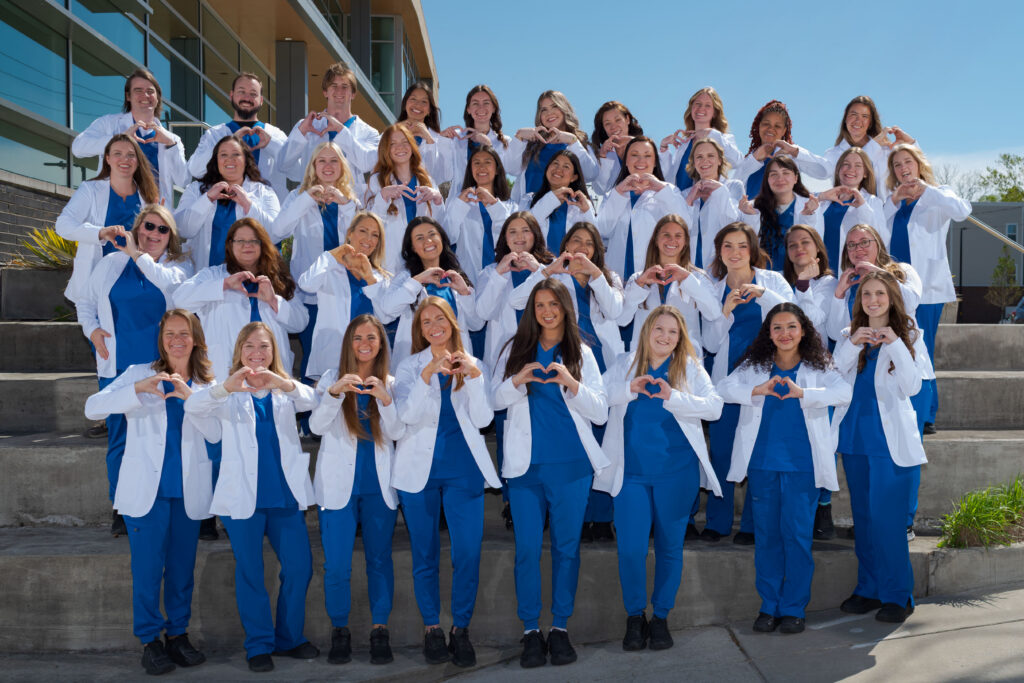
When leaders gathered in the nation’s capital this spring to address one of health care’s most urgent challenges — the future of the nursing workforce — North Carolina’s Blue Ridge Community College had a seat at the table.
Leigh Angel, Blue Ridge’s dean of health sciences, joined a panel convened by the Duke University School of Nursing, Duke Health, and Duke Government Relations. The event, “Strengthening the Nursing Pipeline,” brought together academic and workforce leaders, policymakers, and health care executives from across North Carolina to discuss strategies for rebuilding and sustaining the nursing workforce. While focused on North Carolina, which has one of the nation’s most significant nursing shortages, the discussion carried national relevance.
Angel represented Blue Ridge as a voice for North Carolina’s 58 community colleges, which play a critical role in preparing the next generation of nurses and other essential health care professionals through accessible, high-quality training programs.
“It was an honor to represent Blue Ridge and our 58 community colleges in a conversation of such national importance,” she said. “Nationally, community colleges educate 45% of the nursing workforce pipeline, and meaningful progress will depend on policies and partnerships that expand access, strengthen transfer pathways, and remove barriers for students who are ready to serve their communities.”
Angel added that nearly 60% of entry-level registered nurses are educated at the associate degree level through community colleges.
 Sign up for Awake58, our newsletter on all things community college.
In Washington, D.C., the panelists explored innovative, collaborative approaches to education, clinical partnerships, and workforce development, emphasizing the importance of strong relationships between academic institutions and health care systems.
According to Angel, one of the most meaningful takeaways from the discussion was the shared commitment to building innovative partnerships between education and health care systems.
“If any one of us could address and solve the nursing shortage, we would have already done it,” Angel said during the panel discussion. “But, we can’t. So, we have to work together to address the shortage through partnerships and collaborative efforts.”
Angel highlighted Blue Ridge’s partnerships with UNC Health Pardee, AdventHealth Hendersonville, and Mission Health, which provide students with clinical experiences and pathways to employment after graduation. She also pointed to the success of the recently launched Healthcare Fellows program in Henderson County, which offers financial assistance to Henderson County Public Schools graduates to attend Blue Ridge and pursue careers with local providers.
At Blue Ridge, collaborations with regional clinical partners, local school districts, and employers demonstrate how aligning academic preparation with workforce demands can create clear, affordable pathways from the classroom to professional practice. Angel noted that these kinds of partnerships are essential to building the nursing workforce in rural communities.
Participation in the Duke in DC panel underscored the community college’s strategic position as both a regional educator and contributor to statewide and national workforce solutions.
“Nationwide, community colleges like Blue Ridge play a critical role in supporting and driving the nursing workforce pipeline,” said Dr. Laura B. Leatherwood, president of Blue Ridge Community College. “Positioned at the center of our communities, we bring together education and health care partners to create opportunity and prepare the next generation of health care professionals to serve where they are needed most.”