
Perspective | A growing, diverse student population needs to be reflected in the teaching workforce

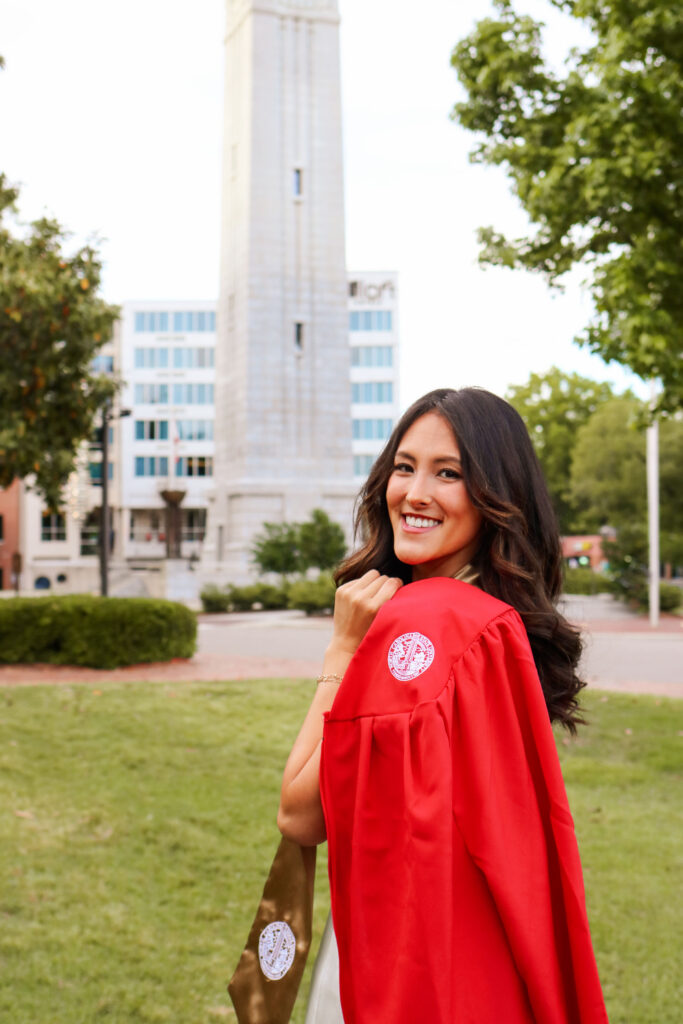
Think back to your kindergarten through 12th grade years. Imagine the playground in elementary school, the cafeteria in middle school, and your favorite class in high school. Now I want you to imagine all of the teachers you’ve had. Every single one. Now I am going to take it one step further. Think about those teachers and think if those teachers shared the same racial or ethnic background as you.
Unfortunately — like me — many students in the United States go through school not seeing their race or ethnicity ever reflected in their teachers.
 Sign up for the EdWeekly, a Friday roundup of the most important education news of the week.
Although this was my experience as a Japanese and Korean American in public school in North Carolina, as I am becoming a teacher, my experience has been different. Having recently graduated with my undergraduate degree in elementary education and finishing my master’s, the job search began.
When looking for a job, I knew I wanted to be at a school that prioritized culturally responsive teaching and saw assets in a culturally and ethnically diverse student population and in the staff population as well.
So there I was. I had my first interview with a school. I had researched the school in terms of their mission and their values, but then, I looked at the staff directory. I was utterly blown away.
As I scrolled through the directory, I was thrilled to see that this school had an extremely diverse and representative teacher workforce in relation to its students’ demographics. I had never experienced looking at a staff directory and seeing the students so clearly reflected in the staff. It was clear to me that this school and its administration took initiative and were extremely intentional in supporting students through a diversified workforce.
Once speaking to the administration team, this idea was only reinforced through their commitment to culturally responsive teaching and the strong belief that each student, culture, and ethnicity brings a beautiful contribution to their whole school community, whether in the students and families or the staff.
I’m lucky to say that I will be teaching at this school in the 2026-27 school year and am fortunate enough to be a teacher who will serve students with both the same and different racial and ethnic backgrounds as myself. That is something I can’t say I had growing up, but many of my future students will.
Read more

The current landscape
The United States student population is rapidly growing in diversity. As of 2022, 44% of public school students in the U.S. identified as white in comparison to 65% in 1995. In 2022, Hispanic students made up 29% of students, Black students made up 15%, and Asian students and students of two or more races made up 5% of U.S. public school students. This demonstrates the racial and ethnic diversity of our schools, where races other than white are now the majority in public schools.
In comparison, in 2021, 80% of public school teachers were white, 9% Hispanic, 6% Black, and 2% or less teachers were Asian and two or more races. These statistics demonstrate the disproportionality between our student population and the teacher workforce. This means many students go through their public school without seeing their race or ethnicity reflected in their teachers.
Besides minority students not seeing their race or culture reflected in positions of leadership and education, like teachers and administrators, this disproportionality may also be impacting student achievement academically and socioemotionally.
A 2018 study found that “students assigned to a teacher with similar demographic characteristics experience positive benefits in terms of these academic perceptions and attitudes.”
Another study found that Black students taught by Black teachers for at least one year in preschool to grade three scored 2 to 5 percentile points higher in math and 3 to 6 percentile points higher in reading than when taught by a white teacher.
Additionally, students taught by same-race teachers have been found to have decreased suspensions and increased chances of high school graduation and college enrollment. This data supports the fact that having a more diverse teaching workforce will help to support our changing student population.
As our population grows and becomes more racially and ethnically diverse, there is a need for the same in the teaching profession. Teachers of the same cultural or ethnic backgrounds may be more naturally equipped to provide more culturally responsive lessons and resources and be less likely to hold some unconscious biases or stereotypes.
We know students should see themselves in school resources such as literature and images, but this research shows that students being reflected in their teachers might help support minority students in and out of school.
Small steps equal big changes
I have seen firsthand what it looks like when school administration prioritizes teachers who represent their students’ cultures and ethnicities. It has been refreshing to have this experience after not having the opportunity as a student myself. Knowing what we do about the benefits of a diversified teacher workforce, it only makes sense that we work to reflect student demographics in teacher populations as well.
I hope that as our student population continues to diversify, that public schools become more rich with various cultures and ethnicities, and that the teacher population starts to reflect this as well.
Change starts small — with one teacher applying at one school or one principal prioritizing cultural diversity in their staff that leads to increased community and achievement. This may spread beyond into other schools, the district, or even the state.
Regardless, it is important that we work toward a diversified teacher workforce to better culturally support our students.