As we reflect on 100 years of Black History Month, the question before us is not simply what we remember, but what we choose to build together. Black history has never been a passive record of events — it has been an active blueprint for survival, resistance, and transformation. At every turning point, progress has required organized people, shared purpose, and the courage to imagine beyond the moment we are in.
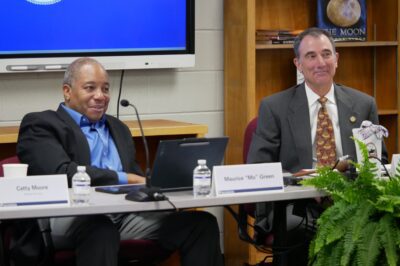
This truth was at the heart of Mapping the Movement, a convening intentionally designed not as a celebration alone, but as a space to strategize, organize, and plan collectively. The intent was clear: to bring people together across roles and generations to align our thinking, sharpen our analysis, and commit to coordinated action. In a time when fragmentation is often mistaken for innovation, Mapping the Movement reaffirmed a lesson Black history has taught us repeatedly — that lasting change does not happen in isolation.
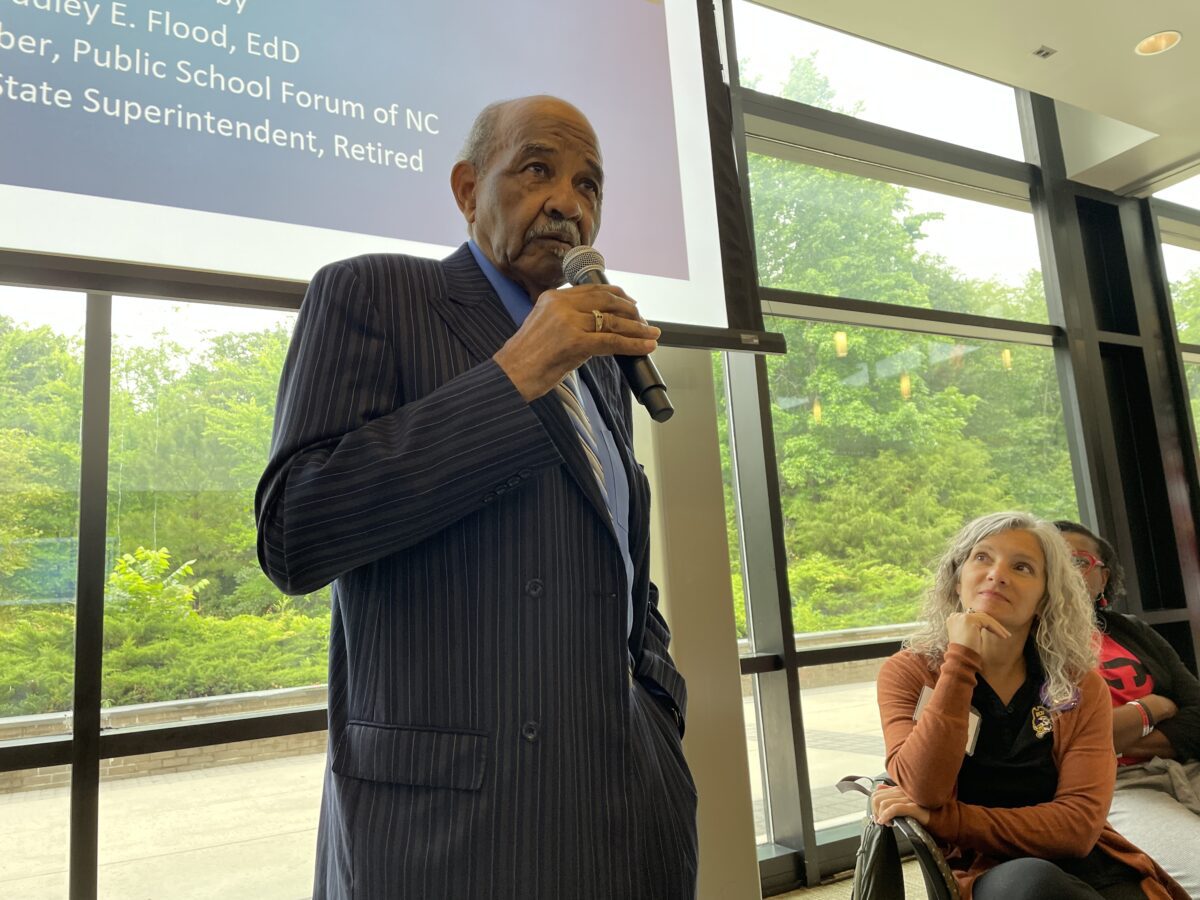
That lesson was powerfully reinforced by the keynote address delivered by Dr. Dudley Flood. Drawing from more than seven decades of experience in education and public service, Dr. Flood challenged the room to confront how responsibility for education and for justice has been unevenly distributed. He reminded us that “until the lion has its own storyteller, the victory will always go to the hunter,” underscoring the danger of allowing others to define our struggles, our schools, and our possibilities.
When narratives are shaped externally, responsibility is misplaced and solutions are shallow. When communities reclaim their stories, responsibility is redistributed, and vision becomes collective.
 Sign up for the EdWeekly, a Friday roundup of the most important education news of the week.
Black history shows us that individual brilliance has never been enough. Freedom movements, desegregation efforts, community schools, and voting rights campaigns were not powered by lone voices, but by organized people who shared language, strategy, and commitment. The work was often slow, contested, and costly, but it was deliberate. Progress moved because people moved together.
That is why the words of the late Jesse Jackson still ring with urgency today: “An organized minority is a political majority.” This is not simply a slogan; it is a strategy. History confirms it. When people are aligned around a common vision, when they coordinate their efforts rather than compete for space, they reshape outcomes that once seemed immovable.
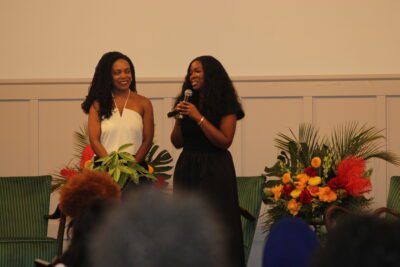
Mapping the Movement opened with a powerful reminder of this truth from voices often overlooked. Two high school students began the day by sharing poems that spoke honestly about fear, hope, and possibility. Their words did more than inspire; they grounded the room. They reminded us why this work matters and who it is ultimately for. In their courage, many in the room found renewed courage of their own. Their presence affirmed what Dr. Flood has long taught, that “young people are not what we think they are, or even what they think they are; they tend to become what they believe we think they can be.”
Education, in Dr. Flood’s framing, is a public good, an act of collective care. It was never meant to be reduced to test scores, sound bites, or political rhetoric. For Black communities, education has always been about access, dignity, and the right to imagine a future beyond imposed limits. Yet today, educators and students are navigating systems that often misunderstand their labor and undervalue their expertise. The response cannot be retreat or individual survival. It must be an organized, collective vision.
One hundred years into this story, Black history calls us to move beyond symbolic recognition toward structural alignment. Remembering without organizing leaves us stuck. Equity language without coordinated action leaves systems unchanged. What history demands now is shared strategy, spaces where people can tell the truth about what is happening, learn from what has worked, and commit to collective responsibility.
Dr. Flood often reminds us that the greatest distinction between people is not ability, but opportunity. Opportunity does not appear on its own. It is created by people willing to open doors, pass on knowledge, and refuse to let wisdom disappear with one generation. Black history is filled with examples of what happens when communities do this well and warnings about what is lost when they do not.
This moment requires more than remembrance. It requires resolve. It asks us to organize our stories into strategy, our values into action, and our history into a shared vision for what comes next. Black history is not finished speaking to us. It is asking whether we will listen and whether we will move together.
Recommended reading