
Our one size fits all school calendar does not work

Education in North Carolina has been beset by many well-documented issues for several years. Budget woes, teacher shortages, and increased testing and accountability have all wreaked havoc on the public schools. Ironically, one of the most difficult challenges is self-induced; namely the school calendar law. Simply put, the present calendar law does not make sense for education. As a high school principal, I have witnessed the problems caused by the law first hand since its passing in 2004.
The first reason why the present calendar doesn’t work for education is that it is a “one size fits all” proposition.
With a state as geographically diverse as ours — mountains, piedmont, and coastal — having one inflexible calendar is just not workable.
As we have seen over the last two years, severe weather can be an issue from “Manteo from Murphy” but often the weather does not affect the entire state at the same time. Tropical storms on the coast, ice storms in the Piedmont, and snow in the mountains can all cause school stoppages, but they come at different times of year and vary greatly from year to year. Being locked into an inflexible calendar creates problems with school closures and making up missed days in all parts of the state. Allowing more local flexibility would alleviate these disruptive interruptions.
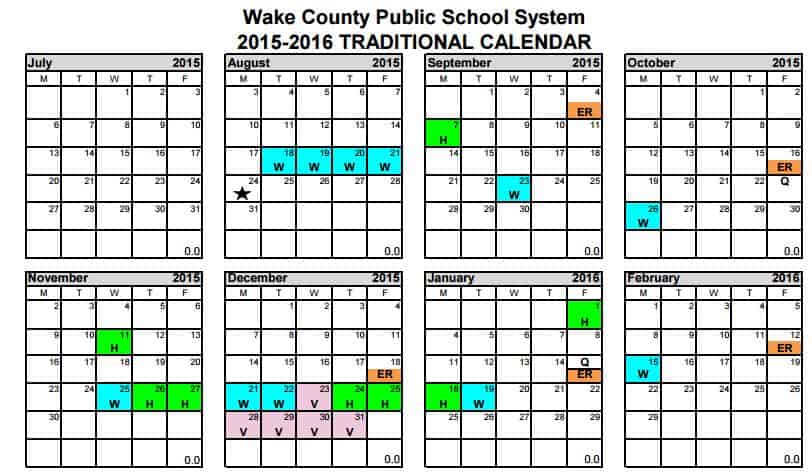
Another drawback of the present school calendar is the way that the school year has been compressed. Over the years, the number of teacher work days has been reduced and number of required instructional days has increased. Teaching has become more complex with the rise of accountability and the increased use of technology. Despite the need for training and instructional planning, we now have fewer days than ever before. Another result of the compression of the school year is the lack of a “break” after the first and third nine week term and the unnatural timing of the end of the first semester. In many states and countries, at the conclusion of the first and third marking period, there is a break lasting from a couple of days to a week. This break allows students a chance to rest and recuperate and for teachers to complete grades and prepare for the next term.
The timing of the semester break, with accompanying exams, is even more vexing.
With our present calendar, the end of the semester and exams fall around the third week of January. This schedule causes students to go through Christmas break, return to school for two weeks, and then take exams. For teachers and administrators, that means that first semester grades must be calculated and delivered, second semester classes must be adjusted (based on first semester grades), and second semester classes begin within a few days. Finishing first semester at Christmas holiday would make much more sense for students and teachers.
The third, and most important, reason for reworking the school calendar relates directly to high school students. In this day and time, more high school students are using dual enrollment in college or community college classes or virtual/online classes to supplement their regular educational programs. Most of all of these educational programs follow the traditional post-graduate calendar which finishes first semester at Christmas break. The discontinuity of the calendars causes a multitude of problems including exams, credits, early graduation, and students beginning college second semester.
Having the school calendar run concurrently with the post-secondary one would minimize the present issues and allow students to maximize the opportunities that are available.
The present school calendar law creates many educational issues that unnecessarily and negatively impact North Carolina’s students and teachers. A calendar law that provided more flexibility would greatly reduce problems and allow for a more efficient, logical school year.