Are shrimp more important than public school education?
Data from the 2024 Commercial Fish Dealer Report, produced by the North Carolina Division of Marine Fisheries, identifies shrimp as the second highest “species landed” by both weight (7.7 million pounds) and value ($14.8 million). In June 2025, hundreds of protesters rallied against a bill thought to threaten that very industry.
House Bill 442, which was originally supported for the effort to expand the commercial and recreational fishing season for flounder and red snapper, eventually garnered criticism after an amendment proposed limitations on the use of trawl nets for shrimping.
 Sign up for the EdDaily to start each weekday with the top education news.
Perceived as a ban that could adversely impact the livelihood of fishermen along the coast, protesters flooded Raleigh in opposition of what was dubbed as “Shrimpgate.” Ultimately, the bill subsided to the swift and overwhelming wave of collective resistance.
Notably, the North Carolina Coastal Counties Fisheries Coalition was formed. Coordinated by Carteret, Dare, and other participating coastal counties, the website states that the coalition “represents a new partnership focused on supporting the long-term sustainability of North Carolina’s fishing heritage and coastal economies.”
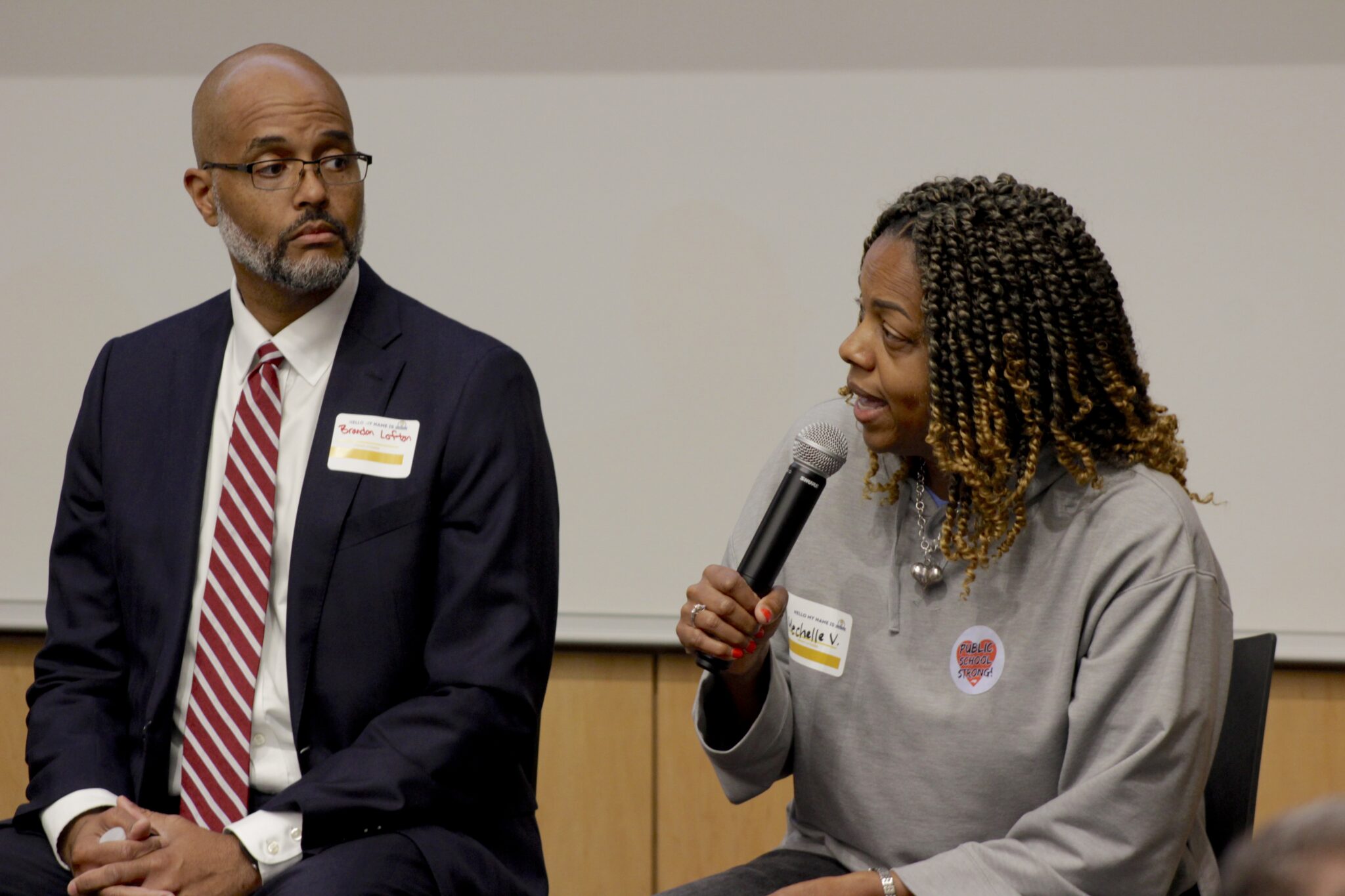
Rep. Brandon Lofton, D-Mecklenburg, a panelist at the We Are Public Schools summit held in early October, referenced this moment in a discussion related to advocacy for public school education.
“They (protesters) circled the block in semitrucks, blasting their horns. Lawmakers were so scared, they just dropped the bill right there,” he recounted. “They did not want to face those shrimpers.”
Lofton highlighted the situation as an example of solidarity, advising public school supporters and stakeholders to “pile up in vans,” bringing as many people to the General Assembly and putting pressure on the legislature.
“If people can get worked up like that over some shrimp, we can do better by our kids,” he said.
A vision of ‘and’ not ‘or’ for NC’s future graduates
Hosted on Oct. 11 in Charlotte, the We Are Public Schools summit was presented by the North Carolina Association of Educators (NCAE), Education Justice Alliance (EJA), the Center for Racial Equity in Education (CREED), and the North Carolina Black Alliance.
The partnership brought together educators, parents, and students for a day of programming, networking, and discussions centered around building power for public schools at the opening of the event.
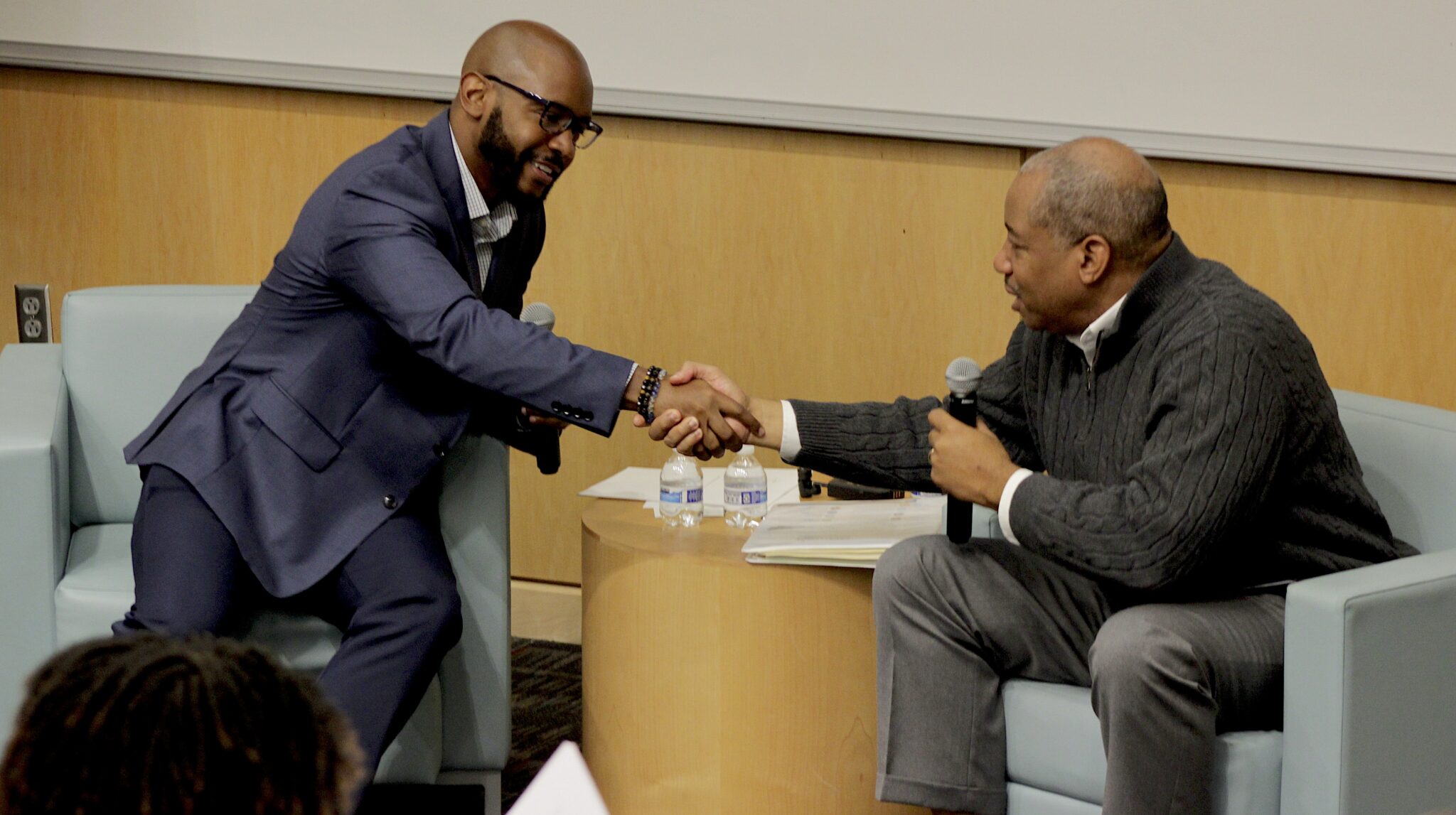
Attendees heard from Superintendent Maurice “Mo” Green. In his talk with WCNC Charlotte anchor and reporter Nick Sturdivant, Green spoke about the new strategic plan as “North Carolina’s plan,” emphasizing the collective responsibility of making the state’s public schools “the best in the nation” by 2030.
Green elaborated on the contents of the “Achieving Educational Excellence” plan, and spoke about the following “8 Pillars of Excellence” outlined in the plan:
- Pillar 1: Prepare Each Student for Their Next Phase in Life
- Pillar 2: Revere Public School Educators
- Pillar 3: Enhance Parent, Caregiver and Community Support
- Pillar 4: Ensure Healthy, Safe and Secure Learning Environments
- Pillar 5: Optimize Operational Excellence
- Pillar 6: Lead Transformative Change
- Pillar 7: Celebrate the Excellence in Public Education
- Pillar 8: Galvanize Champions to Fully Invest in and Support Public Education
According to Green, there are 110 actions dispersed across the eight pillars that will be launched over the next four and a half years.
“All of us have a part to play,” Green said, noting that teams of educators, community members, and students will be a part of the implementation of those 110 actions in the moving forward.
Green acknowledged that North Carolina experienced its highest four year cohort graduation rate in the history of the state. He continued by sharing the following aspiration of “and,” not “or” for future graduates:
- Graduates having taken and passed college level course AND
- taken and passed a career and technical education course AND
- have a great character, demonstrated through service to their community.
Read the full Achieving Educational Excellence strategic plan. To watch Green’s interview with Sturdivant, click here.
Upgrading advocacy like a phone
Throughout the afternoon, the summit featured over 10 breakout sessions that included topics such as embracing neurodiversity, policy and school finance, building student leadership, and more. Many of the sessions focused on equipping educators, parents, and students with being involved in systems that impact the state of public education.
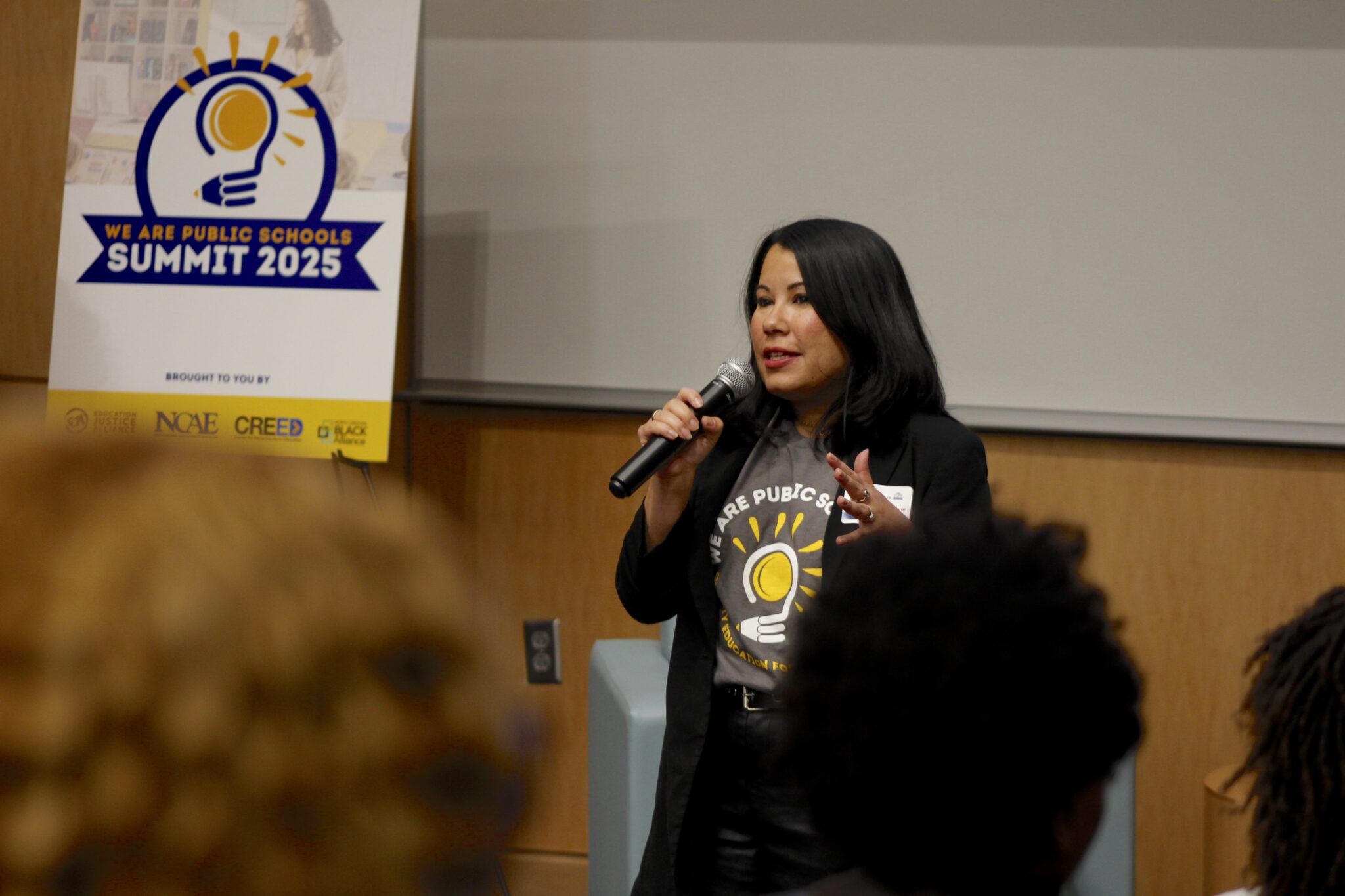
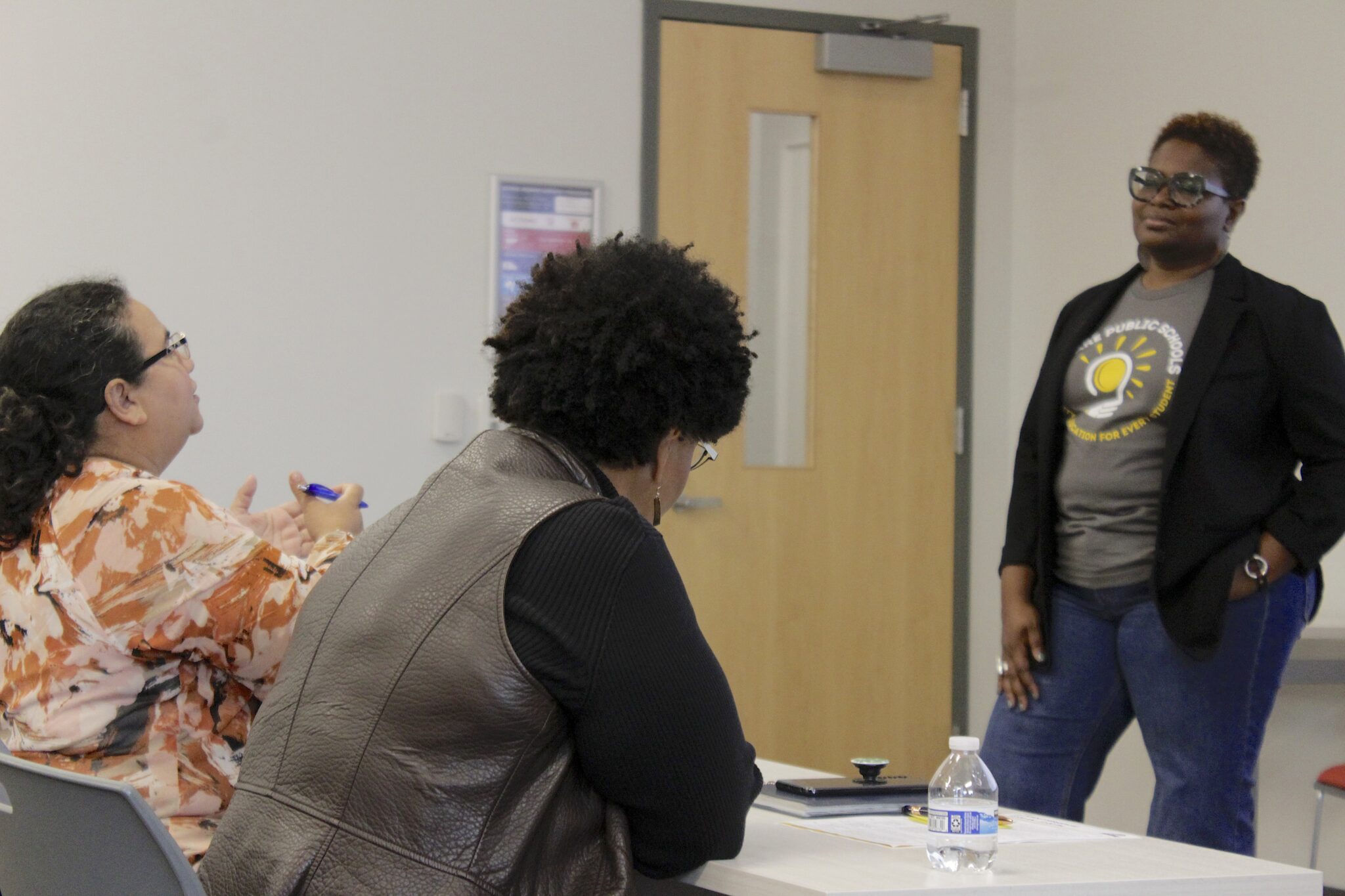
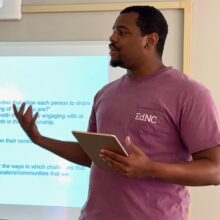
For instance, EJA co-executive directors, Letha Muhammed and Jenice Ramirez, offered a workshop titled “Building Parent Power to Transform Policies, Practices and Culture in our Public Education System.”
In the 1-hour session, they invited participants to identify issues and their root causes related to these six categories:
- Discipline and safety.
- School, climate, and culture.
- Funding and resources.
- Curriculum and representation.
- Mental health support and family.
- Voice and communication.
The conversation that followed focused on developing actions participants could take around particular problems. EJA leaders stated that their session was intended to serve as a model for participants to build parent power and advocacy, encouraging them to facilitate the discussion in their respective communities, families, and school systems.
Several other means of advocacy were all shared on the aforementioned panel that featured Rep. Lofton, including veteran educator Mechelle Vaughn, Dr. Jerry Wilson of CREED, and Union County parent advocate Jen Sanders.
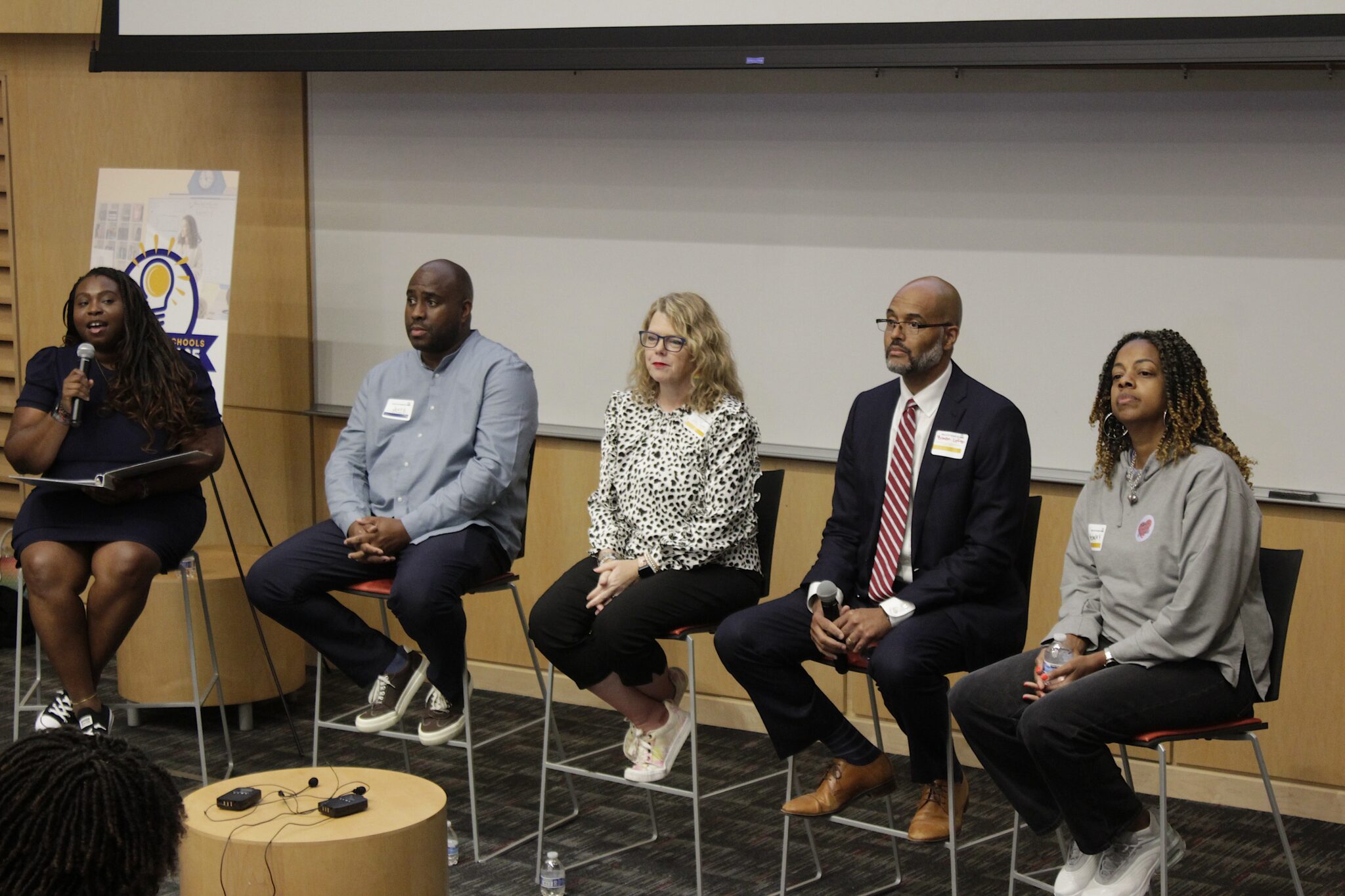
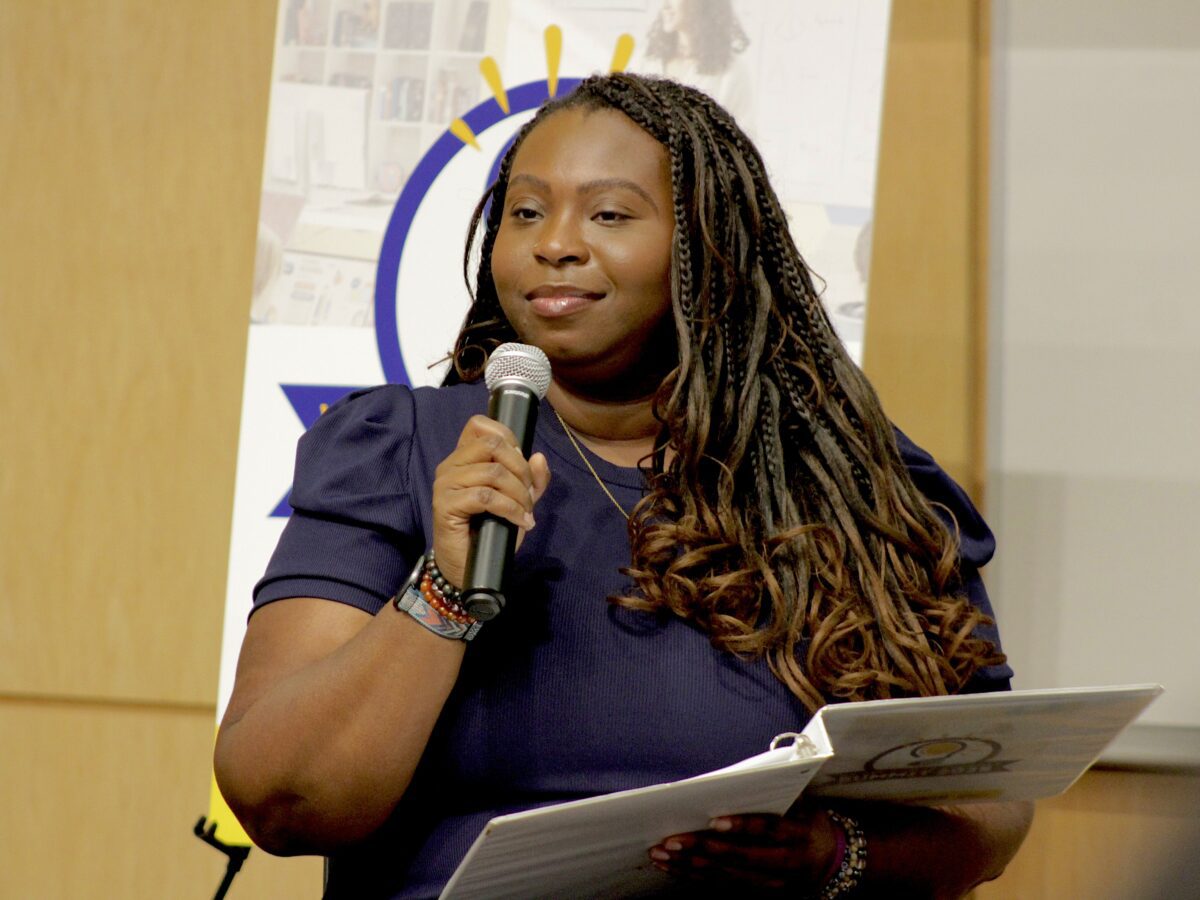
As the moderator, NCAE’s president, Tamika Walker Kelly, shared the belief that “a movement can’t just be one person or one organization.” Thus, toward the end of the discussion, she prompted the panelists to offer considerations for others to get involved, particularly those who may be newer in their journey as advocates.
The following are a few ways in which the panelists encouraged those vested in public education to upgrade their advocacy:
Volunteer
“We all live near a school,” Vaughn said, suggesting that a simple and feasible next step is to start with volunteering. In addition, she advised individuals to identify their “why” and to seek organizations that align with that purpose.
Subscribe for newsletters
Similarly, Wilson recommended that individuals get involved with advocacy movements and organizations such as Public School Strong, League of Women Voters, Every Child NC, and the likes of organizations that hosted the summit.
“Being a part of a group will build up your knowledge and put you in community with people who will ultimately help us win,” Wilson said.
Run for local elections
Sanders promoted the act of running for school board or other positions such as mayor or city council, acknowledging the influence that the roles may have on the education system at the local level. Though she said that it can seem scary and a little intimidating, Sanders emphasized that “just putting your name on the ballot gives a choice to somebody else.”
In all, Walker Kelly called upon public schools supporters to upgrade their advocacy in the same fashion that one might regularly upgrade their cellphone to the latest device.
“We are really hoping that this summit really taps into people’s curiosity, taps into people’s potential, that they are the change makers that we need in order to have successful public schools in North Carolina,” she said.
Recommended reading