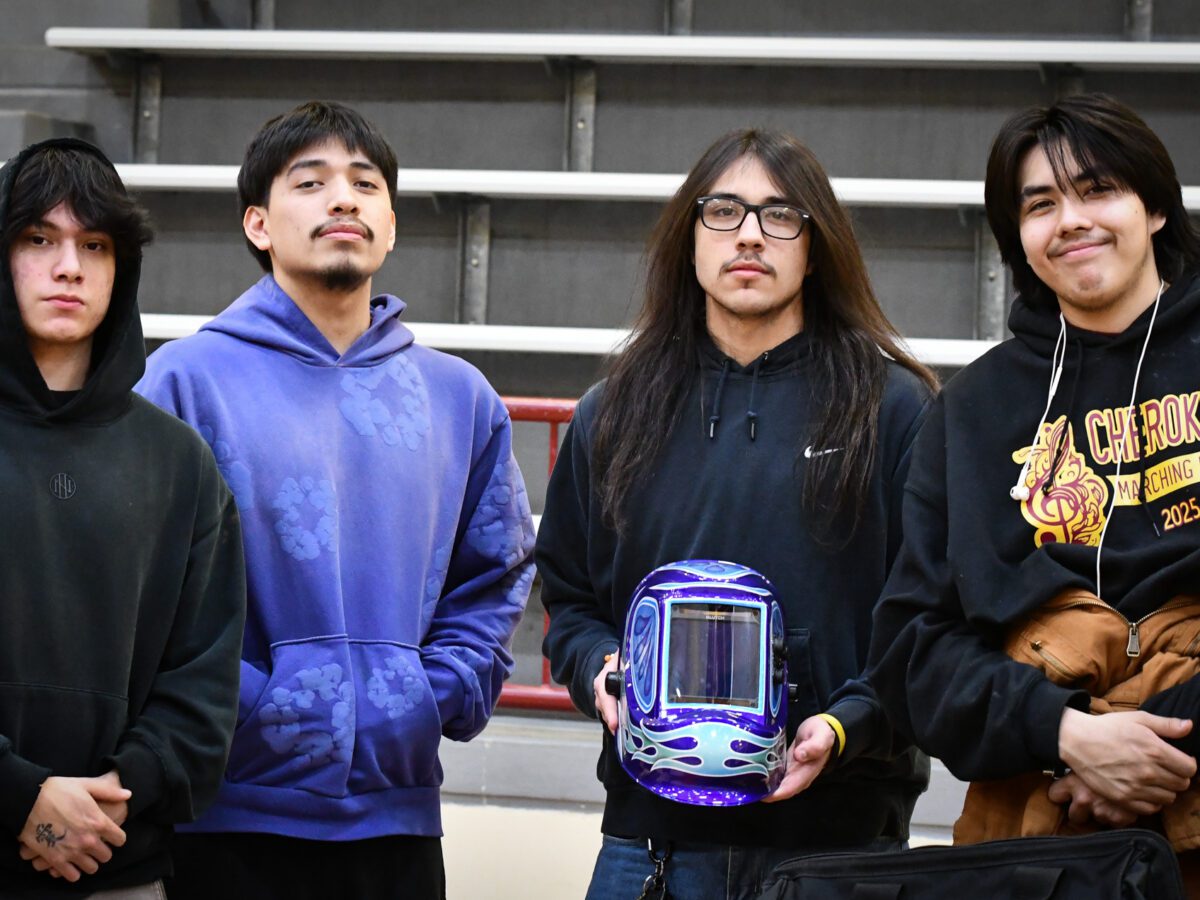
Eli Hughes lights up when he talks about the future.
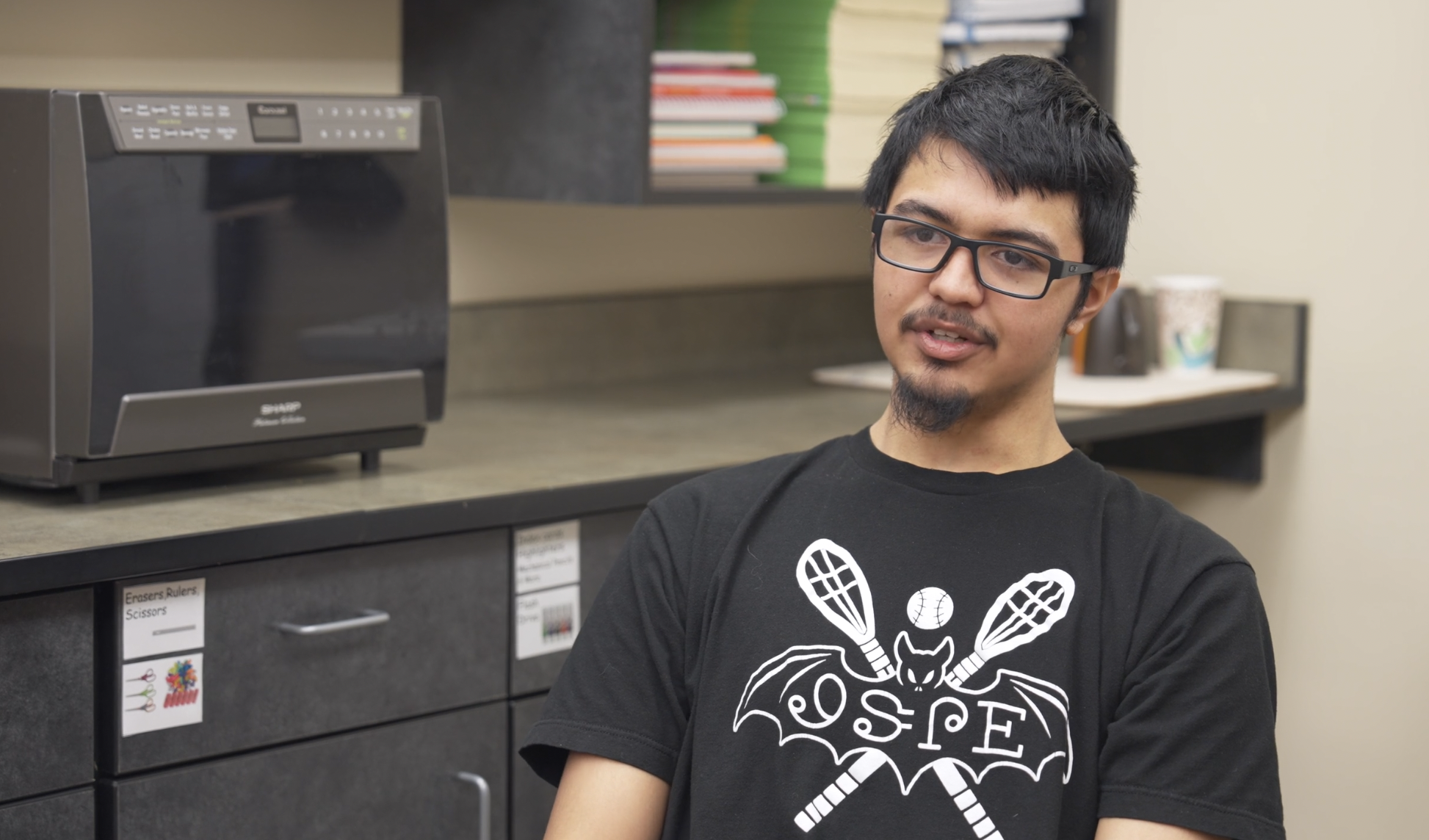
A junior at Mitchell High School, Hughes has always known he was destined to work with his hands. That tinkering mentality is why Hughes has taken almost every career and technical education (CTE) class that his school offers. Horticulture, auto service, drafting, and welding — the list goes on.
“I love fixing things, building stuff — you name it. But I thought this (CTE) just kind of made me focus them efforts into something I can make into a career,” Hughes said.
Hughes says he’s planning to weld for a local company after high school, but wants to keep up with his current landscaping job and even dreams of building his own automotive shop one day.
 Sign up for the EdWeekly, a Friday roundup of the most important education news of the week.
While he’s developing technical skills, Hughes has also been able to grow his career management skills through the school’s business education classes.
Last year, he had the surprise of a lifetime when he attended the Future Business Leaders of America (FBLA) state conference — a competition where students showcase business, leadership, and technical skills.
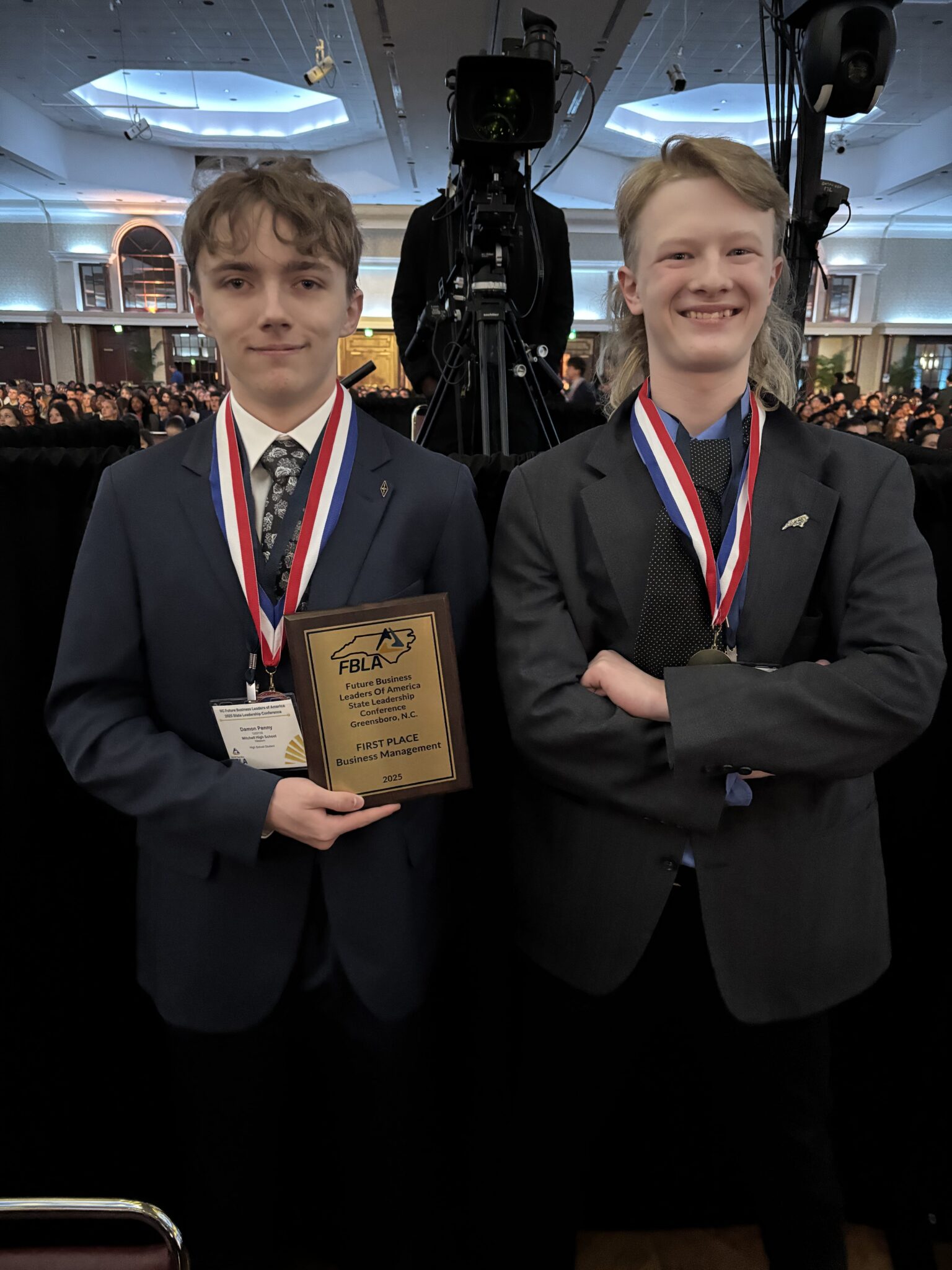
Hughes and Damon Penny placed first in business management, securing their spot in the national competition that would take place in California. It was a surreal moment for Hughes.
“I didn’t figure we could do this,” he said. “You know how I talk. I didn’t figure people in Greensboro would get me.”
Hughes couldn’t wait to share the news with a very important person in his life — his dad — who was battling ALS at the time.
“I went up to him and I said, ‘Hey Dad. I get to go to California.’ And he looked at me and he grinned. That was one of my fondest memories I can remember,” said Hughes.
Three days after Hughes won first place at the state competition, his dad passed away.
The national competition would be a series of firsts for Hughes — his first time on the west coast and his first time in an airplane, or as he calls it, an aluminum tube.
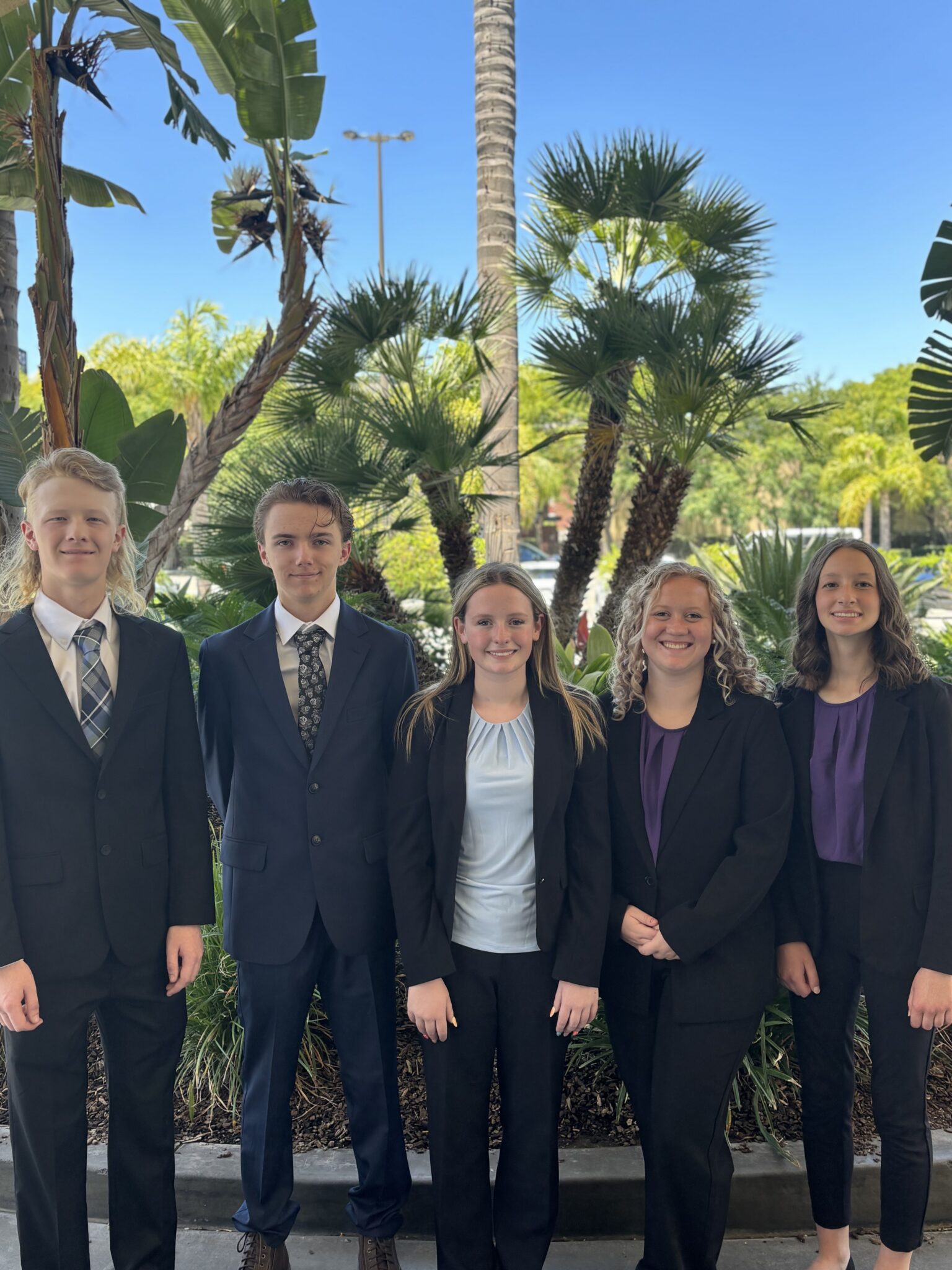
Hughes, along with other students from his school, traveled to the FBLA National Leadership Conference in Anaheim, California last summer. Over 35 North Carolina high school students placed in the top 10 for their competitive event.
As for advice for future competitors, Hughes wants them to know that it won’t be easy, but it’s an amazing opportunity to gain skills, have some fun, and if you’re good enough, travel across the country.
Modernizing Career and Technical Education
Hughes is one of the millions of students who participate in CTE programs every year.
During the 2023-24 school year, over 8.6 million high school students nationwide enrolled in CTE programs. North Carolina had the third-highest number of students enrolled in CTE, with 550,918 participants.
Today’s CTE focuses on empowering students to be “successful citizens, workers, and leaders in a global economy,” whether they plan to further their education, enter the workforce, or enlist in the military.
Since the early 2000s, CTE programming has been largely overhauled nationwide, linking technical skills with academic rigor and connecting students to pathways that can lead to careers in high-demand fields that offer family-sustaining wages.
These changes have helped transform CTE from an elective “shop class” to a pathway that holds more merit.
How we got here
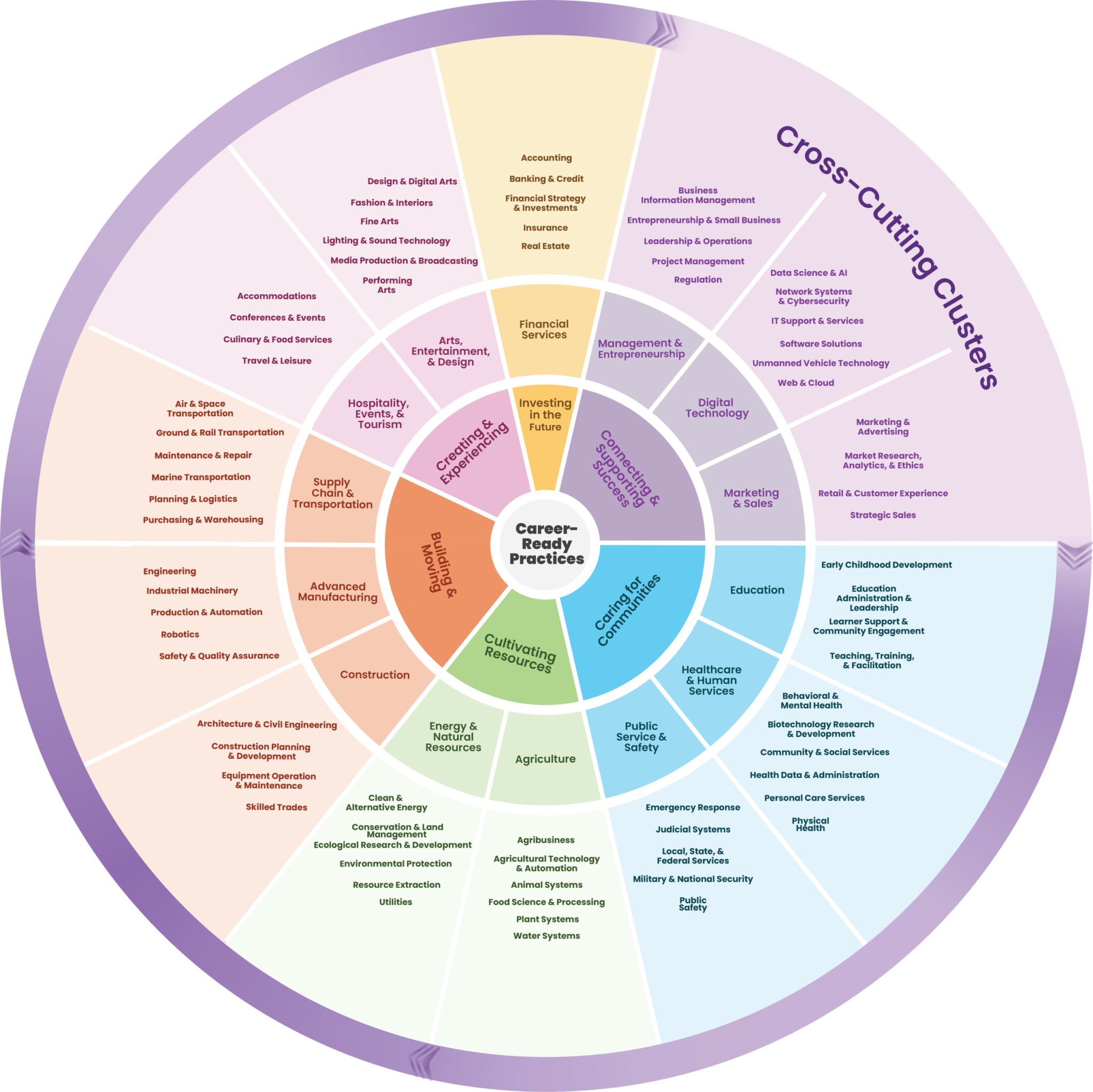
In 2002, the National Career Clusters Framework was developed, creating a shared structure for CTE program design. Almost every state uses the national framework.
Career clusters are groups of related occupations that require similar skills and knowledge and contain subgroups called pathways that connect students to educational programs, industries, and careers.
A more modernized career clusters framework emerged in 2024, consisting of 14 clusters and 72 pathways.
Updating federal policies
When the Carl D. Perkins Career and Technical Education Act (Perkins IV) was passed in 2006, the new federal law created a framework that would bring CTE programs into the 21st century and prepare students for high-skill, high-wage, or high-demand occupations in current or emerging professions. Perkins IV placed more emphasis on academics and building rigorous programs while also improving state and local accountability.
In 2018, the Strengthening Career and Technical Education for the 21st Century Act was signed into law, reauthorizing Perkins IV. The new law, referred to as Perkins V, provides federal support and nearly $1.4 billion annually for CTE programs across secondary and postsecondary institutions.
More on state-level reporting
A major component of the Perkins Act is federally mandated state-level reporting, ensuring accountability and measuring CTE participation and performance.
The term “CTE concentrator” was introduced under Perkins IV to help states identify which secondary CTE students the Perkins accountability measures should be applied to.
Since 2006, states have had varying degrees of flexibility in deciding how to define secondary CTE concentrators versus CTE participants. The Department of Education provided nonregulatory guidance for defining CTE concentrators under Perkins IV, but ultimately states could use a number of approaches, including number of credits completed or some percentage of program completion.
According to Advance CTE, over 90% of students nationwide enroll in CTE or CTE-related credits, and a number of secondary schools require CTE courses for graduation. In some states, that would mean nearly 100% of their student population would be declared CTE concentrators.
In 2019, under Perkins V, Congress declared a CTE concentrator as a student who has completed at least two courses in a single CTE program or program of study. Still, ambiguity remains, particularly because Perkins V uses course instead of credit and states must “define the term ‘course’ to create a standard measure that can be applied across their programs, and define ‘single’ CTE programs.”
Read more on CTE
Building CTE momentum
February has been celebrated as Career and Technical Education month at both the national and state levels for years.
In North Carolina, Gov. Josh Stein has continued the annual declaration, acknowledging that CTE “prepares students and young adults to succeed in academics and careers in both established and emerging industries.”
In recent years, there has been growing momentum and bipartisan support for CTE, due in part to its ability to train a skilled workforce.
Understanding workforce needs
Over the next decade, some of the greatest labor shortages nationwide are expected to be in industries such as health care, social assistance, construction, transportation, and other skilled trades. On Feb. 24, 2026, the House Committee on Small Business held a meeting to discuss how CTE programs could reduce labor shortages hurting small businesses.
American small businesses need more plumbers, welders, and carpenters. Career and Technical Education programs play a vital role in supplying the skilled workforce that Main Street relies on. Despite these programs creating an affordable pathway for students to graduate with no debt, a career, and plenty of entrepreneurial and growth opportunities, CTE is often passed over by young people entering the workforce. This Committee will continue to improve and promote options that boost the American economy.
— Rep. Roger Williams, R-TX, chair of the House Committee on Small Business
Data from the U.S. Chamber of Commerce ranks North Carolina’s worker shortage as severe, noting the state has 76 available workers for every 100 open jobs.
North Carolina’s workforce landscape
North Carolina has continued to garner national attention for its economic and workforce development efforts.
Since taking office, Stein has frequently been quoted as saying, “No state will outwork North Carolina,” signaling his commitment to developing the state’s workforce and easing labor shortages.
In 2025, the state added more than 35,000 jobs across multiple sectors, including manufacturing, technology, biotechnology, logistics, aerospace, energy, and finance.
CNBC announced that for the third time in four years North Carolina ranked No. 1 for business in 2025, citing the state’s “solid economy, a world-class workforce, and a wealth of corporate hospitality.”
This year, the state was named first for workforce development in Site Selection Magazine’s annual rankings and was most recently announced as the 2025 State of the Year by Business Facilities magazine.
North Carolina doubles down on CTE efforts
In March 2025, Stein created the Governor’s Council on Workforce and Apprenticeships, consisting of leaders from business, education, labor, and state agencies. The council is responsible for identifying workforce needs and applying strategies that help North Carolinians access the education and training needed for high-wage, high-demand, and high-growth careers.
The council’s December 2025 report outlined 11 workforce development goals, along with corresponding strategies.
Several goals specifically address K-12 students and their future preparedness. Some include increasing work-based learning participation and doubling the number of registered apprentices. The council also set a goal for every high school student to complete coursework resulting in transferable credit or credentials by the time they graduate, which includes CTE coursework.
Last fall, the North Carolina Department of Public Instruction (DPI) announced its five-year strategic plan, which includes goals to increase the percentage of K-12 students participating in CTE courses and to increase the number of CTE credentials students earn.
Starting in 2026, the strategic plan sets goals for CTE participation to increase one percentage point each year, reaching 42% by 2030. Relative to overall K-12 enrollment, the state ranks second for participation in CTE courses nationwide, with 36.1% of students enrolled.
The report also sets goals for increasing the total number of CTE credentials earned, from 400,000 by 2026 to 500,000 by 2030. Last school year, CTE students earned 382,964 industry-recognized credentials — the highest in state history.
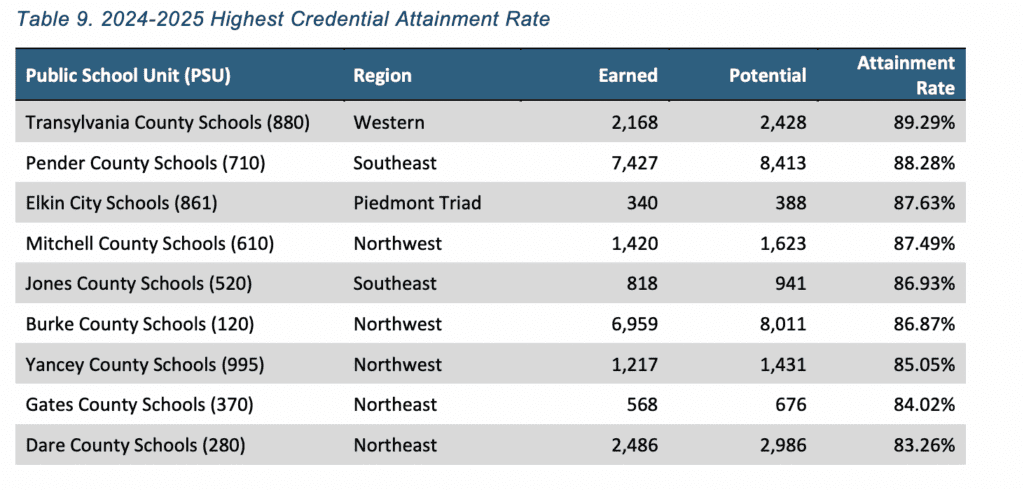
“The record amount of credentials represents real opportunities for our students,” said State Superintendent Maurice “Mo” Green in a DPI press release. “When a student earns an industry-recognized credential, they’re not just completing a course, they are gaining a competitive advantage in the job market and building a foundation for long-term career success.”
CTE in North Carolina
During the State Board of Education’s February meeting, Trey Michael, senior director of the Office of Career and Technical Education at DPI, said 65,000 new CTE concentrators — students who take two or three courses in a career pathway — enroll annually, with a four-year cohort gradation rate of 98.57%. A 2024-25 Credential Report from DPI showed that nearly three in every four concentrators received an industry-recognized credential in their concentration.
One benefit of CTE is its ability to equip students with technical skills while introducing them to in-demand career fields. A February 2026 report from the North Carolina Department of Commerce explored how the state’s CTE concentrators are doing in the workforce 10 years after high school graduation. The report also looks at how these outcomes differ by career cluster.
The report used Common Follow-up System data from North Carolina’s Tool for Workforce and Education Reporting (NC TOWER) to examine employment rates and wage earnings of 32,000 graduates from the class of 2014.
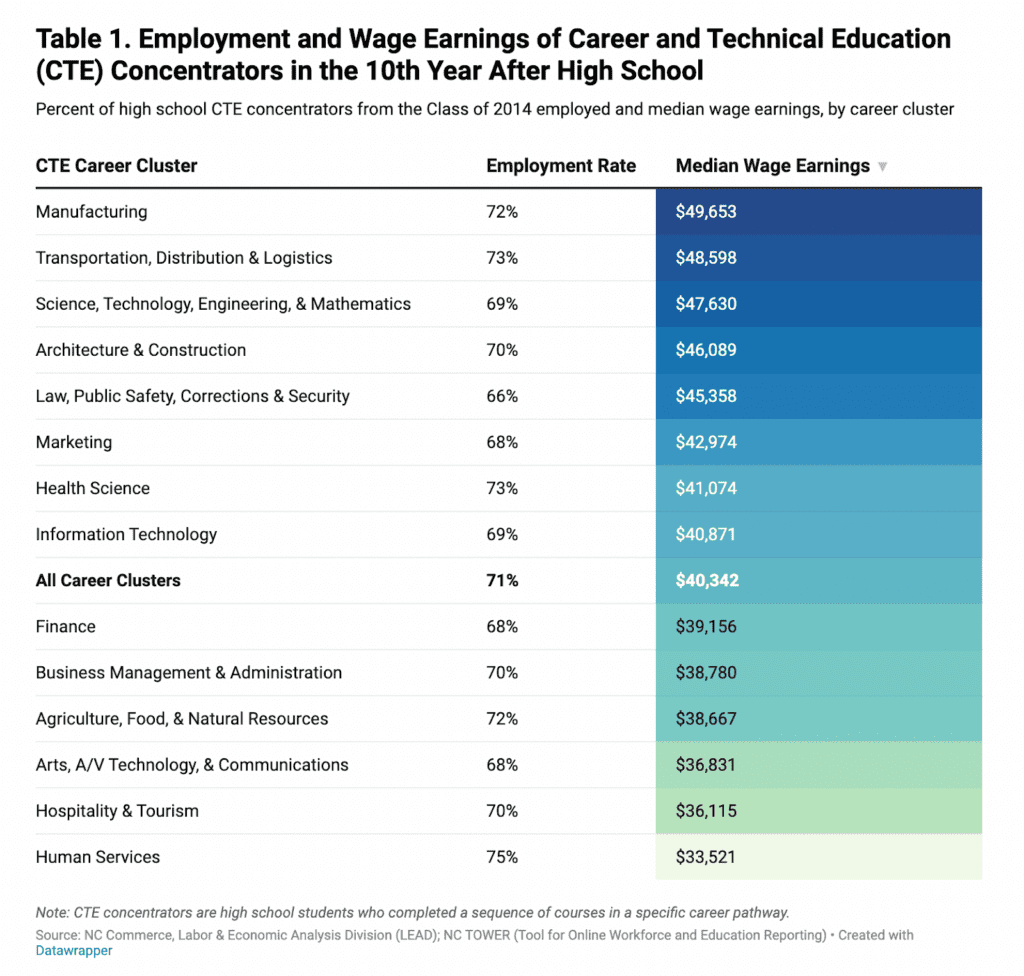
In 2024, 71% of the graduates were employed and had median annual earnings of $40,342. Manufacturing CTE concentrators had the highest median wage earnings, followed by transportation, distribution, and logistics, and science, technology, engineering, and mathematics (STEM). As for employment rates, CTE concentrators in human services had the highest at 75%.
Funding
Multiple funding sources contribute to bolstering CTE programming in North Carolina.
Although North Carolina has not yet passed a state budget, the governor, House, and Senate all include some form of CTE funding in their 2025-27 budget plans.
During the 2022-23 school year, the North Carolina General Assembly awarded an additional $3 million to DPI to modernize CTE programs. Funding was distributed via two grant programs: $2 million for CTE modernization and support for grades 6-8, and $1 million for ancillary items necessary for CTE.
According to a DPI press release, “funding priority was given to districts with at least one school that received low-wealth supplemental funding in the previous fiscal year and districts with a large population of at-risk students or students with disabilities.”
Dogwood Health Trust, a private foundation dedicated to improving the lives of western North Carolina (WNC) residents, introduced a CTE funding opportunity in 2023 for the state’s public school units within its 18-county footprint, including the Qualla Boundary.
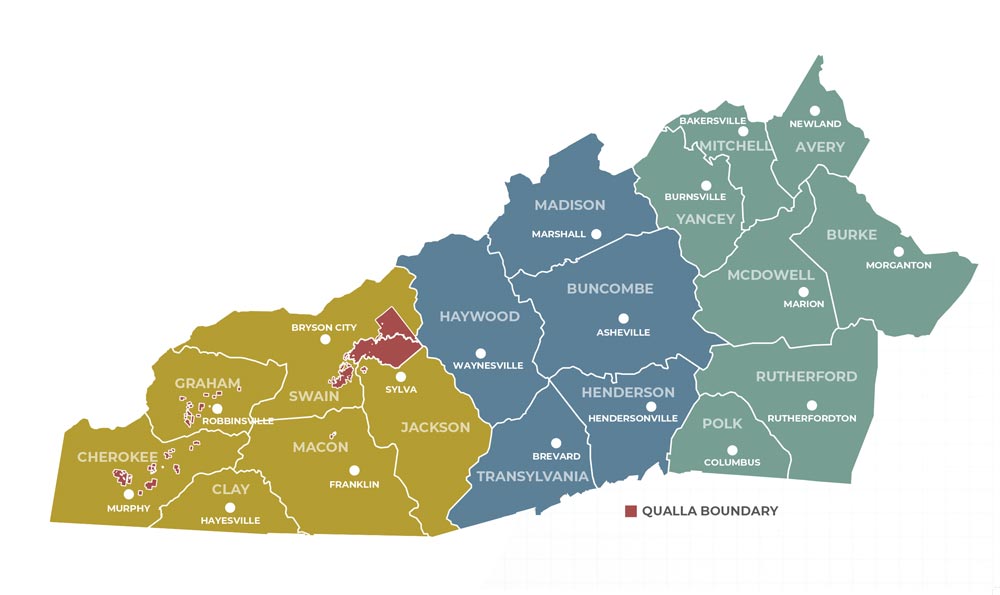
The grants ranged from $50,000 to $500,000, allowing districts to fund projects, equipment, and positions that enhanced students’ understanding and technical abilities for high-wage, sustainable careers. Priority was given to proposals that focused on improving CTE access, engaging students before high school, and addressing skilled trades in the region.
Since Dogwood launched its CTE funding initiative, 18 school districts in the region have been awarded funds.
While each school district has used funds differently, many have hired career development coordinators (CDCs), purchased state-of-the-art equipment to modernize CTE classrooms, bought large vehicles to transport students to competitions and move equipment, increased participation in internships and CTE student organizations, and used funds to improve CTE marketing and communication.
“It’s transformative when students learn by doing, gaining hands-on experience and seeing what different career pathways could look like for them,” said Dr. Ereka Williams, Dogwood’s vice president of education. “That experience sparks curiosity and confidence.”
“This is why it’s critical to expand access to CTE programs and to remove barriers such as transportation, so students have every opportunity to pursue a meaningful career,” said Williams.
Programs
While North Carolina’s CTE programs are pivotal for helping the state fill its critical workforce needs, more importantly, CTE is an entry point for future preparedness, connecting students to careers, skills, and credentials, regardless of their intended path after graduation.
Middle and high school students enrolled in a North Carolina public school can participate in secondary CTE programs. The state’s current CTE framework* consists of 16 career clusters and 79 related pathways with CTE courses provided across seven program areas:
- Agricultural education
- Business, finance, and marketing education
- Computer science, IT, and technology education
- Family and consumer sciences education
- Health science education
- Trade and industrial education
- Career development education
*Note, North Carolina will implement the modernized national clusters framework starting the 2026-27 school year.
Students can obtain industry-recognized credentials through CTE. There are currently 160 available credentials aligned with the state’s career clusters.
Program offerings vary between high schools and districts. Many districts partner with local community colleges to facilitate and deliver CTE courses.
High school students can also take advantage of Career and College Promise (CCP), the state’s dual enrollment program offered across the N.C. Community College System. Through CCP, students can earn college credit and can begin a certification or diploma program in a particular technical field or career area.
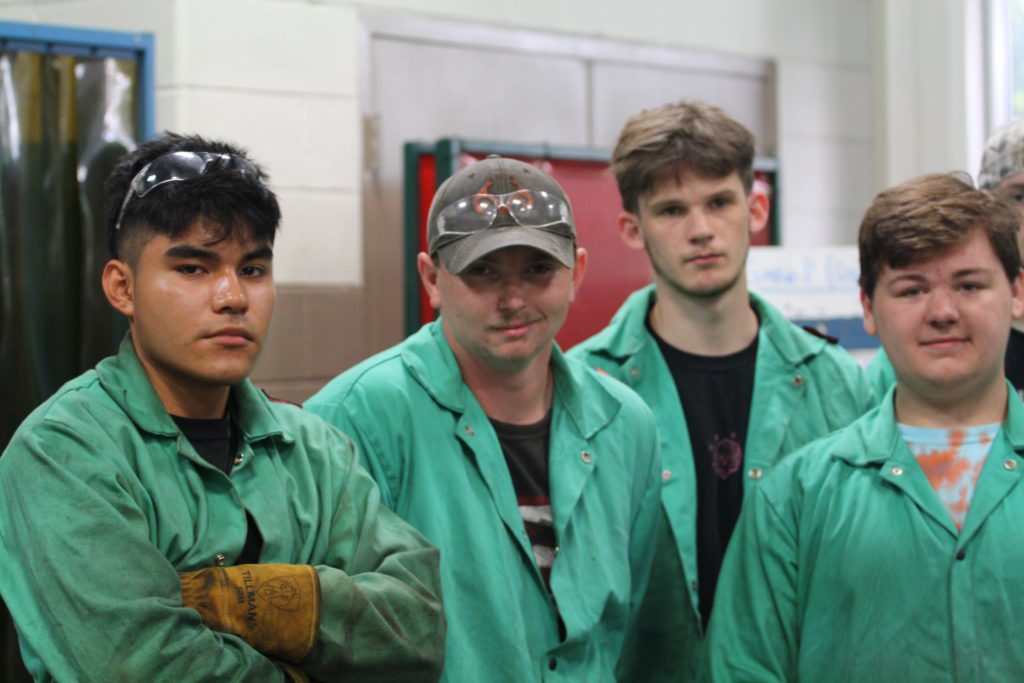
There are a number of ways students can participate in CTE beyond coursework and credential attainment. Many students engage in a career and technical student organization (CTSO) — an organized group for students in CTE courses that furthers their skills and knowledge, allowing them to participate in real-world activities, events, and competitions. Some of those groups include FBLA, HOSA, FFA, and SkillsUSA.
Career development is integral to the state’s CTE strategy. Students are made aware of career options, can explore various careers, prepare for them, and participate in real-life work experiences. The Work-based Learning Cycle of Experiences is integrated into the state’s career development continuum.
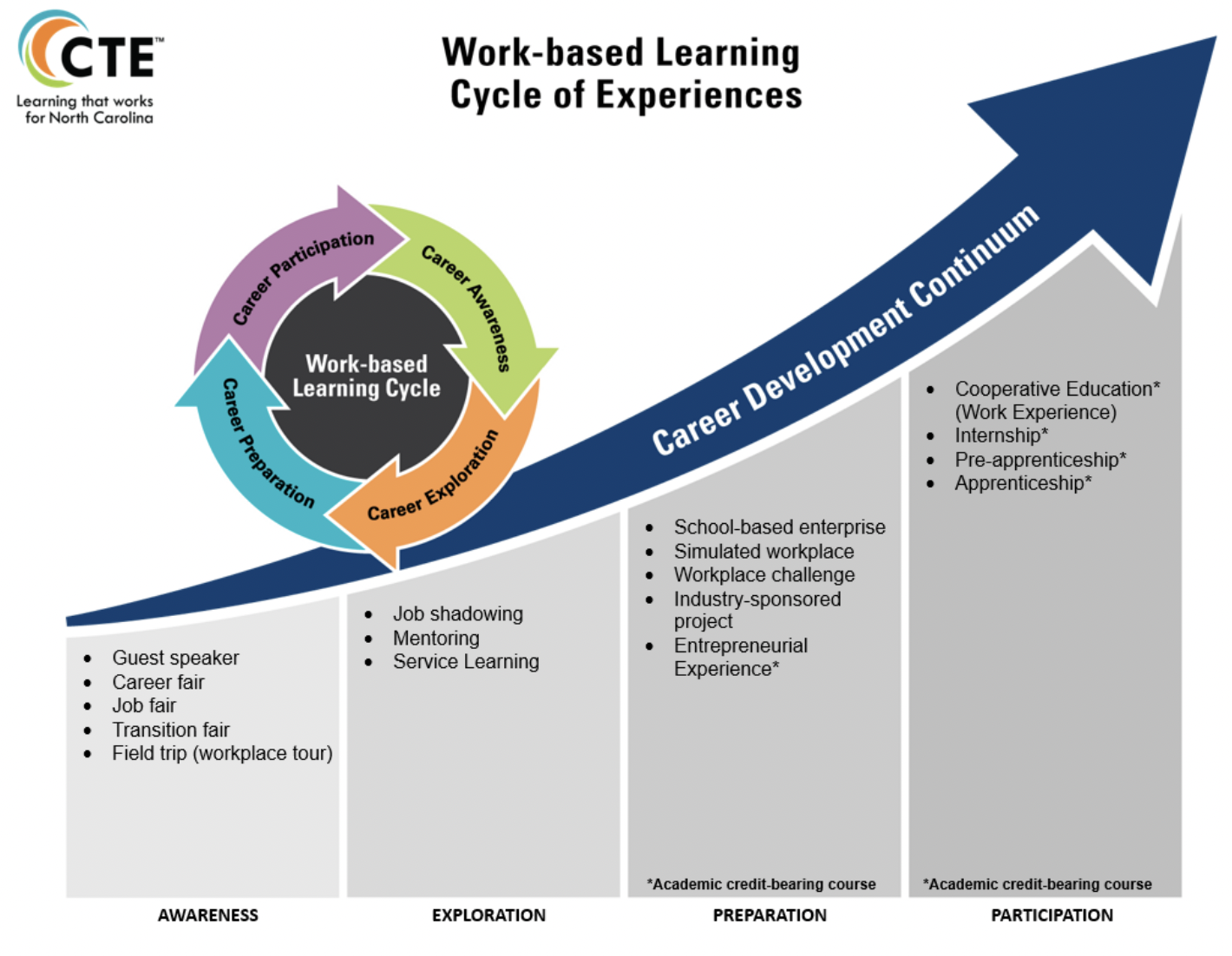
Several CTE pathways have built-in work-based learning components, including agriculture, health care, early childhood, culinary arts and hospitality, and teaching.
Read more on CTE

Meet the CTE students of western North Carolina
Mitchell High senior Etta Laws knows exactly what she’s doing after high school graduation, and it doesn’t involve health care.
Laws started her CTE experience assuming she would pursue a career in health care. But one CTE class in health science proved otherwise.

Laws said she quickly learned health care wasn’t for her, citing the “ick factor” and what the work would entail. Pivoting, Laws started taking early childhood CTE classes and realized that education suited her best, eventually pursuing an early childhood internship in a pre-K classroom.
It was during her internship that Laws said solidified her decision to enter the education field. The best part for Laws was seeing the children’s academic development and growth, along with the connections she made with them.
That’s when I really realized where I was meant to be.
— Etta Laws
Had it not been for the CTE class, Laws said she would have never been able to have a real classroom experience before making her decision.
Laws will attend Appalachian State University this fall as a teaching fellow, specializing in elementary education with plans to add licensures in special education and pre-K.
Fred George Jr. is a senior at Cherokee High School on the Qualla Boundary. He has taken a number of CTE classes, but says the health sciences classes are his favorite.
George found his passion for health care during freshman year and credits his teacher, Haleigh Price, and the interactive components of the class, such as labs, as reasons why he is choosing to pursue a health care career.
Following high school, George plans to obtain a Certified Nursing Assistant (CNA) certificate so he can help others, including his brother, who has disabilities. Eventually George will attend Southwestern Community College for his associate degree in nursing.
Sam Arneach, an 11th grade student at Cherokee High School, hasn’t always been as sure of his career path. At one point, Arneach wanted to be a welder, but after taking a drone class, he is reconsidering his plans.
Arneach will soon earn a Federal Aviation Administration (FFA) Part 107 license, allowing him to fly drones commercially. He laid out a few career options for flying drones — one is to survey land for real estate purposes, and the other is flying them for the local police department during search and rescue efforts. Either way, Arneach says there are endless possibilities to put his drone skills to use.

CTE career fairs as community builders
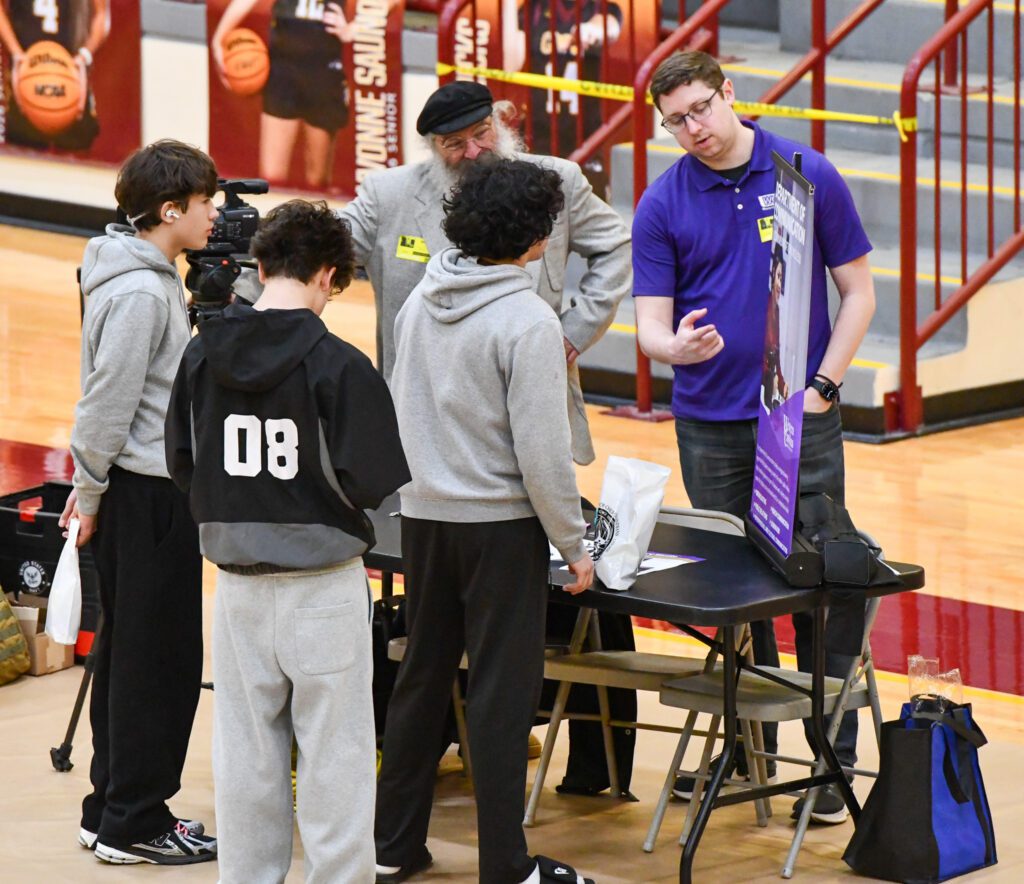
This year’s CTE career fair at Cherokee High School was led by students, a first for the school.
The decision for students to organize the fair was twofold. It allowed students the opportunity to develop organizational skills while also boosting engagement. Over the years, participation among students and employers had dwindled.
But this year, the gymnasium hummed.
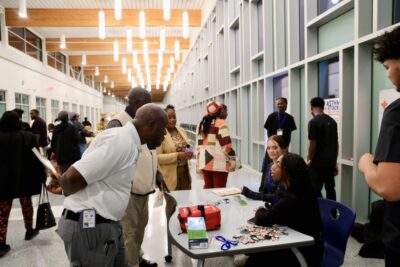
Tables filled every corner of the room as employers and colleges from the region waited for the swarm of high schoolers to descend.
“It was just really fun to plan it and see it become bigger,” Cherokee High School student Taylor Kazhe said. “Going to meet all these different people to help us make it bigger was awesome.”
Greeted with career options, interactive equipment, and experts eager to help, students set out to complete their “passport cards.”
The card, featuring a list of 25 career-related questions, served as both an activity and a guide, helping students engage more directly with employers.
Students were prompted to ask about specific training requirements, typical daily responsibilities, and overall career advice. Students who successfully completed the activity were entered into a raffle drawing.
Students said they were surprised to discover that some employers would pay for their education, while others said they learned about new career options they had never considered.

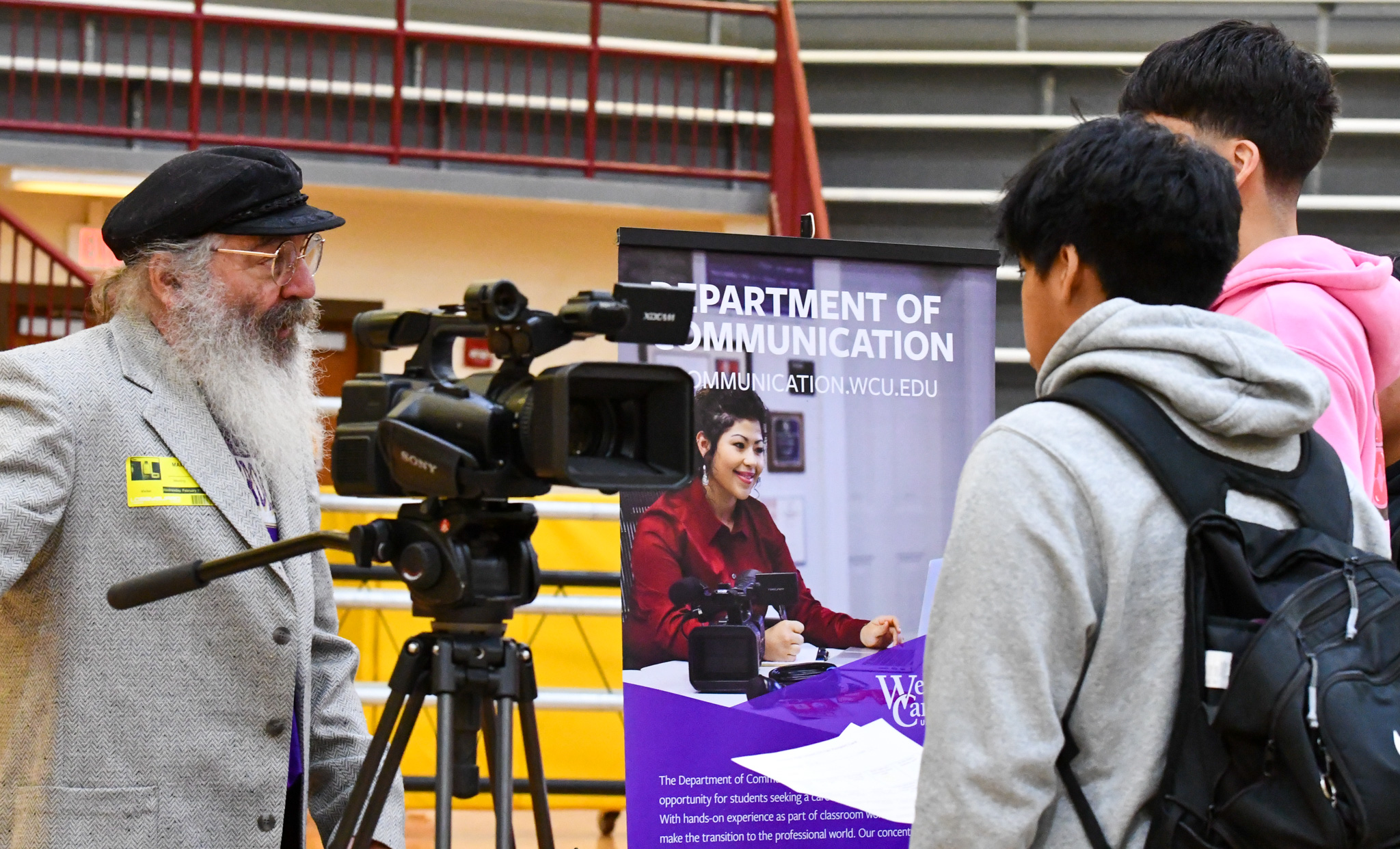
Employer representatives were equally pleased with the event, particularly because it highlighted aspects of their fields that are often missing during a typical job search.
More than anything, this career fair was an act of gathering community members in a single space.
We are Gadugi, which is community (in Cherokee). You can see that right off the bat, we all support each other no matter who we are.
— Ava Walkingstick, Cherokee High School student
Students and employers acknowledged the intentionality behind these types of events and how they serve as community builders.
High school senior Marleigh Aguilera believes her tribal community is especially unique because of its connectedness. She explained that shared knowledge removes awkwardness when engaging with local employers — even if she doesn’t know an employer representative personally, she almost certainly knows someone in their family.

If you ask almost any Cherokee High School student about their plans after graduation, there’s a good chance their response will include, “I want to give back to my community.”
Even if their plans include moving away to attend a four-year college, many say they’ll return to the area to work and raise a family.
Kazhe said she plans to get a degree in social work and return to her community to help children of families who struggle with drug and alcohol abuse.
Skills for the future
Modern CTE programs are about embedding opportunities where students can learn diverse skill sets, from the very technical to everyday soft skills.
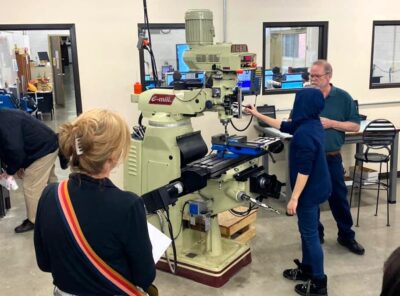
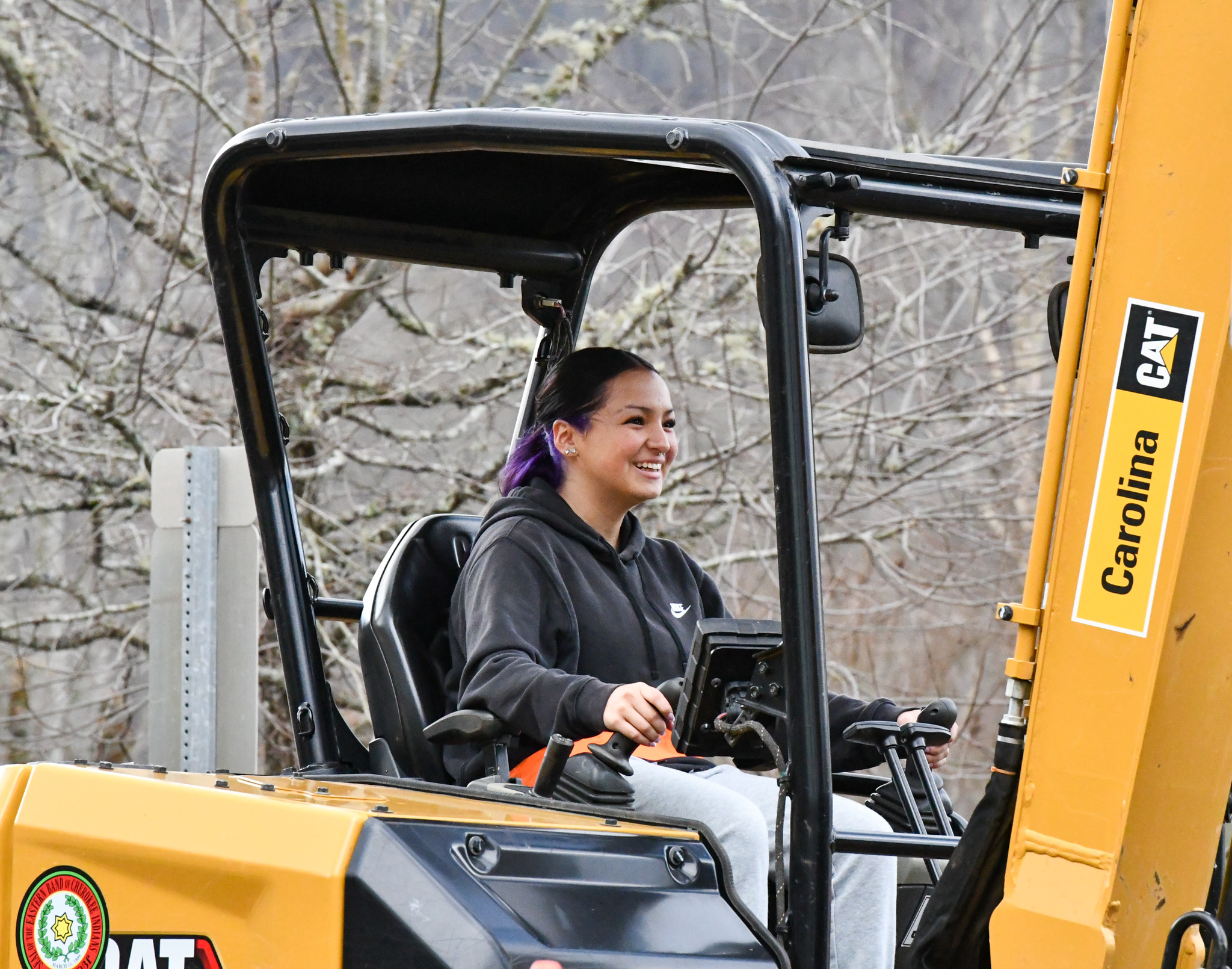
Cars, drones, goats, medical simulators, lifelike babies, 3D printers, VR welding — these are all items found throughout today’s CTE classrooms, providing students with real-world or simulated experiences taught by industry experts.
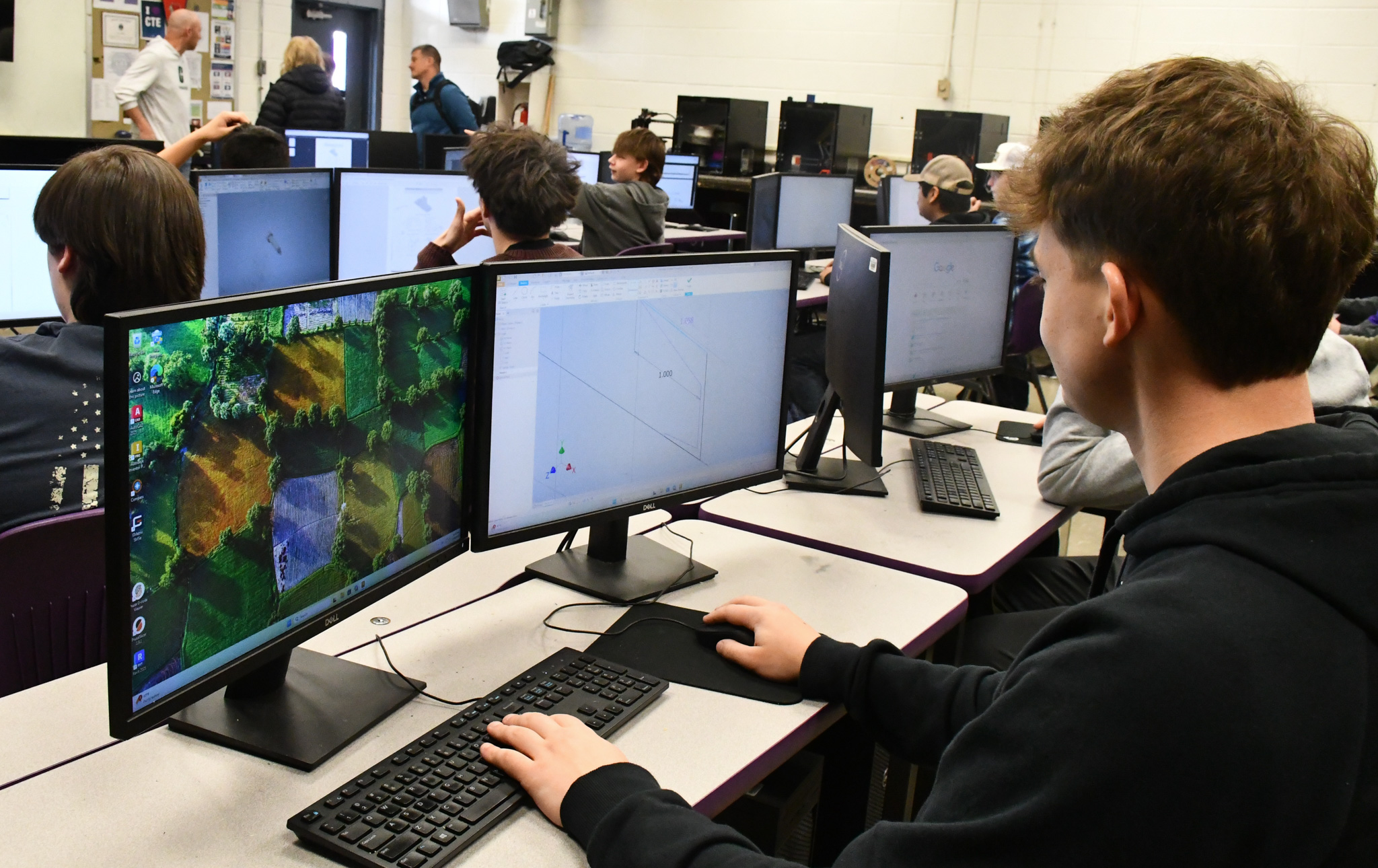
Drafting students at Mitchell High School are training on systems and programs used in today’s industries, and the school’s health sciences classes use an anatomage table — an advanced “real-human-based 3D anatomy and medical education system.”
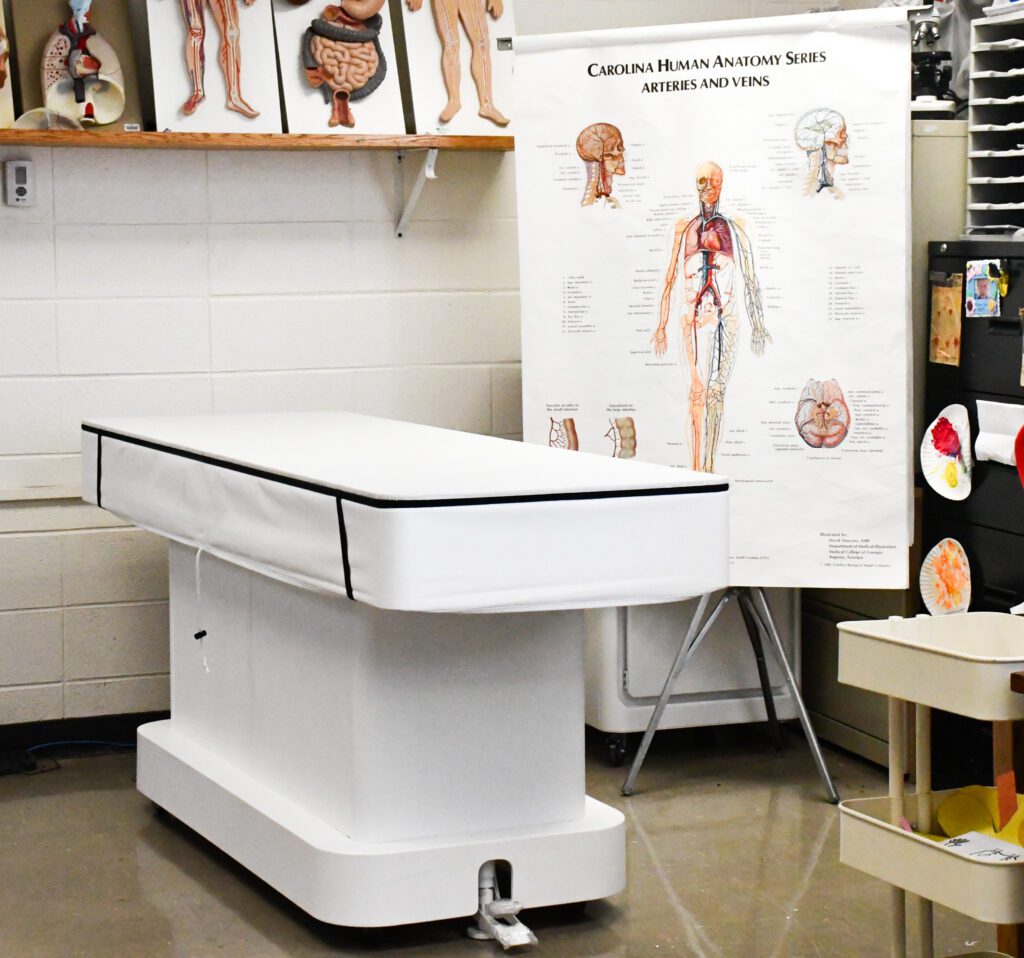
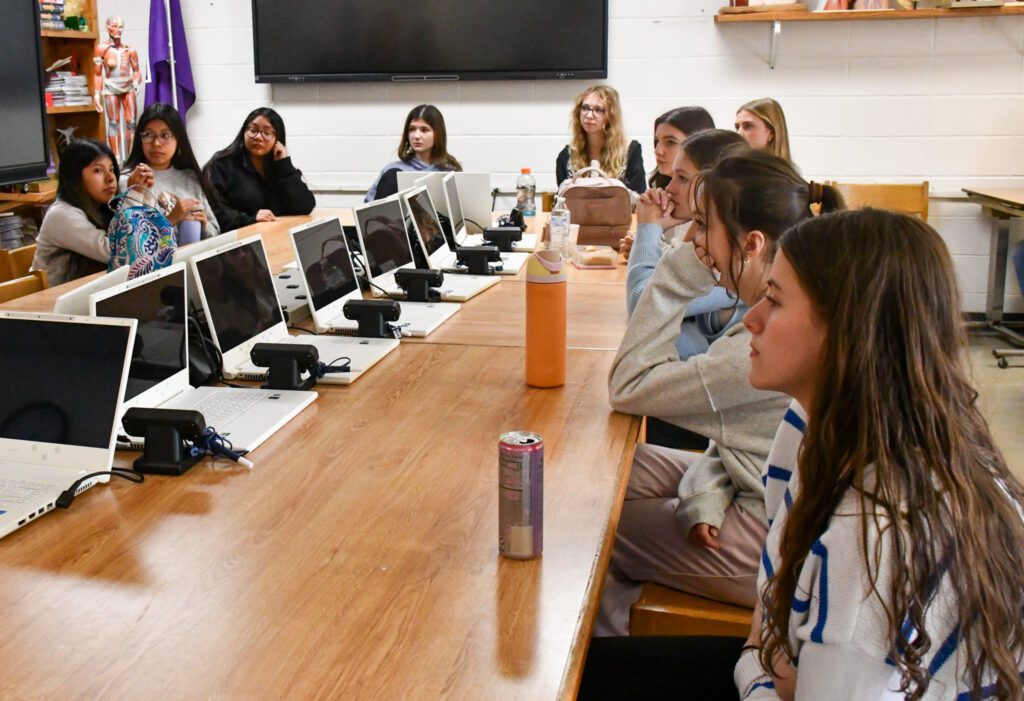
The table provides a lifelike simulation of 3D anatomy and is helping students learn course objectives with greater ease, teacher Katy Grindstaff said. It has also leveled the playing field for students during competitions. The school used funds from Dogwood Health Trust to purchase the state-of-the-art equipment.
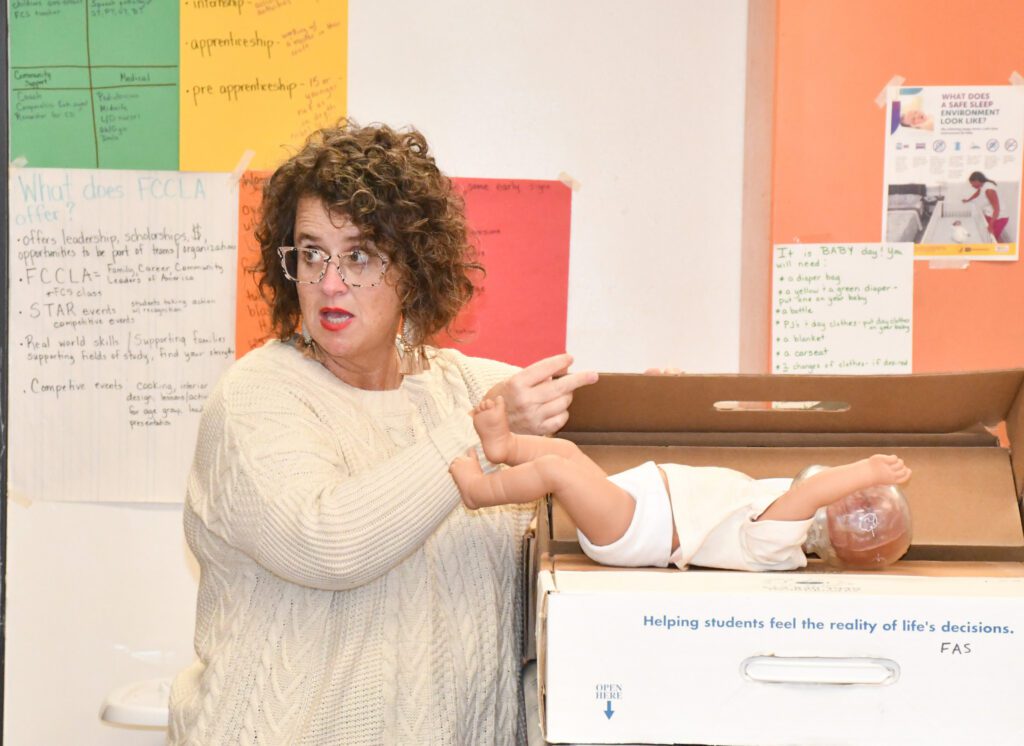
During a visit, Katie Boone, a family and consumer sciences teacher at Mitchell, held up the class’s newest addition, a Realityworks baby.
These baby simulators are used in child development classes to teach a number of skills, including parenting and child care. Some dolls even show the potential physical effects of fetal alcohol syndrome or the impacts of shaken baby syndrome.
The computerized infant is programmed to deliver lifelike scenarios for students with realistic needs like feeding, diapering, and rocking. Each baby is outfitted with sensors and data tracking how students handle the 24/7 needs of the infant during a weekend-long experience.
Boone said the simulators are about more than just learning proper child care techniques. Students must also navigate the realities of being a parent — even if short-lived.
In McDowell County, eighth grade students from across the county’s three middle schools and students from Foothills Community, the district’s STEM-focused learning school, recently put on their best professional outfits to compete in The Amazing Shake, a competition that teaches middle schoolers career-building soft skills.
Created by the Ron Clark Academy in 2009, The Amazing Shake helps students develop skills like manners, professionalism, and effective communication.

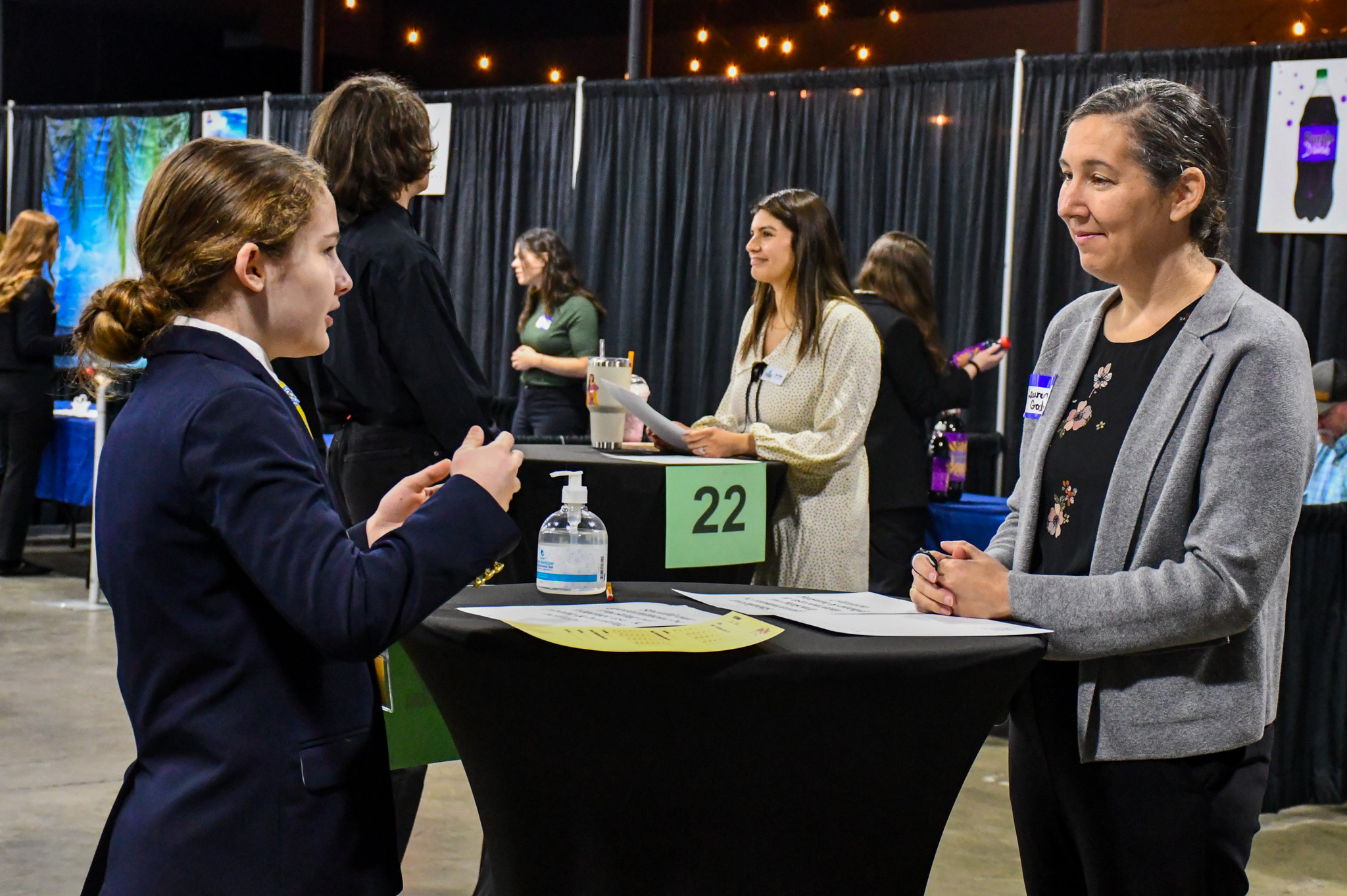
Months before the students competed, they spent time learning how to hold a conversation, give a proper handshake, and make eye contact. They were given scenarios that required them to be poised and perform under pressure. Students also connected with local employers, learning interviewing techniques while being introduced to future career opportunities.
McDowell’s competition consists of four rounds: the gauntlet, work the room, ethics, and restaurant. Volunteer judges — most of whom are local employers — score students based on their ability to respond to high-pressure situations. Students who score high enough in each round advance, with the top two winners moving on to the national competition in Atlanta.
During the gauntlet round, students encountered various scenarios across 30 stations, requiring them to think and respond quickly. Participants entered stations with no knowledge of the situation and had 60 seconds to respond.
This year, challenges ranged from handling nasty customer complaints and giving pep talks to high school football teams to selling vacations in outer space.
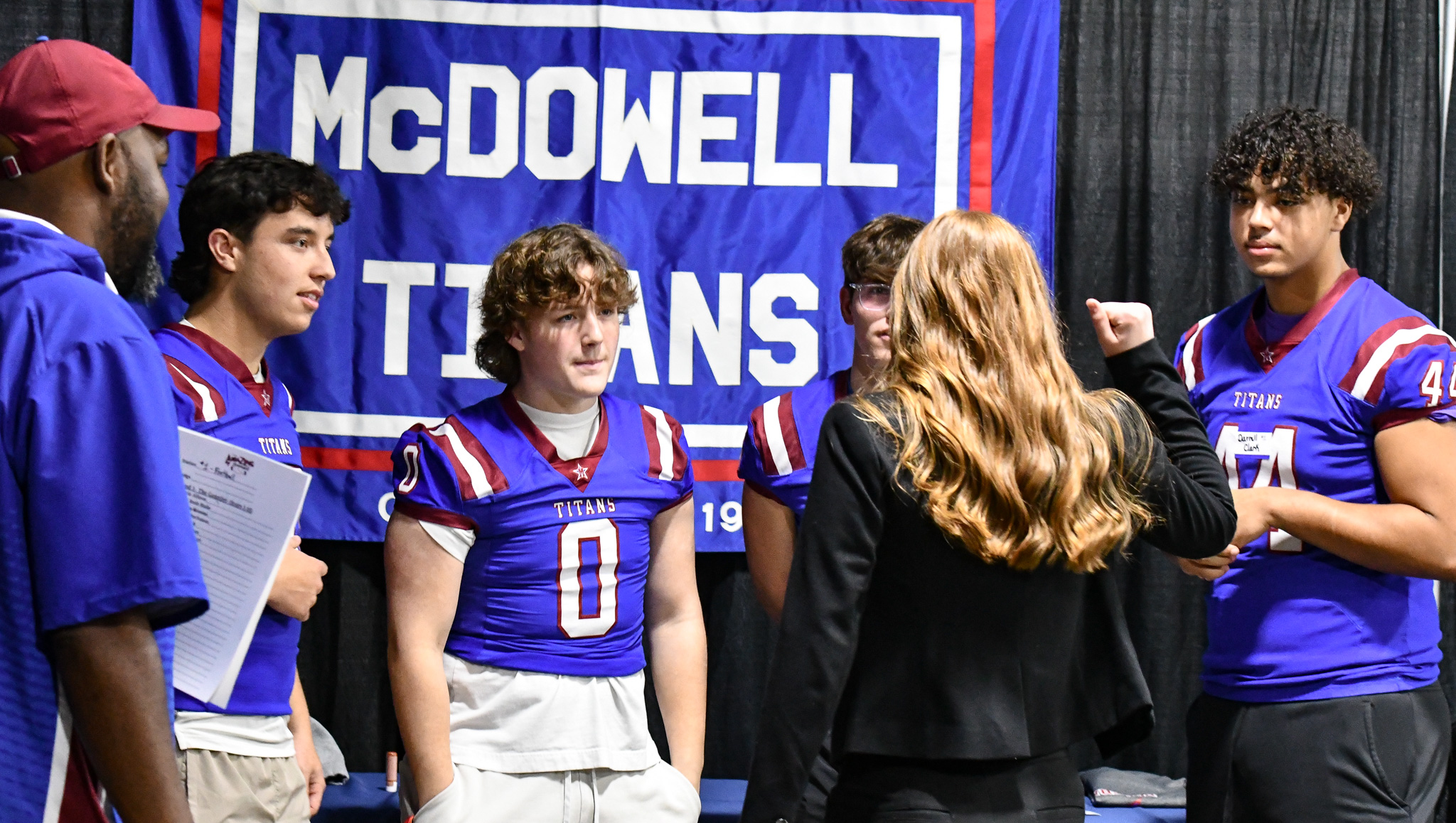

The “work the room” round focused on networking. In a large open space, students initiated and carried on professional conversations with judges. In the ethics round, judges posed thought-provoking questions, like, “Is it ever okay to lie?” Winners then entered the restaurant round, where they completed a two-hour work shift at a local establishment and were scored by restaurant employees.
The real-world experience of work through internships
Abbi Deaver, a student in Haywood County Schools, has found her internship at a local veterinary office more than rewarding.
Growing up, Deaver always loved animals, but as she got older, she questioned whether she had a strong enough stomach for the job. This internship has both reignited and reaffirmed her decision to pursue a career in veterinary care, but not before earning an associate degree in fish and wildlife management through Haywood Community College.
Work-based learning opportunities can often solidify a student’s career path well before high school graduation.
Students really have a chance to see what the job is before making a lifelong decision, said Laura Turner, a career development coordinator in Haywood County Schools.

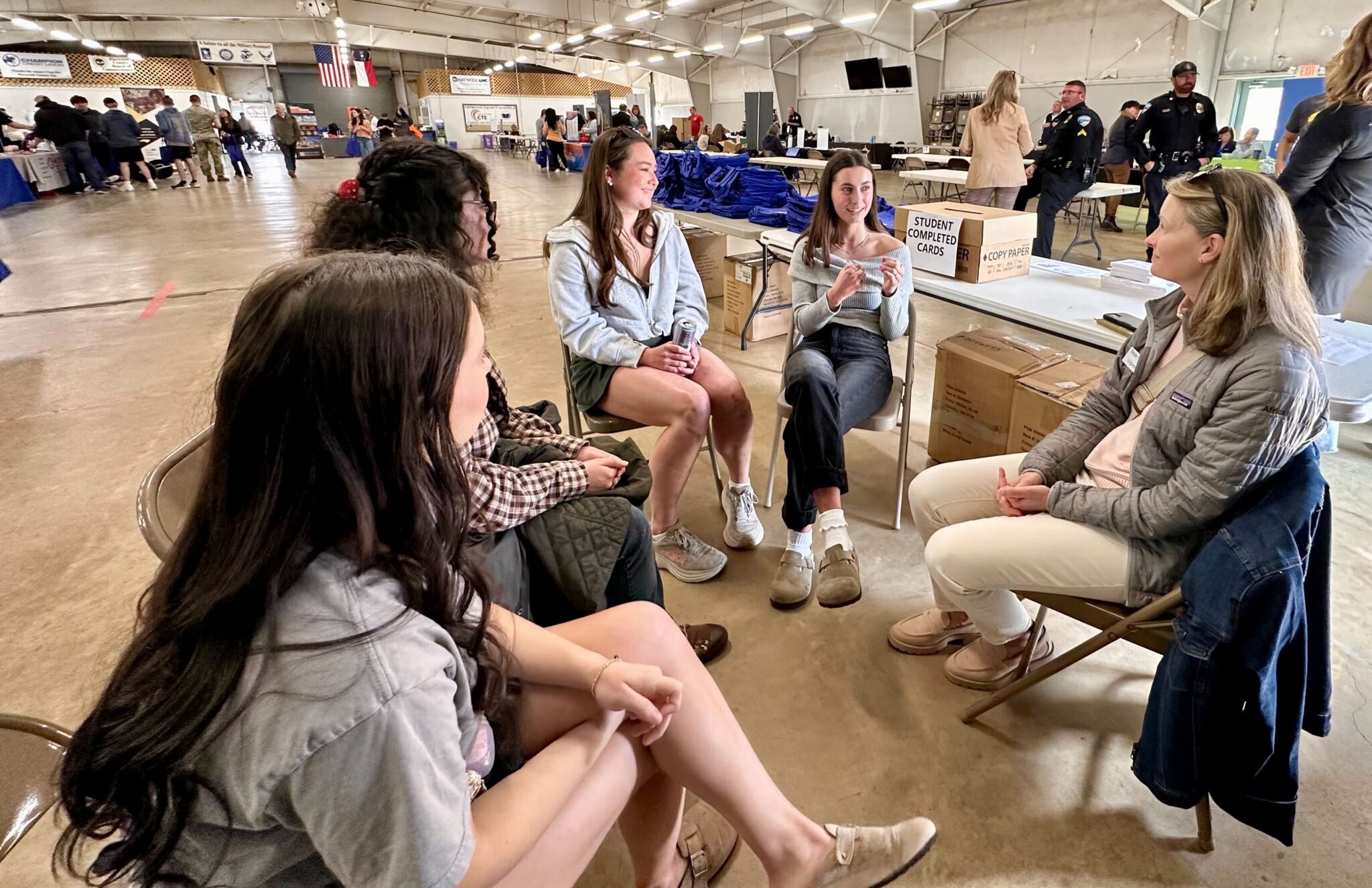
Internship participation throughout Haywood County Schools had waned over the years. Those tasked with engagement often wear multiple hats, making it difficult to promote and keep track of student interns all across the county.
To help strengthen their internship program, the district hired two additional career development coordinators in 2024, including Turner. Although their duties are still spread across various areas, they have been able to focus their efforts to engage students and employers.
Since the coordinators were hired, internship participation at Tuscola High School grew from an average of 10 students each year to 24 in one semester. This most recent semester, the school had 42 interns, and 100 students have indicated their interest for next year.
Turner credits intentional collaboration with the school’s guidance counselors who work together to discuss and encourage work-based learning opportunities during high school registration.
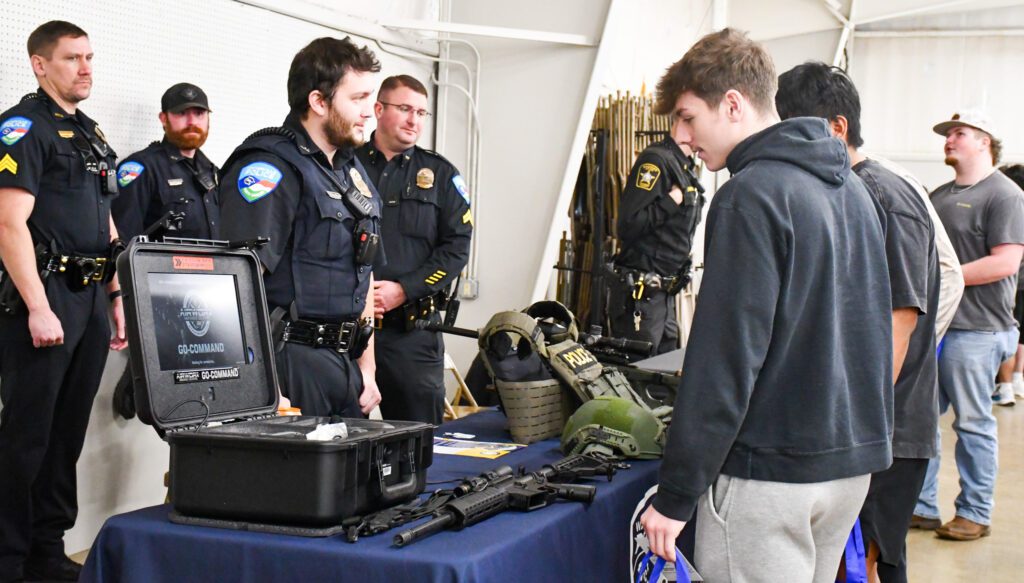
Stephanie Benson, CTE director in Haywood County Schools, said the district is currently working on approvals for a summer internship opportunity through N.C. Department of Transportation (NC DOT). The paid internship allows students to learn about various positions within the department and receive hands-on training. This past year, the Waynesville Police Department revived their internship program for students. It had been 20 years since the department’s last intern, Tyler Howell, who continues to serve Waynesville as police master officer.
The great part about students interning is that they aren’t just learning about the job, they’re also learning about what it means to be in the workforce, Benson said.
Where do we go from here?
There’s no doubt that CTE programming is having a positive impact on students and their communities — the numbers and student stories demonstrate that well.
But these programs aren’t without challenges. In 2025, the federal government moved the $1.4 Perkins V grant program to the Department of Labor as part of a wider overhaul of the Department of Education.
Although the threat of federal funding cuts to the Department of Education is still present, there has been recent bipartisan support to continue funding education and workforce development. The fiscal year 2026 appropriations package, signed by President Donald Trump in February 2026, maintained current levels of federal funding for Perkins V.
Now, as the fiscal year 2027 appropriations process begins, the co-chairs of the House CTE Caucus — Rep. Glenn “GT” Thompson, R-PA, and Rep. Suzanne Bonamici, D-OR — have circulated a letter calling for a strengthened investment in CTE to meet learner demand.
We are grateful that Perkins state grants were again funded at $1.44 billion in FY26. However, adjusted for inflation, FY26 levels are roughly half of the amount of the federal investment made in CTE in 1980, despite the fact that a record number of CTE students – roughly 12 million nationwide – rely on this funding at the K-12 and postsecondary level.
— Draft of a “Dear Colleague Letter” from the House CTE Caucus
Equity and access challenges also persist. In North Carolina, the state’s 2024-25 CTE credential attainment report showed gaps between CTE enrollment and credentials earned among several demographic groups.
Female students accounted for 44% of enrolled students in CTE courses with credential opportunities, yet earned 36% of all credentials and only 18% of Tier 2 credentials. Similarly, Black students earned 14% of Tier 2 and 3 credentials but made up 24% of total CTE enrollment.
According to a DPI press release, “credentials are organized into three tiers based on academic rigor, employment value and industry demand,” with Tier 3 credentials as the most advanced certifications, often required for employment.
Transportation has also been a long-standing issue in work-based learning. High school and college students seeking work-based learning experiences often do not have adequate transportation to and from job sites.
That problem is exacerbated in North Carolina’s rural counties that lack public transportation. The NC Rural Center considers 78 of North Carolina’s 100 counties rural. These counties are home to 40% of the state’s population, making North Carolina’s rural population the second largest in the country behind Texas.
Additionally, both secondary and postsecondary schools find it difficult to attract, hire, and retain qualified career and technical educators because they cannot compete with the salaries of private industry. Some institutions have sought out second career instructors, or those who have retired or semiretired from the private sector.
Despite these challenges, Benson said that she hopes everyone sees how important CTE is for opening doors and ensuring students are good members of their community who can earn a living wage.
“Because everyone benefits from CTE,” she said.
Editor’s note: Dogwood Health Trust supports the work of EdNC.
Recommended reading