Editor’s Note: EdNC is covering the launch of Boost, North Carolina’s accelerated college-to-career program. This article is part of a series of profiles on each of the eight community colleges in the 2025-26 cohort. You can find all of EdNC’s Boost coverage here.
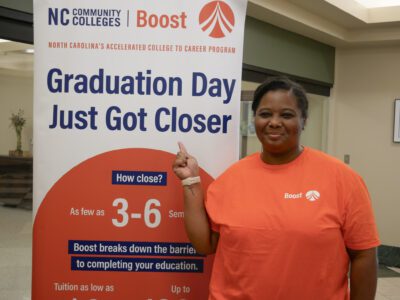
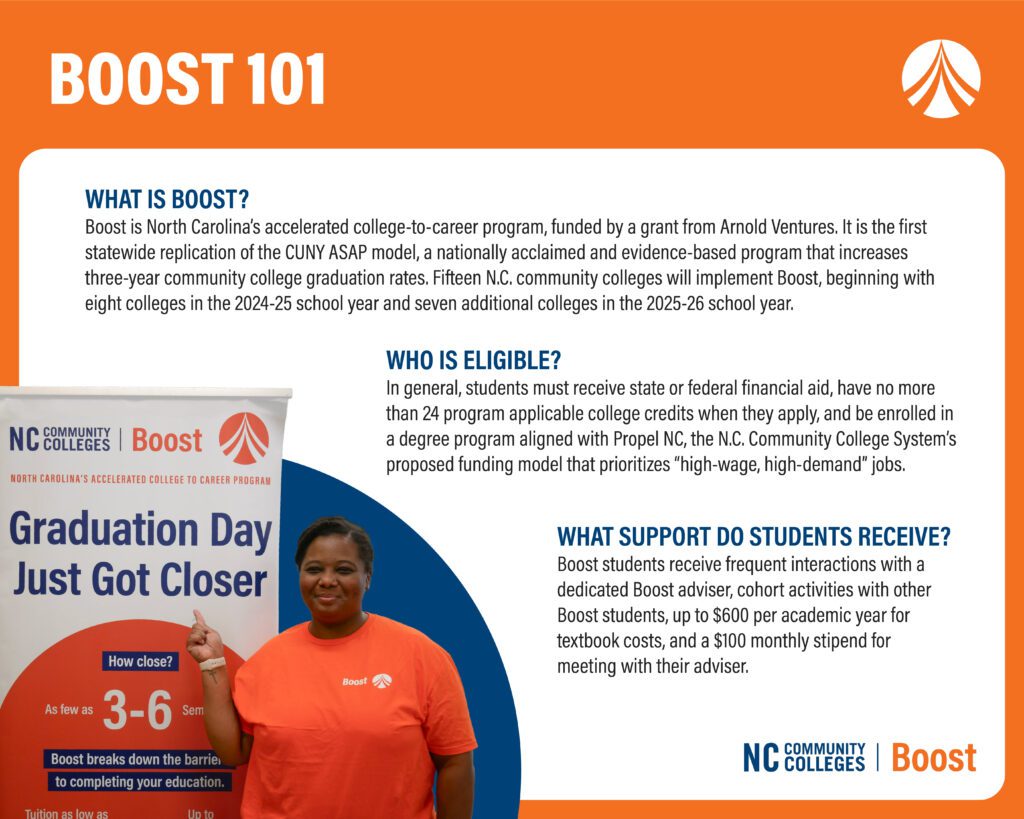
Caldwell Community College & Technical Institute (CCC&TI) and Cleveland Community College (CCC) are two of the eight community colleges that are part of the first cohort of Boost, North Carolina’s accelerated college-to-career program designed to increase completion rates and move students into high-wage, high-demand jobs by providing them with timely and relevant support, dedicated student advising, and financial incentives.
Each college in Boost is “expected to serve three cohorts of 150 students,” because a key part of the program is to maintain a 150:1 student-to-adviser ratio. The goal is also to keep students with the same adviser through graduation.
In this first cohort, there is one consortium — a group of two community colleges including CCC&TI and CCC — which is expected to serve a combined 200 students each year. The colleges share a Boost director, Nancy Risch, who has expertise in both academic advising and postsecondary partnerships.
Dr. Mark Poarch, president of CCC&TI, said it was Dr. Jason Hurst, president of CCC, who initially reached out to him about Boost. The colleges are similarly sized, each with just over 9,000 students in total enrollment for 2024-25, and they had previously partnered on the high-demand, high-cost medical sonography program — a CCC&TI program offered on the CCC campus.
“It was a natural fit,” said Poarch.
Dr. Dena Holman, CCC&TI’s vice president of student services and the Boost lead, said she has a good working relationship with her peer at CCC, Dr. Andy Gardner. “We’re just moving in a good direction,” she said.
Caldwell Community College & Technical Institute
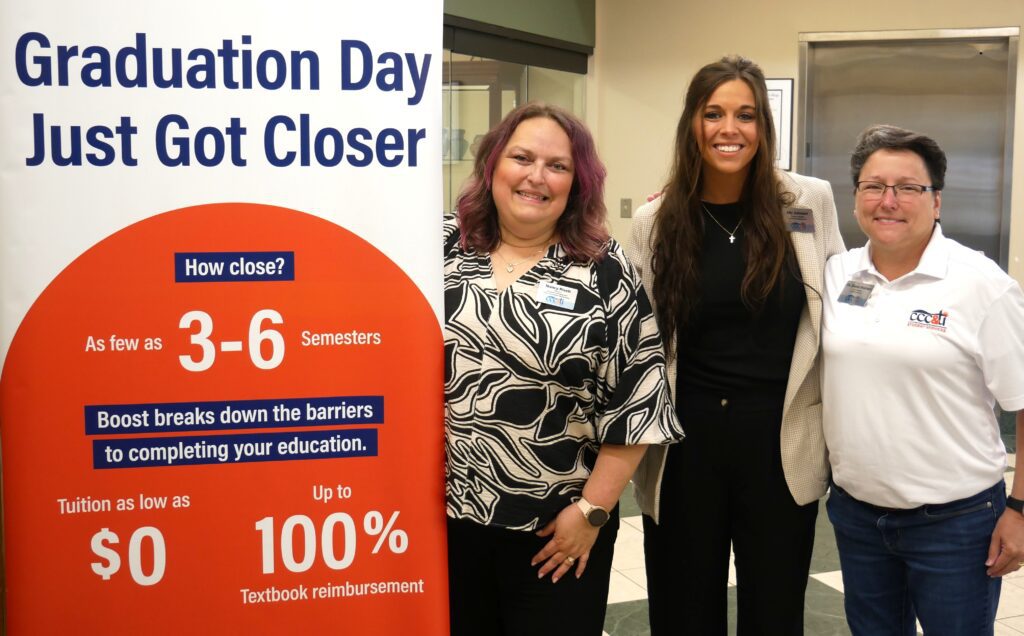
“We’re excited to be a Boost college,” Poarch said. “Our team has been working hard to recruit students, get them enrolled, and convince them it’s not too good to be true.”
The Boost team at CCC&TI includes Holman, Risch, and Ally Johnson, the Boost adviser.
Poarch said Boost is a key part of the college’s strategy to accelerate on-time completion rates and attainment of industry-recognized credentials. He also sees Boost as closely connected to other campus initiatives, including NC Reconnect, which focuses on adult learners, and RISE Caldwell-Watauga, a new initiative focused on expanding access to work-based learning.
“We’re facing a lot of challenges in rural areas North Carolina,” said Poarch. From affording child care to housing, access to better jobs is important for the students Poarch serves.
“People don’t want to spend three years getting a two-year degree or four years getting a two-year degree,” he said. “So how do we get them through the process quicker? How do we get them into the workforce quicker and have them as contributing members of our communities?”
With NC Community Colleges’ Boost, you can get through school and be career-ready, fast.
— CCC&TI Boost webpage
For example, biopharmaceutical technology is the fastest-growing sector in the county with about 1,000 employees, said Poarch.
Exela Pharma Sciences, the largest of the local pharmaceutical employers, is an award-winning company with 400,000 square feet in Lenoir, including the corporate headquarters, manufacturing, and labs.
CCC&TI offers a comprehensive biotechnology curriculum “designed to prepare individuals for employment in pharmaceutical manufacturing and related industries,” featuring hands-on learning in a state-of-the-art cleanroom, fill line, and lab. It cost about $1.5 million for CCC&TI to build this program.
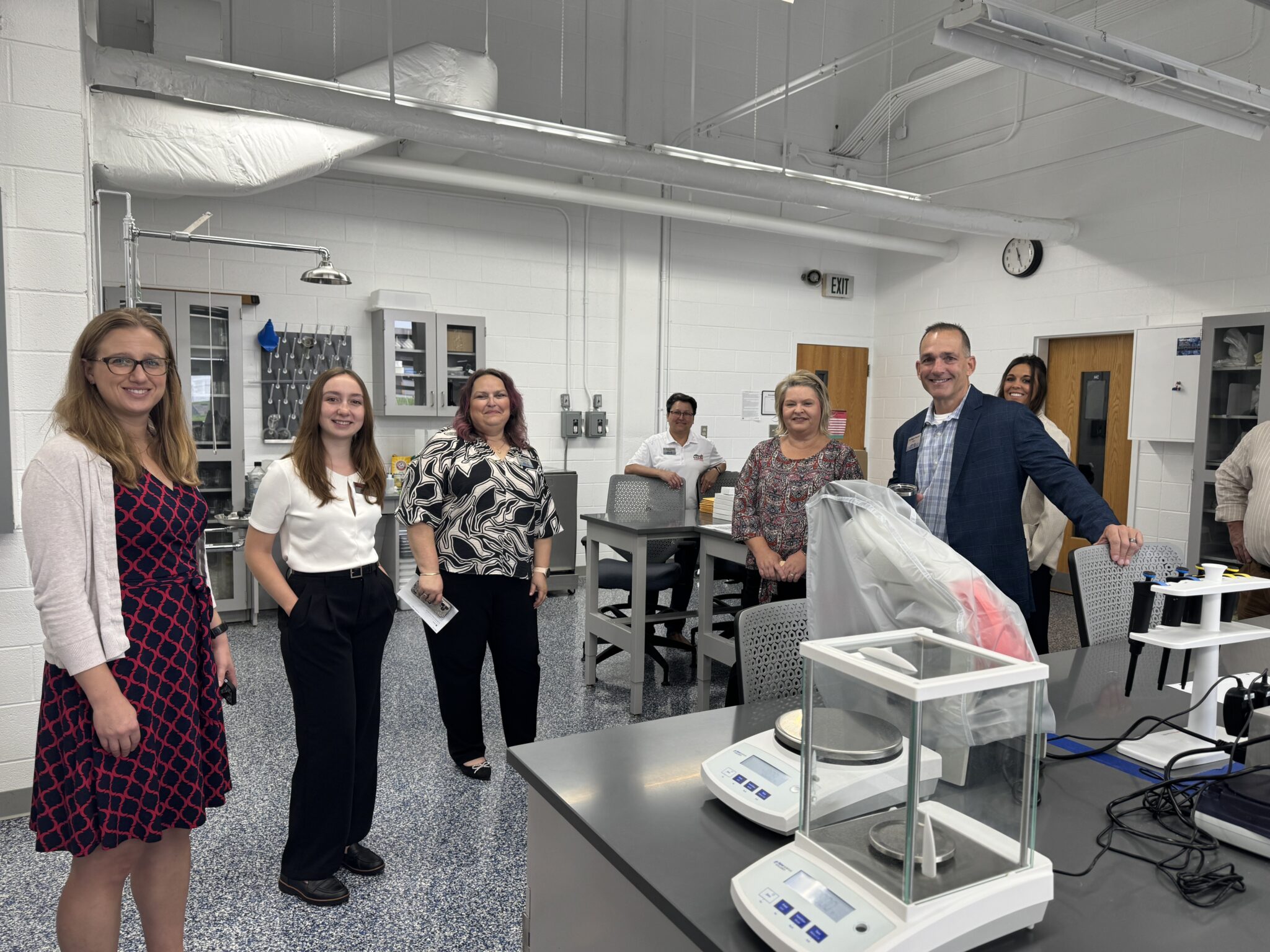

An active advisory board comprised of leading regional life-science companies supports the college, the college has outreach navigators to educate the community about this career, and Andrew Capps, the biopharmaceutical technology director, previously worked at Baxter International, a global medical technology leader with a facility in North Cove.
Johnson has been recruiting students for this program as early as middle and high school through a summer camp for ages 11 and up. “We get them early,” she said.
“People don’t know what pharmaceuticals is or biotech is,” said Poarch. “It’s going to take a little bit of time to realize they can get this job making this much money. They pay well.”
It is a program with regional impact beyond the two counties served by the community college — Caldwell and Watauga — because it is the only program of its kind at a western North Carolina community college.
Biopharmaceutical technology is just one of more than 20 degree programs available to Boost students at CCC&TI, all of which align with Propel NC, the N.C. Community College System’s (NCCCS) proposed funding model that “prioritizes connecting students to high-wage, high-demand jobs.”
There is momentum for Boost on campus and with students, said Holman, who thinks the college will exceed their enrollment goal. “The first paycheck that goes out,” she said, is “going to make believers out of people.”
Holman added that she believes Boost will “move the needle” on student success — she expects to see more graduates, a higher on-time completion rate, and a faster time to degree completion for CCC&TI students.
Learn more about Boost at CCC&TI here.


Cleveland Community College
“This was a no-brainer for us,” Hurst said of joining Boost.
Gardner agrees: “Why would we skip this opportunity to provide the cohort of students an opportunity to increase their completion rates?”
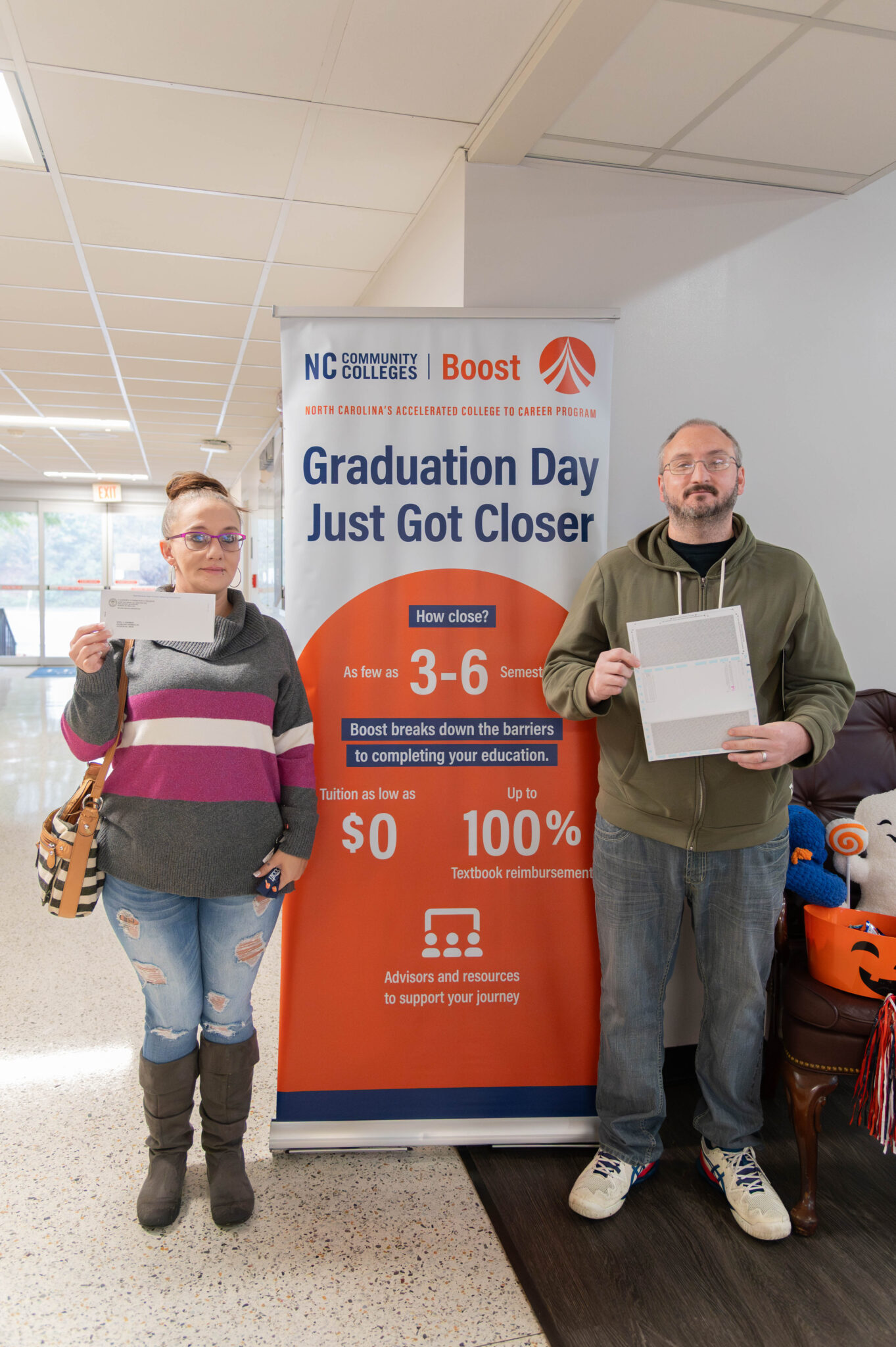
The Boost team at CCC includes Risch, Gardner, Dr. Emily Hurdt, dean of enrollment, and Emma Lail, the Boost adviser.
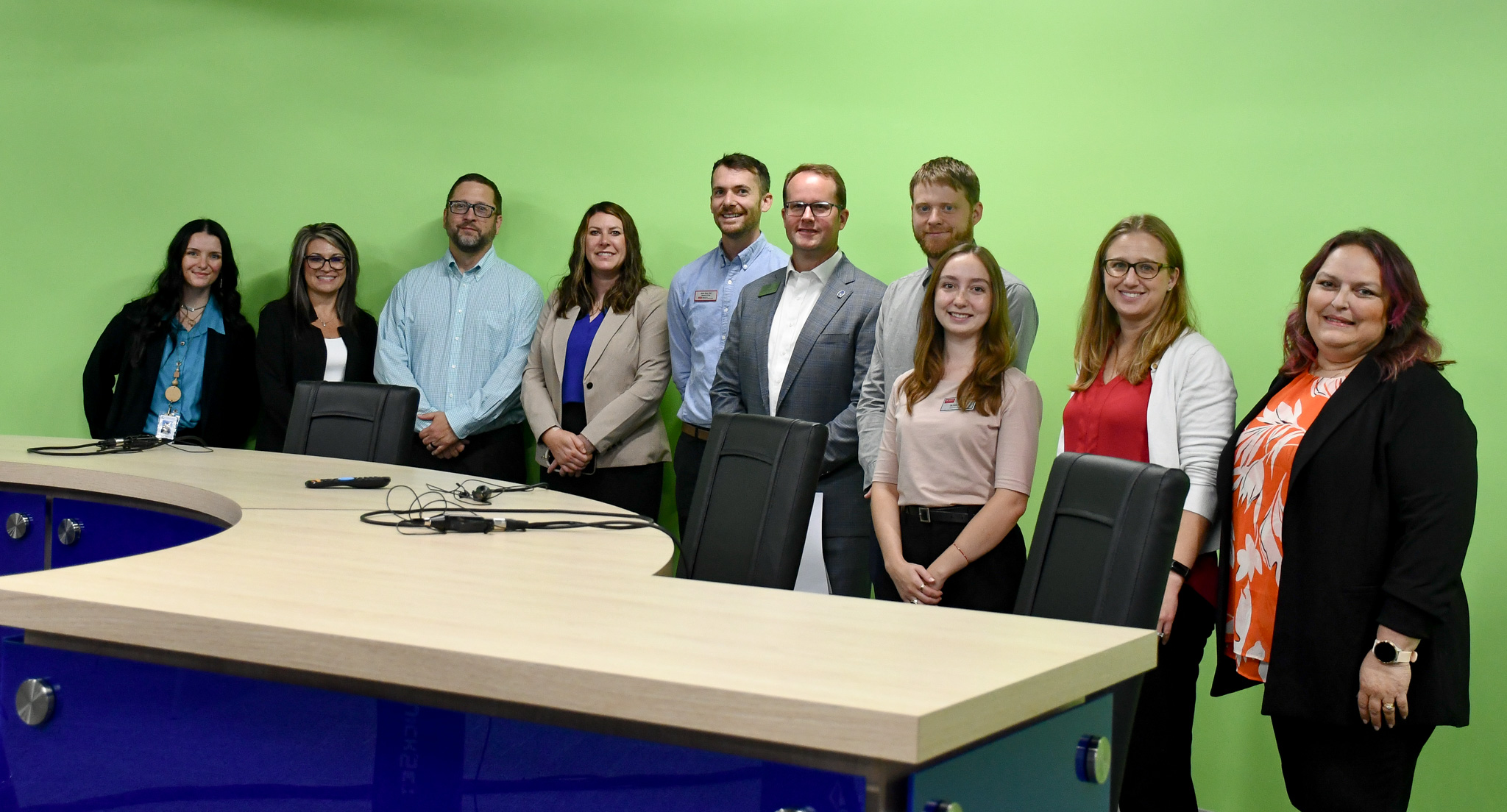
These leaders expect Boost to play a big part in helping the college improve retention and completion rates, enroll students in hard-to-fill programs, and help individuals stay local and secure high-paying jobs that offer greater economic mobility.
Hurdt thinks Boost’s advising model, which includes lower student caseloads for full-time advisers and more personalized and timely support, will serve as a catalyst for the college’s overall advising process in the future. Additionally, lessons learned from supporting Boost students will help the college think more strategically about how to provide wraparound supports for all students.
At CCC, non-Boost advisers have a caseload of no more than 350 students. While that’s lower than the national average of 441 students per adviser, the number is still far more than Boost’s ratio of 150:1.
Having more advisers with smaller caseloads is ideal, Hurdt said. They’re able to offer more accountability and can provide more individualized support to each student, guiding students academically and helping them address social and interpersonal challenges to keep them on-track for graduation.
Advising is one component of the model. Peer support is another. Boost students are required to participate in cohort activities, which range from group meals on campus to Student Government Association events, with the goal of developing college integration and belonging.
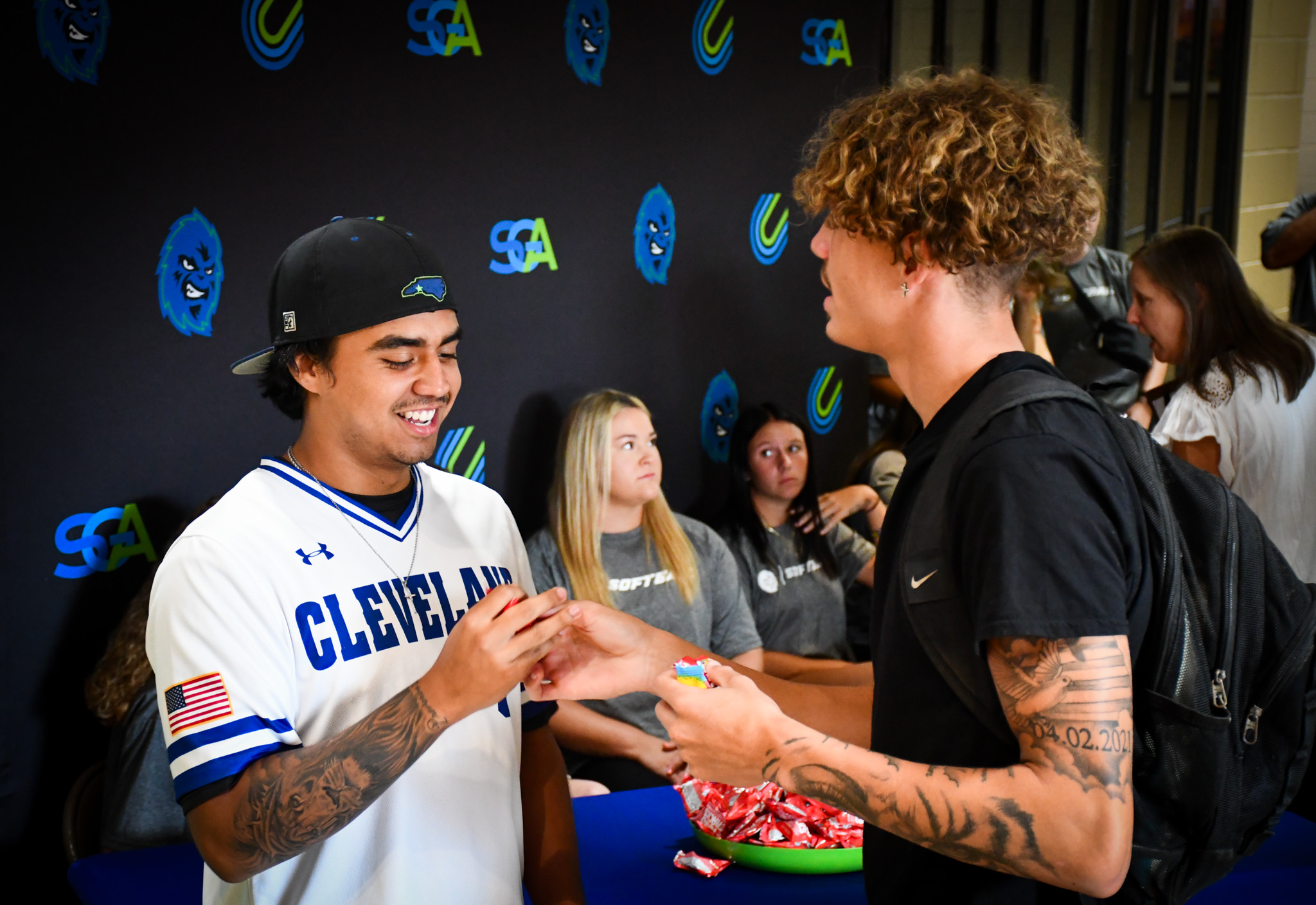
CCC is also encouraging Boost students to attend athletic events together. In 2019, the college launched its sports program, starting with men’s and women’s cross country and fastpitch softball, and soon added a baseball team. Now, CCC, along with its infamous Yeti mascot, supports nine different sports teams on campus. All students receive free admission to home games.
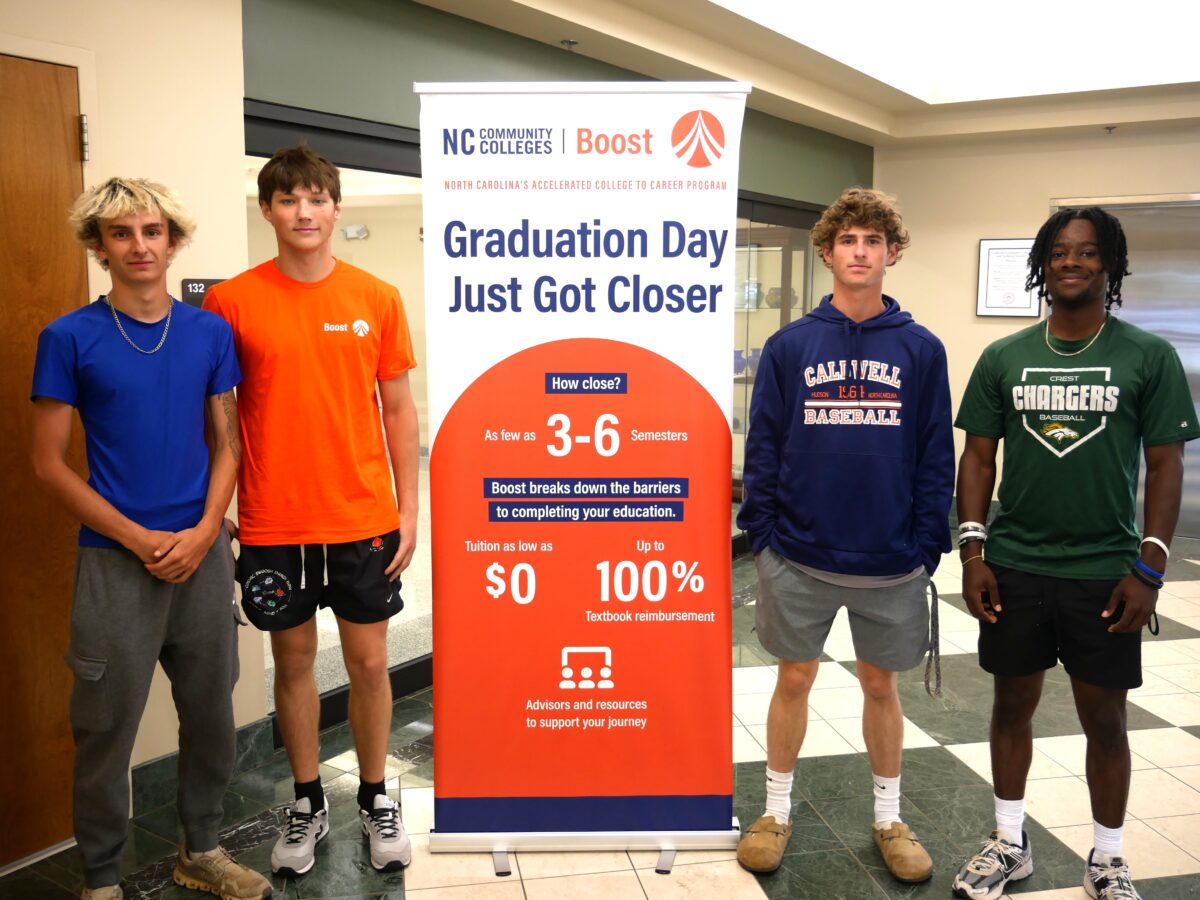
Boost leaders at CCC said that high-touch advising and peer support help ground students and encourage completion. However, the financial incentives may be most enticing to students at first. The Next NC scholarship covers tuition and fees for Boost students. They also receive up to $600 per academic year for textbook costs and a $100 monthly stipend for successfully meeting with their adviser.
For students at CCC, $100 could be the difference between being able to pay for internet or the power bill, Hurdt said.
In addition to meeting students’ needs, a core tenet of CCC’s mission is to drive local economic impact by serving as the “premier public education provider” for both students and local businesses.
We exist to support the companies that are in our community. Companies rely on us to provide that skilled workforce.
— Dr. Jason Hurst, president of Cleveland Community College
Nationally, the need for skilled health care professionals continues to grow. In North Carolina, health care employment is projected to add nearly 102,000 jobs between 2022 and 2032, far outpacing job creation in any other sector, according to the North Carolina Department of Commerce.
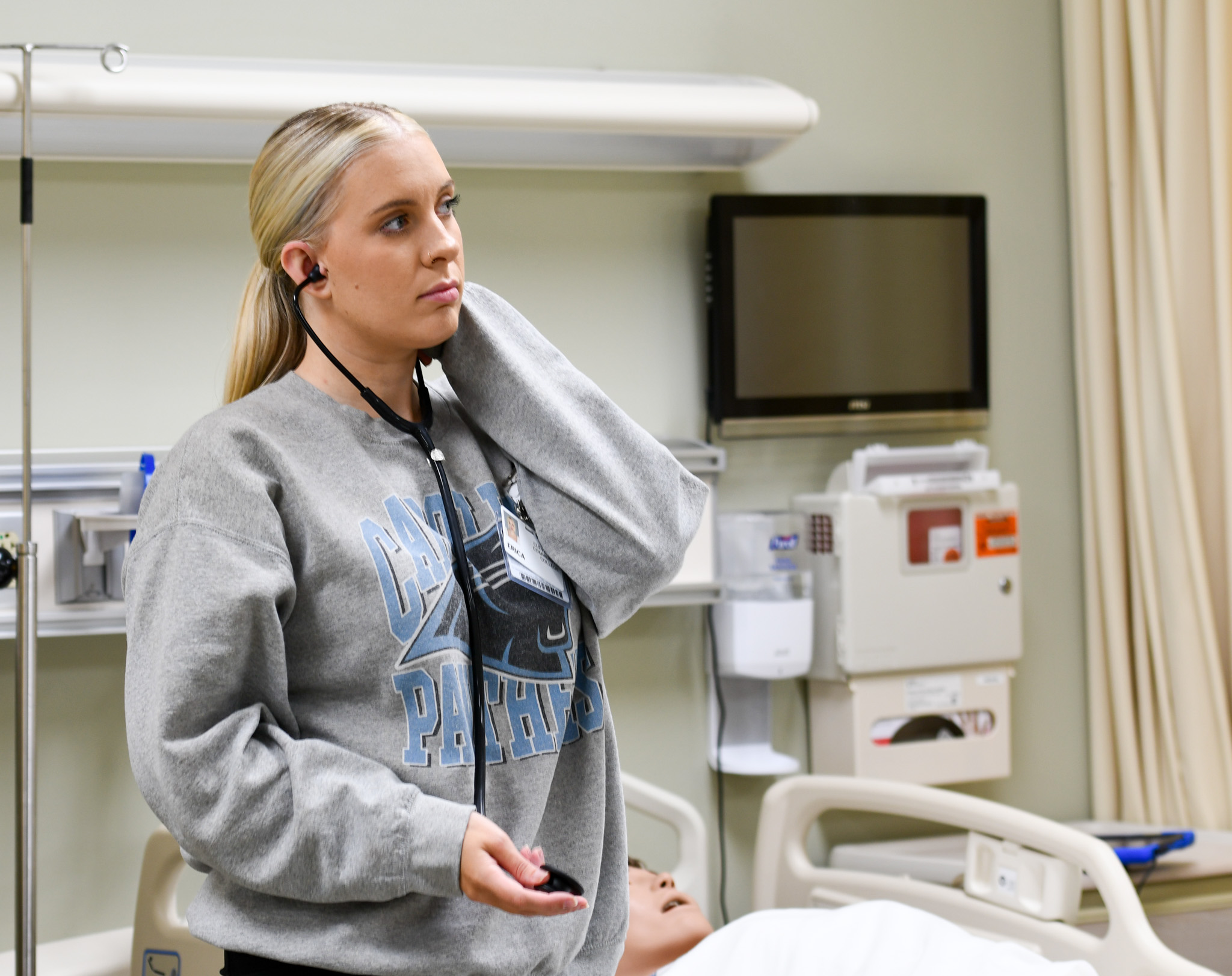
Included in that demand are nurses, radiographers, and surgical technologists — all eligible Boost programs at CCC.
It’s no secret that health sciences program are rigorous, requiring significant studying, challenging exams, and intensive clinical work. Because Boost helps incentivize students to stay in school full-time and offers additional supports, college leaders are hopeful that health sciences students, in particular, will feel more empowered throughout their academic journey.
Leaders at CCC also believe Boost can help the college enroll students in programs that have historically had low enrollment, helping to produce more graduates for in-demand jobs across local and regional industries.
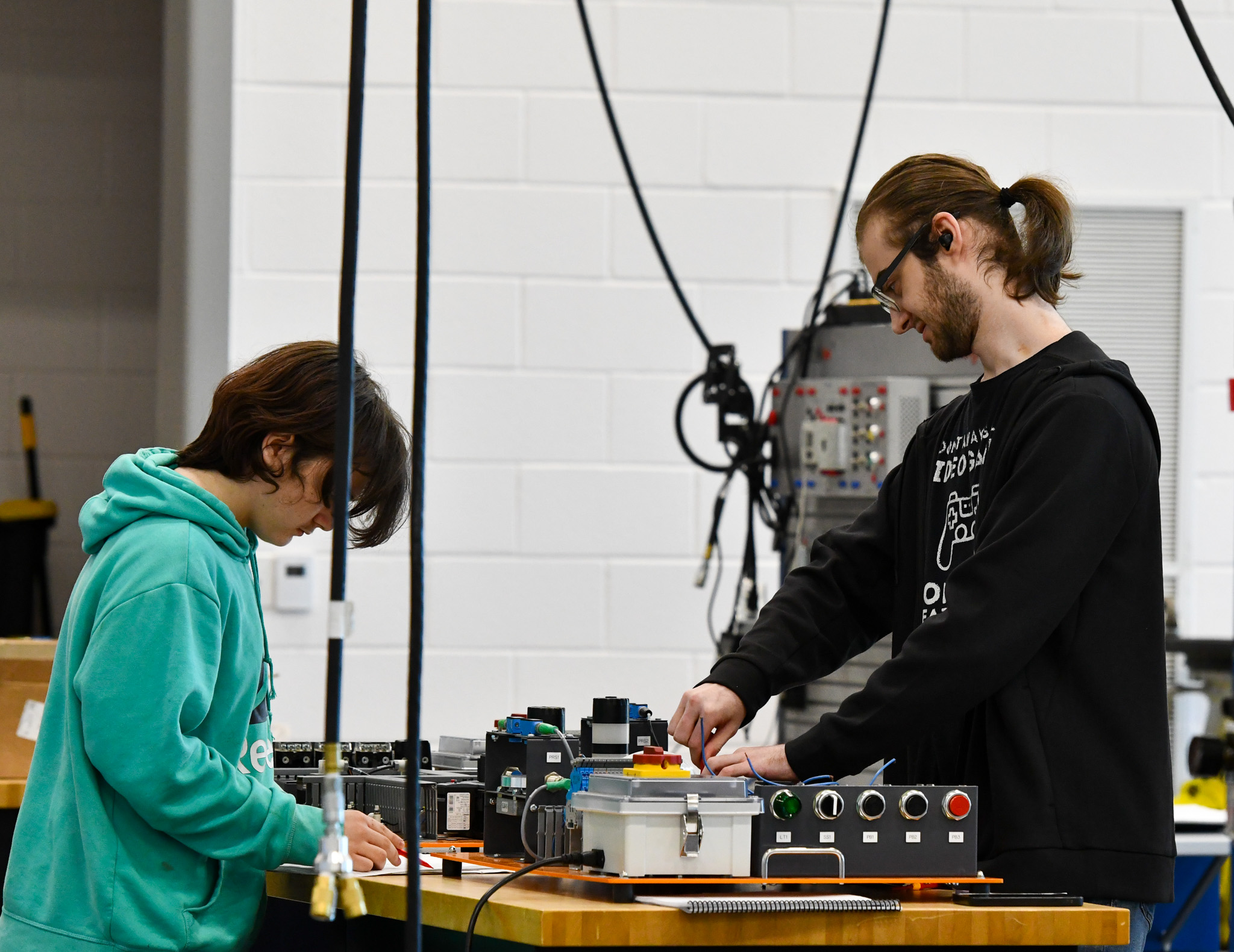
For CCC, some of those programs include automation engineering, electrical systems, and industrial systems technology. The technical skills learned in these programs, like repairing equipment and calibrating automated systems, are applicable for a wide range of industries and can lead to high-paying jobs locally.
Attracting students to these programs is challenging, Hurst said, mostly due to a lack of awareness about the programs or the high-demand, high-paying jobs they lead to. He’s hoping Boost can help address this issue.
Ultimately, CCC leaders believe Boost will be a win for the college, especially if they see greater retention and completion for Boost students compared to non-Boost students.
Learn more about Boost at Cleveland Community College here.

More Boost consortia are on the way in 2026
In fall 2026, seven more community colleges will join Boost, and six of them will be partnered in consortia, according to Nicole Ditillo, the Boost program director for the NCCCS. The western consortium will include Isothermal Community College (the lead college), Western Piedmont Community College, and McDowell Technical Community College, and it is expected to serve 150 students per year.
The eastern consortium will include Robeson Community College (the lead college), Sampson Community College, and Bladen Community College, and it is expected to serve 275 students per year.
Central Carolina Community College is the seventh college in the next cohort.
According to the NCCCS website, “a total of 4,995 students will be served by the program.”
Poarch and Hurst believe “partnerships matter,” so the consortium option of Boost made sense for them.
“Anytime we can partner with great people, especially for the benefit of our students,” said Liz Silvers, vice president at CCC&TI. “That’s why we wanted to do this program — it’s moving our students ahead.”
Each Boost consortium is led by one director. Risch, who is employed by CCC&TI, serves as the consortium director for both CCC&TI and CCC. Each college also has a dedicated Boost lead — Hurdt at CCC and Holman at CCC&TI — and a dedicated Boost adviser.
As the first Boost consortium, both colleges are continuing to iterate and refine their processes as Boost gains momentum.
Based on interviews with leaders at CCC&TI and CCC, here are several considerations for the next Boost consortia ahead of their fall 2026 launch:
- Implement a data-sharing agreement between colleges early on.
- Delineate the roles and responsibilities of the Boost director and Boost leads.
- Determine the types of reporting the Boost director versus the Boost leads will do.
- Determine how often the Boost director will visit the colleges in the consortium, including how many virtual meetings they’ll conduct with the Boost leads and advisers.
- Determine how often the Boost consortium director will communicate with advisers on other campuses.
- Ensure there is clear understanding of who will supervise the adviser on each college’s campus.
- When possible, share ideas and workshops between campuses, particularly if another school in the consortium does not have certain resources or services on its campus.
- Encourage Boost advisers in the consortium to communicate with each other, sharing ideas, networking, and troubleshooting.
- Ensure the Boost director has appropriate credentials, a workspace on each college campus, and any additional materials an employee would need to complete their work while on campus.
Both colleges agree the consortium has fostered a good working relationship. Being able to share resources, ideas, and to think strategically has been helpful in the launch of Boost.
“Instead of trying to do everything ourselves, we have two teams of people,” Risch said. “We have more of a pool to choose from and more resources to choose from.”
Eligible programs at CCC&TI currently
- Associate in Arts (AA)
- Associate in Arts
- Associate in Arts-Teacher Preparation
- Associate in Science (AS)
- Associate in Science
- Associate in Science-Teacher Preparation
- Associate in Applied Science (AAS)
- Automotive Systems Technology
- Biomedical Equipment Technology
- Biotechnology
- Computer-Integrated Machining
- Criminal Justice Technology
- Electrical Systems Technology
- Electronics Engineering Technology
- Emergency Management
- Emergency Medical Science-Bridging Option
- Industrial Systems Technology-Machining Processes
- Industrial Systems Technology-Mechatronics
- Information Technology-Computer Programming & Development
- Information Technology-Cybersecurity
- Information Technology-Networking
- Mechanical Engineering Technology
- Mechatronics Engineering Technology
- Medical Assisting
- Nuclear Medicine
- Social and Human Service-Mental Health
- Speech Language Pathology
- Welding Technology
Eligible programs at CCC currently
- Associate in Arts (AA)
- Associate in Arts
- Associate in Arts in Teacher Preparation
- Associate in Science (AS)
- Associate in Science
- Associate in Science in Teacher Preparation
- Associate in Applied Science (AAS)
- Air Conditioning, Heating and Refrigeration Technology
- Applied Animal Science Technology
- Automation Engineering Technology
- Criminal Justice Technology
- Electrical System Technology
- Emergency Medical Science
- Fire Protection Technology
- Industrial Systems Technology
- Information Technology – Network Technician
- Information Technology – Programming and Web Development
- Information Technology – Cyber Security
- Mission Critical Operations – Data Center Technician IT
- Mission Critical Operations – Data Center Technician OT
- Health Sciences *Starting Fall 2026, health sciences students must be accepted and enrolled in one of the degree programs listed below to be eligible for Boost.
- Associate Degree Nursing
- Medical Assisting
- Radiography
- Surgical Technology
Editor’s note: Arnold Ventures supports the work of EducationNC.

Recommended reading