Johnson C. Smith University: Where a gold(en) blueprint guides change

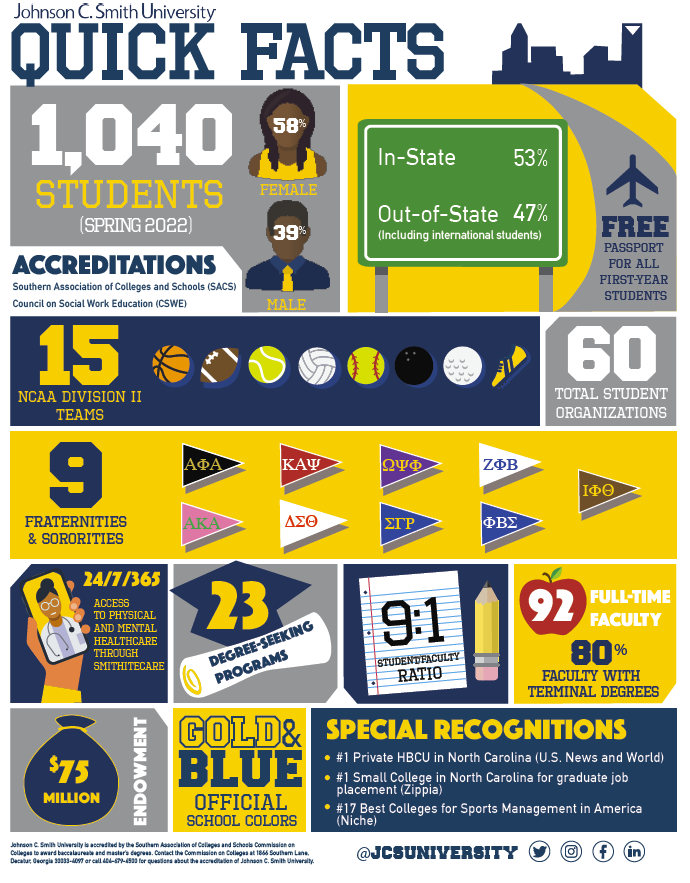
Johnson C. Smith University (JCSU) is “a private liberal arts university with proud HBCU traditions.” Founded in 1867 in Charlotte, today it serves 1,040 students with 23 degree-seeking programs.
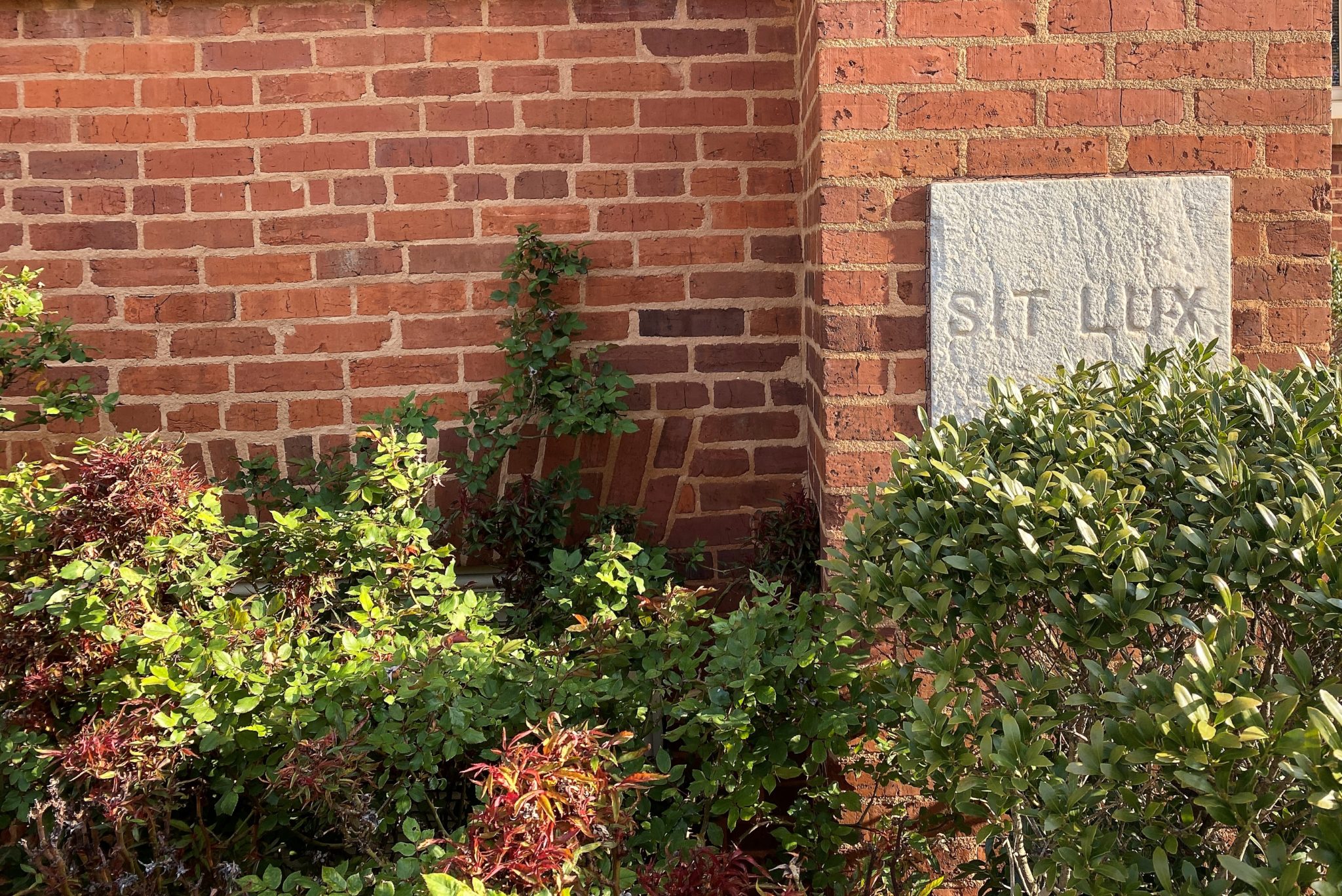
The university motto is “Sit Lux” or “let there be light,” and a new strategic plan — called the gold(en) blueprint — is lighting the way for the university. The four pillars of the plan include academic innovation, strong professional outcomes, seamless pathways for students, and a cohesive retention strategy.
The place
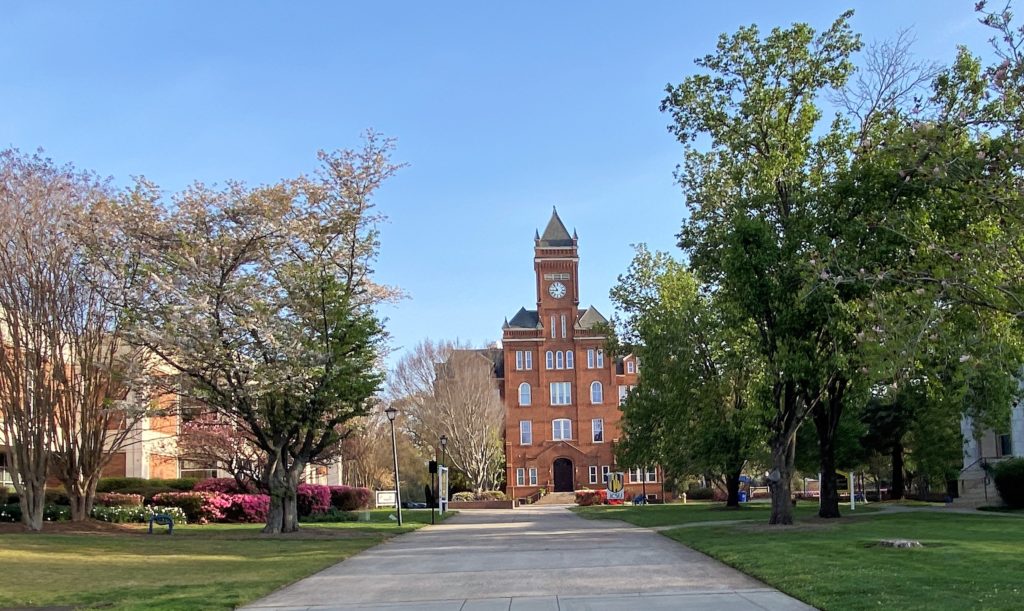
Located on one of the highest points in Charlotte, in the historic West End, the people of this university are the “neighbors and citizens of the city of Charlotte.“

The people
Students and alumni of JCSU think of themselves as “Smithites.”
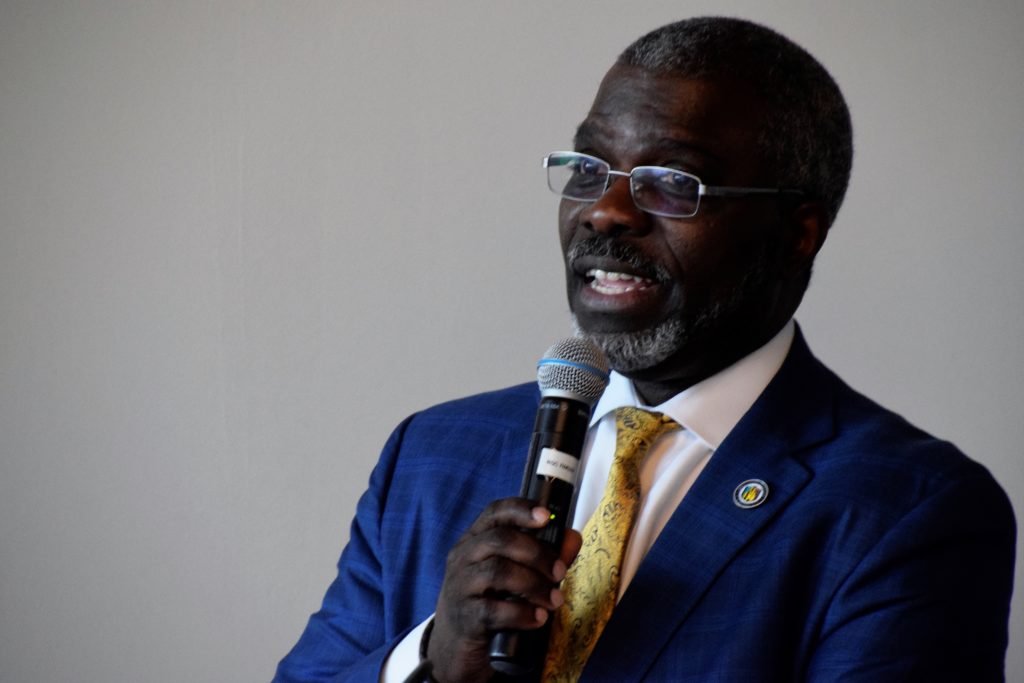
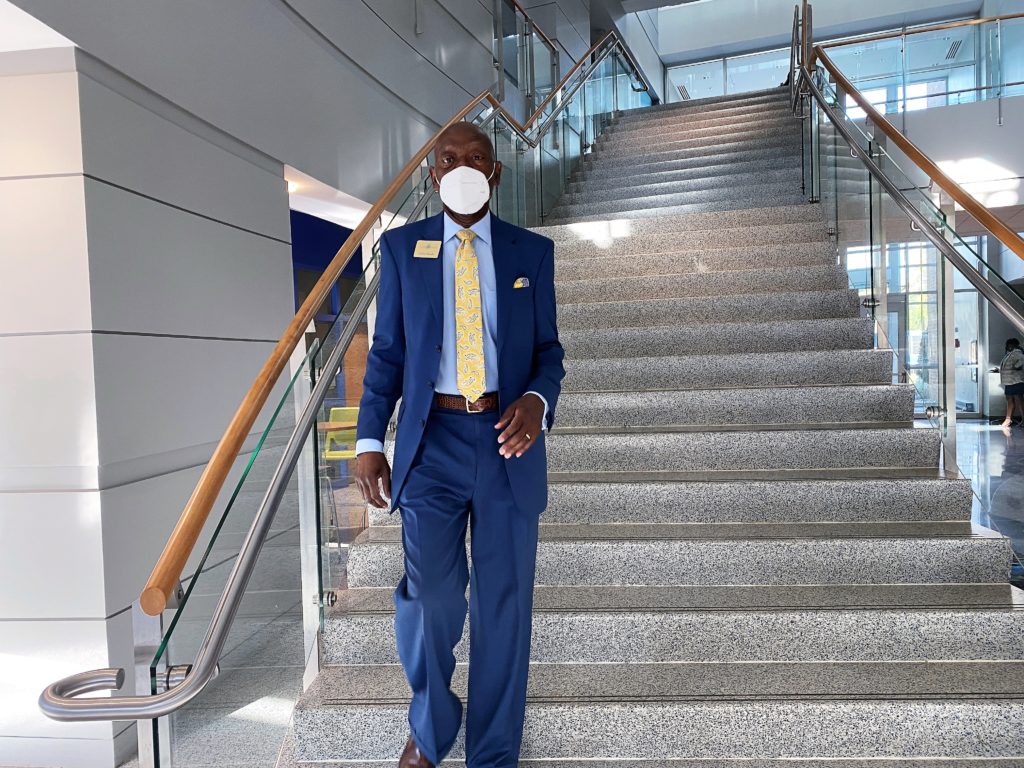
Clarence D. Armbrister is the 14th president of the university. He explains that the university and Charlotte are part of the “Metrolina” region, and he is working to “keep local talent here.”
“We want to make sure we are working together to have a well-educated and skilled workforce that is prepared to fill well-paying jobs,” Armbrister says. “It is up to educational institutions to ensure all citizens — all citizens — regardless of race, ethnicity, or culture are equipped with the education and skills needed to thrive in our growing economy.”
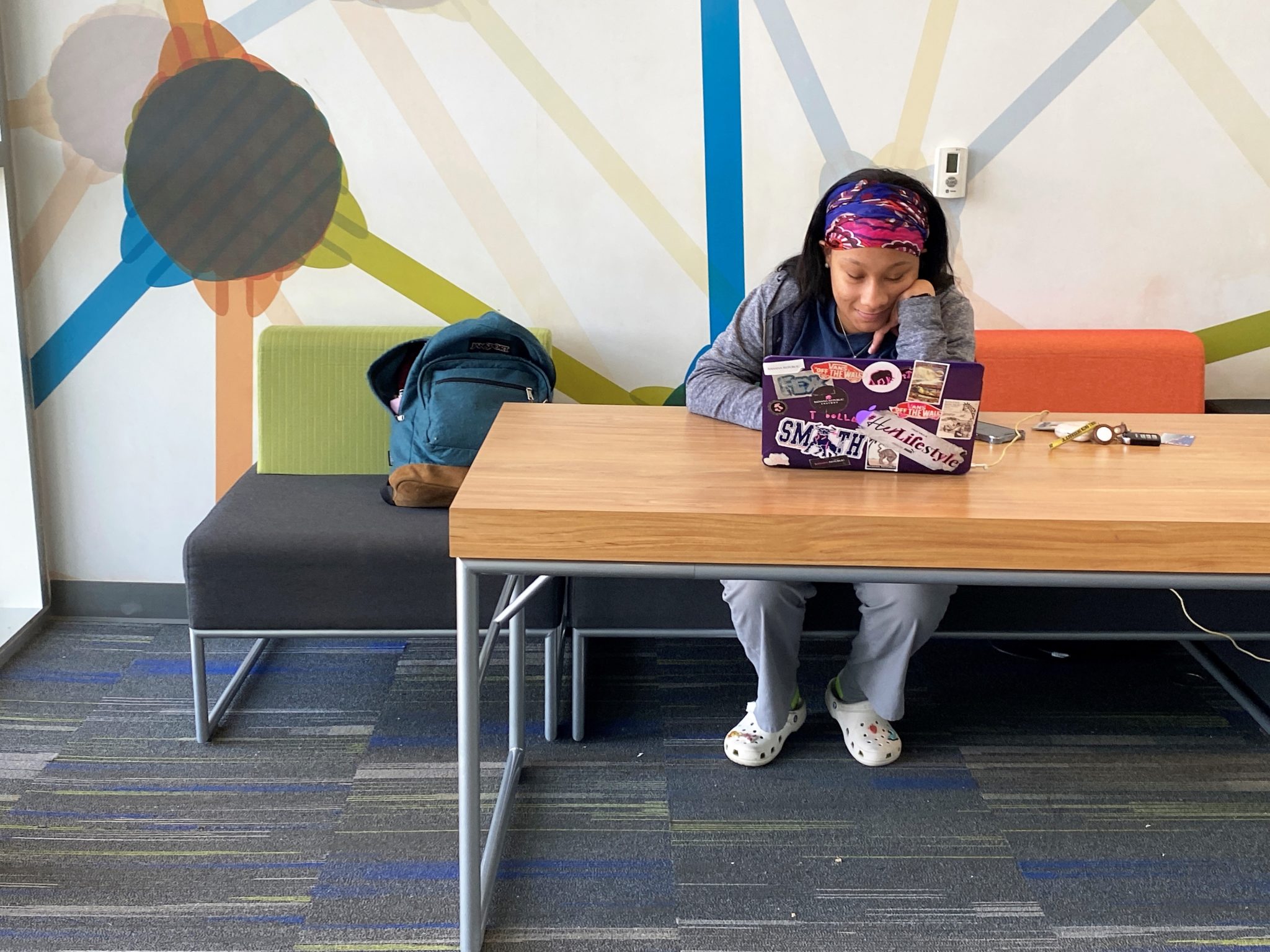
Meet Lauren Hines. A senior, she will graduate in May, and two weeks later she will start working on a master’s degree in social work at UNC-Charlotte. From Delaware, she heard about JCSU at a college fair, visited the campus, and fell in love with the city. Interested in public policy and systems, she wants to “bring about change.”

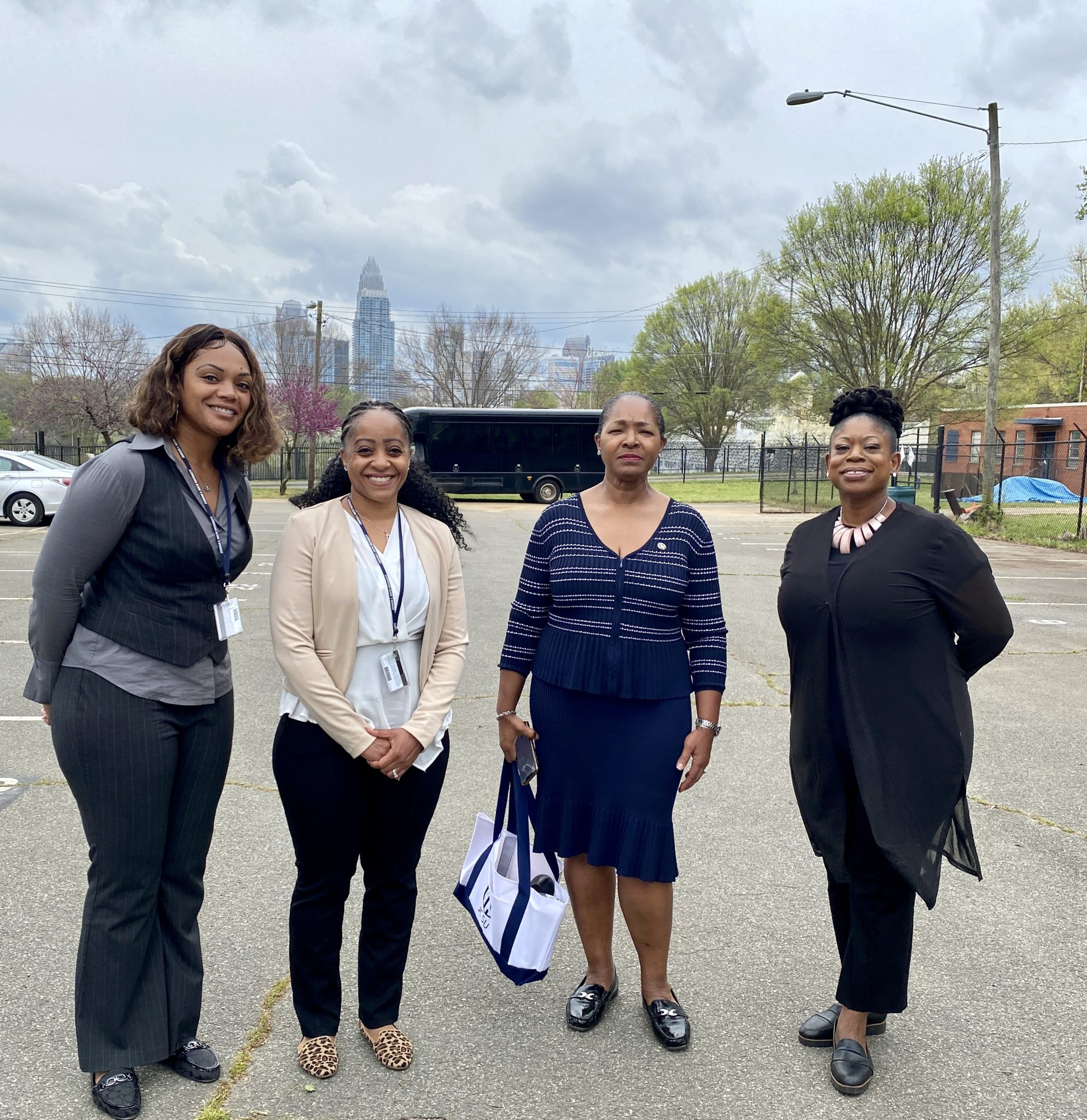
Calvin Banks came to JSCU sight unseen in 1965. Raised by his grandparents in Virginia, he was the first person in his family to go to college. He remembers his French teacher, a Smithite, saying, “Go. Please go. You’ll love it.” And love it he did. After working in corporations for 30 years, he returned to the university in 2004 and has served in a variety of development roles since then.
Banks sees himself in the students.
“We give them all the wrap-around services to help them get what they need, to get through this process, to get a degree, to get out in the world and better themselves and their families. And basically we’ve been doing that forever,” Banks says.
The past and the future
RCLM 37
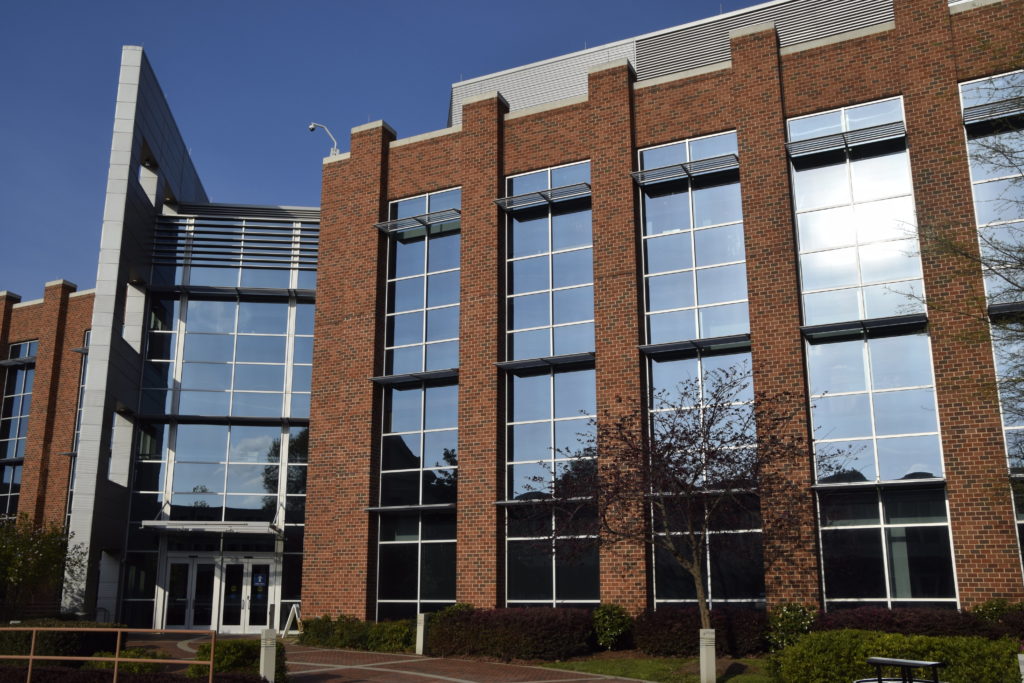
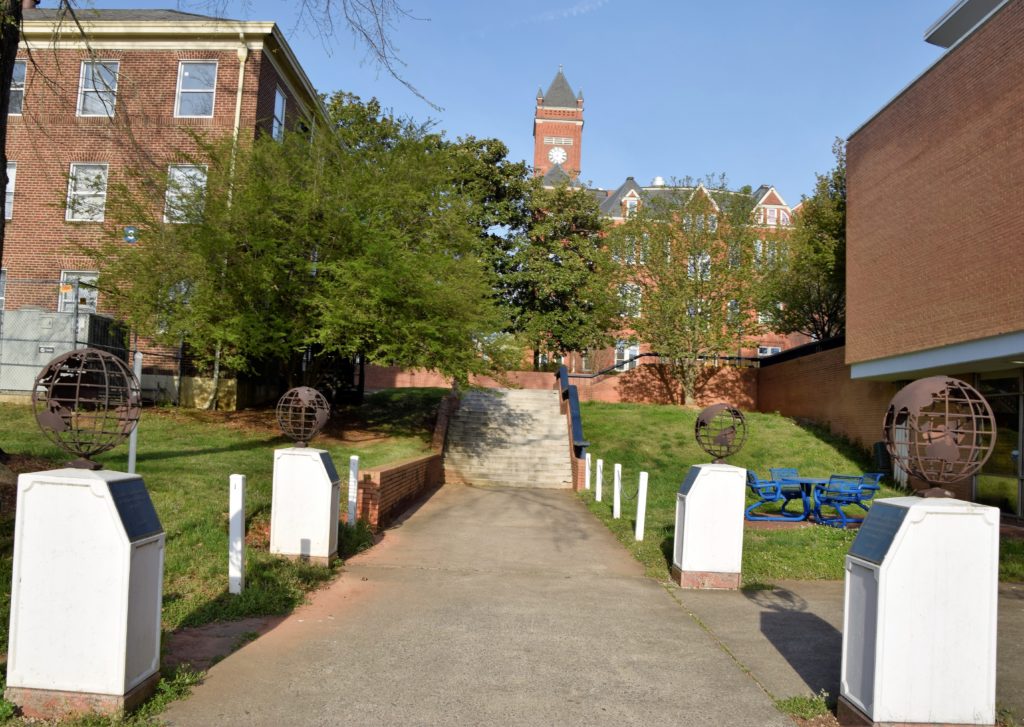
There is a beautiful outdoor experiential art exhibit next to JCSU’s new science center that tells the “story about how urban renewal displaced Black families, educators, professionals, domestic workers, and businesses who had lived and worked along the Beatties Ford Road Corridor.”
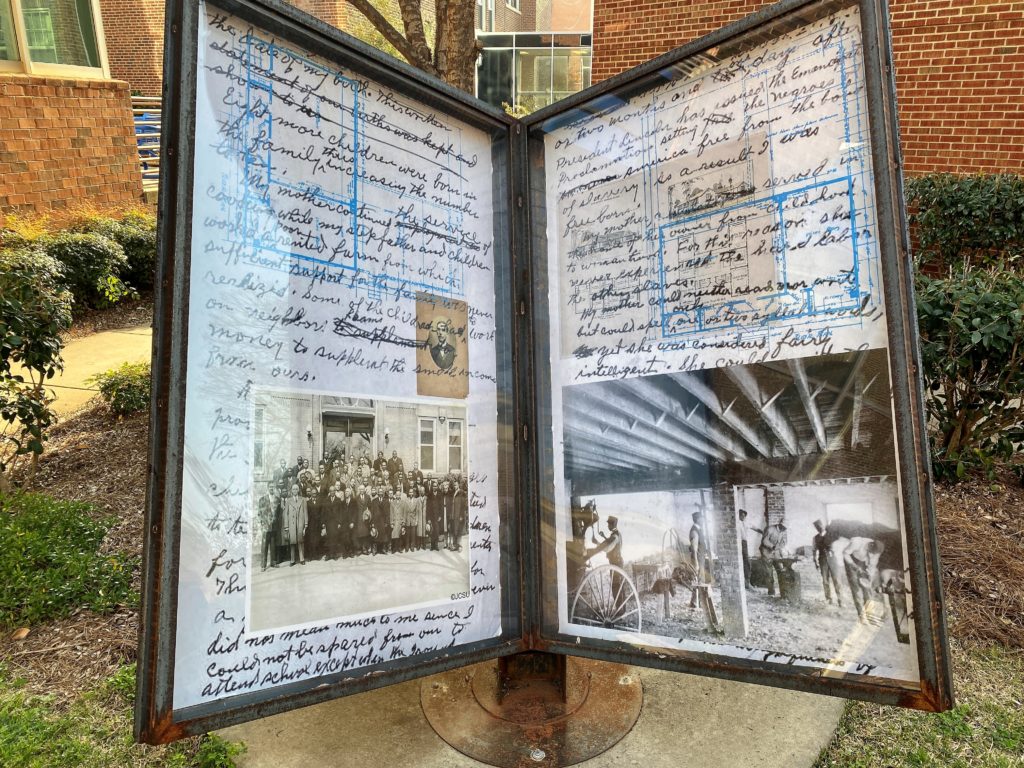
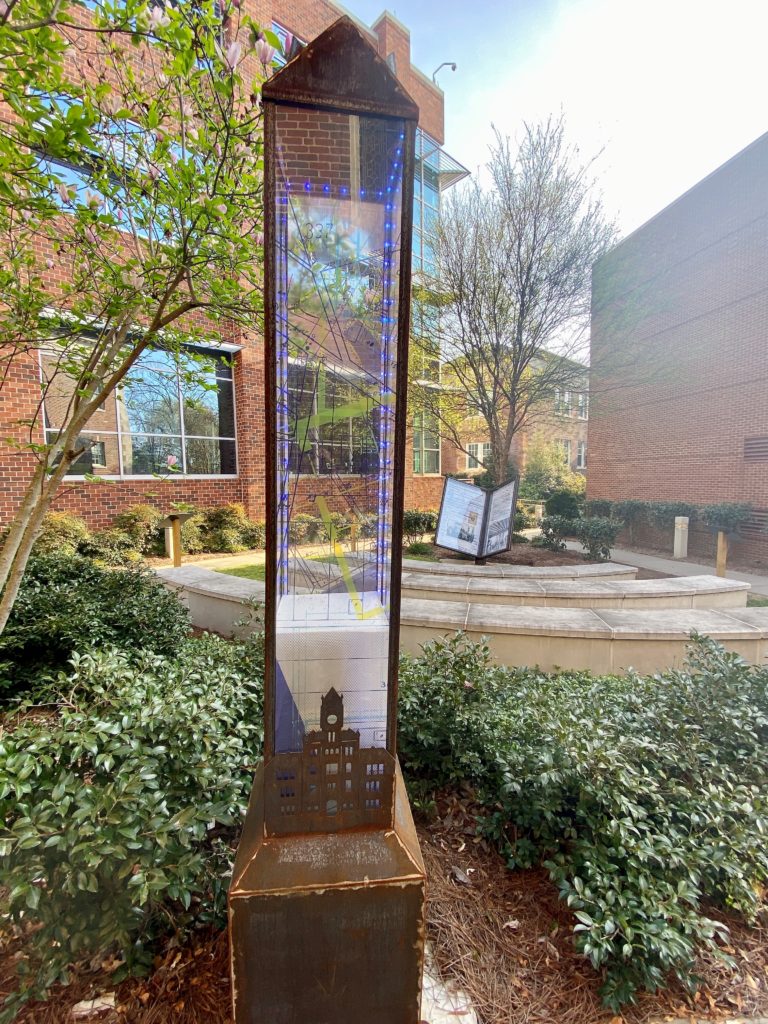
Why is the exhibit titled RCLM 37? “The significance of the exhibit title RCLM 37 refers to the Beatties Ford Road exit 37 off of Interstate 85. In the 1960s, the creation of the Interstate-277 expressway loop and the presence of I-85 split the Beatties Ford Road Corridor/Biddleville community and wiped out several homes, schools, and businesses.”
The sustainability village
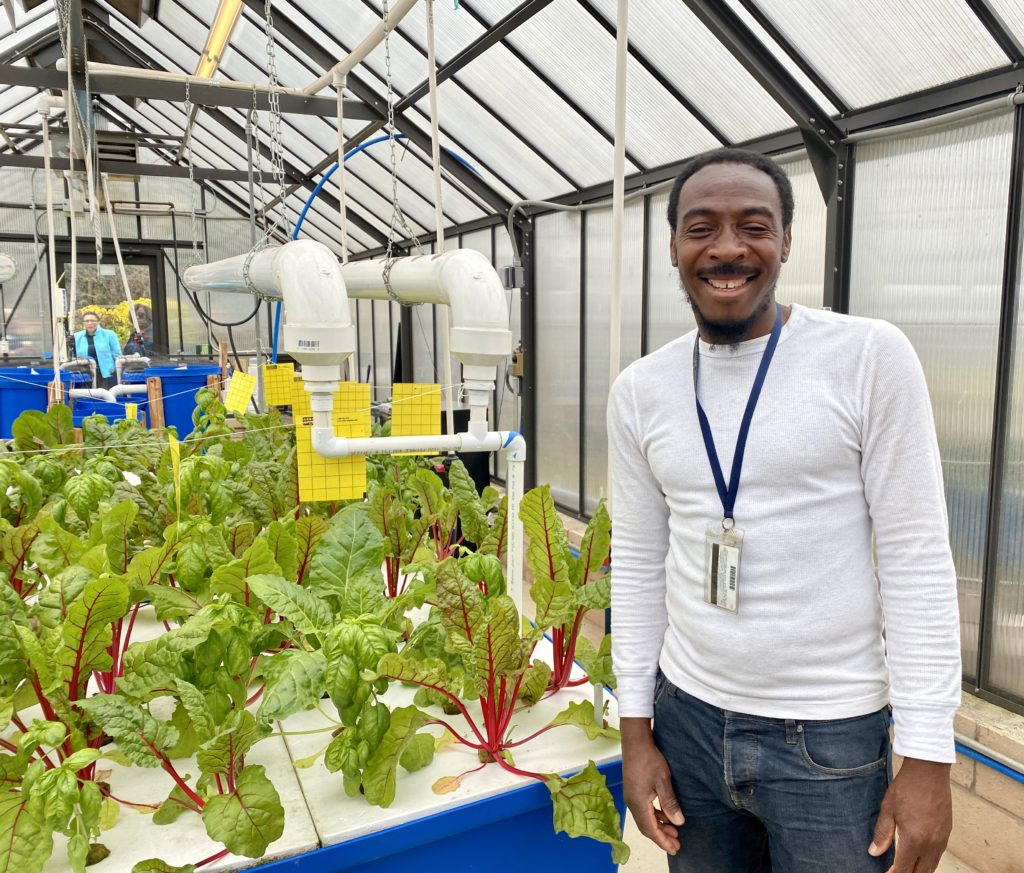
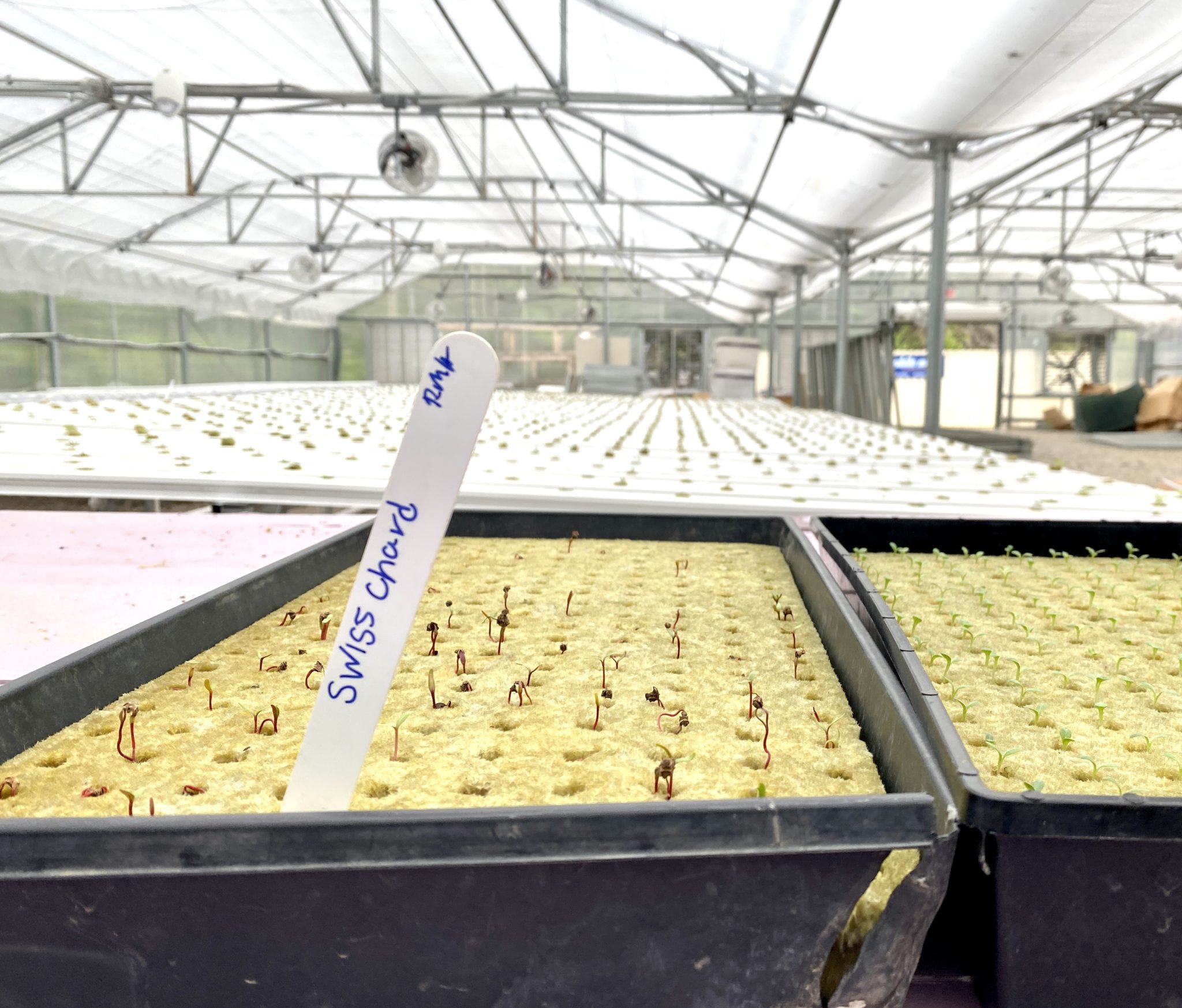
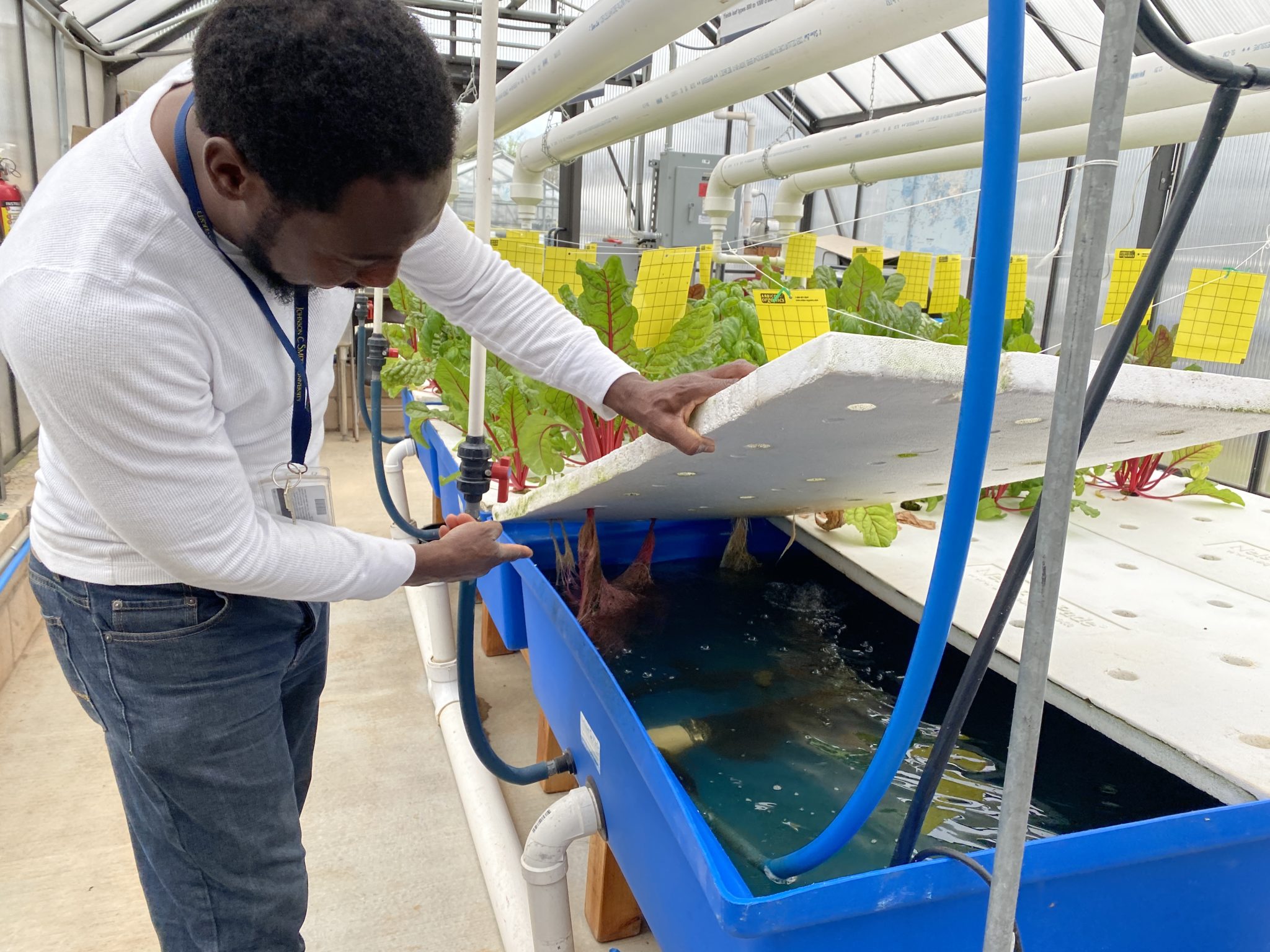
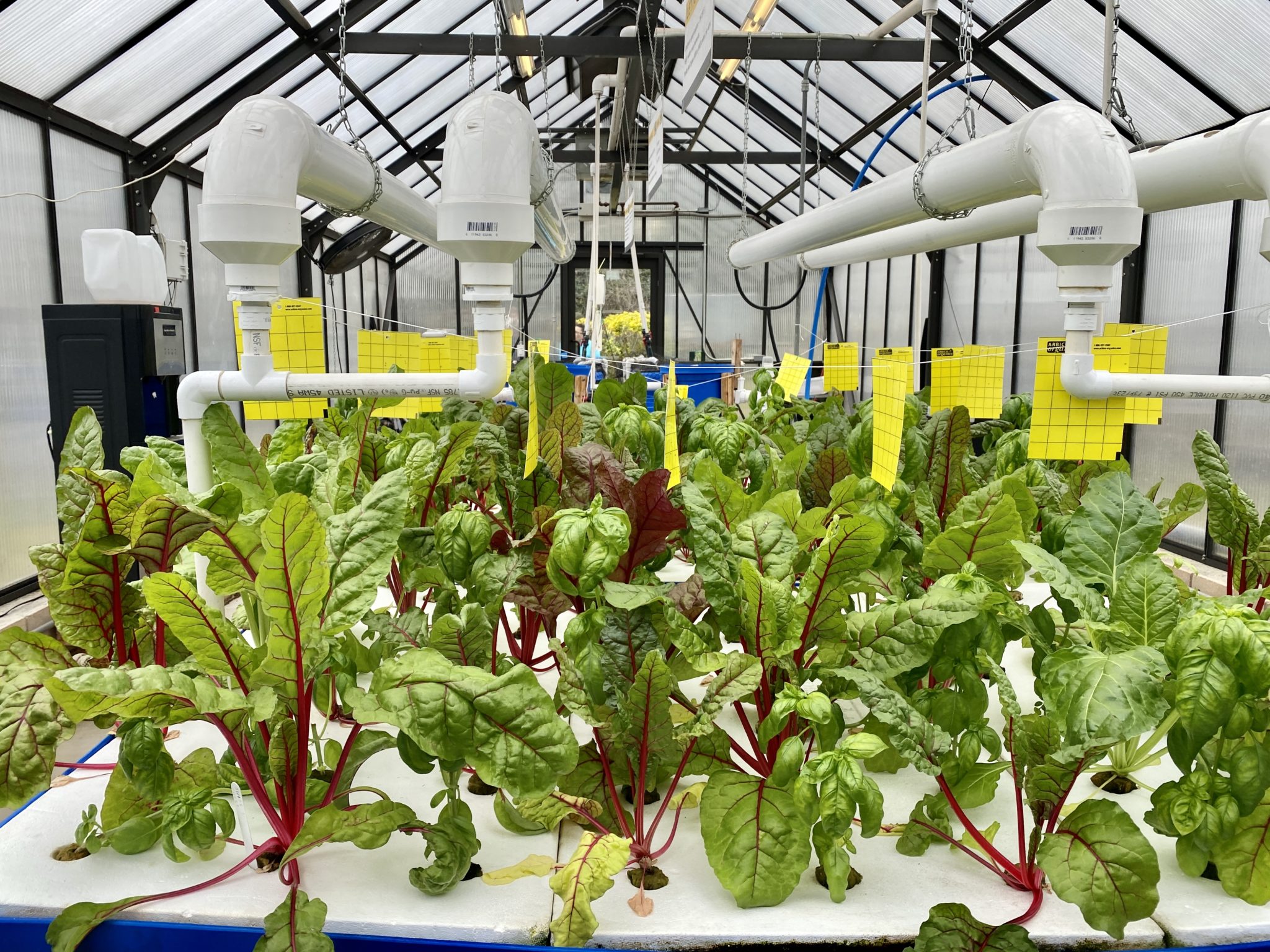
JCSU’s sustainability village is “an innovative living-learning prototype for students” featuring academic coursework, research, service-learning activities, and study abroad opportunities to learn about sustainable development and community food systems to promote conservation.
The JCSU promise
Armbrister highlights the importance of what he calls “the JCSU promise.” If you come here as a student, he says, the promise is when you leave here you will be able to think critically, communicate effectively, and work both independently and collaboratively.
Most importantly, he notes, students can demonstrate those competencies to employers.
Quick facts about Johnson C. Smith University