
Here are the five pillars of the Trump administration’s cross-agency approach to workforce development

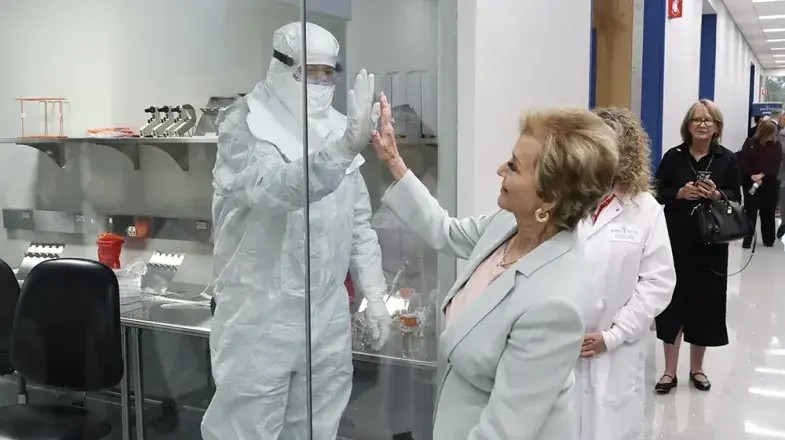
Yesterday, the Trump administration published a report, America’s Talent Strategy: Equipping American Workers for the Golden Age, which details the federal government’s cross-agency approach to workforce development.
The report was required by President Donald Trump’s executive order, “Prepare Americans for High-Paying Skilled Trade Jobs of the Future,” issued on April 23, 2025.
Promising access to new career pathways and innovative workforce-based programs, U.S. Secretary of Education Linda McMahon said the 27-page strategy will “reinvigorate industry-driven standards, cross-agency integrated systems, and skills-based education pipelines to support in-demand career development.”
 Sign up for Awake58, our newsletter on all things community college.
The U.S. Departments of Labor, Commerce, and Education released the report, which outlines strategies for preparing the workforce and powering economic growth.
Here is how the report describes the challenges the strategy is premised on:
Employers lack reliable talent pipelines to meet national economic goals.
Millions of Americans remain disconnected from high-wage career paths.
The workforce system is fragmented.
The workforce system lacks accountability.
AI is transforming work faster than the system can adapt.
— America’s Talent Strategy: Equipping American Workers for the Golden Age
“This strategy lays out a comprehensive plan to address the workforce needs of American companies, integrate existing workforce development systems to maximize efficiency and effectiveness, provide accountability for workforce training programs, upskill incumbent American workers, and develop alternatives to 4-year college degrees,” says the report.
Consisting of five pillars, according to a press release, the strategy’s goal is “to empower more Americans to access good-paying jobs, build pipelines of skilled talent for critical industries, prepare the workforce system for an AI-driven economy, and position the U.S. as the dominant global economic leader.”
Demand-Driven Strategies | “Expand proven work-based learning models like Registered Apprenticeships and align education programs to career pathways in priority industries to ensure direct connections to employer needs.”
Worker Mobility | “Bring more Americans into the labor force by identifying skills and credentials for in-demand jobs and connecting them with personalized support, including through AI-powered tools, to help them advance.”
Integrated Systems | “Streamline federal workforce development programs to empower states, unify access points to the system for workers and businesses, and advance the President’s proposal to Make America Skilled Again.”
Accountability | “Improve transparency and accountability for federally funded workforce programs by improving mechanisms for measuring success and redirecting funding to programs that are proven to connect Americans with good-paying jobs.”
Flexibility and Innovation | “Ensure the workforce is prepared to adapt quickly to an AI-driven economy by prioritizing AI literacy, creating new pathways to AI jobs, and fueling rapid reskilling and other innovation pilots.”
— The five pillars, U.S. Department of Labor press release
“We have developed a concrete plan to put the American Worker First,” said U.S. Secretary of Labor Lori Chavez-DeRemer. “Together, we will ensure our workforce is prepared to fill the hundreds of thousands of good-paying, in-demand jobs.”
McMahon is visiting all 50 states to hear from students, teachers, and school leaders about education models that are accelerating learning outcomes and are meeting the needs of families and local communities, according to this press release.
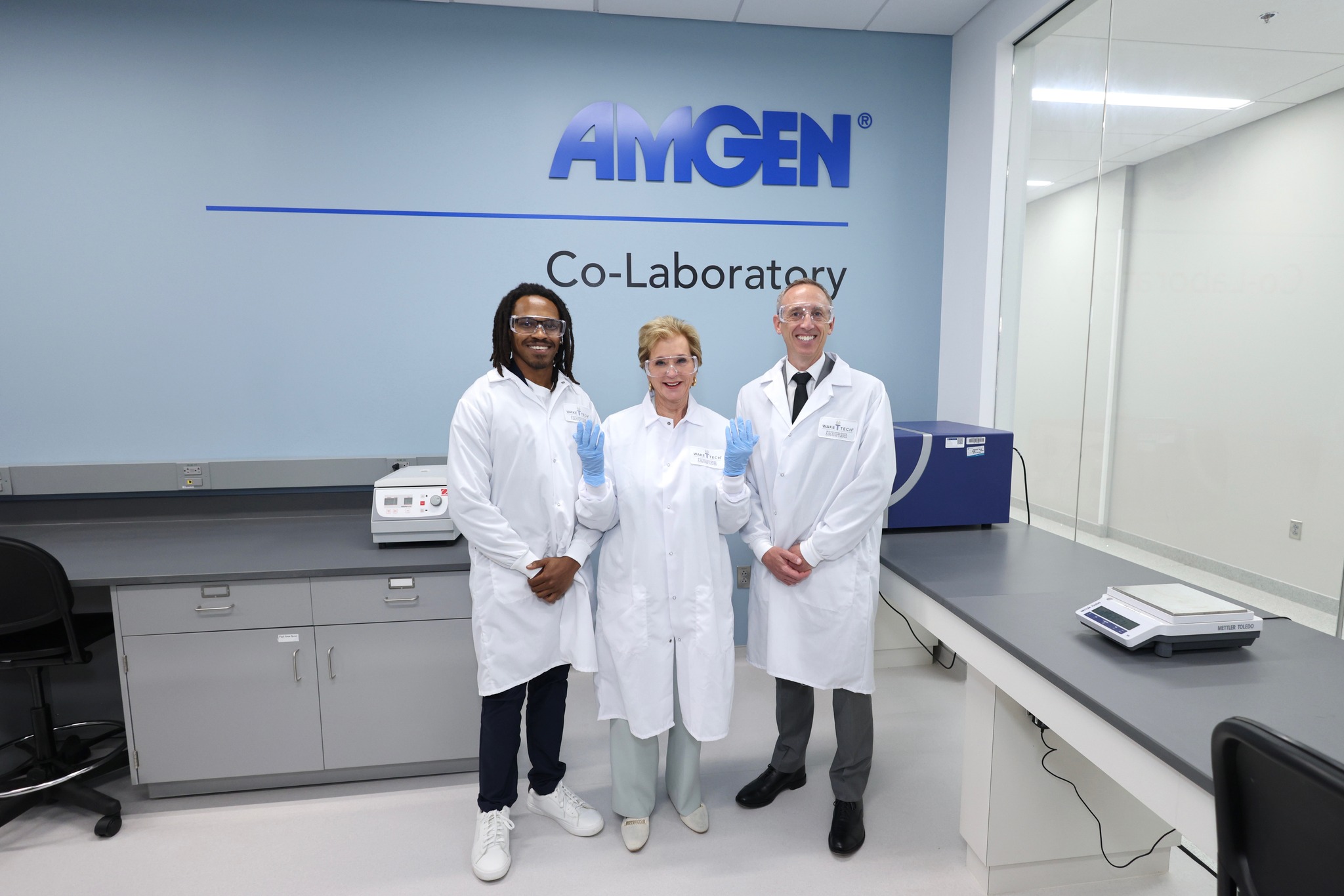
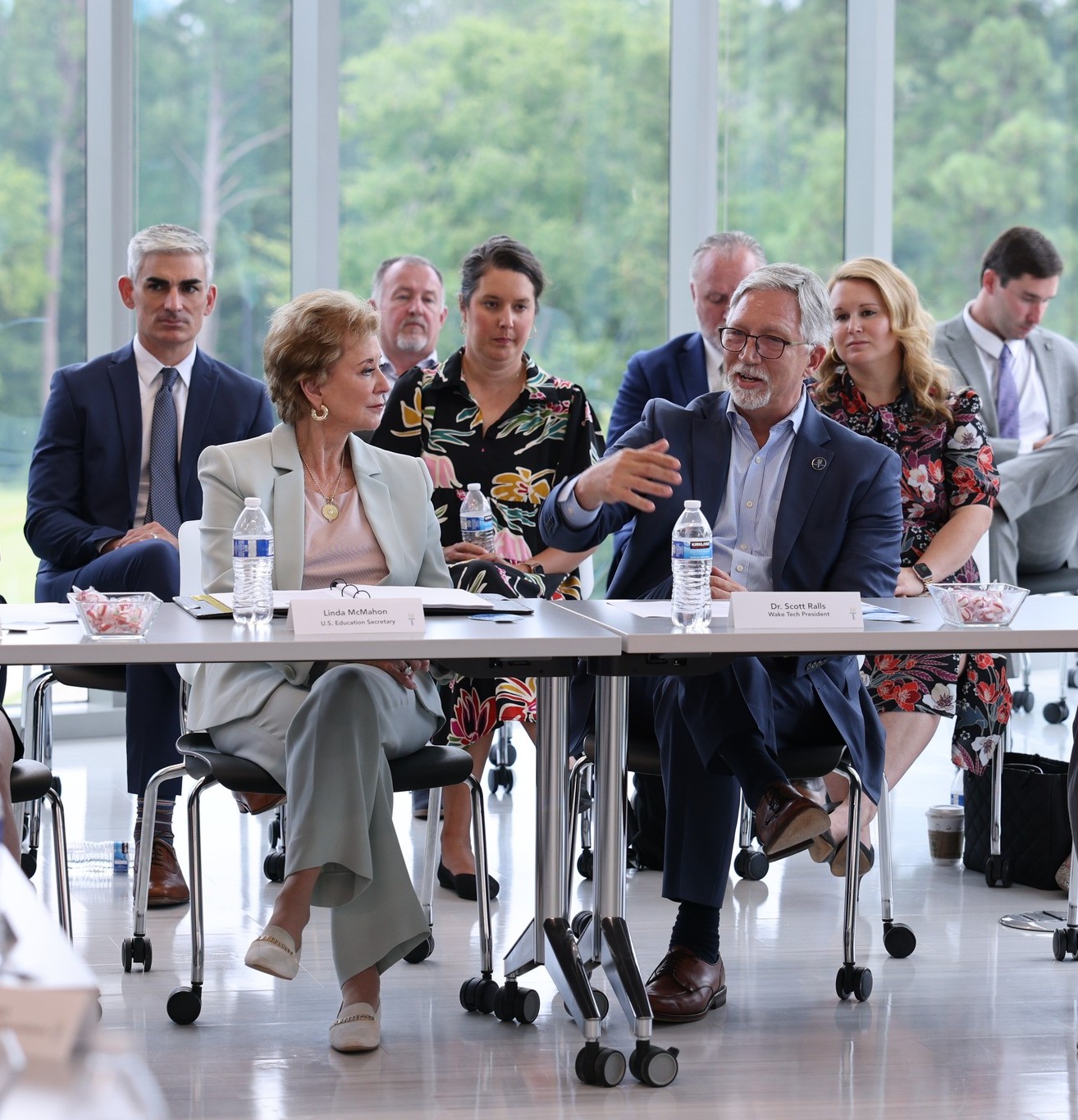
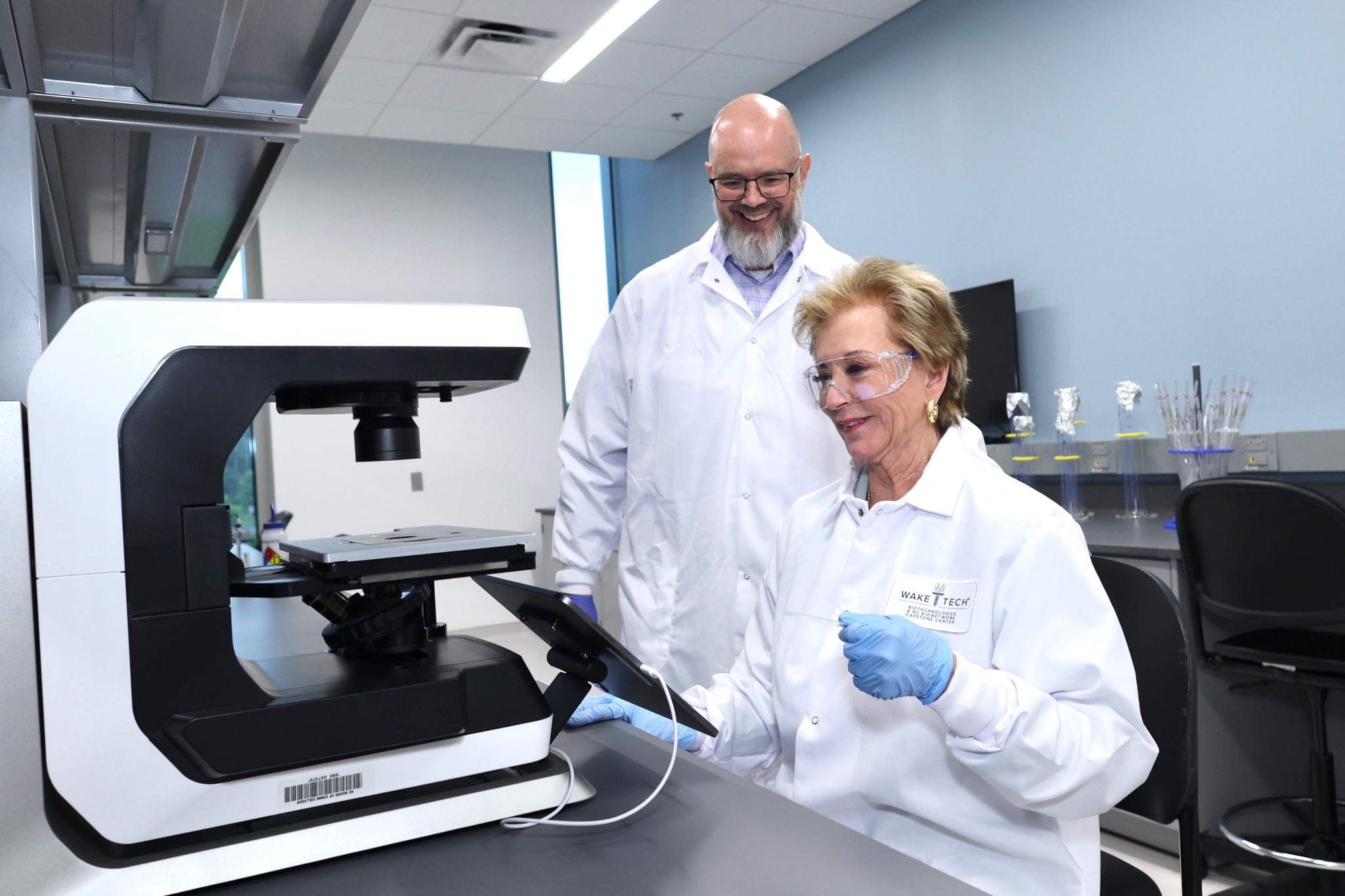
In June 2025, McMahon visited Wake Technical Community College to learn about the college’s apprenticeship programs, which are preparing skilled workers in traditional skilled trades and emerging biotechnology sectors, according to this press release. The community college currently has more than 500 students working as apprentices at one of more than 150 companies in the Research Triangle region.
“Wake Tech is helping meet the critical need for skilled workers in fields like manufacturing and biotechnology,” said McMahon. “I applaud North Carolina for its serious investment in workforce development programs like apprenticeships, (Career & Technical Education) and skills-based hiring.”
“For decades, America has relied on a ‘college-for-all’ model to prepare its workforce, but this approach has failed to meet the needs of both employers and workers,” says the report.
Scott Ralls, president of Wake Tech, said, “We’re a ‘through college’ to job opportunities, and we’re also an ‘and college.'”
“It’s not either-or. It’s not apprenticeship or college; it’s apprenticeship and college. And it’s not community college or university; it’s community college and university,” Ralls said.
Here is the full strategy.