Michael Luplow, executive director of FernLeaf Community Charter School (FernLeaf), leaned back in his office chair, reflecting on some of the unprecedented moments the school has experienced in its 10 years.
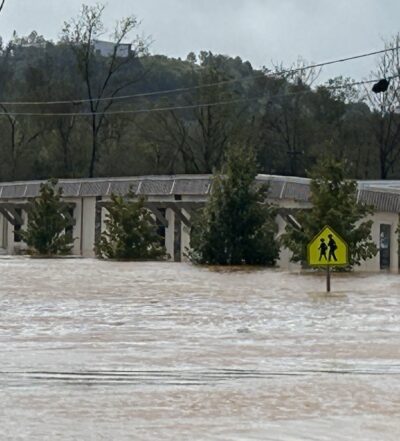
“I still remember being on the phone with one of our board members who was able to get over to the site while it was happening,” Luplow said. “The water was halfway up over the top of all three buildings and the currents were moving swiftly.”


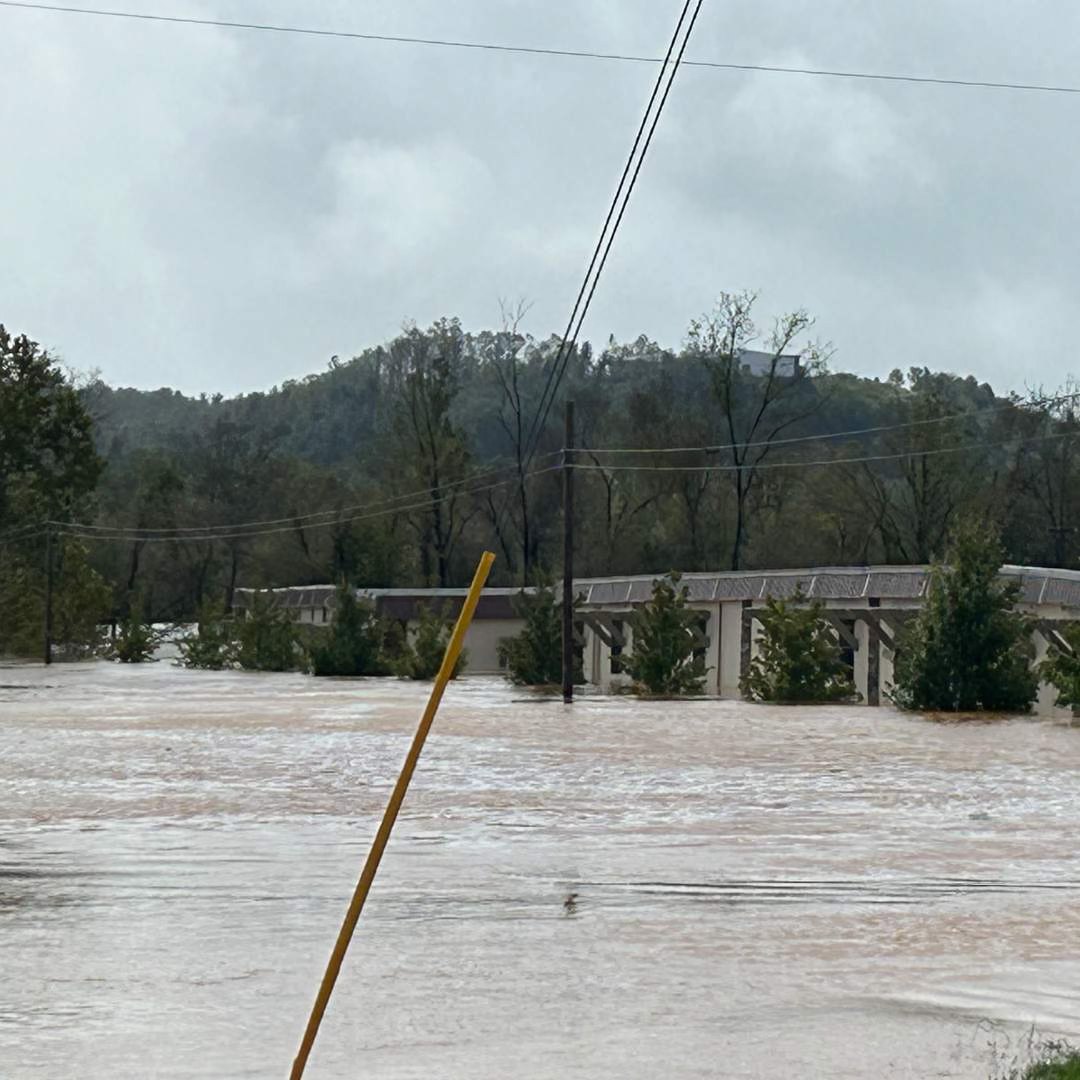
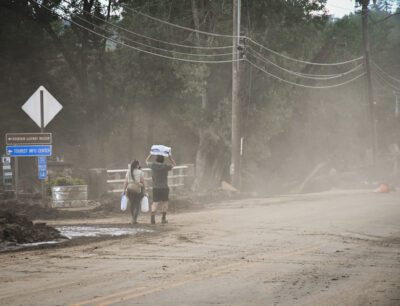
Reality soon set in — the buildings that housed roughly 450 students from kindergarten through fourth grade were gone as Hurricane Helene caused widespread flooding in parts of western North Carolina.
A year later, Luplow gets emotional when he thinks back to the moment he first laid eyes on FernLeaf’s Creek Campus after Helene.
“It was pretty devastating,” he said.
 Sign up for the EdWeekly, a Friday roundup of the most important education news of the week.
After confirming that staff and students were safe, Luplow knew time was of the essence as leaders tried to figure out where to house the displaced lower school students and staff.
FernLeaf was fortunate that the expansion of their upper school (the Wilderness Campus) was set to be completed by December 2024. It was a long shot, but after weighing the options, school leaders made the decision to quickly finish the expansion and move all of the Creek Campus students to the Wilderness campus.
“We were in crisis mode and were ready to make some concessions and do the things that we needed to do to get kids back into school,” Luplow said.
Working closely with contractors to ensure that basic safety measures were in place, Luplow said they were able to move swiftly and finish out the second phase of the Wilderness Campus.
Moving to one campus
Completing the Wilderness Campus was just one hurdle.
The next challenge was merging two campuses into a building that was never designed to accommodate 750 students.
Hannah Charbel, FernLeaf’s upper school Spanish teacher, recalls the moment she learned the Creek Campus was a total loss. She had a gut feeling that all the students would move to the upper school, and that, as an electives teacher, she would be displaced from her classroom.
“I was prepared when Molly (FernLeaf’s upper school director) called,” Charbel said. “I think I answered the phone and said, ‘You’re calling to tell me I’ve lost my classroom.’”
Charbel’s response, like that of the rest of the FernLeaf staff, wasn’t one of frustration. Instead, their reactions were rooted in a shared spirit of helping and unity.
Not once did anyone respond with, “Okay, I’ve lost everything, so now I’m clinging to what’s mine,” Charbel said. It was all about, “How can we help? How can we do this together?”
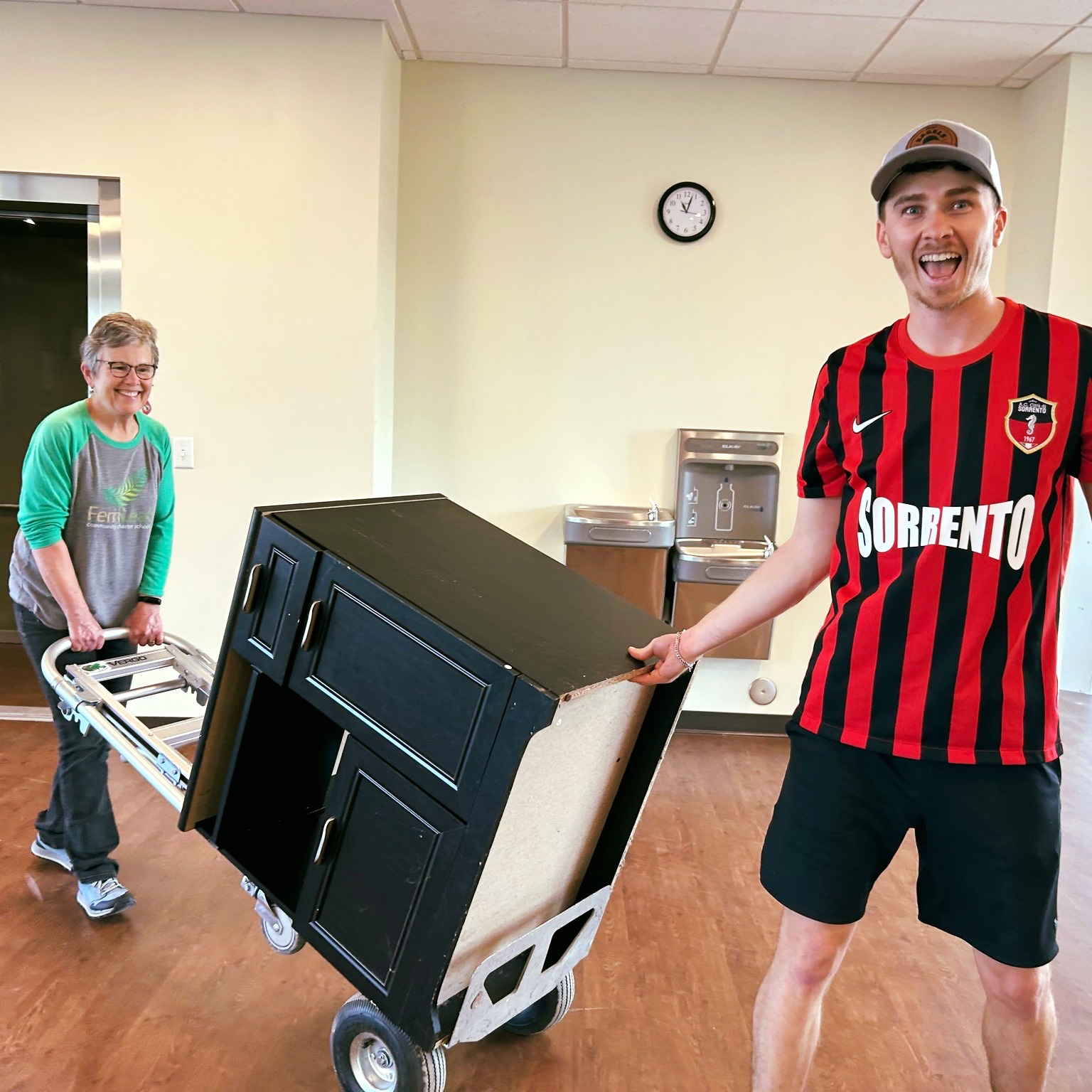
Combining the campuses involved an extraordinary amount of planning. The leadership team had to figure out where to place students and determine which teachers would have to give up their classrooms. There was a lot of physical work involved — building furniture, moving chairs, clearing trees around the property, and setting up classrooms.
“All this was happening while everyone was still reeling from the actual catastrophe,” Luplow said.
Teachers showed up to prepare the school, even in the midst of their own personal tragedies. Some had significant damage to their homes or were without power and water.
Luplow said he didn’t think they realized how much they needed to be able to come back together and be part of their community. Preparing the school gave them something to focus on and provided tangible ways to help.
Charbel said everyone pulling together was a quintessential representation of the culture that FernLeaf works hard to create, one that “embodies the essence of community, understanding, and the human spirit.”
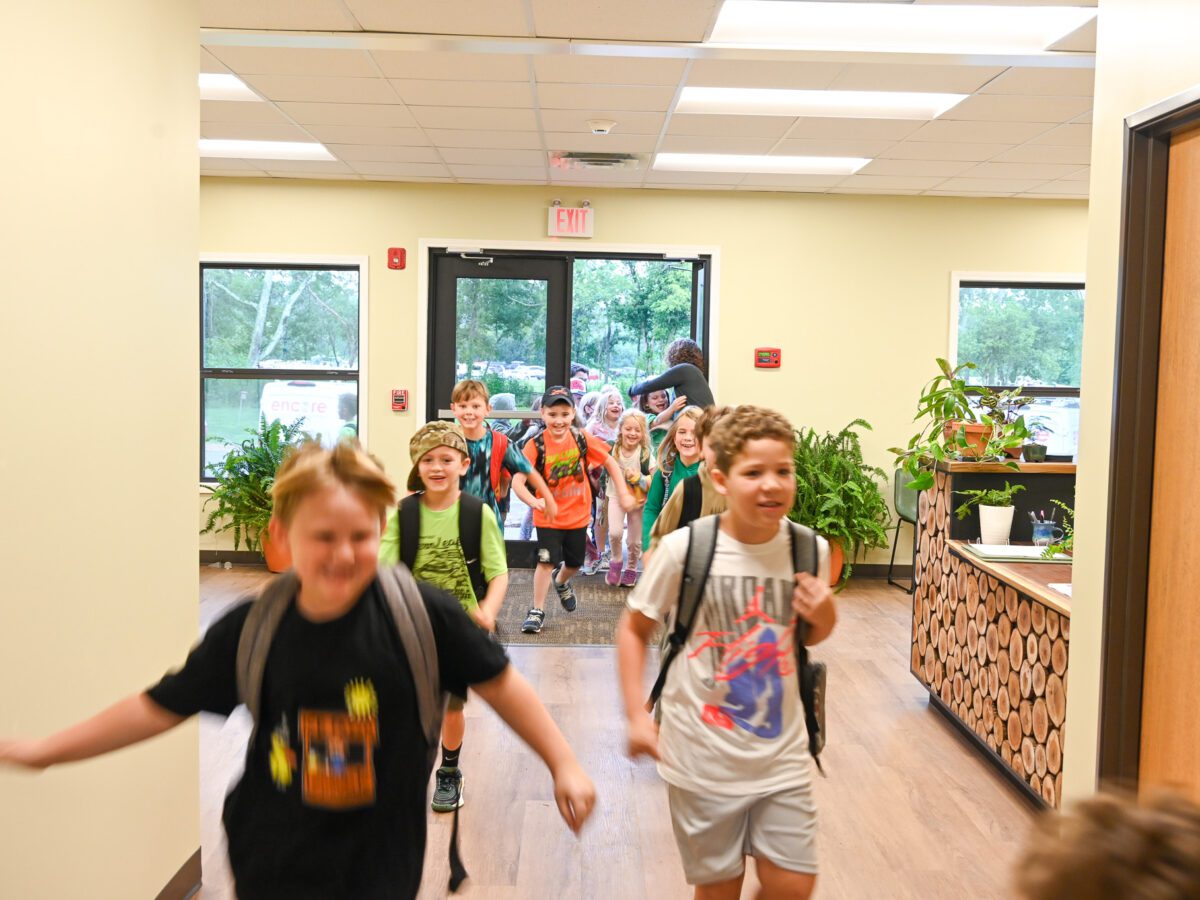
Just three weeks after the storm, all 750 students were back under one roof.
And within three days of relocating 450 students from the Creek Campus to the Wilderness Campus, Luplow said it already felt normal as he walked around the school.
“I had this moment where I was so incredibly proud of our community and how hard everyone had worked,” he said. “It was a true sign and symbol of just how resilient everyone really was.”
Even the turtles share in resilience
A lot has happened at FernLeaf in the year since Helene.
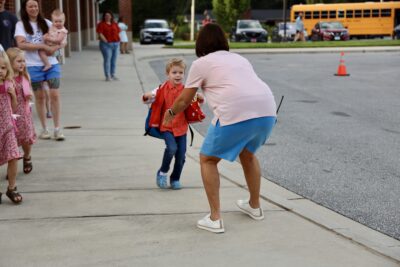
The Creek Campus has been rebuilt, and students in kindergarten through second grade returned to their beloved campus at the beginning of this school year. Students in third and fourth grades will return mid-October once the last Creek Campus building is fully operational.
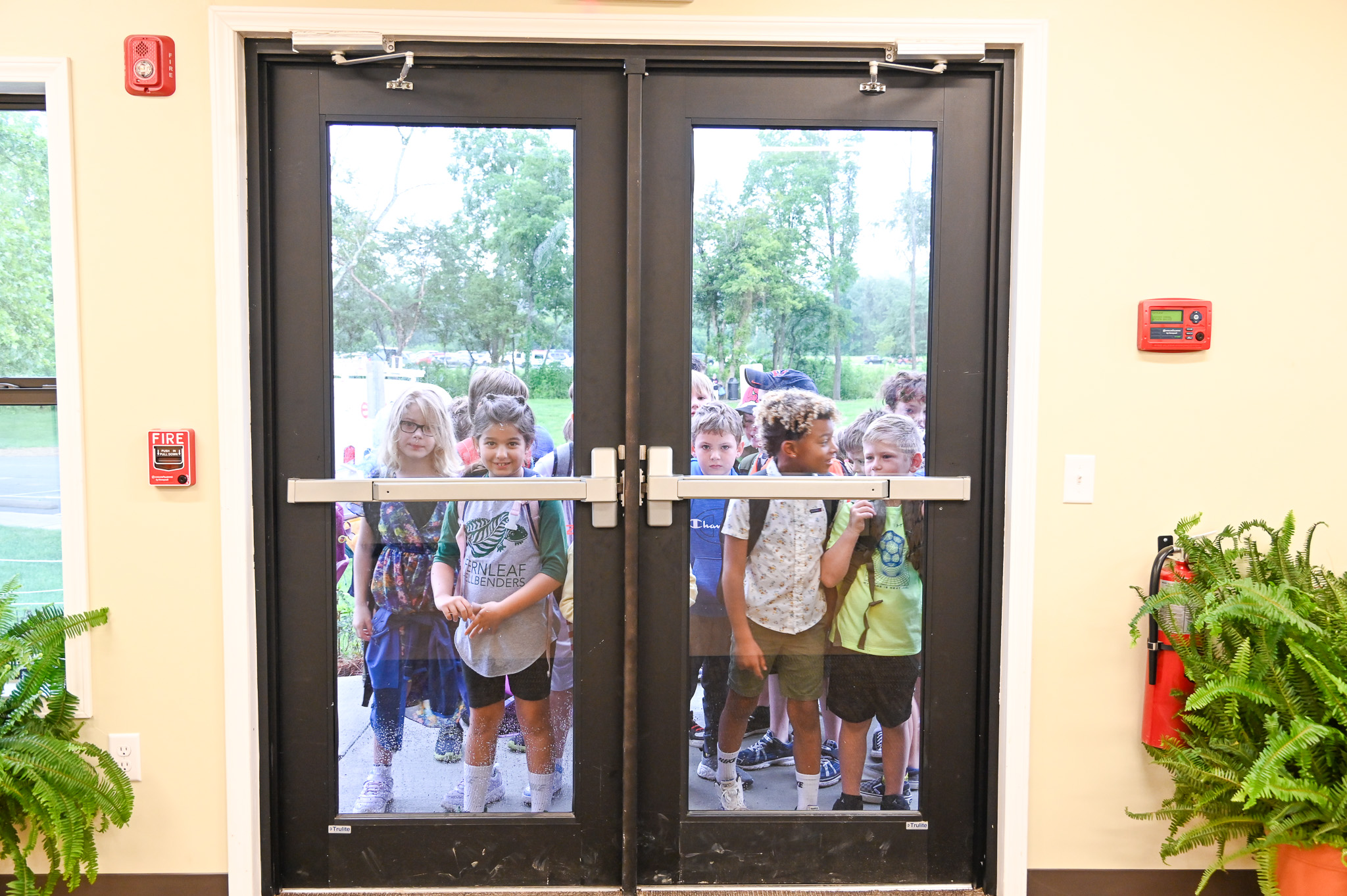
If the year has taught them anything, it’s that resilience and community are hallmarks of FernLeaf.
Ryan Lubbers teaches outdoor and environmental education, a topic the school prioritizes in their curriculum, to the K-4 students at FernLeaf.

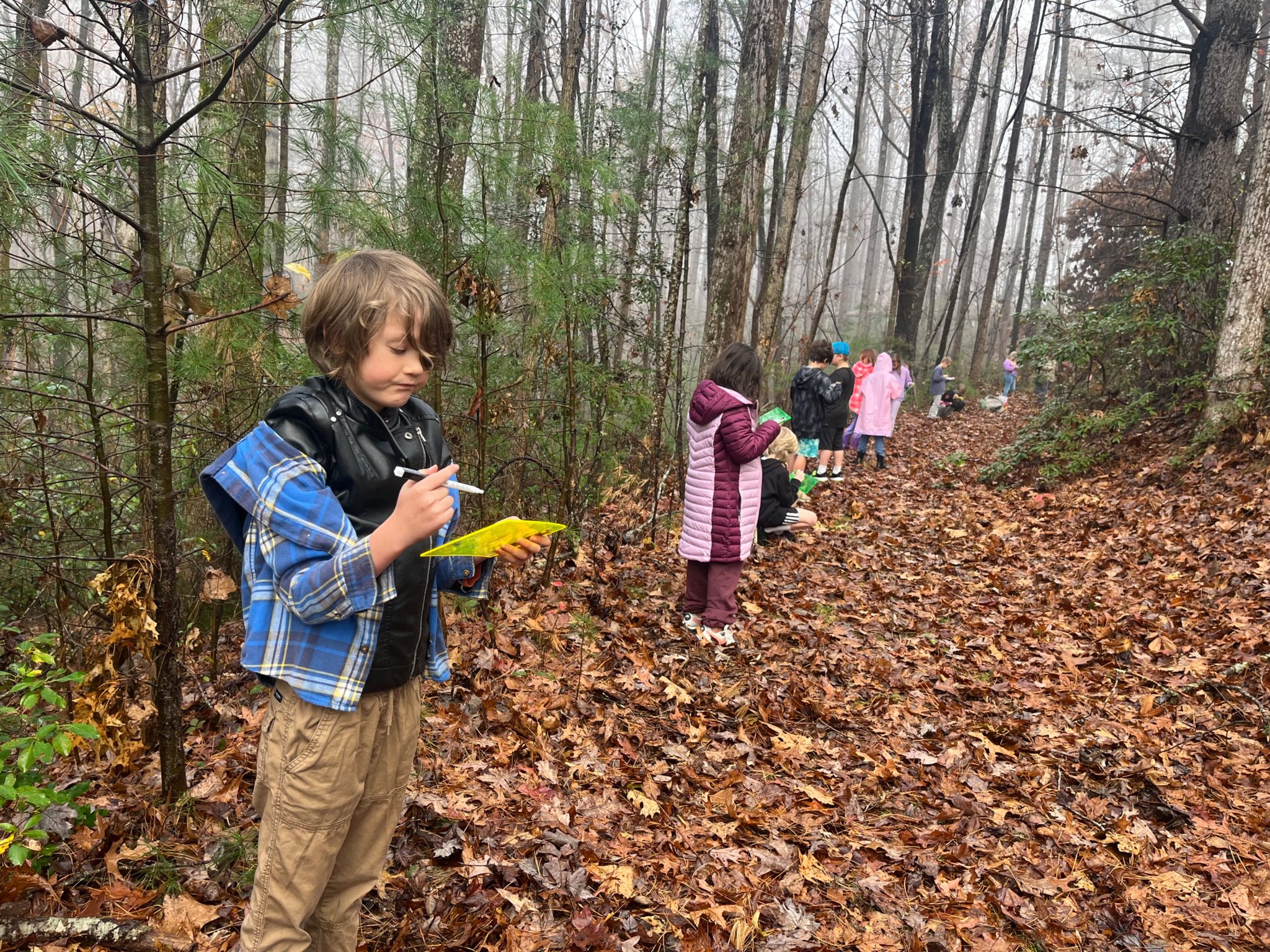
Despite the school’s landscape totally changing, Lubbers sees it as a blank canvas as he devises plans for new trails and outdoor learning spaces.
On a walk, Lubbers pointed to a small pool of water.
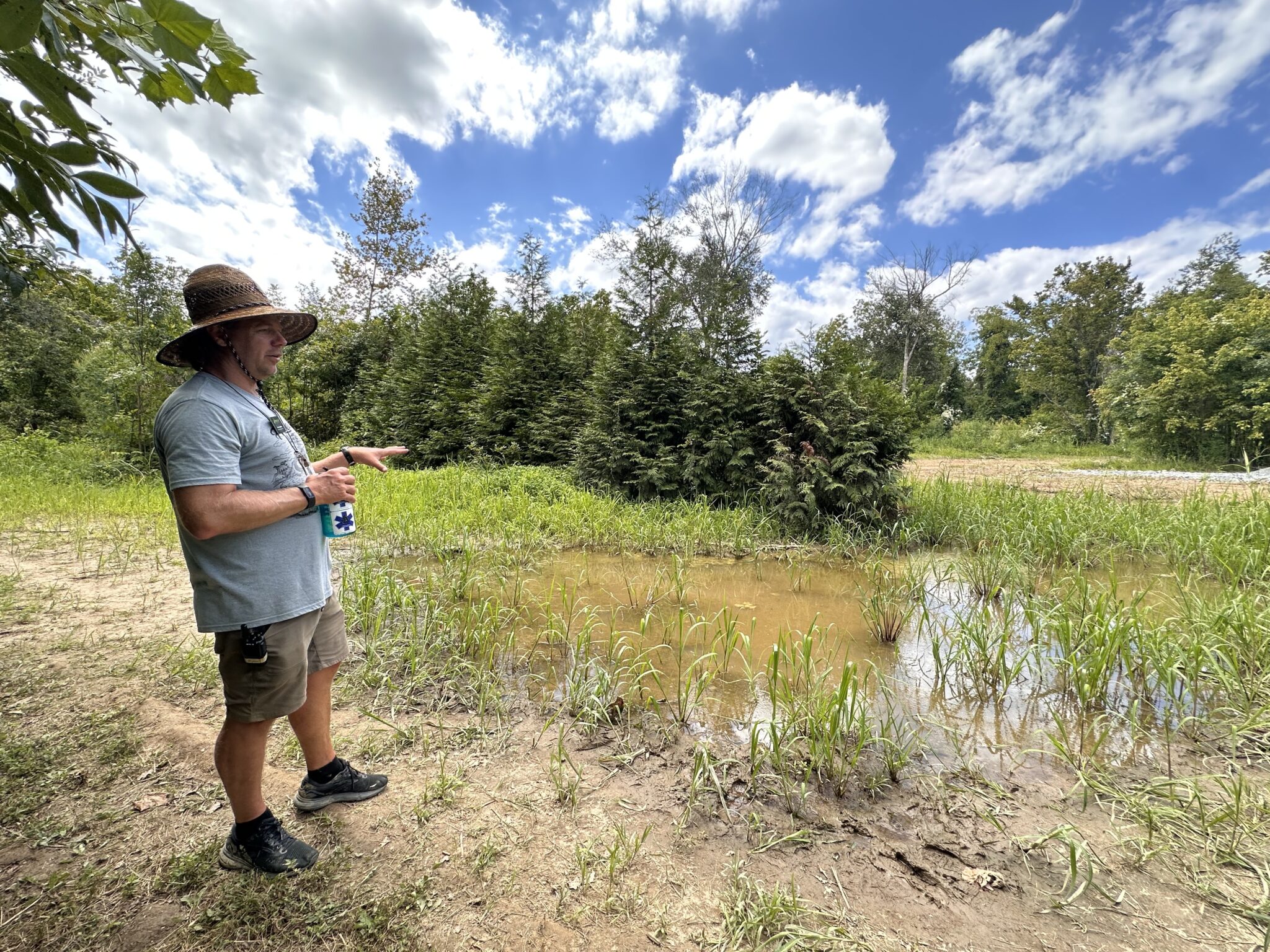
“This little ephemeral pool was never here before — it was created from the flood,” he said. “It may look gross, but for an elementary school student studying tadpoles, dragonfly larvas, and water beetles, this is the dreamiest outdoor classroom.”
Students are also learning about the resilience within the natural environment surrounding FernLeaf.
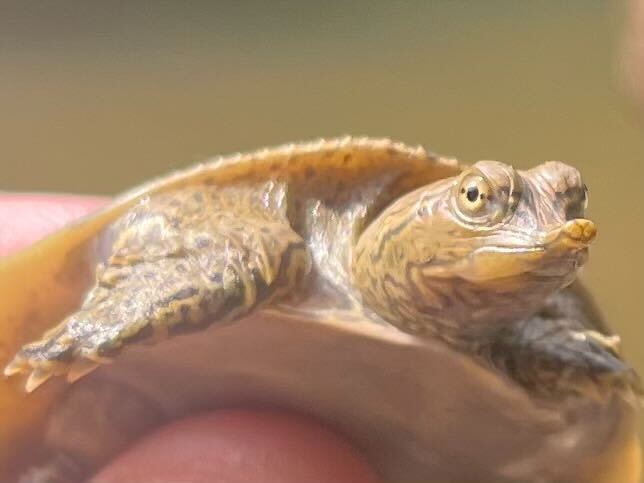
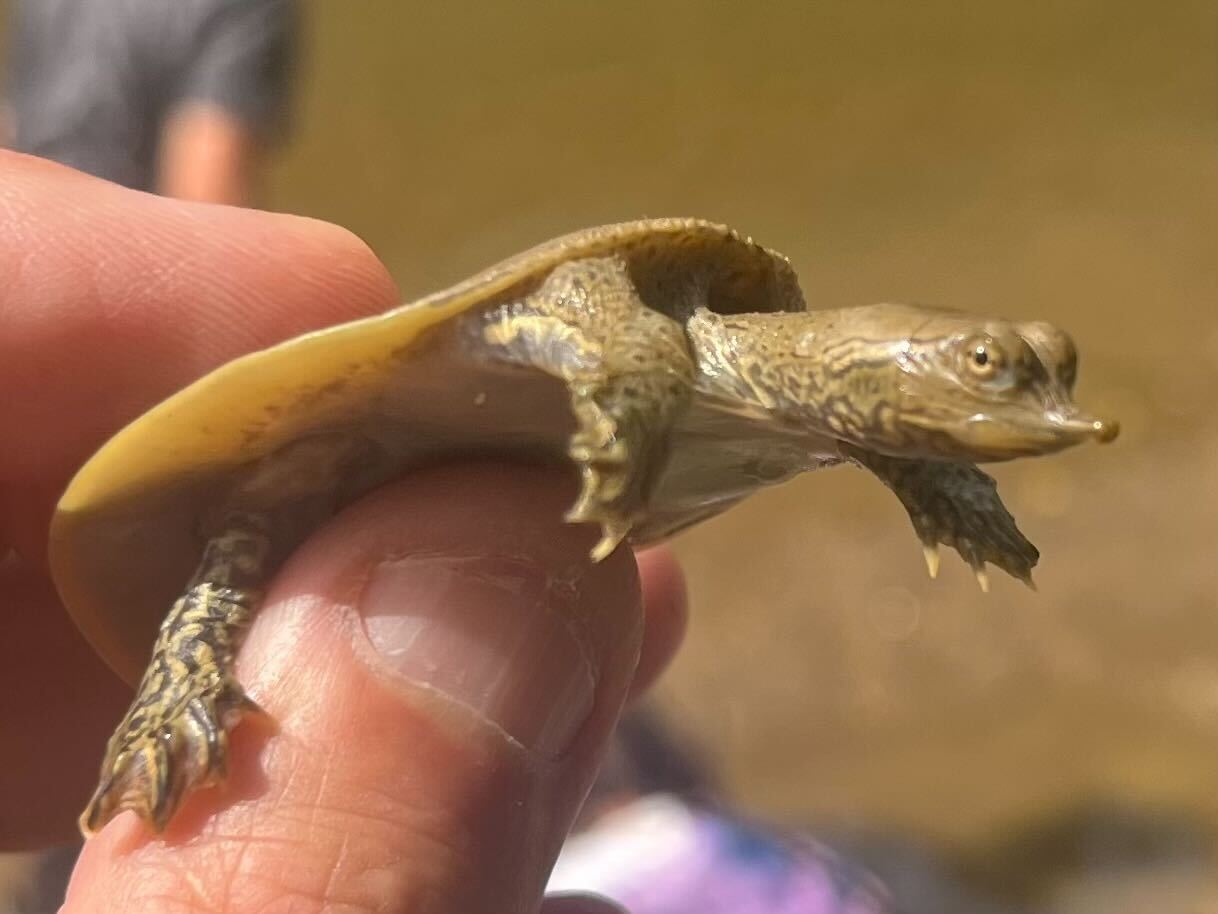
In late August, a second grade student discovered a softshell turtle.
The turtle is of special interest in North Carolina because they’re so rare, Lubbers said. What’s more, the very existence of this turtle means the mother survived the flood, thrived, and was able to reproduce.
Like Lubbers, first grade teacher Michele Corral is taking the new school year post-Helene to imagine what can be.
Corral sees it as a clean slate, a chance to embrace the entrepreneurial spirit behind FernLeaf — dream it, organize it, and make it happen.
“Whatever we had before, we now have the opportunity to make it even better,” Corral said.
Luplow remains incredibly grateful for FernLeaf leaders and staff who stayed true to the school’s mission of thoughtfulness, compassion, and understanding, particularly over the past year.
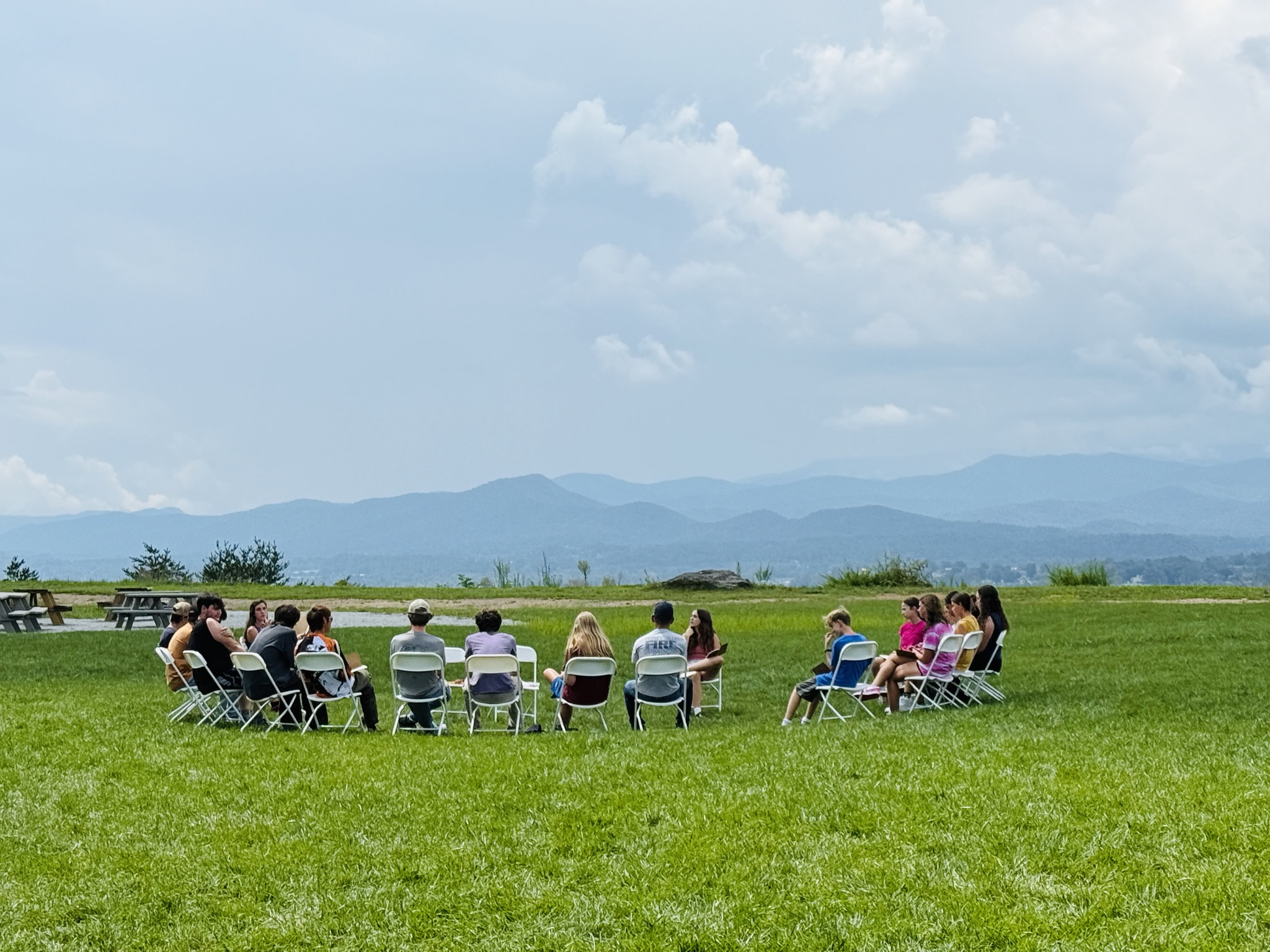
Looking ahead, he hopes all of western North Carolina can maintain their sense of community.
“We’re more connected than we have ever been before,” he said. “That is something that the entire western North Carolina community has experienced and felt, and I really hope we can keep that alive.”
FernLeaf Community Charter School turns 10 this school year and will graduate its first class of seniors in May 2026.
Editor’s note: The N.C. Press Association has awarded EdNC its public service award for our coverage and strategic support of western North Carolina after Hurricane Helene. You can see all of our coverage here.
Recommended reading