
The GOP tax bill is bad for students
This was originally published by the nation.com and is reposted here with permission
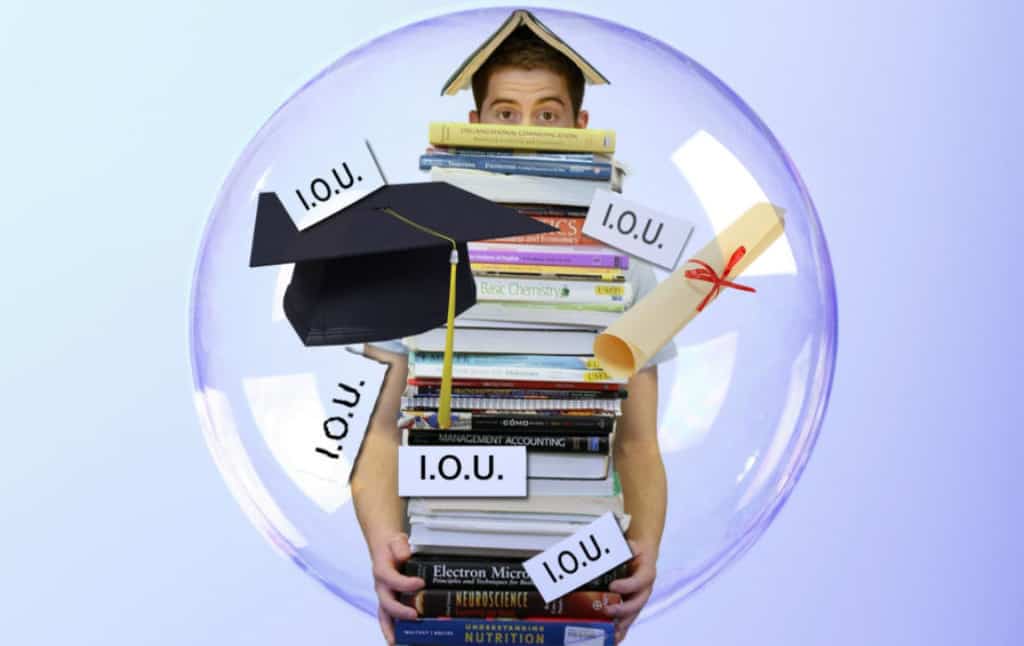
Americans owe $1.5 trillion in student-loan debt. That’s roughly the same amount of money that the House GOP tax plan will add to the deficit over the next 10 years, in large part because of proposed tax cuts for the wealthiest Americans.
Tax policy is about more than just economic and fiscal terms. It is an expression of our nation’s values; it details what we as a nation care about. If we are going to reduce what people owe to the US Government, then the choice should be relief for student-loan borrowers, not tax breaks for millionaires and billionaires.
As a state legislator representing North Carolina’s 50th District, and as executive director of Student Debt Crisis, we have years of combined experience trying to help Americans who have trouble accessing and affording higher education. The comparison of student-loan debt and tax cuts for the richest Americans got us thinking about the students and student-loan borrowers we’ve worked with.
When we speak with supporters, student debt is one of the top policy issues they want to discuss. The United States invests significant resources getting kids into college, but scant few helping people manage the enormous costs during and after. The cost of attendance and our policies on student lending create a huge impediment for some of our best and brightest.
As a country, we need to ensure that our young people don’t face insurmountable financial hurdles in pursuit of higher education. But the House Republicans’ tax plan threatens to move our country even further in the wrong direction.
Since 1980, the average tuition for a four-year college education has increased an astounding 800 percent. Since 1999, average student-loan debt has shamefully increased by over 500 percent! Today, total outstanding student-loan debt exceeds total outstanding credit-card debt in America.
Young people buried under the weight of their student-loan debt have much lower rates of buying homes, launching businesses, or starting families. They’re held back from investing, inventing, or innovating in ways that stimulate our economy.
The GOP tax plan perpetuates its 30-year history of treating higher education as an individual commodity rather than an investment in our collective future. The House tax bill eliminates the $2,500 tax deduction for student-loan interest, the $2,000 Lifetime Learning Credit, and an income exemption from paying income taxes on employer-provided funds for post-secondary education. Several of the provisions will even raise tuition costs.
This is wrong for our economy, our young people, and our values. Americans are already taking action by e-mailing Congress to let lawmakers know they disapprove of the House GOP tax bill and the plan to eliminate the student-loan interest deduction.
The current tax proposal provides giant corporate tax cuts. Over 50 percent of the individual cuts go to the top 1 percent of Americans, even though these types of tax cuts have been proven not to provide job or wage growth.
Our policy direction reflects what we value and who we value. The House GOP tax plan will increase our deficit, have minimal effect on the overall economy, and perpetuate inequality for years to come. Instead, let’s think boldly. We must embrace a plan that will help both individuals and the economy as a whole by investing in our future through the common good of higher education.
Perhaps more importantly, we could reduce the cause of loan debt by increasing our national investment in higher education. Political leaders could insist that institutions examine rapidly rising tuition costs. They could also provide the funding and tax breaks colleges need to do so. The House GOP tax bill does the opposite.
Just as the GI Bill once helped send millions to college and developed the 20th century’s booming middle class, a new public investment in affordable access to higher education could create economic opportunity for everyone from rural workers in need of retraining for a changing economy to students who need to lift their families out of poverty.
The student-loan debt crisis is an enormous boot on the neck of far too many Americans. Working directly to reduce that debt would represent real hope for millions of Americans whose loan payments delay their fulfillment of the American Dream.