
ICYMI: Equity Meets Education: Reporter’s notes

Editor's note: This article was originally published on January 19, 2018. We are republishing it after The State of Things rebroadcast their interview yesterday with reporter Liz Bell.
Almost exactly a year ago, during a day spent at North Edgecombe High School in Tarboro, one female student did not want to leave my side. She kept asking me questions and looking in my direction during class. Principal Donnell Cannon leaned over to me and said something that has stuck with me:
“She sees herself in you.”
For this white female teenager, Cannon explained, simply having someone older who looked like her and paid attention to her mattered. For so many black students, especially black male students, that opportunity does not exist in school. Relationship building between educators and students is key, especially for students living in poverty with a number of external factors hindering their learning. Cannon, a black male who grew up in a single-parent household in subsidized housing in Virginia, has given his students of color, particularly his black male students, a chance to see themselves in him. That also means seeing more and different possibilities and futures for themselves.
Later in 2017, when the idea of creating a film project around educational equity in North Carolina came up, I thought of Cannon and his students. I spoke to and filmed a variety of people who were not the four men who ended up being featured in “Equity Meets Education,” the EdNC four-part film series released this week.
As I visited programs and conducted interviews, I found just how broad “equity” is. There were all of these lenses to consider — factors in students’ lives that keep them from having equal opportunities: socioeconomic status, race/ethnicity, sexual orientation and expression, gender, geographical origin, language barriers, and more.
We wanted to zoom in on one angle and be as specific to that narrative as possible instead of trying to do a broad sweep of such a huge topic. We decided the four leaders in the videos — Charlotte public defender Toussaint Romain, Profound Gentlemen co-founder and executive director Jason Terrell, Principal Donnell Cannon, and educational consultant and former Teacher of the Year James Ford — had important voices that needed to be amplified in the educational space. They are shaping the landscape of racial equity in North Carolina schools and beyond through their passion, work, and leadership. See the full films at the bottom of this post.
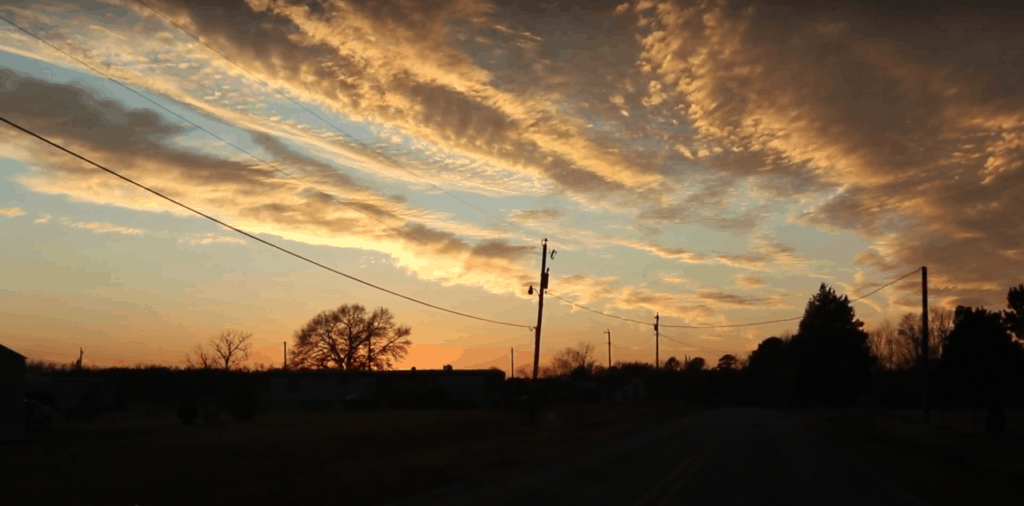
In the months since, I have driven too many miles to count on trips between Raleigh and Charlotte, chased one of the most beautiful sunsets I’ve seen in Edgecombe County, filmed inside a courtroom for the first time, and learned how to produce meaningful footage from the shooting to the editing process with little prior videography experience. Below is footage of me trying to film from my car.
The most rewarding part of this project, however, has been all the listening.
Conversations around race are important to have, both in terms of the experiences of race in this state and country and ways to improve individually and systemically. Below is an outtake from the series where Romain shares how he starts presentations (usually to a predominantly white audience) on systemic racism.
As a white person who has lived my entire life in this state, these men helped me understand the privileges I have enjoyed and the differences in racial experiences in all spheres of life. They also taught me the importance of using those advantages to lift others up, especially those who do not enjoy the same advantages.
I am committed to exploring and telling stories about more of the barriers the most vulnerable students experience in the state through future projects. For this one, I hope the voices of Ford, Terrell, Romain, and Cannon shine through. I hope their ideas inform conversations and decisions on how we can ensure all students’ complex and different needs are being met. I hope others, like me, can learn from how they are using their platforms to fight for a better tomorrow.