
Egg ministry: A solution for the food insecure
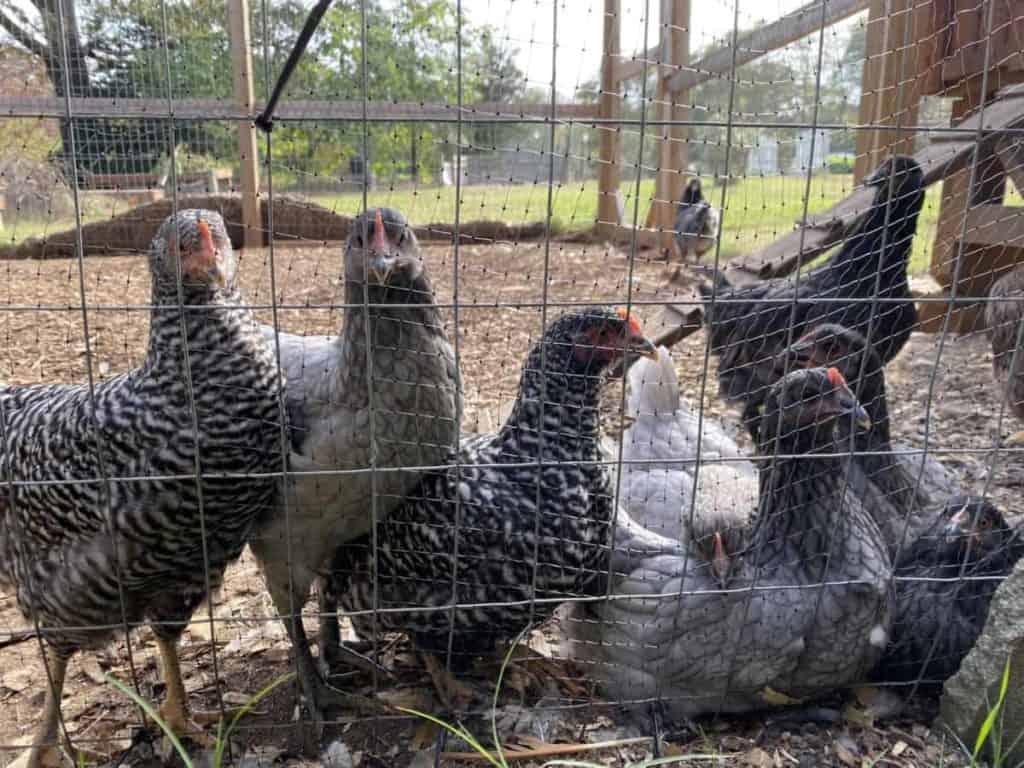
Karin Kelly is mother hen to 20 actual hens at First United Methodist Church (FUMC) in Hickory. Tucked in the back corner of FUMC’s “parable garden,” which is buzzing with bees and full of hardy winter vegetables, is a roughly two-year-old egg ministry Kelly helps keep healthy and abundant with eggs.
Why an egg ministry?
Why did this church decide to help the food insecure with an egg ministry? Kelly puts it simply: Eggs are high in protein and have a long shelf life. Before working with the ministry in April of 2018, she had never taken care of a chicken coop. “It was kind of like figure it out and go with it,” she said.
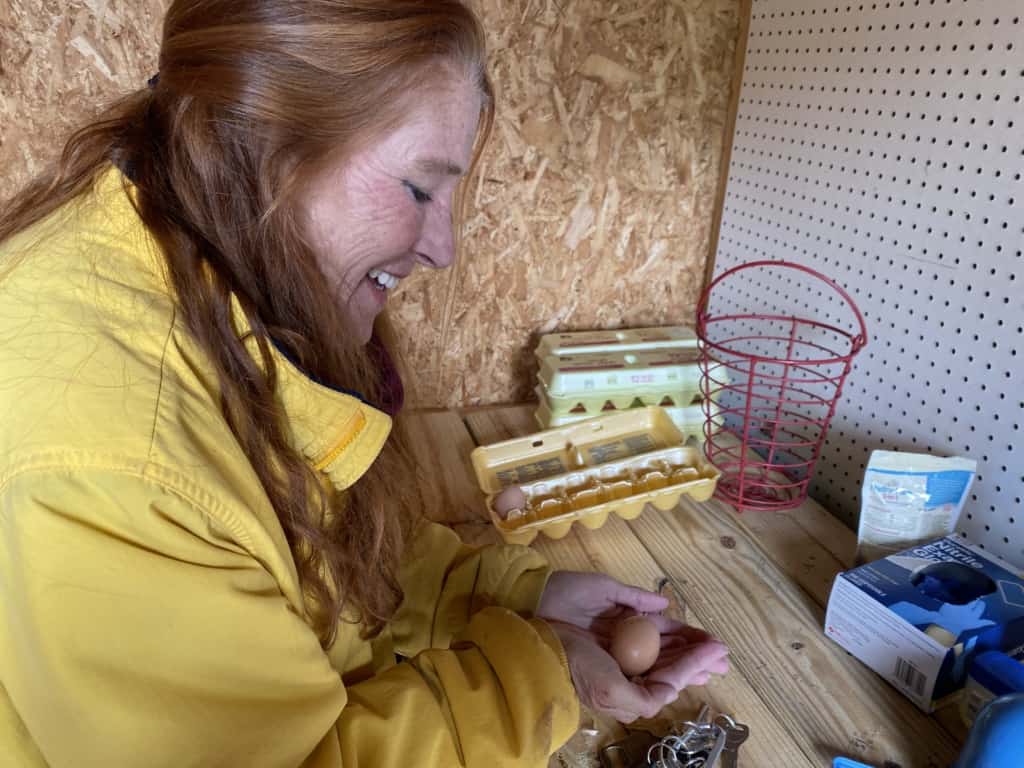
Kelly became certified after taking a backyard poultry-keeping course online from the University of Arkansas System Division of Agriculture and relies on a community of chicken experts when she has questions she can’t answer herself. From April to December 2018, its first year of ministry, the coop produced 1,028 eggs. With such success in 2018, Kelly was in need of more consistent help. She now has three volunteers who rotate daily duties with her.
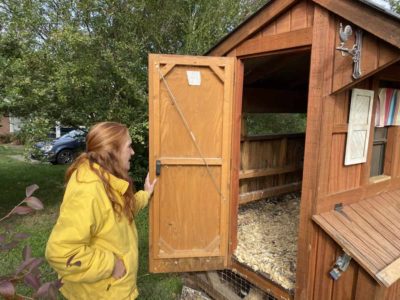
What does a typical shift at the egg ministry look like? Put out the feed, fill up the water, and collect the eggs. Once a week, she cleans out the coop, rakes the mulch around, and adds a new layer. The mulch that is removed then goes onto a compost pile that is eventually worked back into the garden.
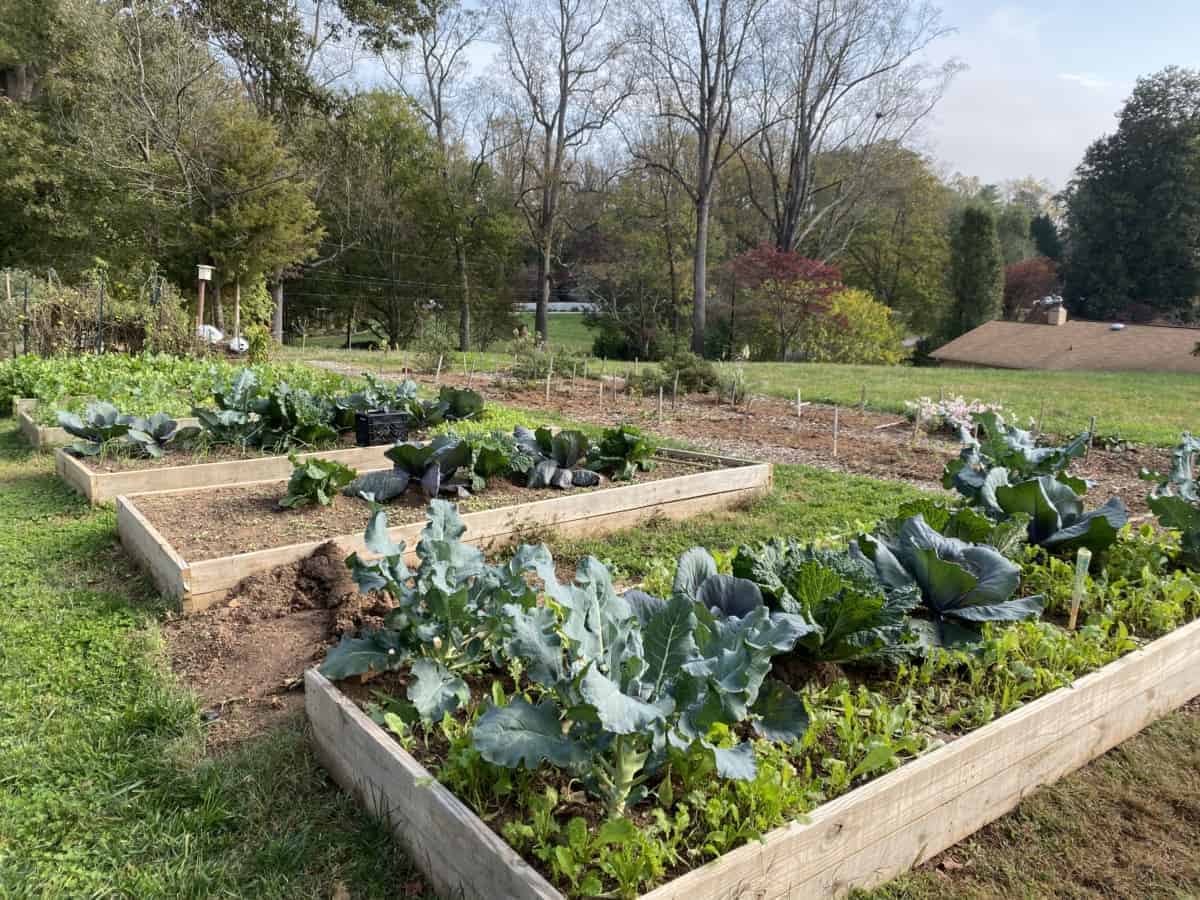
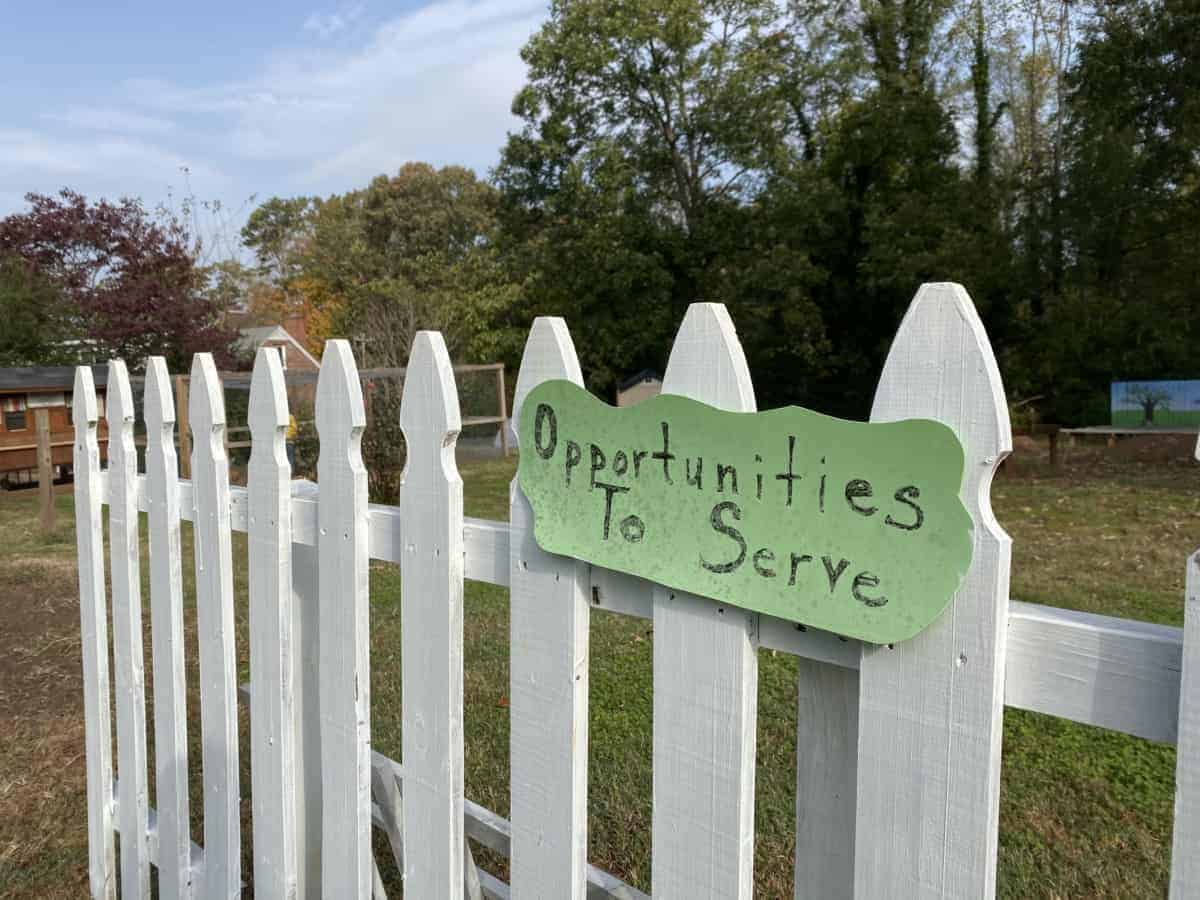
Members of the church all pitched in to construct the coop together. First Builders, another ministry of the church that works with social services to build ramps and items to make homes more accessible, helped with initial construction. Volunteers consisted of students and adult supervisors.
“The kids love it — they don’t mind digging post holes or playing in the rain,” said Kelly.
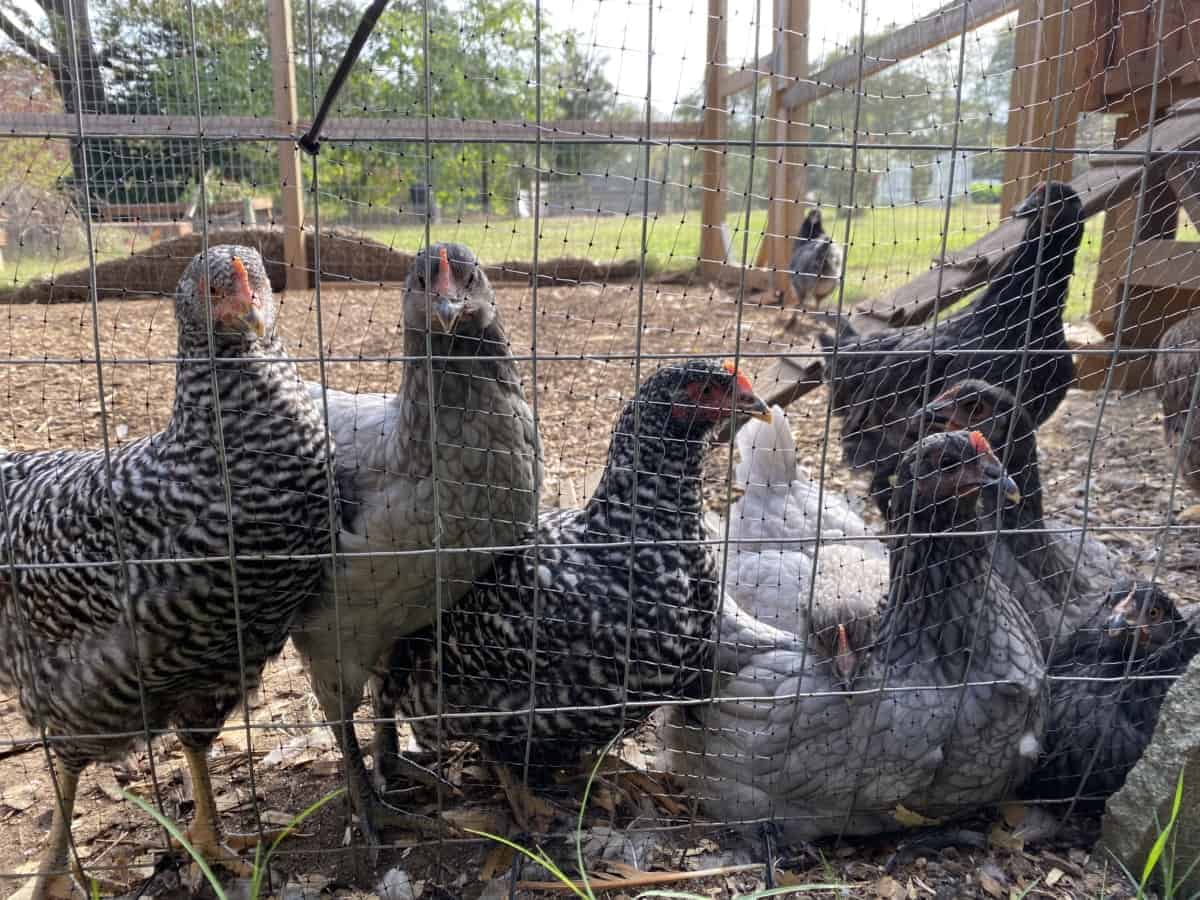
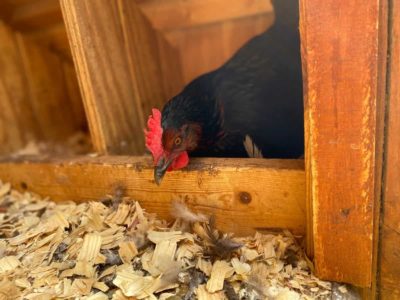
Prime egg-laying season is spring and summer when hens produce the most with extended sunlight. During that time, the egg ministry was collecting 18 to 22 eggs a day. Lately, Kelly has been troubleshooting why the hens are laying fewer eggs.
The amount of eggs ebbs and flows due to disease and predators — normal growing pains for a chicken coop. Kelly detected an illness (thanks to the online forum Backyard Chickens) that went through the coop and was able to treat the hens with antibiotics. She fixed the wiring when a hawk was getting through, and is constantly observant to to protect the hens.
“It’s part of farming,” she said.
Where do the eggs go?
The short answer: All over the place. Most of the eggs from the ministry go to the local Salvation Army food program. They are also donated to FUMC’s Table of Grace (an open community breakfast every third Saturday), Friendship United Methodist Church in Connelly Springs for their farmer’s market co-op, FaithBridge United Methodist Church’s bakery in Blowing Rock, local church shut-ins, and more.
For Kelly, working with other churches and organizations and building relationships have been the highlights of the ministry. When the church was applying for its first grant, someone heard what they wanted to do and put them in touch with Resourceful Communities. An initiative of the Conservation Fund, Resourceful Communities has helped the church find grants and continues to be supportive of their efforts.
Other organizations show support by visiting and using the space for education. The Catawba Science Center, The Salvation Army’s Boys & Girls Club, and a homeschool class each use the egg ministry and parable garden for field trips. Kelly recalls a group from the Boys & Girls Club who visited to learn how to cook breakfast, lunch, and dinner with eggs. They toured the coop, learned how the hens are cared for, and left with one-and-a-half dozen eggs to take home.
“It was just awesome. They were really excited and thankful, it was great,” said Kelly.
What is something Kelly wants others to know about the egg ministry?
“It’s so simple to do,” she said. “It totally changed my life. It gave me a different relationship with God, you know, because you’re really hands on serving Him and doing His work.”
We visited First UMC in Hickory to learn about their Egg Ministry. What’s an egg ministry you may wonder? Stay tuned for the story on @EducationNC to find out! @DukeEndowment @ConservationFnd @WNCCUMC pic.twitter.com/zgDd1ejA6k
— EdNC_Faith (@EdNC_Faith) November 7, 2019