
Parents as a key to early literacy
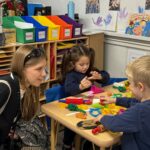
'It could be the prelude to every single child being kindergarten-ready.'
Early Bird readers, hello again. Newcomers, welcome! If you were forwarded this email, you can sign up here to receive it every two weeks, and join our conversation on issues facing North Carolina’s young children and those who support them. If you’re already a subscriber, please help us reach more people by sharing this with your friends and co-workers interested in early childhood education.
If we’re not starting early, we’re falling short. This is the thought that enters Ginger Young’s mind when she wakes up in the morning.
Young, executive director of Durham-based nonprofit Book Harvest, shared results earlier this month of a longitudinal study on Book Babies, a home visiting program focused on developing early literacy skills. The study found that parents in the program in Durham and Winston-Salem had stronger reading habits with their children, and that Spanish-speaking children had stronger skills than control groups.
In the last decade, North Carolina has invested millions and, this year, passed a new law to improve third-grade reading proficiency. The law aims to shift pre-K-to-3 educator preparation and knowledge so teachers are familiar with the scientific research on how kids learn to read. But Young says we’re missing the first years of life.
“I routinely wake up in the morning thinking about the fact that 90% of the brain is developed in the first five years, and wondering what we’re doing to make the most of that spectacular window of opportunity,” Young said.
“And I’m haunted by also the notion that we have failed to tap the most potent and amazing resource right within arm’s reach of these children who are developing so quickly and so spectacularly, which is parents themselves.”
Book Babies literacy coaches visit families quarterly during the first five years of life, providing 100 books and a research-backed curricula along the way. The last year is focused on transitioning children to school. More investment in the early years, and research on what works, is necessary, Young said. The Book Babies model is a step in the right direction, she said. “It could be the prelude to every single child being kindergarten-ready.”
Below, don’t miss an update on a council tasked with creating a coordinated early education system in North Carolina, research on the importance of high-quality elementary experiences, and information on operational grants for child care providers.
The big picture for little kids
 Sign up for Early Bird, our newsletter on all things early childhood.