
Creative ideas abound at Winston-Salem’s Downtown Health Plaza
Imagine a community garden. There are rows of raised beds of carrots, okra, tomatoes, and more, bordered by flower patches that burst with color. Now look beyond the plot, but instead of a school or a church, you’ll see the busy comings and goings of a community health clinic that is creative about how it serves its patients—some of the most at-risk families in Forsyth County.
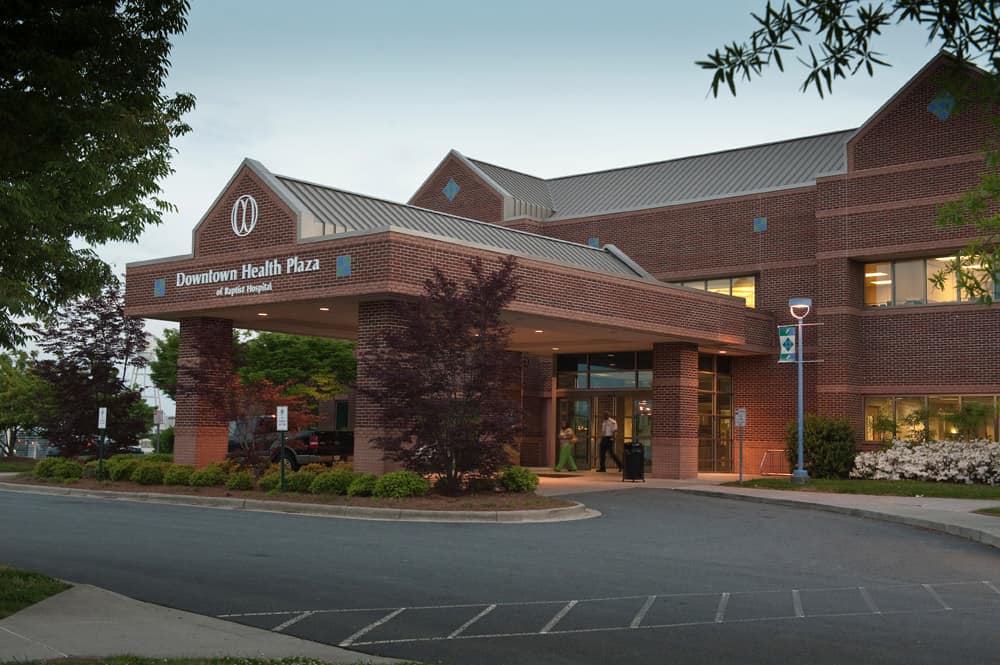
Our “Focus on Forsyth” series would be incomplete without diving into the powerful work of the Wake Forest Baptist Health–Downtown Health Plaza. We introduced readers to Imprints Cares, an on-site parenting support center, and profiled the evolution of Reach Out and Read at the clinic. By serving young families through a combination of special programs, innovative community partnerships, and a focus on the social determinants of health, the Downtown Health Plaza is positively impacting early childhood education in Forsyth County.
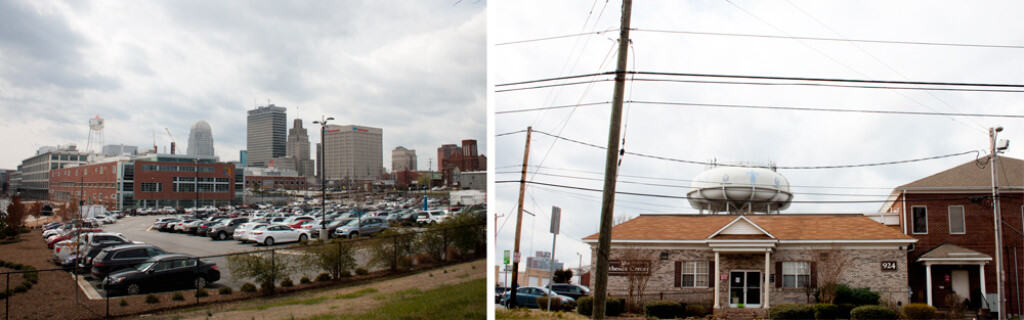
Roughly a quarter of children in Forsyth County live in households that rely on public assistance, and Winston-Salem has the highest overall poverty rate of North Carolina’s five largest cities.1 The Downtown Health Plaza is located between the Wake Forest Innovation Quarter and East Winston, one of the city’s poorest neighborhoods. The contrast between these city blocks is stark, but this community-oriented clinic bridges the divide with creative ideas and a commitment to service.
Families that come to the Downtown Health Plaza can face negative impacts from the social determinants of health (including access to healthy food, housing, and education). Children’s earliest years are crucial to healthy development and lifetime success, which makes them among the most vulnerable to the negative effects of their environments.
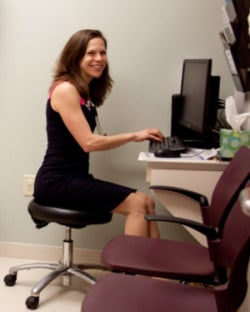
“One of the real assets we have at DHP is integrated services to assist our families with needs relating to the social determinants of health—or the social and environmental factors that impact their health,” says Julie M. Linton, MD, FAAP, assistant professor of pediatrics, Wake Forest School of Medicine, which is part of Wake Forest Baptist Medical Center. “In the case of children and their families, those social factors may play a larger role in ultimately predicting their health than many of the biological things I was trained to identify.”
At the Downtown Health Plaza, addressing a patient’s whole health—not just what can be remedied in the exam room—is integrated into clinic philosophy and mission.
As one of the largest Medicaid site in North Carolina, providers at DHP are intimately familiar with the risks social determinants of health present for young families. “Parents want the best for their children,” says Dr. Linton. “Being a parent is hard. When you add on all these other factors that make a family feel like they can’t meet their child’s needs, that’s really hard. How can we as doctors help that?”
Making sure patients are successfully connected to social services is key. Since its founding in 2000, the Downtown Health Plaza has worked closely with a number of different community partners to connect patients with behavioral health counseling, food assistance, and other resources. Several of these partners see patients in on-site offices, including the Northwest Community Care Network (NCNN), CareNet Counseling, Inc., Care Coordination for Children (CC4N), the Special Supplemental Nutrition Program for Women, Infants, and Children (WIC), Legal Aid of North Carolina, and The Children’s Home.
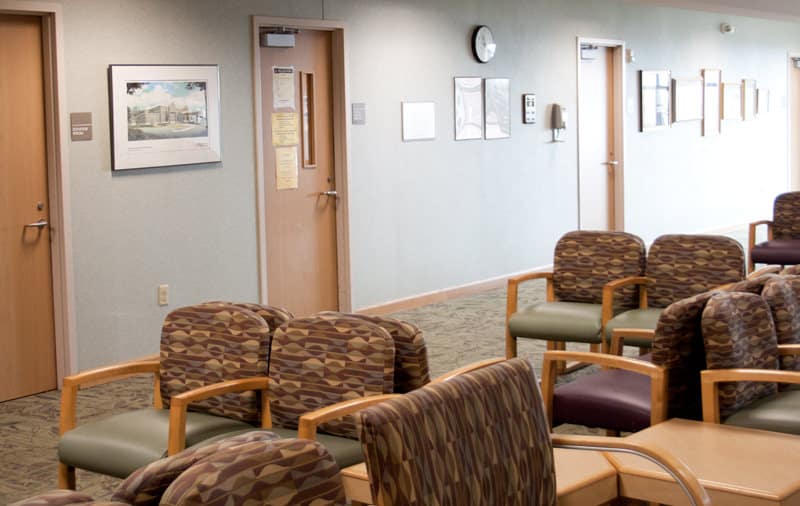
On-site offices for these programs help ensure their success. “It’s a warm hand-off,” says Dr. Linton. “Instead of a random person on the phone, the patient can talk with someone who is warm, speaks their language, and is relatable right away.”

The Downtown Health Plaza is known in the local medical community for its focus on integrated services and its community commitment. “We have a teaching mission that filters into all aspects of our work,” explains Robert Jones, PhD, director, Downtown Health Plaza/Winston East Pediatrics, Wake Forest Baptist Health. “Everybody in whole clinic is focused on new ideas, ways to do things differently, what works best for the patient, listening to them, and hearing what challenges there are.”
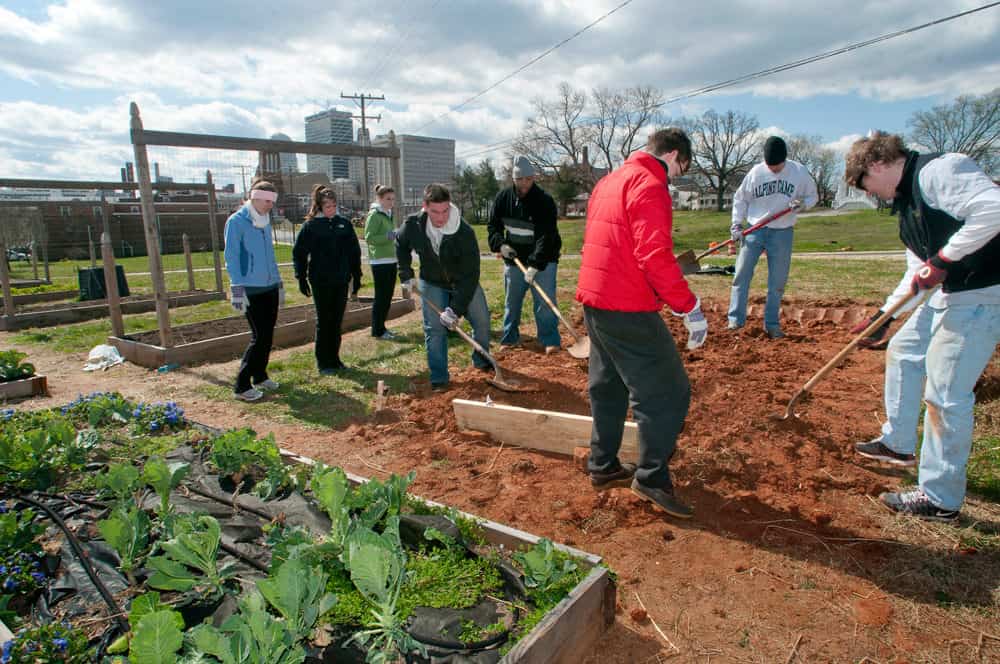
The community garden behind the Downtown Health Plaza was one such new idea. According to Dr. Jones, about one-third of patients at the clinic face food insecurity. Screening for hunger and offering referrals to local resources is a routine part of patient care. After reading about a community garden at a similar clinic, a physician suggested such a garden could benefit DHP patients. Dr. Jones was willing to support the experiment.
Today, the DHP garden encompasses 33 raised beds. “It’s very popular,” says Dr. Jones. “The residents, medical students, and all sorts of community and church groups volunteer out there.” During the growing season, freshly harvested produce is given away to patients. This was so well received, the Downtown Health Plaza expanded its produce offerings. As often as staff resources allow, the clinic picks up fresh fruits and vegetables to give away in its pediatric clinic to supplement the garden harvest.
The pediatric residency advocacy curriculum at DHP is also a continual source for creative solutions. As part of their training, each pediatric resident must complete a “longitudinal advocacy curriculum” that includes home and site visits in Winston-Salem and culminates in a project that addresses a community health challenge impacting local children.
Successful advocacy projects continue from year-to-year. For example, “Empowering Residents to Address Food Insecurity” established and maintains a patient food pantry at the Downtown Health Plaza. The “Forsyth County Refugee Health Collaborative” connects local refugees to medical homes.
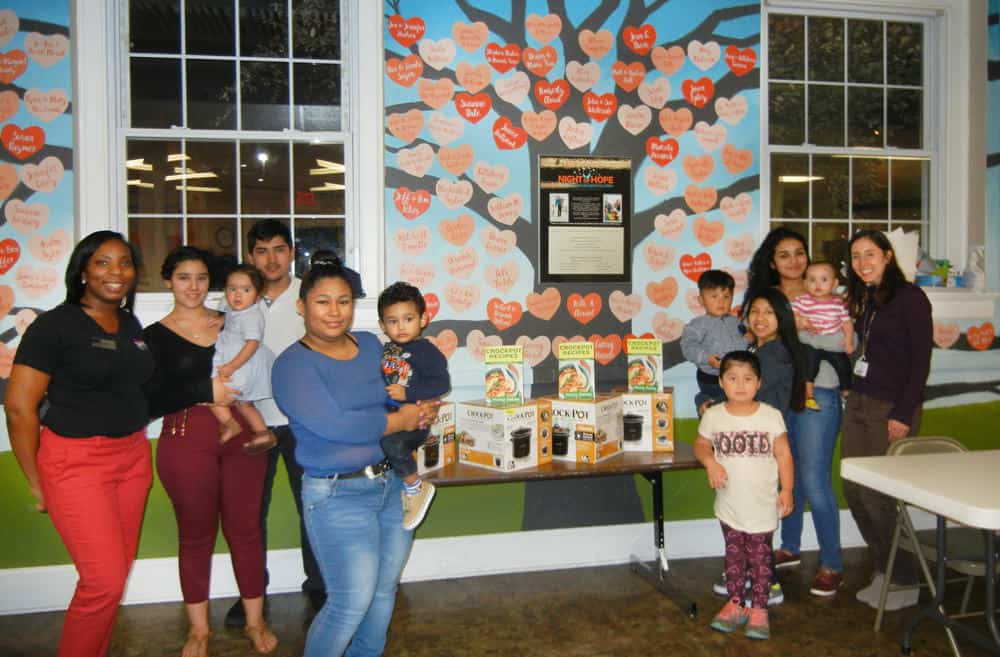
“Helping Kids Raising Kids” is a new quarterly teen pregnancy and parenting class presented in partnership with Imprints Cares and the Second Harvest Food Bank. In March, participating teens received a crock pot and crock pot cookbook and learned about making healthy meals with limited time and resources.
By tackling social determinants of health, the Downtown Health Plaza is making positive interventions into children’s development. “We realize the intimate relationship between health and education in our at-risk populations,” says Dr. Linton.
Roughly two-thirds of pediatricians in Forsyth County are trained at the Downtown Health Plaza, and many graduating residents go on to introduce DHP programs into their future clinics. The ways in which administrators, doctors, nurses, and medical students at the Downtown Health Plaza serve the local community have the potential for statewide impact—and are worth getting to know.
1. Jordan Green, “A city divided: The resurgent downtown and the abandoned urban core,” Triad City Beat, March 30, 2016.