
Connecting policy to practice in Singapore: Inside the classrooms!
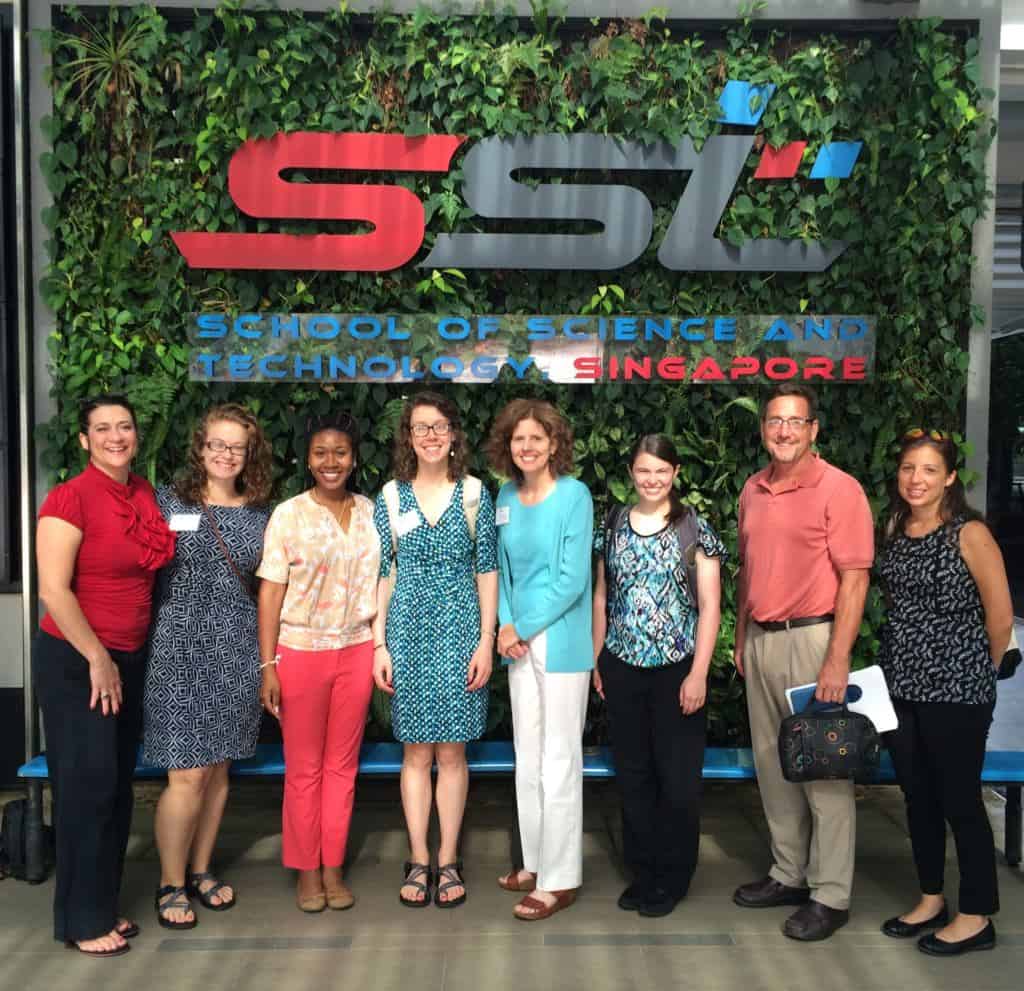

Singapore is changing its mindset about its students. No longer does it see them as consumers of knowledge. In the 21st century, this country needs its students to create knowledge. Not in the future, but now.
The instruction and the classrooms are being redesigned to give students opportunities to innovate, conceive, create, and build.
And as we visit classrooms, it is not hard to imagine a time in the not-too-distant future when student work is being patented and taken to market, creating earned revenue streams for education.
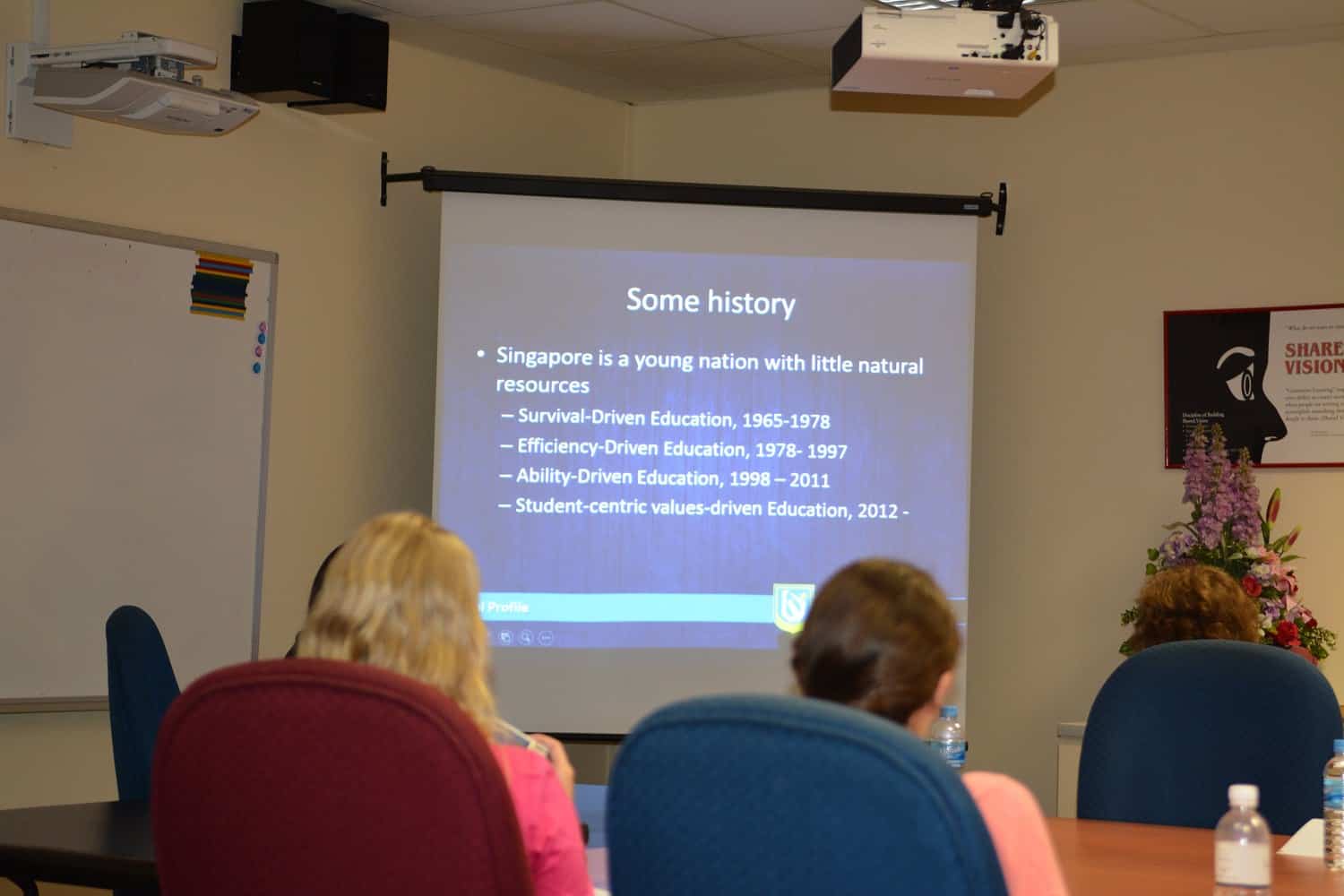
Everywhere we go, we are reminded that Singapore is a country with few natural resources. After only defense spending, this country invests the most in education because people are its asset. Since its independence, there have been four phases of the development of human capital. The current national focus is on student-centric, values-driven education.
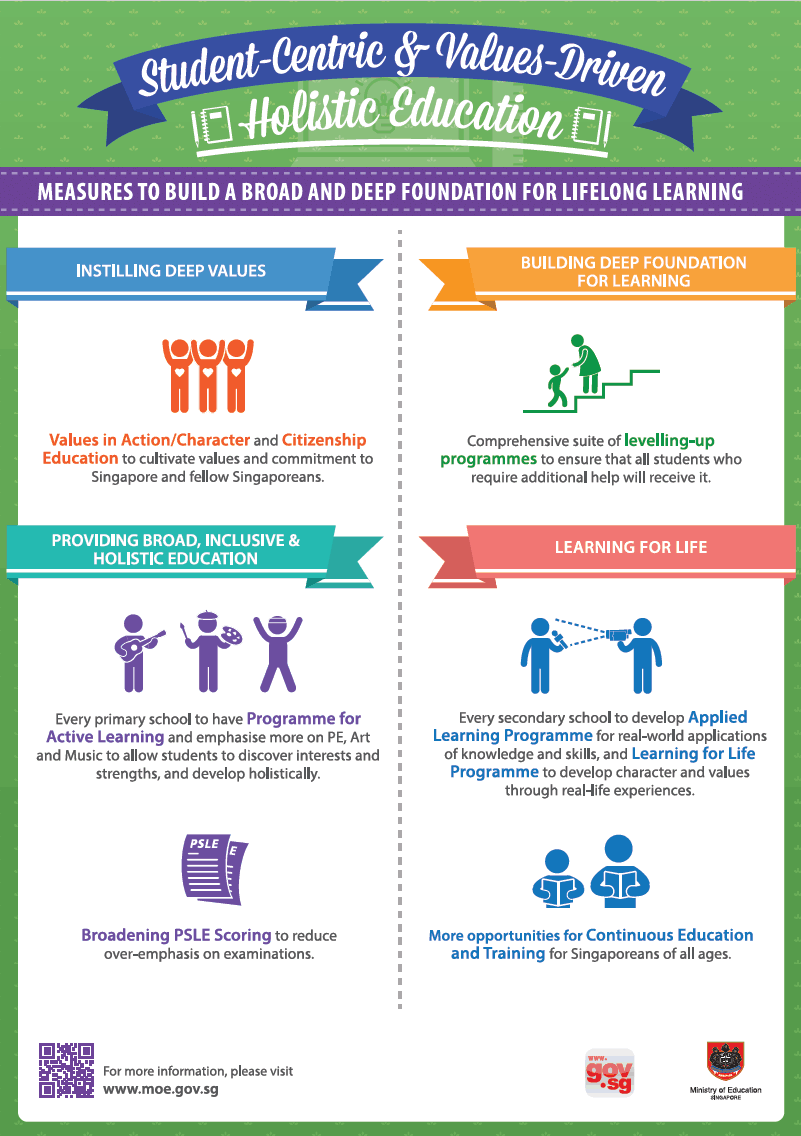
The six national values are respect, responsibility, resilience, integrity, care, and harmony. Four every’s undergird the values: every student, an engaged learner; every teacher, a caring educator; every parent, a supportive partner; every school, a good school.
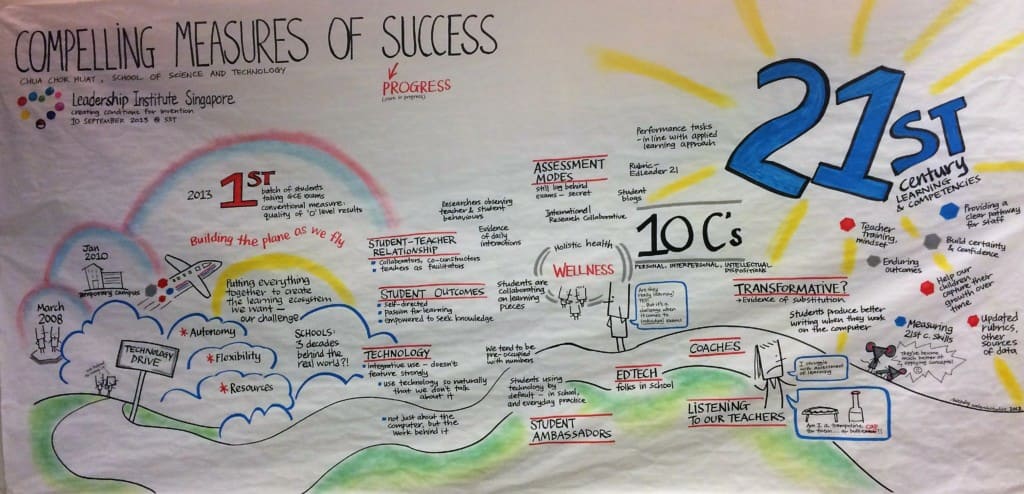
At the School of Science and Technology, Singapore, the result is 10 student competencies: commitment, confidence, courage, collaboration, communication, cross-cultural understanding, citizenship, curiosity, critical thinking, and creative thinking.
Chew Wai Lee, the vice principal of SST, says, “These are not just nice charts. This actually makes its way into the classroom.”
The role of assessment? Assessments measure “not just students’ mastery of content knowledge and subject specific skills, but also how these skills are used to solve real-world problems and their level of acquisition of 21st Century skills and dispositions (10Cs),” according to Shaping Future Innovators, The SST Way.
At SST, assessment is:
an integral part of the learning and teaching process,
on-going and continuous,
multi-dimensional and incorporates a wide range of tools and methods. 1
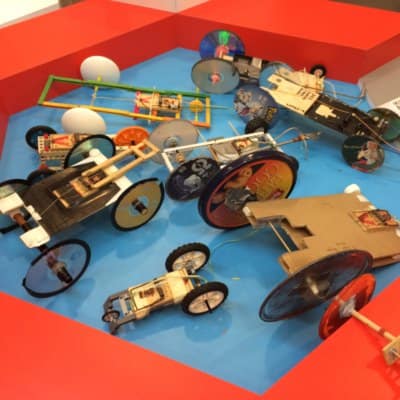
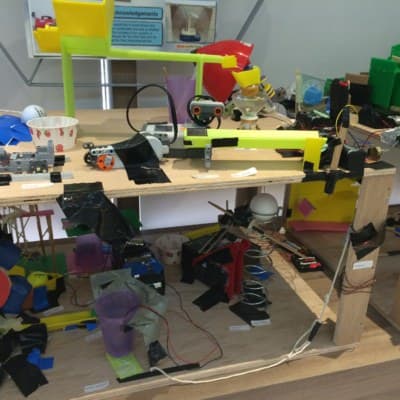
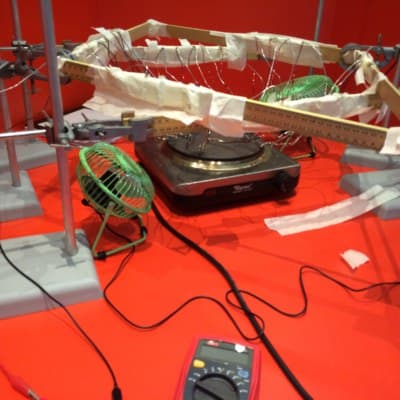
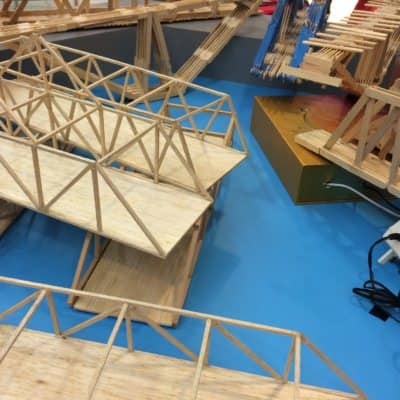
Chew Wai Lee says, “Exams only test this much,” holding her arms in a circle in front of her. “But the kids learn this much,” she smiles, throwing her arms wide open. These are projects that have been used to assess skills and process learning at SST:
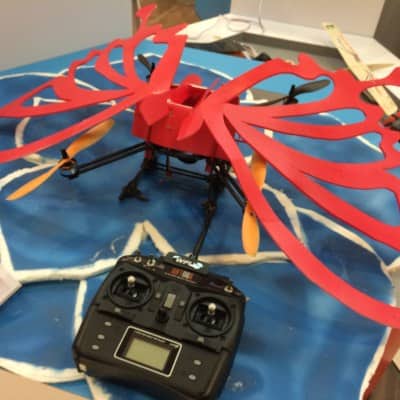
Applied learning in the classrooms
Integrated technology
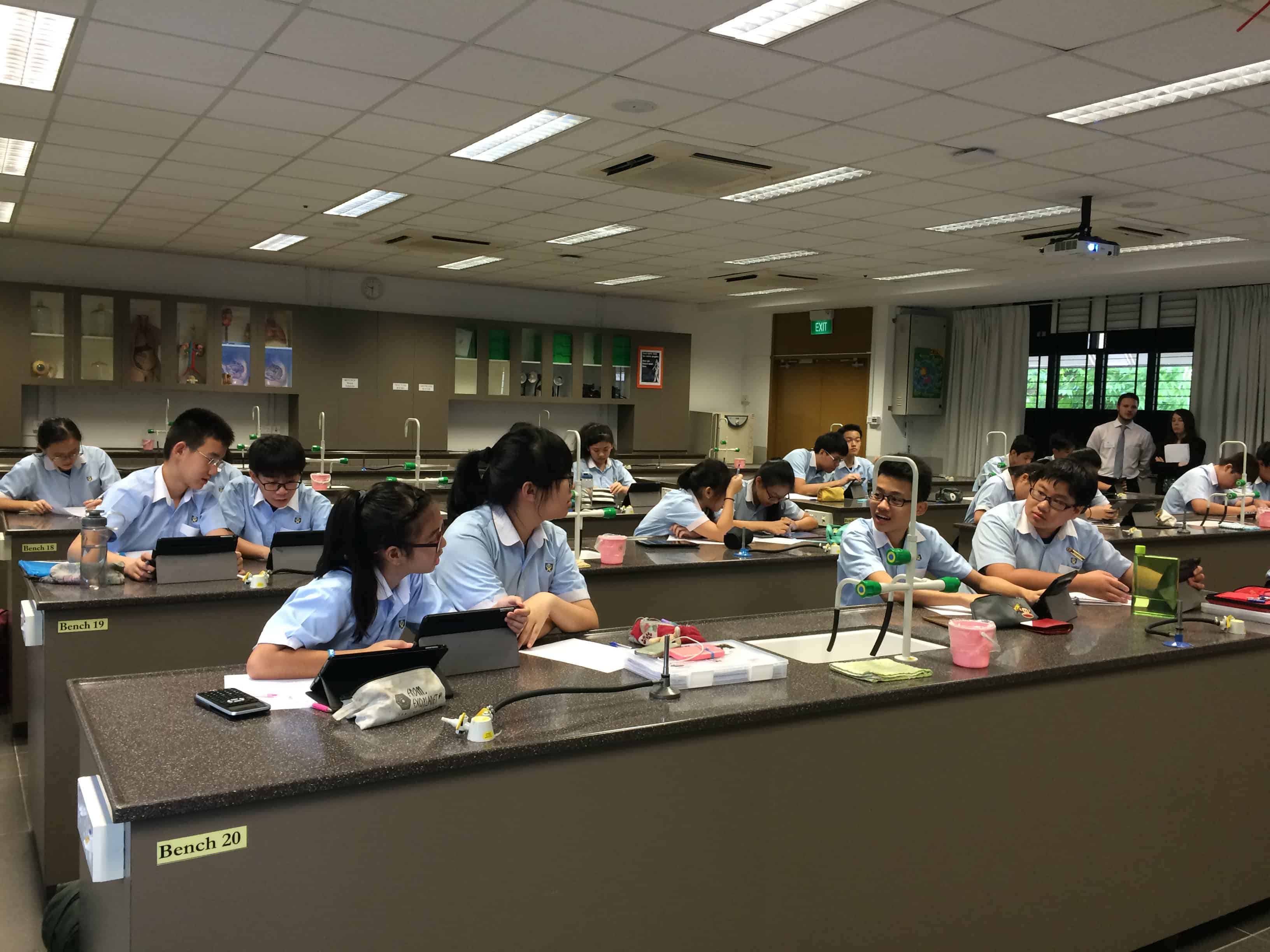
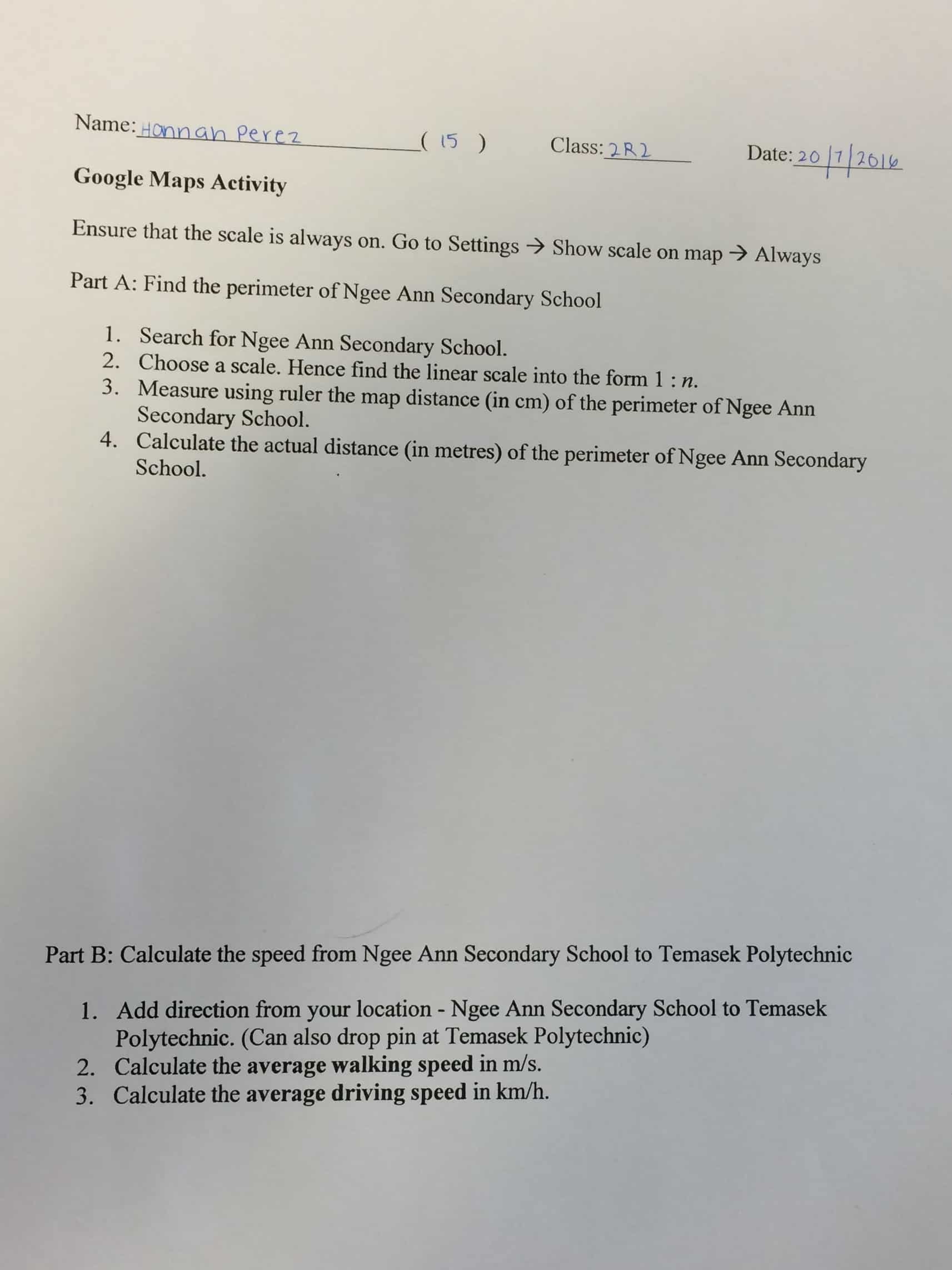
In this math class at Ngee Ann Secondary School, Google maps is being used to teach perimeter and speed.
Here is the assignment:
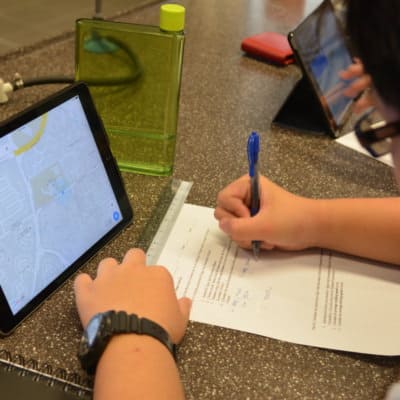
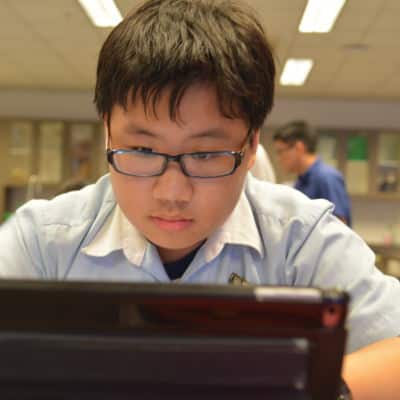
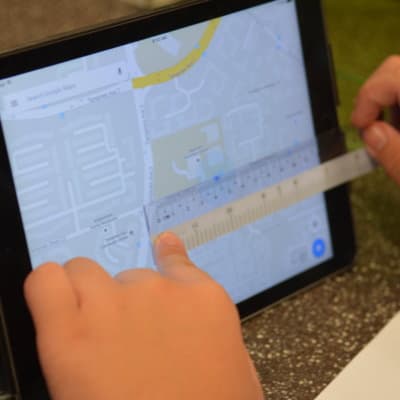
The teacher walks around the classroom, actively monitoring student work, progress, and understanding.
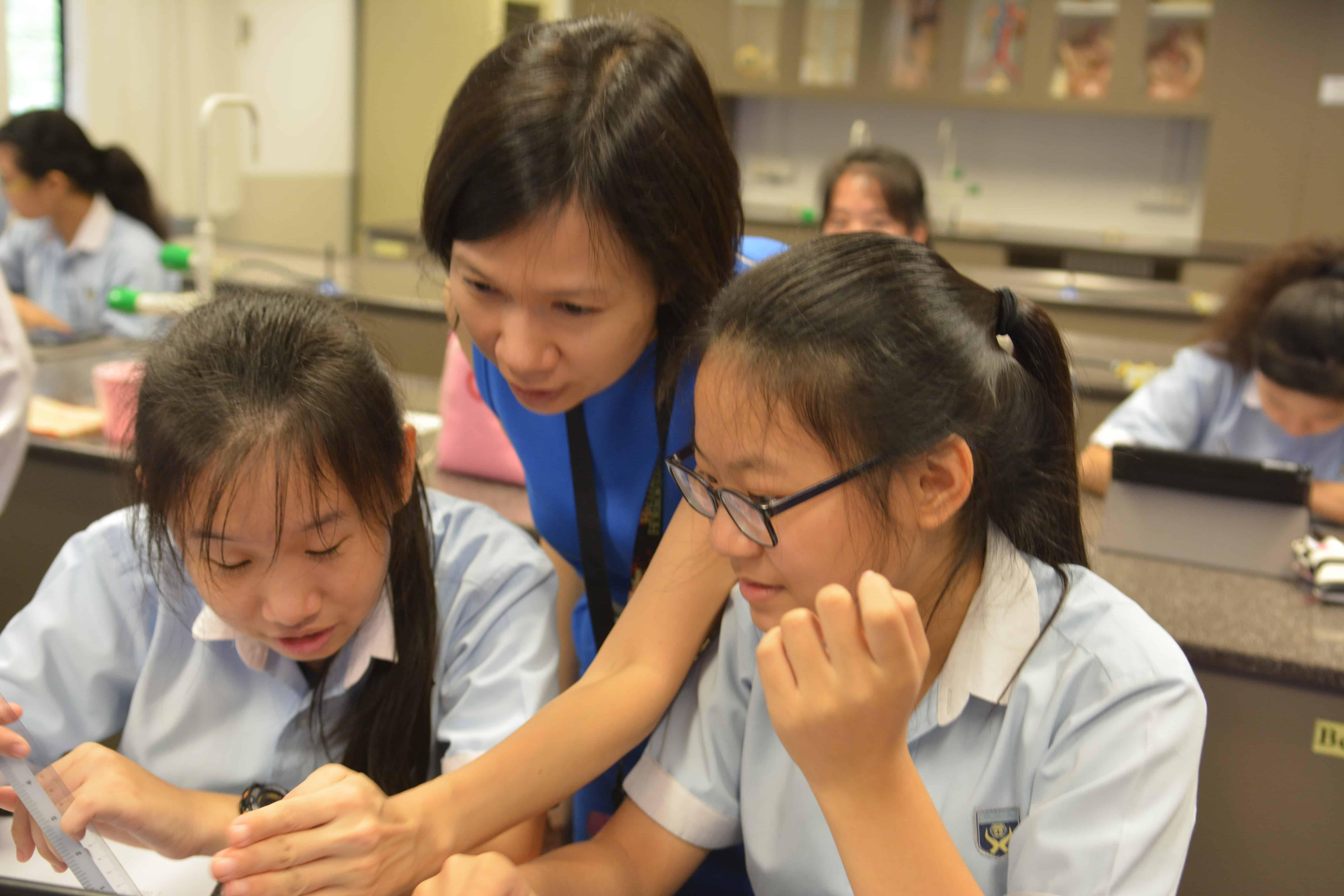
“It’s not everything tech, it’s the right things tech.”
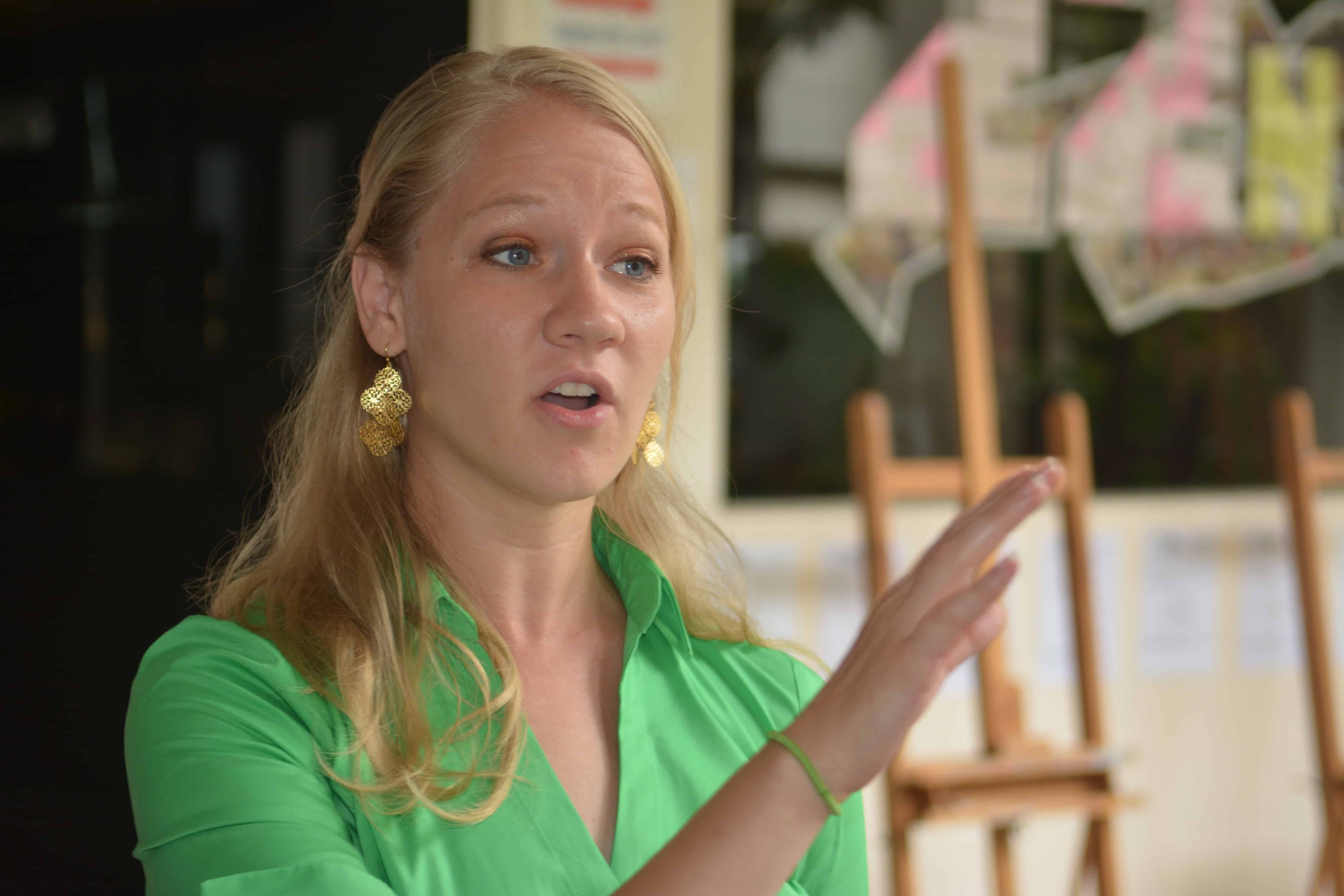 Stephanie Evans, a science teacher in Roxboro, says, “What I saw here that I loved is what I personally consider to be the appropriate use of technology. Where it’s not everything tech, it’s the right things tech. So we saw a math class where the kids were learning about perimeter. They were learning about conversions. They were using a Google maps app, and they had to find their school and then use a ruler to find the perimeter. And they were recording and doing calculations on paper. It’s integrated technology.”
Solving real-world problems
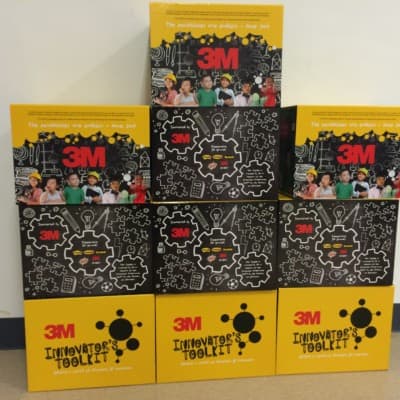
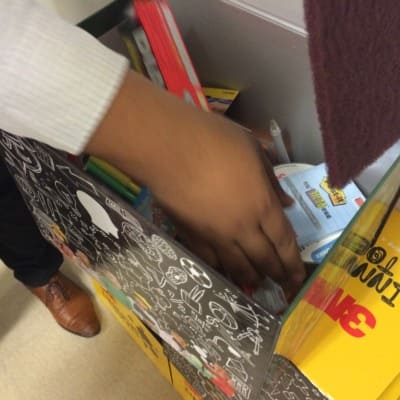
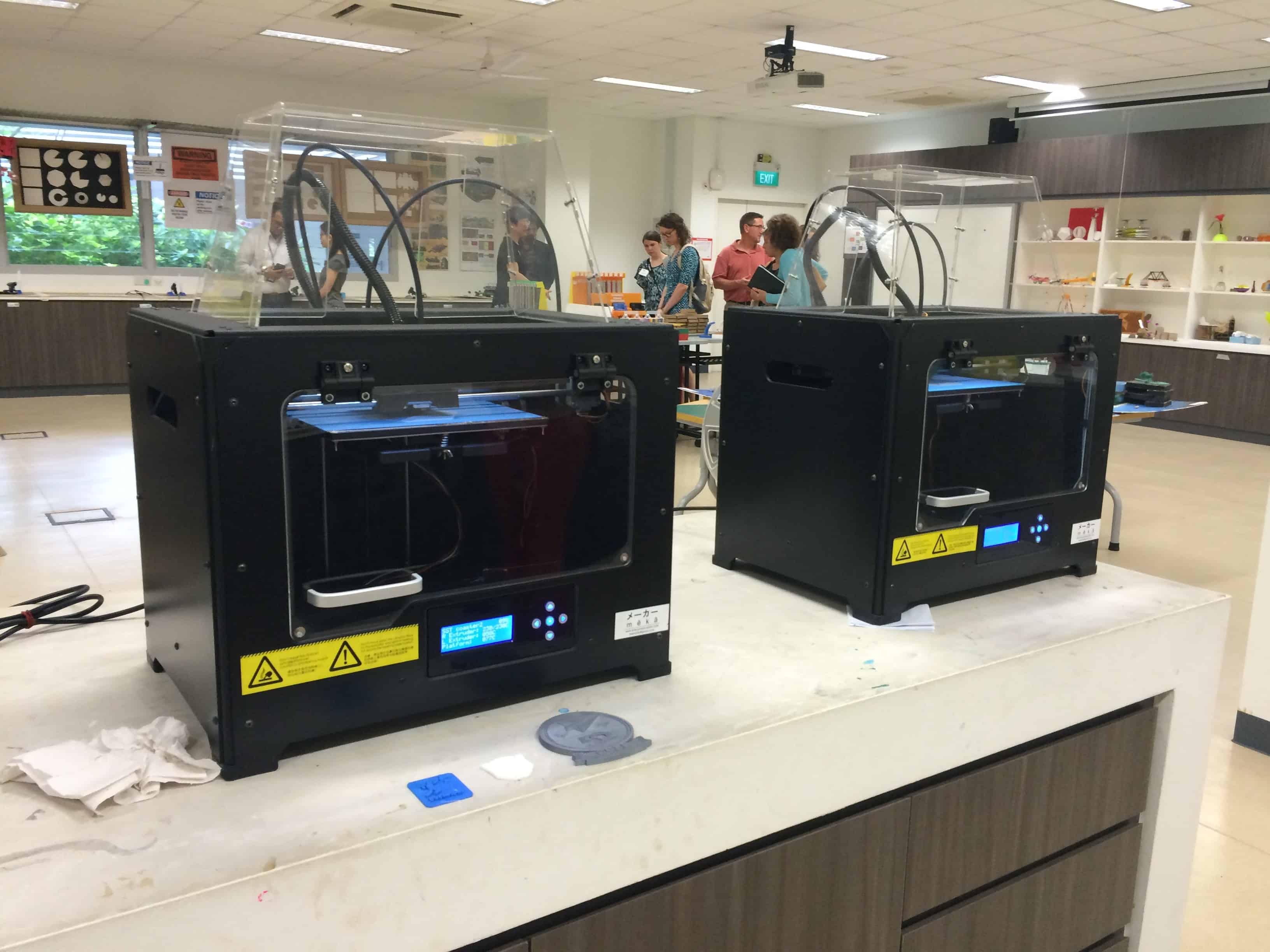
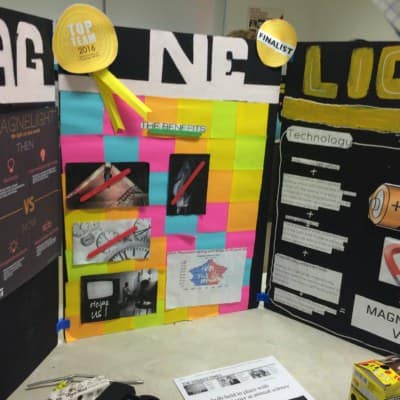
In this classroom at SST, students use a 3M Innovator’s Toolkit to design products that will solve real world problems. Each toolkit contains an assortment of everyday items — tin foil, post-it notes, duct tape, markers, etc. — specially designed for rapid prototyping. Teams are able to use 3D printers to design special parts. 3M consultants are brought in as the design process unfolds to mentor the students as they iterate their products. Inspired by the need to make it easier for Singapore’s aging population to change light bulbs, a team of 12- and 13-year-old students recently won a science competition for a prototype they developed using magnets.
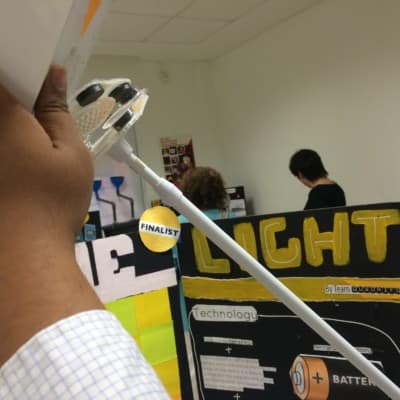
Linda Chan, the principal of SST, says, “SST’s aim has always been to nurture the next generation of passionate innovators who improve society through hands-on applications of science and technology. To do so, we consistently provide our students with opportunities to apply what they learn in school to real-world problems. Our collaboration with 3M has enabled students to gain deeper insights through their mentorship under skilled practitioners in the industry.”
Iterating solutions
In this robotics lab at SST, students are using Legos to design artificial hands. The students walk us through their design thinking process as they explored ways to articulate the fingers.
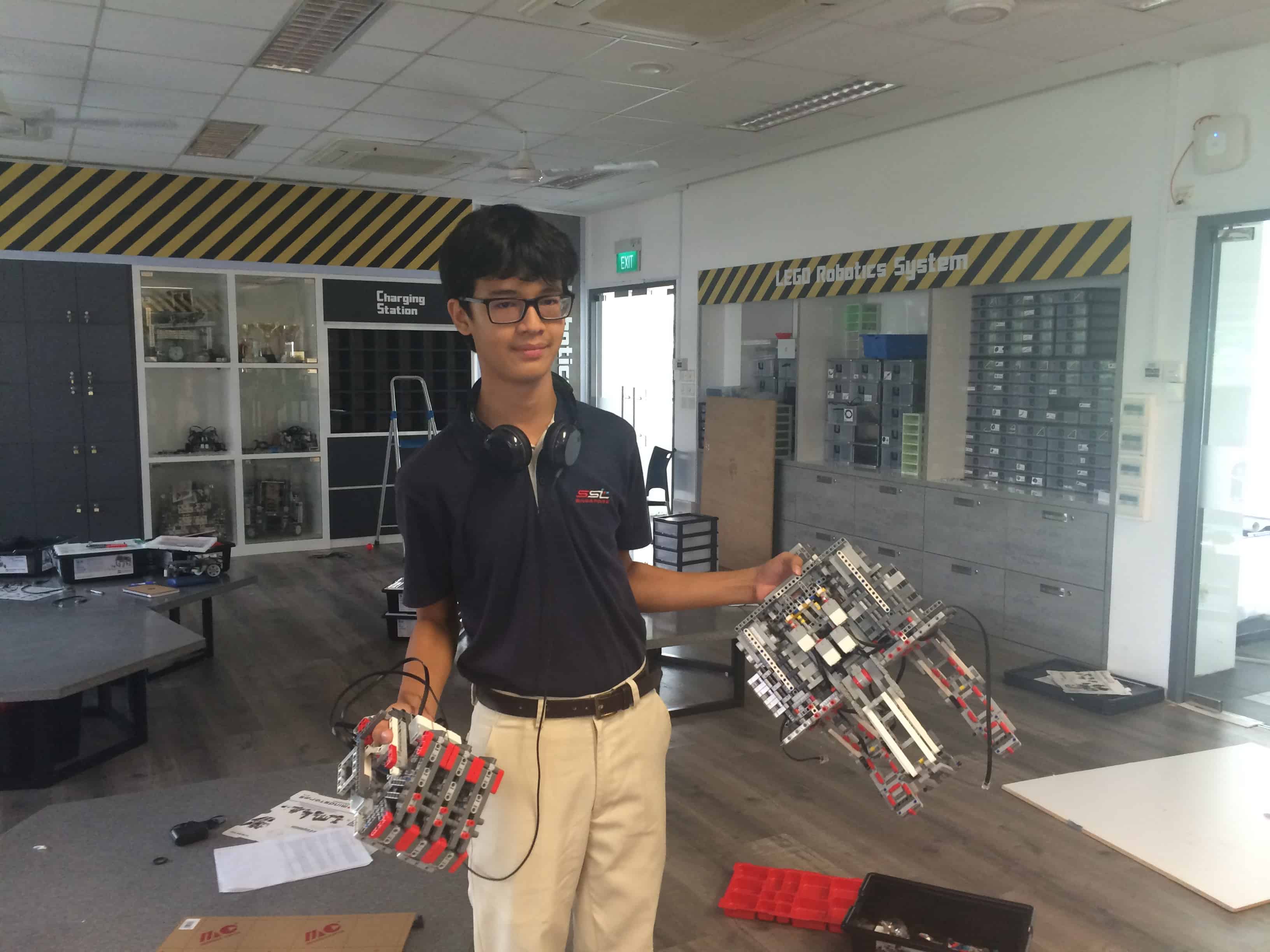
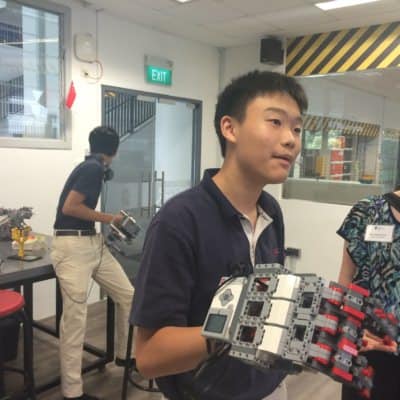
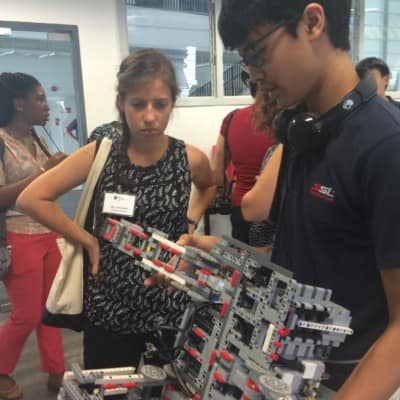
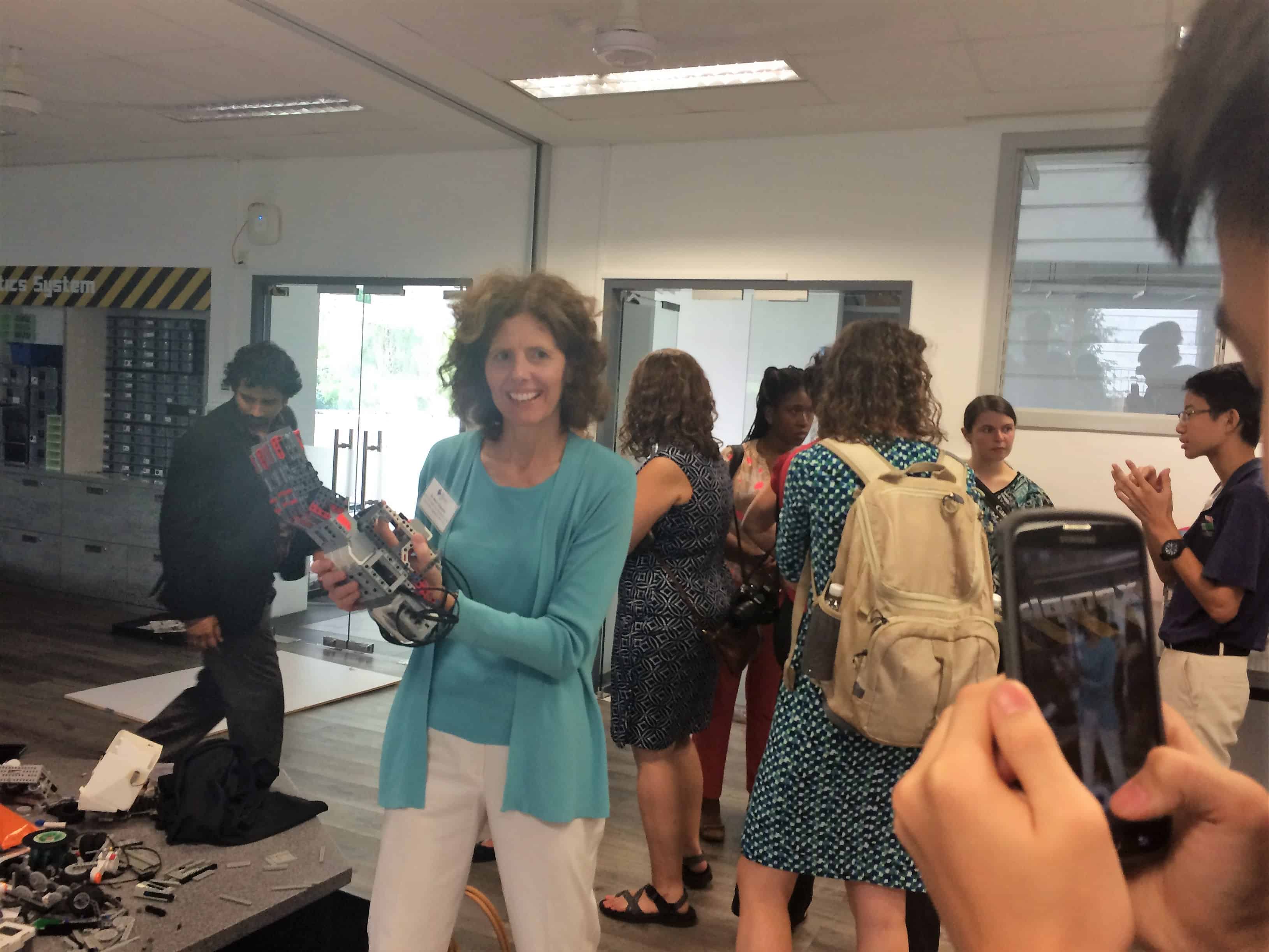
“When we teach children design thinking,” says Chew Wai Lee at SST, “that’s real world.”
Space matters
As we have seen in Union County’s Classrooms of Tomorrow, the design of the physical space matters when creating educational environments intended to inspire students to think critically and creatively.
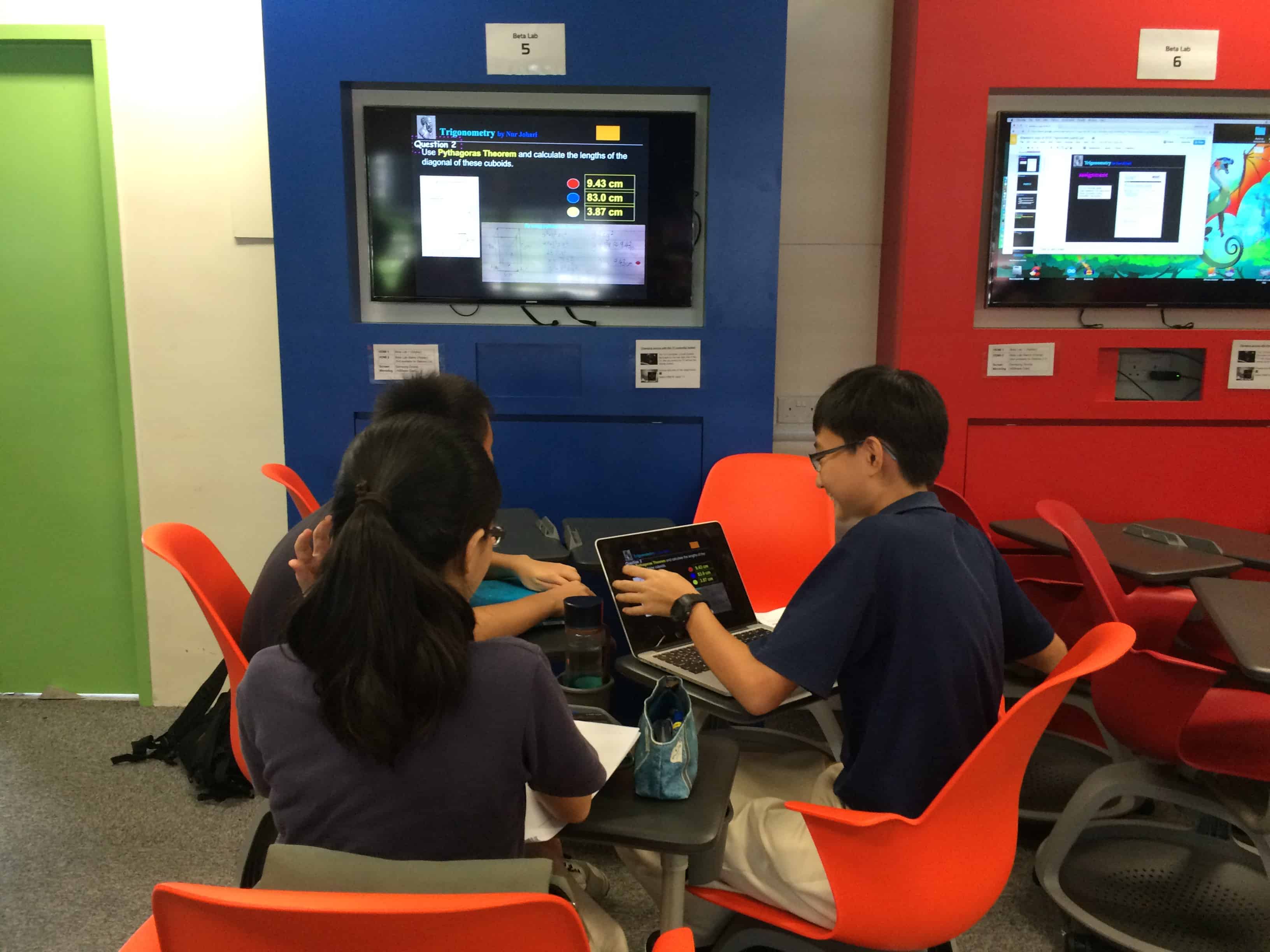
In this math classroom at SST, there are eight screens surrounding the students and the desks are on wheels, creating the ultimate experience in flexible space. “We want to make learning visible,” says the teacher.

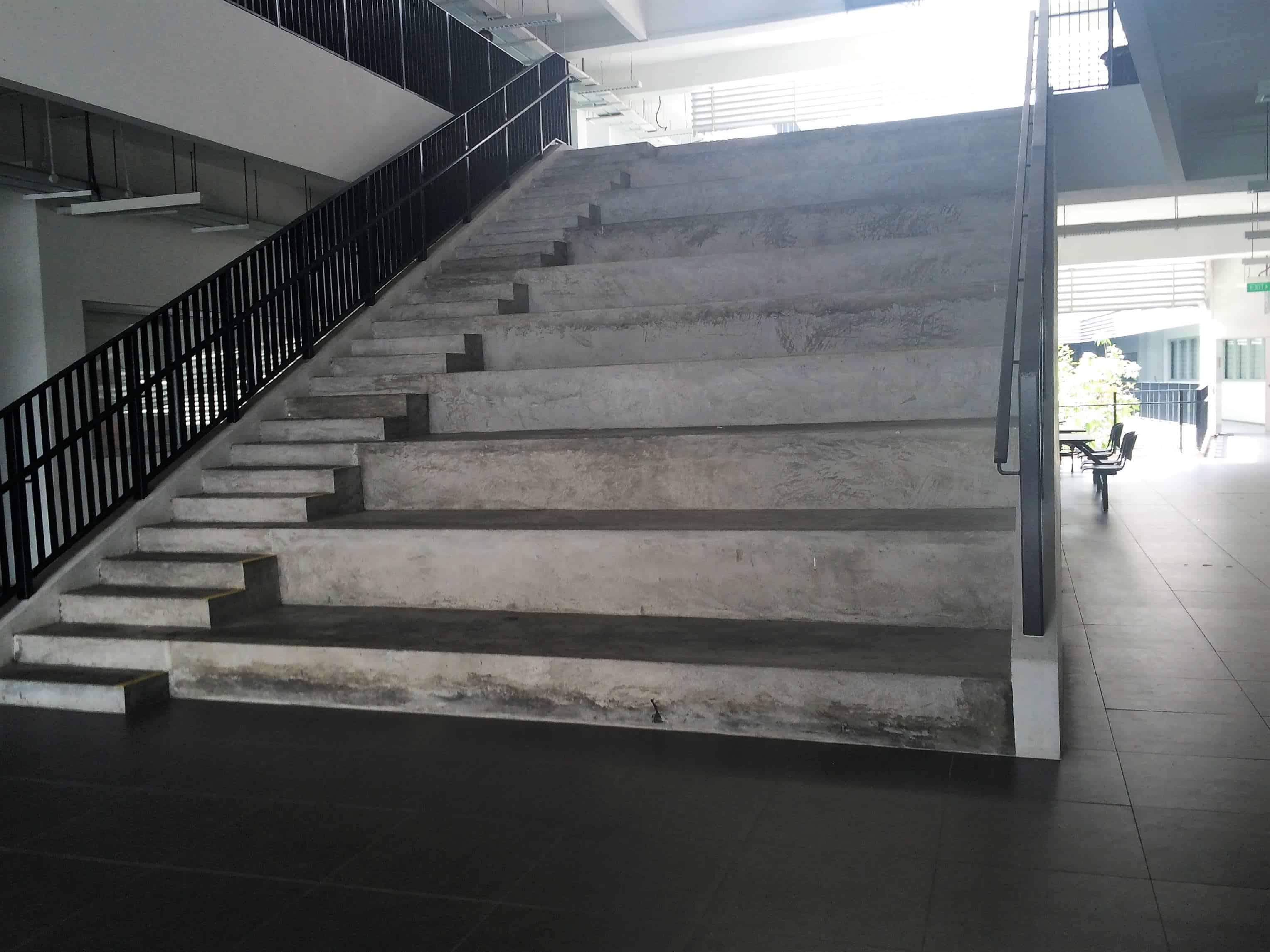
These stairs are used as an amphitheater to showcase the work of the robotics lab at SST.
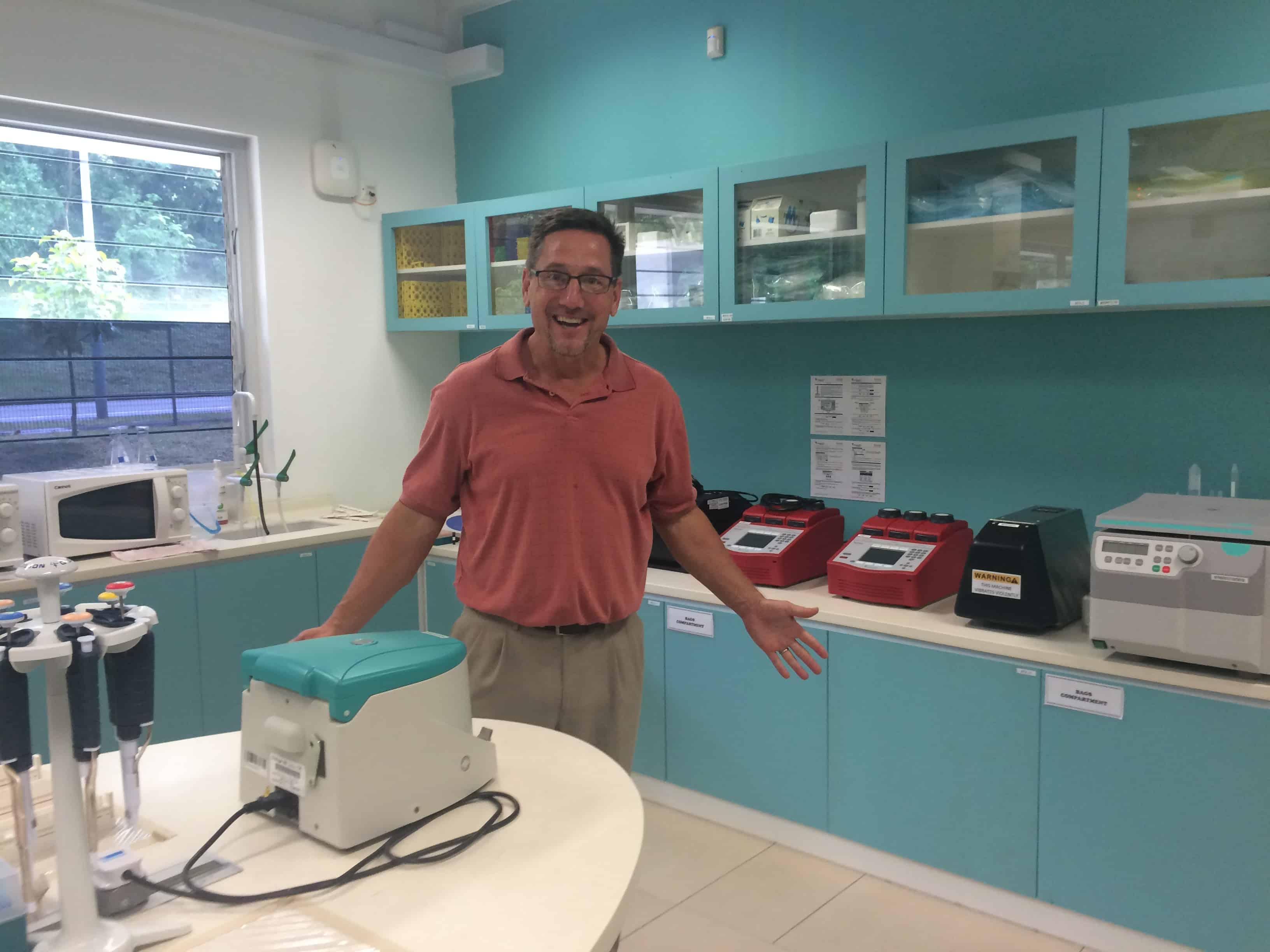
Circular seating in this biotech lab at SST fosters collaboration.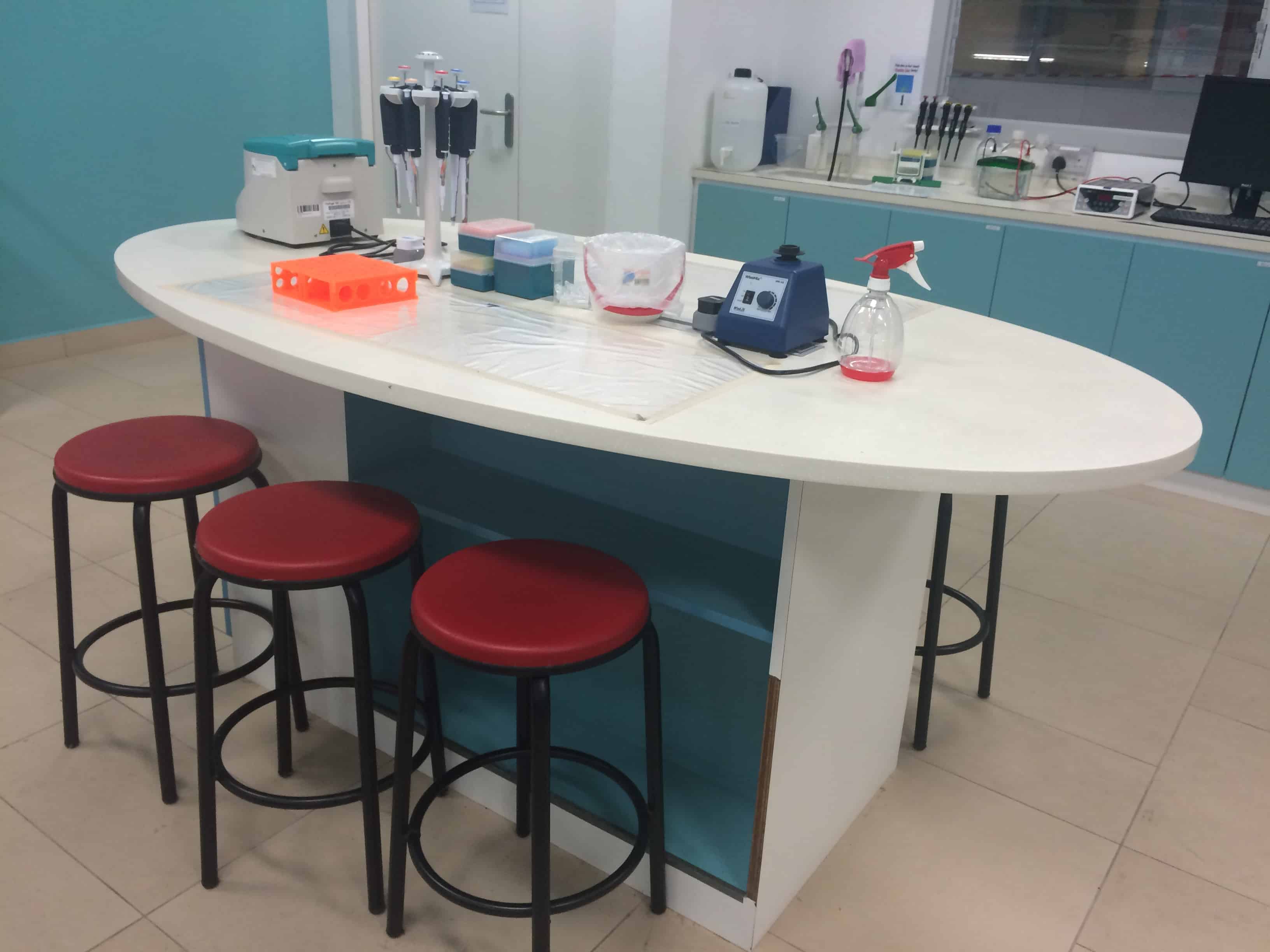
…are not hard to find at SST or any of the other schools we have visited in Singapore because this country knows how to connect its policy choices to practice in its classrooms. When a new master plan is rolled out, educators tell us that the changes are felt in classrooms throughout the country within one year. Fast, they say. The education system itself strives to be nimble and iterative and innovative — all of the things it hopes for its students and their future.