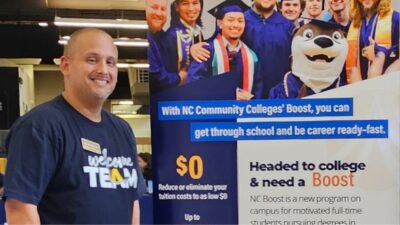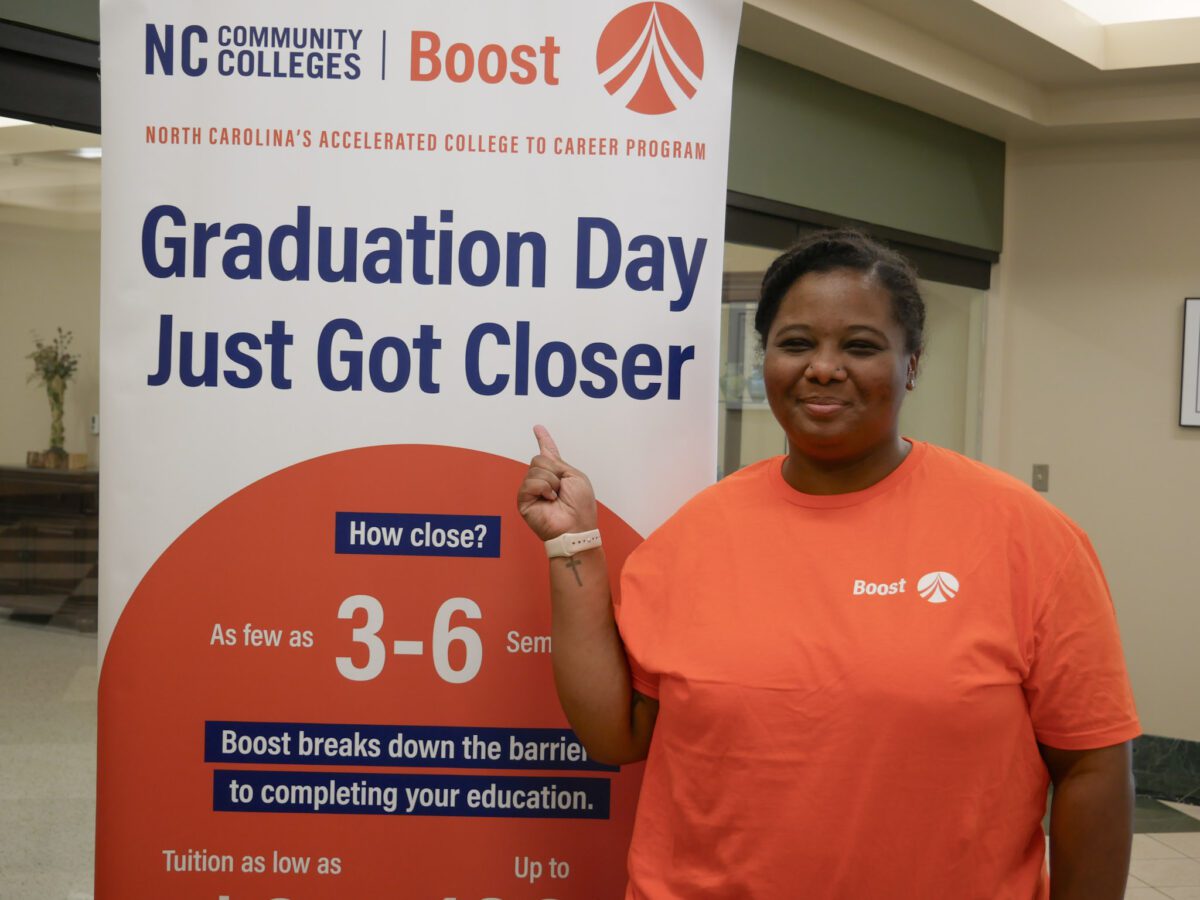
This semester, eligible students across eight community colleges in North Carolina are enrolling in the first cohort of Boost, the state’s new accelerated college-to-career program designed to increase completion rates and move students into high-wage, high-demand jobs.
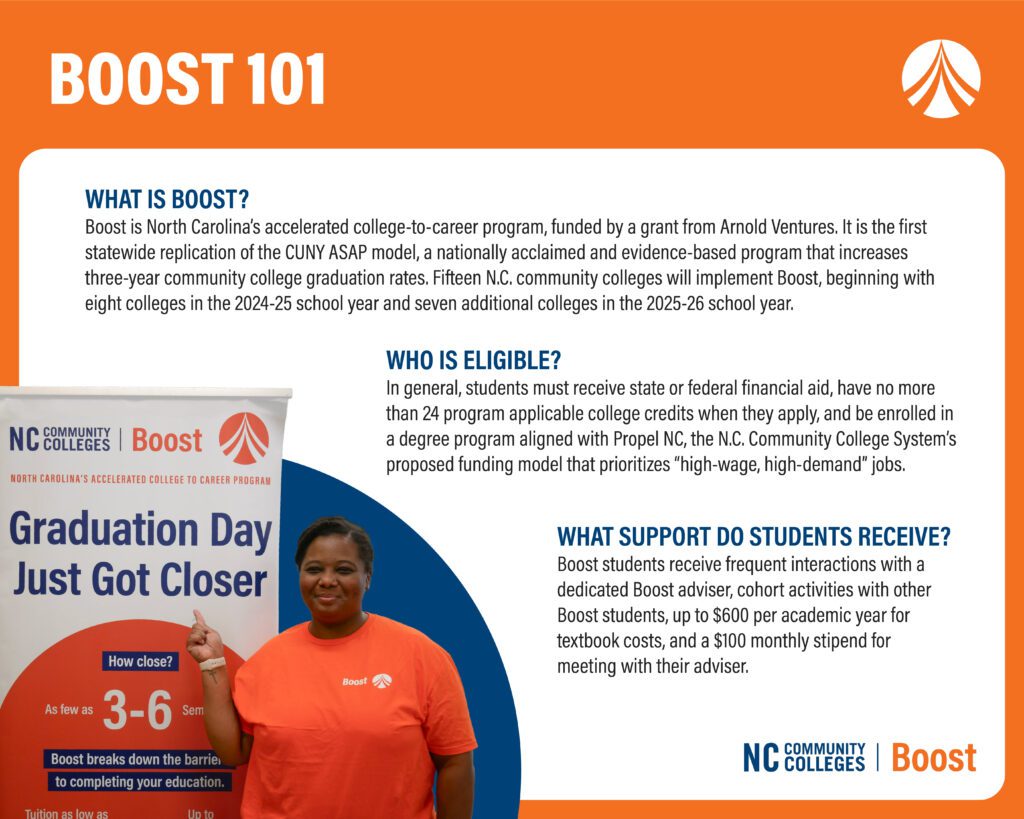
Funded by a grant from Arnold Ventures, Boost provides enrolled students with a variety of wraparound supports, including frequent interactions with a dedicated Boost adviser, cohort activities with other Boost students, up to $600 per academic year for textbook costs, and a $100 monthly stipend for successfully meeting with their adviser. To be eligible for Boost, students must receive the Next NC scholarship, which covers tuition and fees.
Boost is the first statewide replication of the CUNY ASAP model, a nationally acclaimed and evidence-based program that has proven its ability to increase three-year community college graduation rates. It is also the first replication of CUNY ASAP tied directly to workforce needs — eligible students must be enrolled in an associate degree program that aligns with Propel NC, the N.C. Community College System’s (NCCCS) proposed funding model that “prioritizes connecting students to high-wage, high-demand jobs.”
But what does Boost actually look like on the ground?
EdNC is visiting the first cohort of Boost community colleges alongside representatives from NCCCS and the Belk Center for Community College Leadership and Research, which is leading the formal research and evaluation of Boost.
You can find all of EdNC’s continuing coverage of Boost here.
 Sign up for Awake58, our newsletter on all things community college.
Alamance Community College

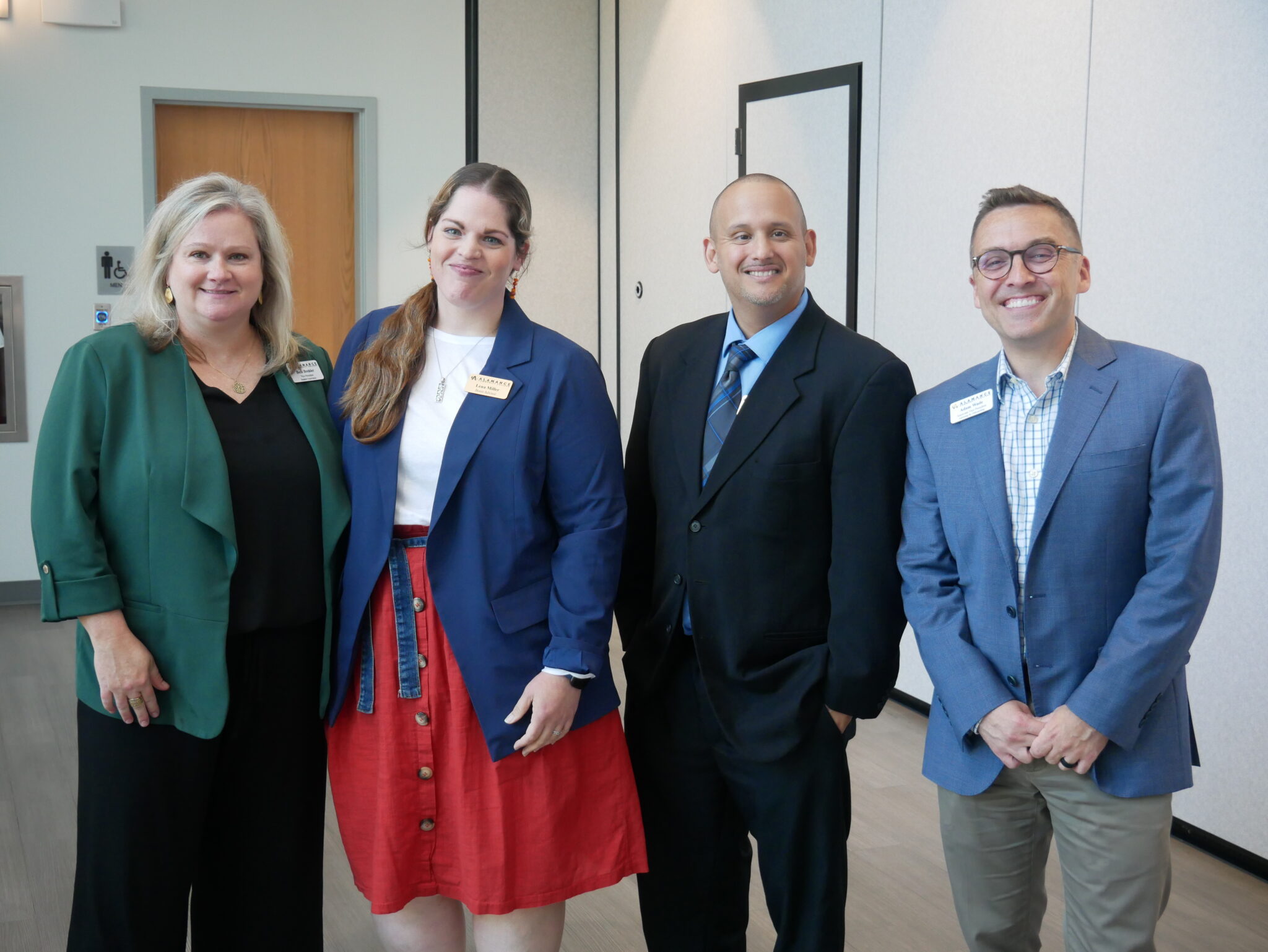

Long before Boost was announced, leaders at Alamance Community College were changing the college’s approach to advising based on the best practices of the CUNY ASAP program, such as hiring full-time staff to work as dedicated advisers rather than relying on faculty. When the opportunity to apply to be part of Boost became available, it felt like “a perfect fit for us,” said Dr. Ken Ingle, president of Alamance Community College.
As Boost gets underway, Ingle is excited about the program’s ability to solve what he sees as the core challenge many students face.
“They’ve never had someone in their corner,” he said, adding that Boost allows the college to help students better navigate the entire educational process, including barriers that arise inside and outside of the classroom, to ensure they are successful.
Matthew Eckhoff, Boost director at Alamance and the former director of ASAP at LaGuardia Community College, said that Boost advisers play a critical role in ensuring students don’t slip through the cracks. In the Boost model, students are required to meet with their advisers each month, better ensuring that students don’t slip through the cracks.
“A lot of people think it (advising) is course selection and whatnot, but that’s a small part of what advising is,” Eckhoff said. “It’s about meeting the student where they are, following them through their trajectory, and connecting them with all the different supports and resources they need for themselves to be successful.”
Cape Fear Community College
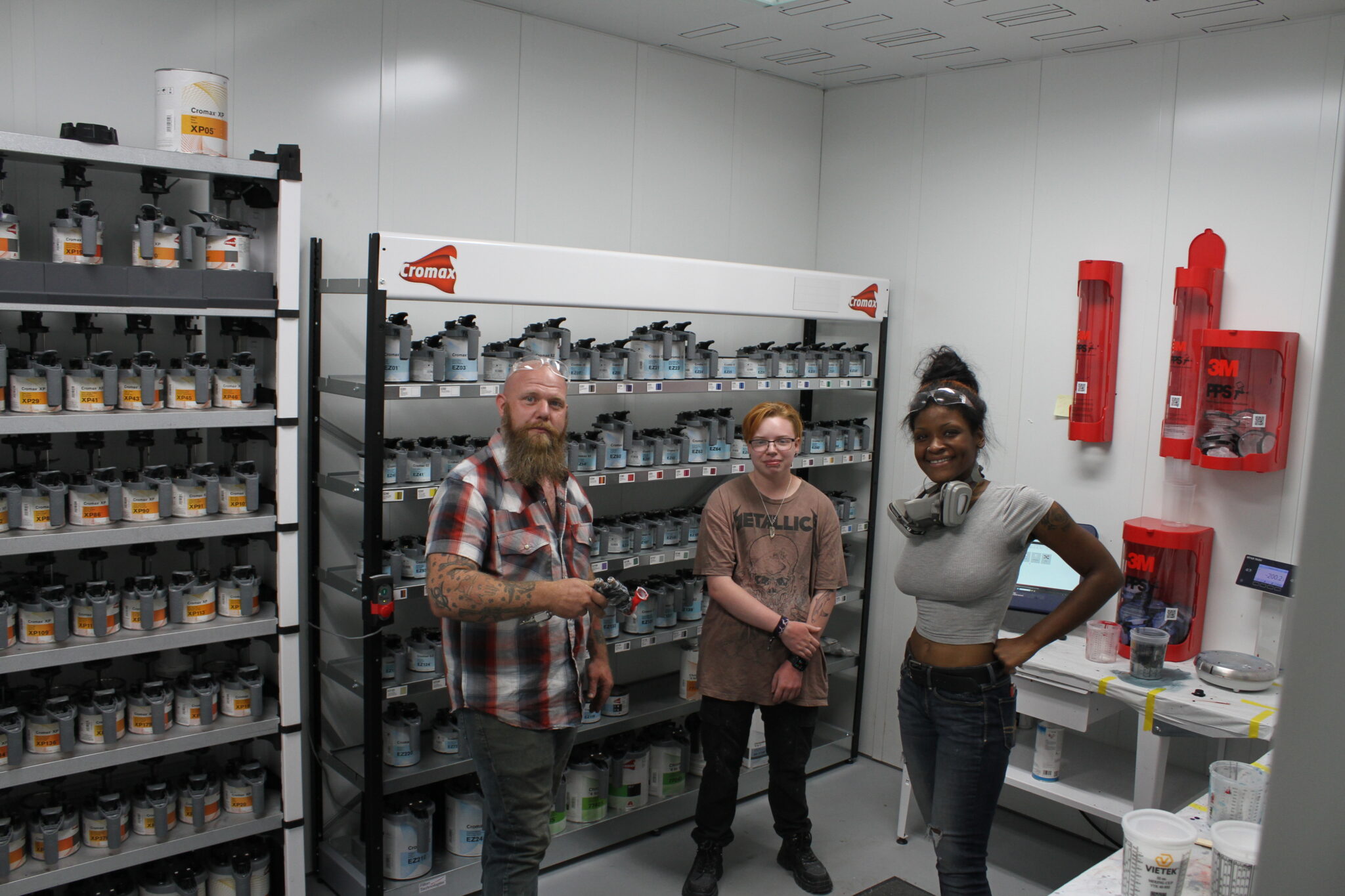
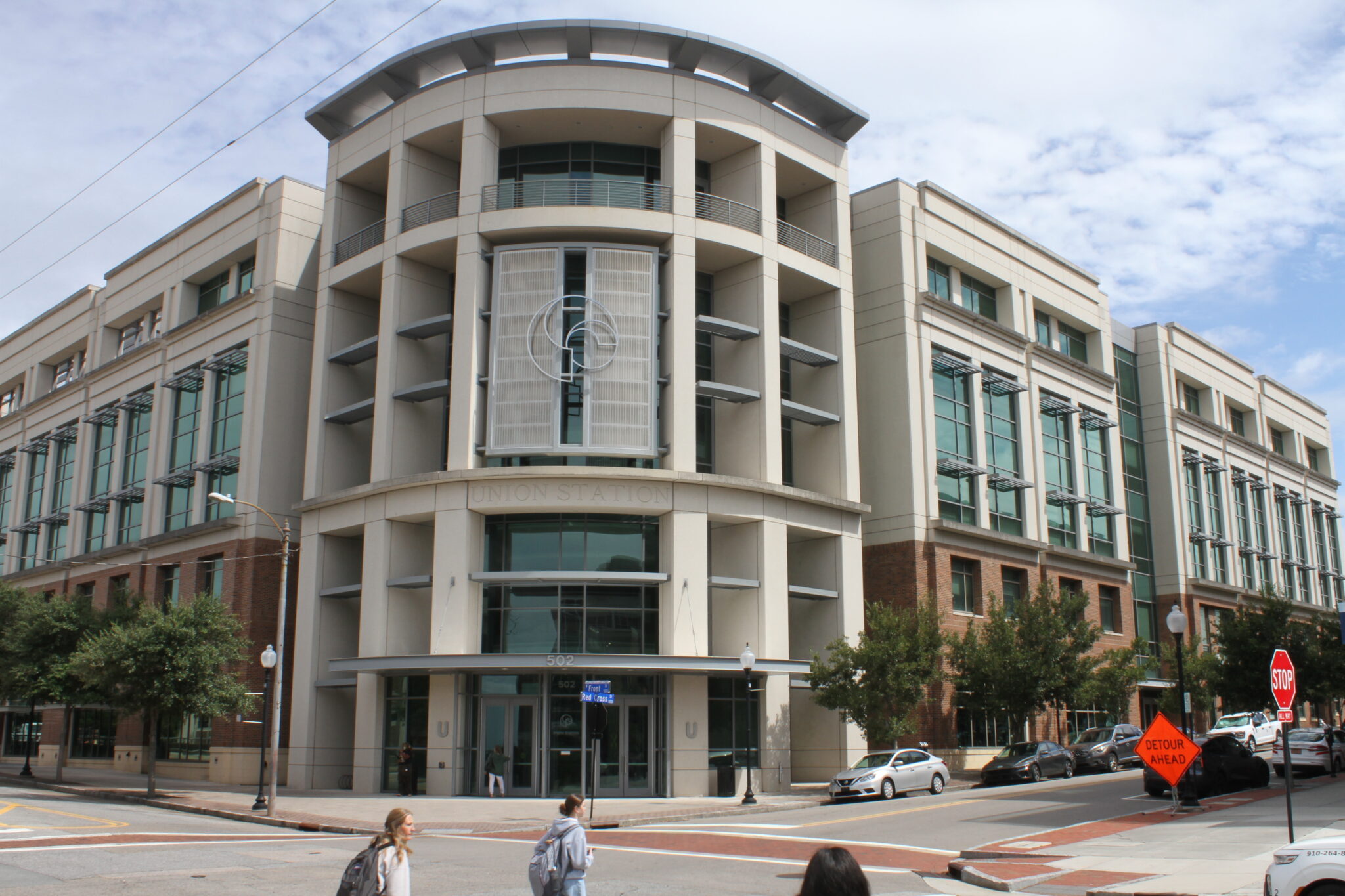
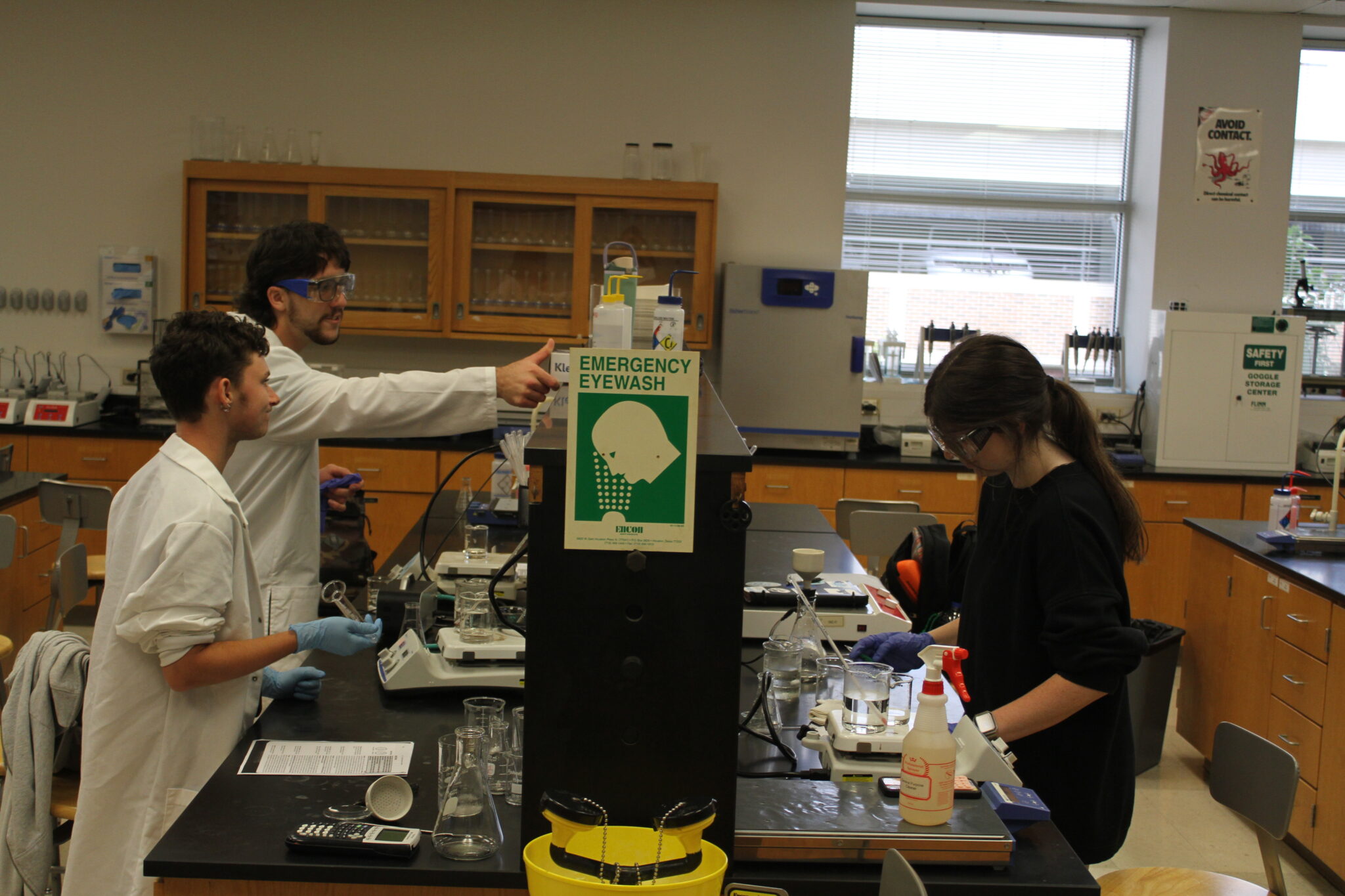
Jim Morton, president of Cape Fear Community College (CFCC), said the college has heightened its focus on career and technical education in the last several years, aiming to better meet the needs of local businesses. Boost aligns both with those local workforce needs and with another focus of the college: increasing student success and retention.
“It (Boost) dovetails right in with our mission,” said Morton.
At CFCC, word of mouth has been a powerful recruiting tool for Boost. When students first hear about the financial benefits of the initiative, they often think it’s too good to be true.
“Students always assume there’s some catch to it, so we’re also trying to find ways to legitimize the program,” said Sabrina Terry, senior vice president of student services at CFCC. “They’re going to start realizing, ‘OK, my friend did it, so I can do it.’”
Leaders at CFCC have also seen the benefits of collaboration, both with the other seven community colleges currently implementing Boost and with staff from the NCCCS. They hope what they’re learning will be useful to the second cohort of seven additional community colleges that will implement Boost beginning in the 2026-27 school year — such as the importance of getting personnel hired as early as possible.
Caldwell Community College & Technical Institute
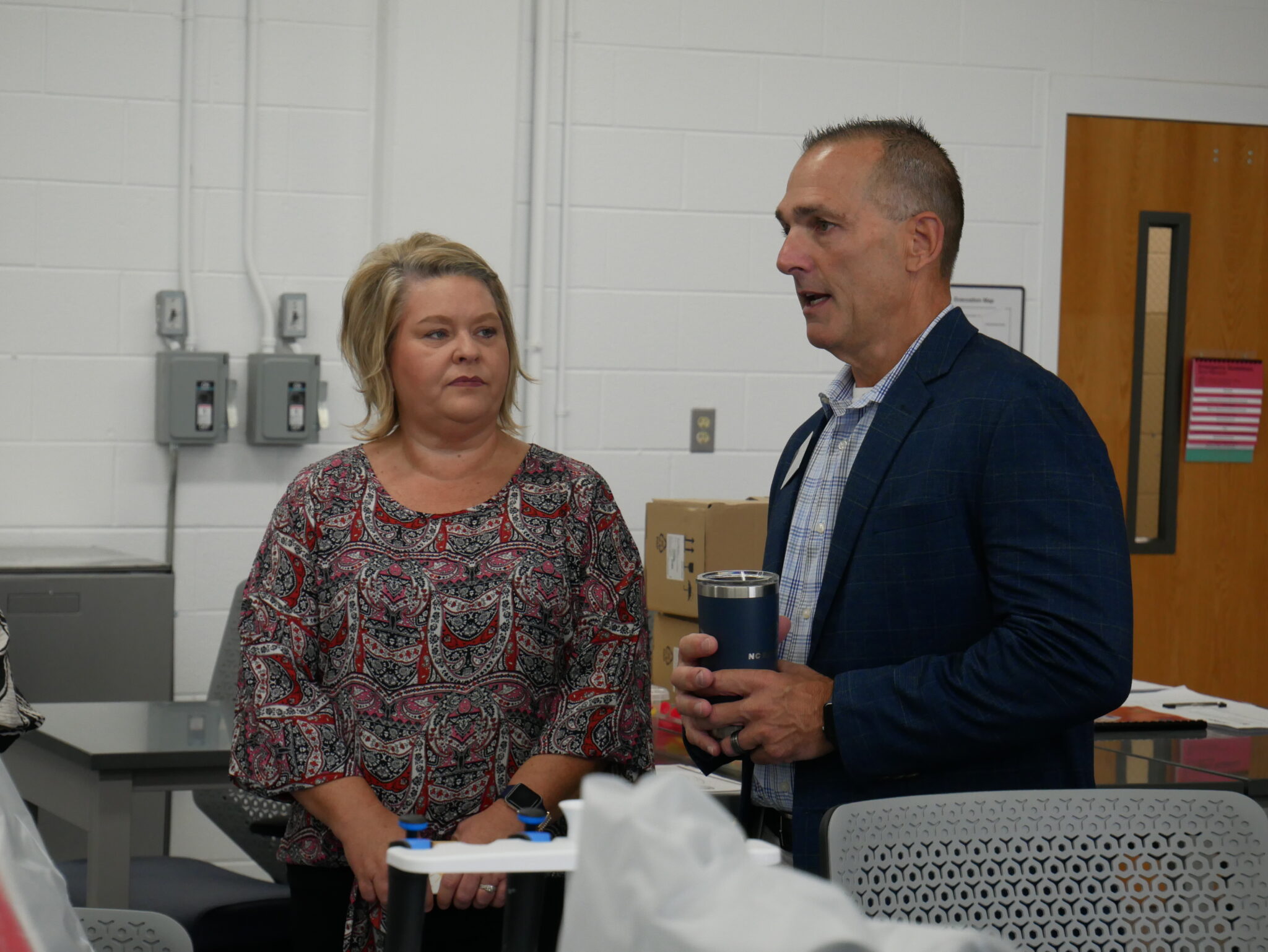
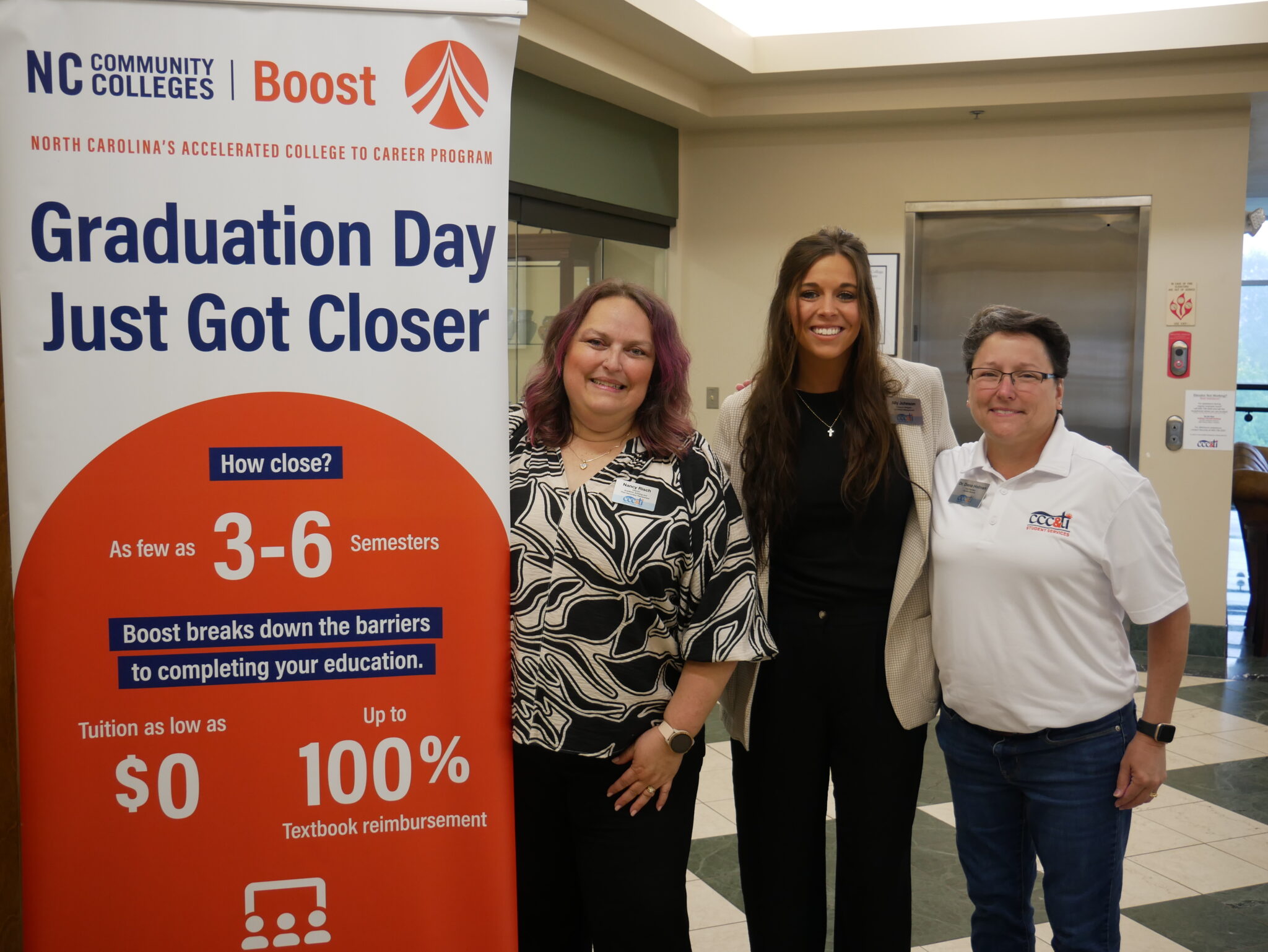
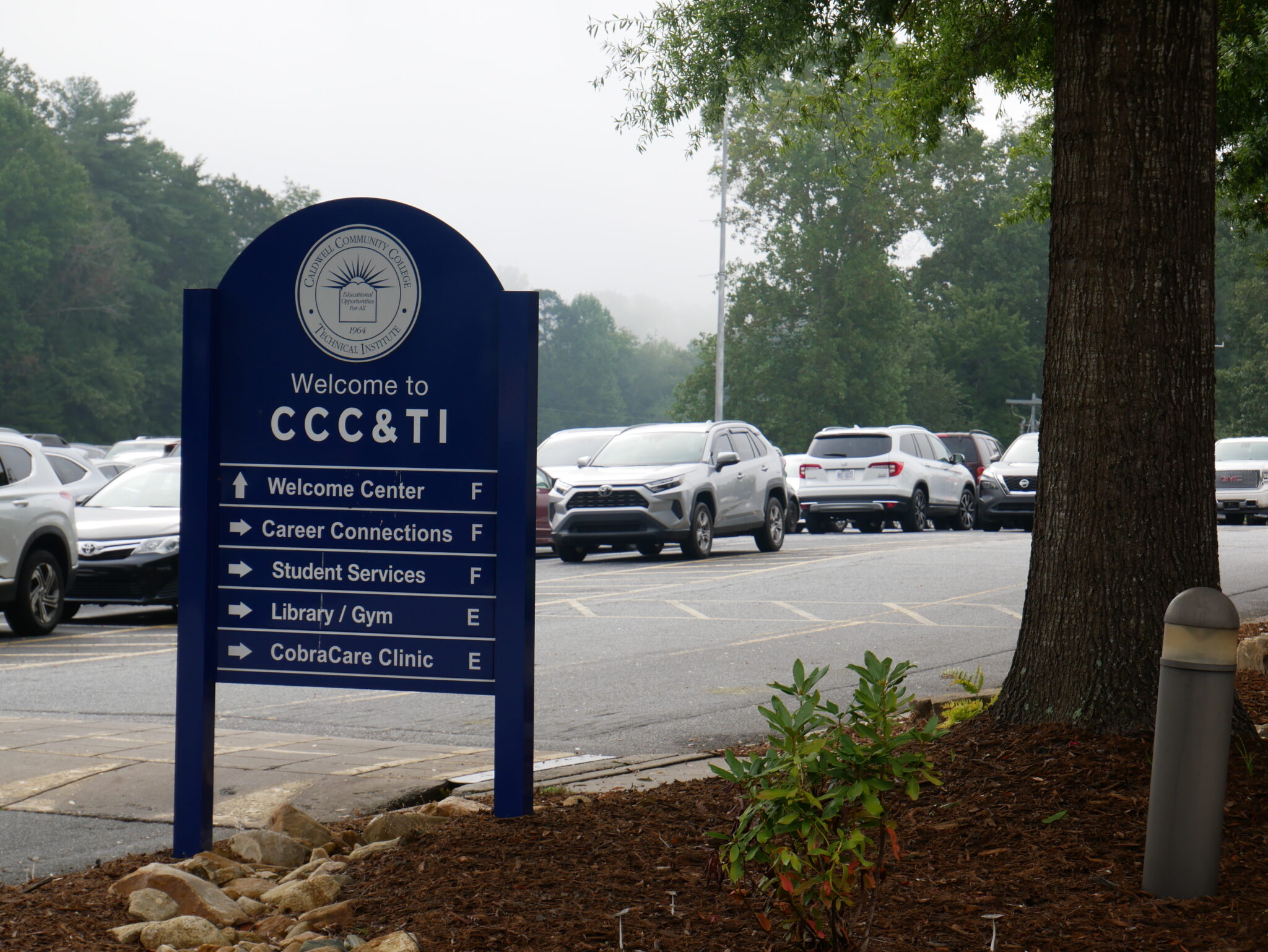
Caldwell Community College & Technical Institute (CCC&TI) and Cleveland Community College are participating in Boost as a consortium. That means one Boost director, Nancy Risch, leads the programs at both schools, and the combined target enrollment in Boost across both campuses is 150 students, whereas other colleges are aiming to enroll 150 students each.
Dr. Mark Poarch, president of CCC&TI, said Boost is a key part of the college’s strategy to accelerate on-time completion rates and attainment of industry-recognized credentials. He also sees Boost as closely connected to other campus initiatives, including NC Reconnect, which focuses on adult learners, and RISE Caldwell-Watauga, a new initiative focused on expanding access to work-based learning.
“People don’t want to spend three years getting a two-year degree or four years getting a two-year degree,” he said. “So how do we get them through the process quicker? How do we get them into the workforce quicker and have them as contributing members of our communities?”
Risch said Boost is the initiative that has most excited her in the last 10-15 years because of its potential to be a “game changer” for students, particularly those who are facing basic needs insecurity.
“I talked to a student last week who didn’t have internet, and she’s trying to take online classes,” said Risch. “ I said, ‘$100 a month will get you internet. So if you’re eligible, then let’s sign you up now, because we can help you with internet.’”
Cleveland Community College

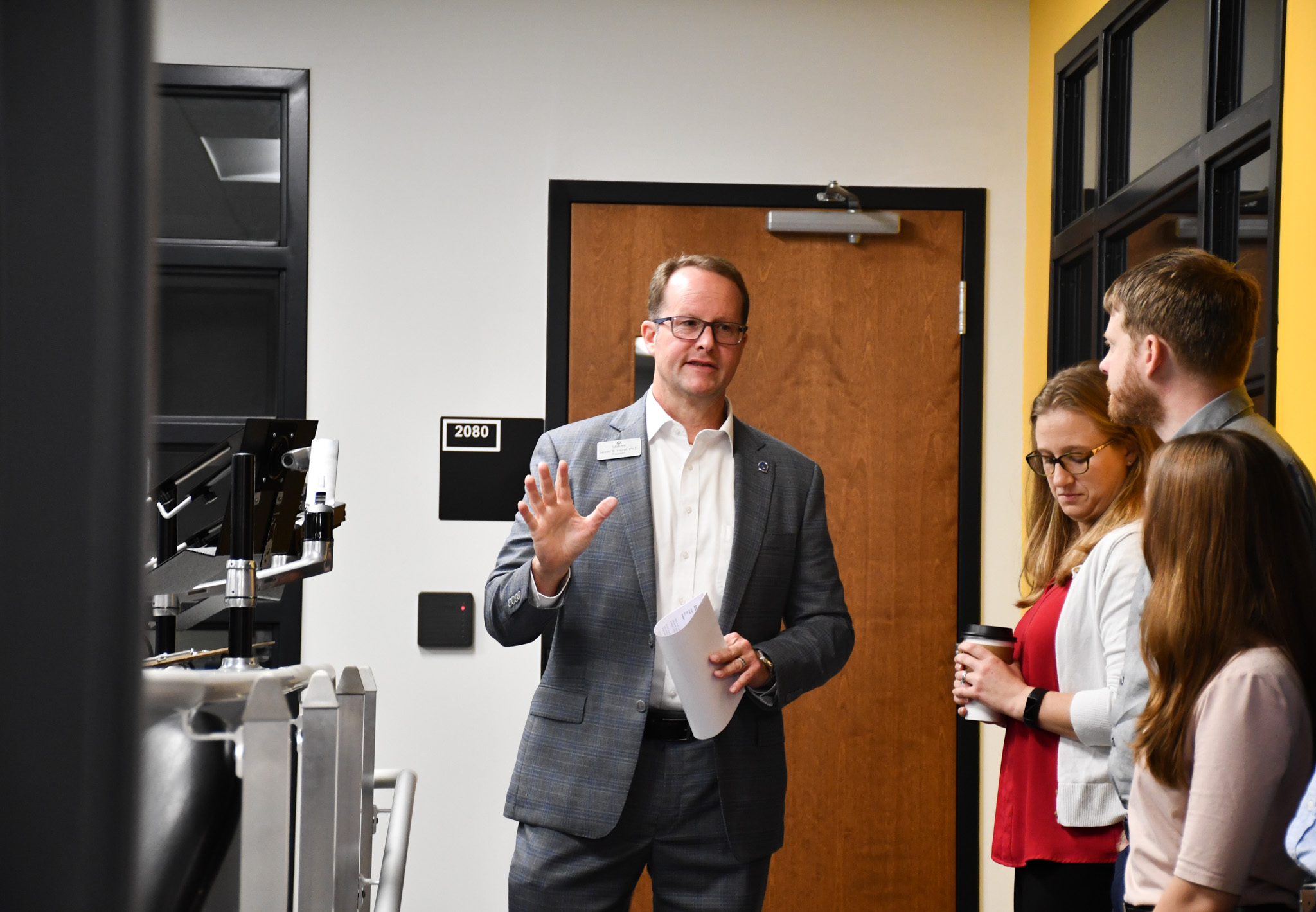
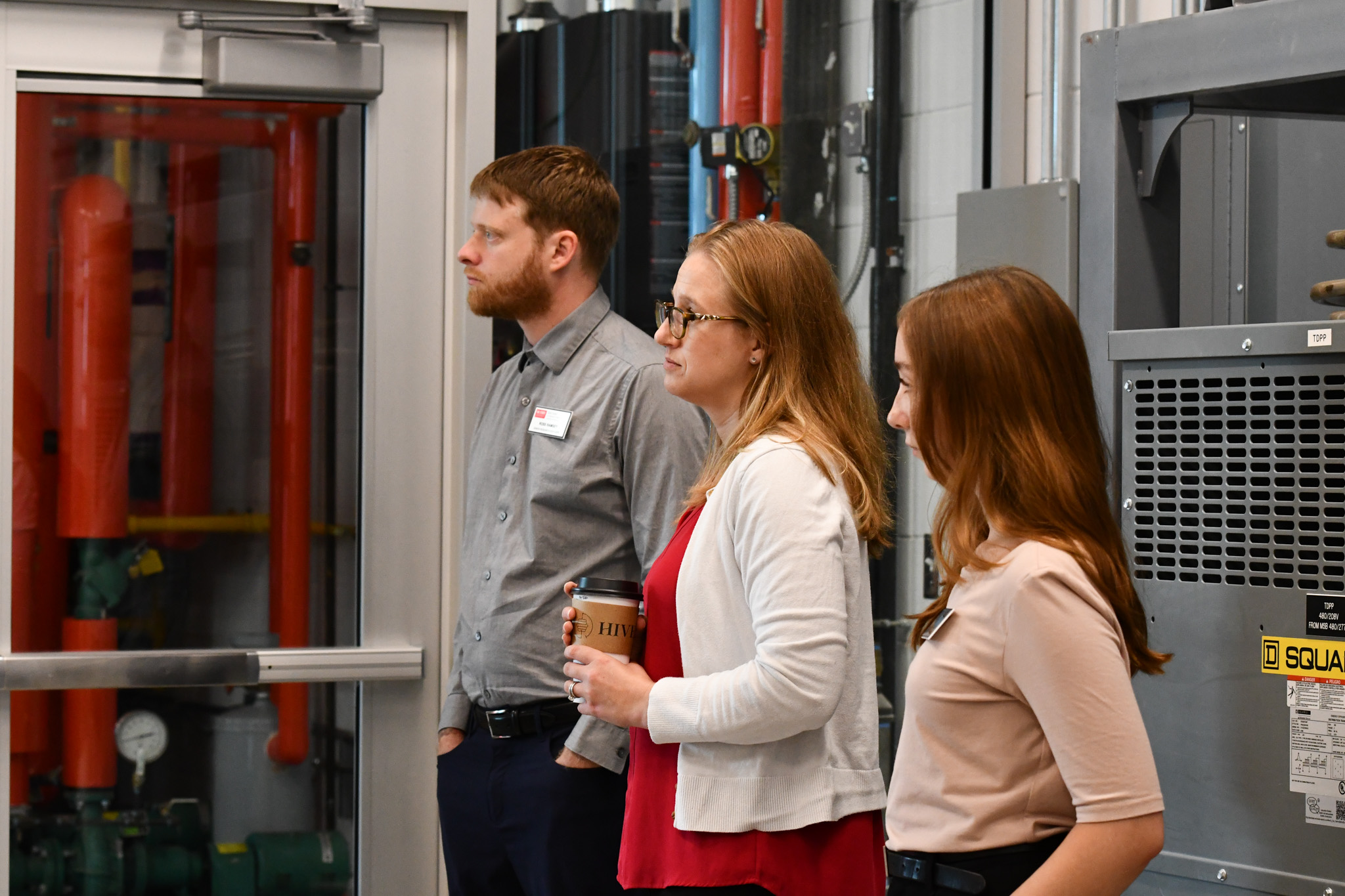
Dr. Jason Hurst, president of Cleveland Community College, said Boost will play an important role in guiding students into hard-to-fill careers. Boost students must be enrolled in a degree program that is aligned with local workforce needs as determined by Propel NC.
“We understand that we exist to support the companies that are in our community,” he said. “These companies rely on us to provide that skilled workforce, and it is challenging to attract students to some programs.”
As part of the consortium with CCC&TI, Cleveland is aiming to enroll 75 students in each cohort of Boost. Those students will meet regularly with a dedicated adviser, resulting in a much smaller caseload than the college’s average, which is roughly 350 students for every one adviser.
Dr. Andy Gardner, vice president of student affairs and enrollment management, said that the college is excited to see what impact this smaller advising caseload, in conjunction with financial incentives, will have on improving retention and completion rates.
“We often have students who just have life that happens and they’re unable to complete for various reasons,” he said. “We want them here full-time, for two years or a little bit less, so that they can get out there in the workforce and start earning money.”
Forsyth Technical Community College
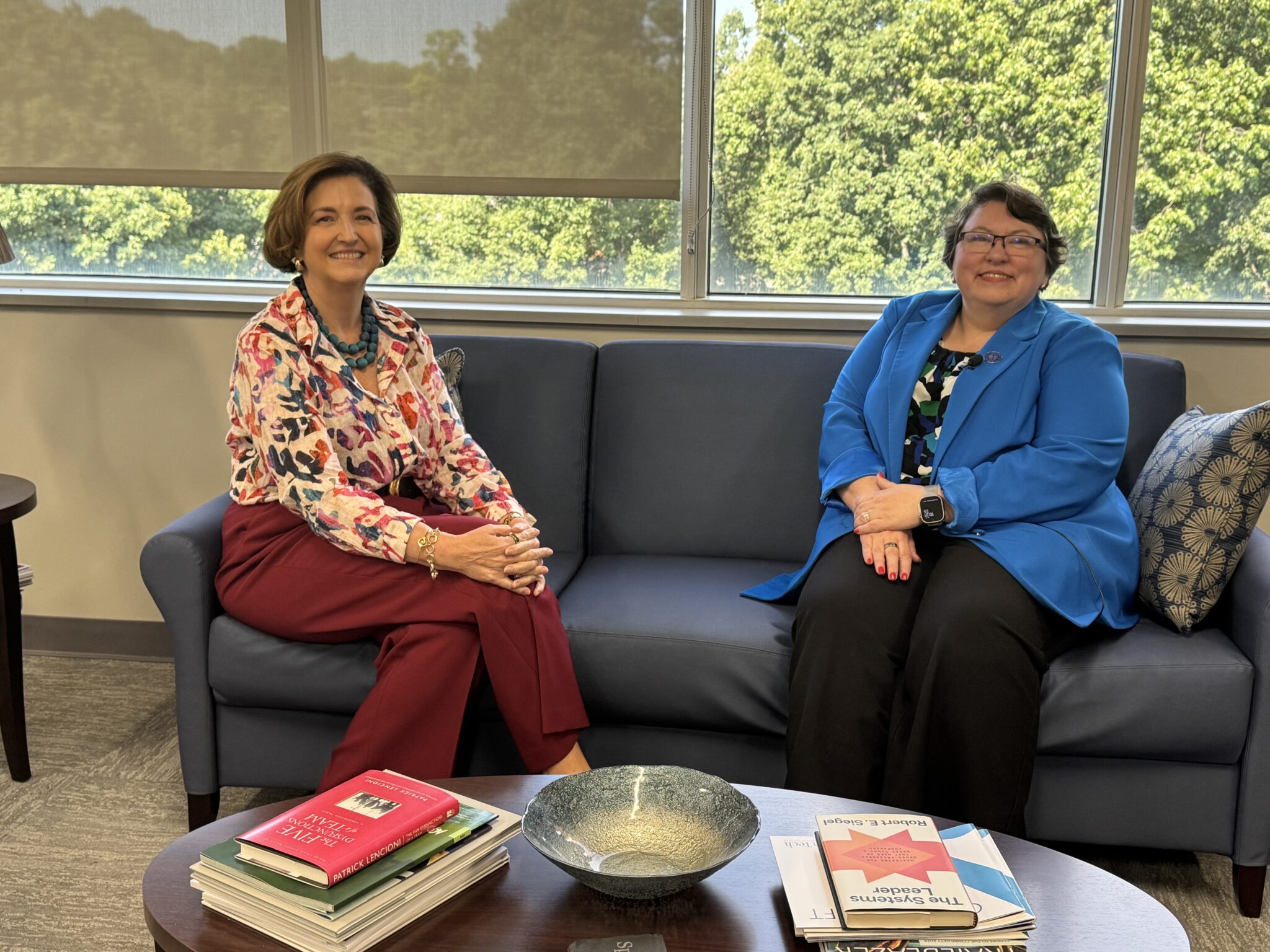

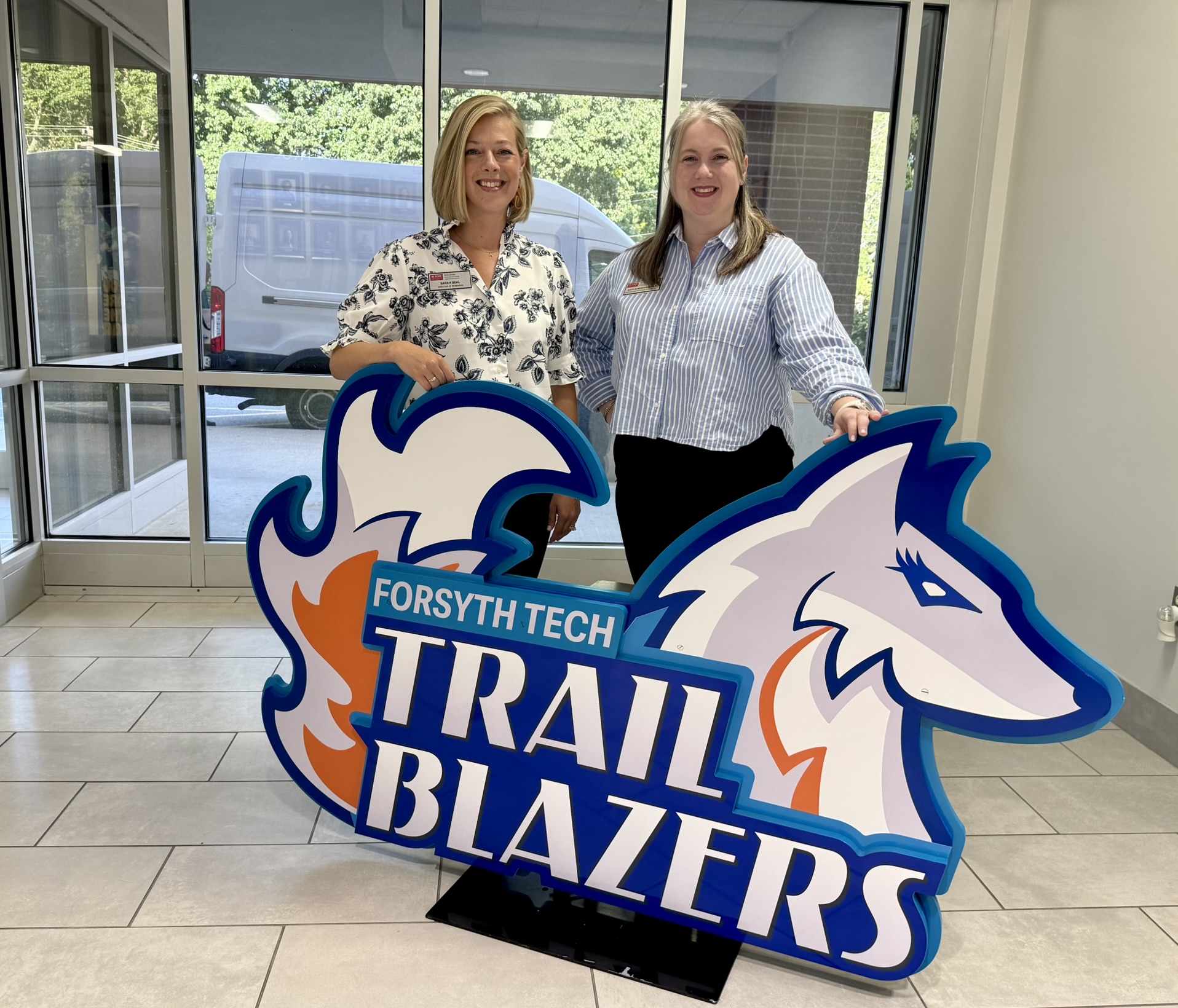
Amy Ball Braswell, associate vice president for student success at Forsyth Technical Community College (Forsyth Tech), first learned of CUNY ASAP in 2018 from a publication in the What Works Clearinghouse about the program’s success in increasing student persistence and completion.
Two things stood out to her: 1) the “small, intrusive advising caseload” of 150 students for every one adviser and 2) the financial incentives students receive if they attend meetings with their adviser and other required events.
“We know that students do better … if they engage often and deeply with an adviser or success coach,” she said. “We want to engage with them and build that relationship before the point of crisis in their life, so that they know who to go to and what supports are available.”
Looking ahead, Forsyth Tech President Dr. Janet Spriggs thinks about the impact of Boost as more than just increasing completion — it’s also about the promise of a better future.
“I want to be able to check in with them (Boost students) after they’ve graduated and make sure that they have truly moved into family-sustaining careers where they have a better life today than when they started,” she said. “That’s why they come here, and that’s the promise we make to them.”
Johnston Community College
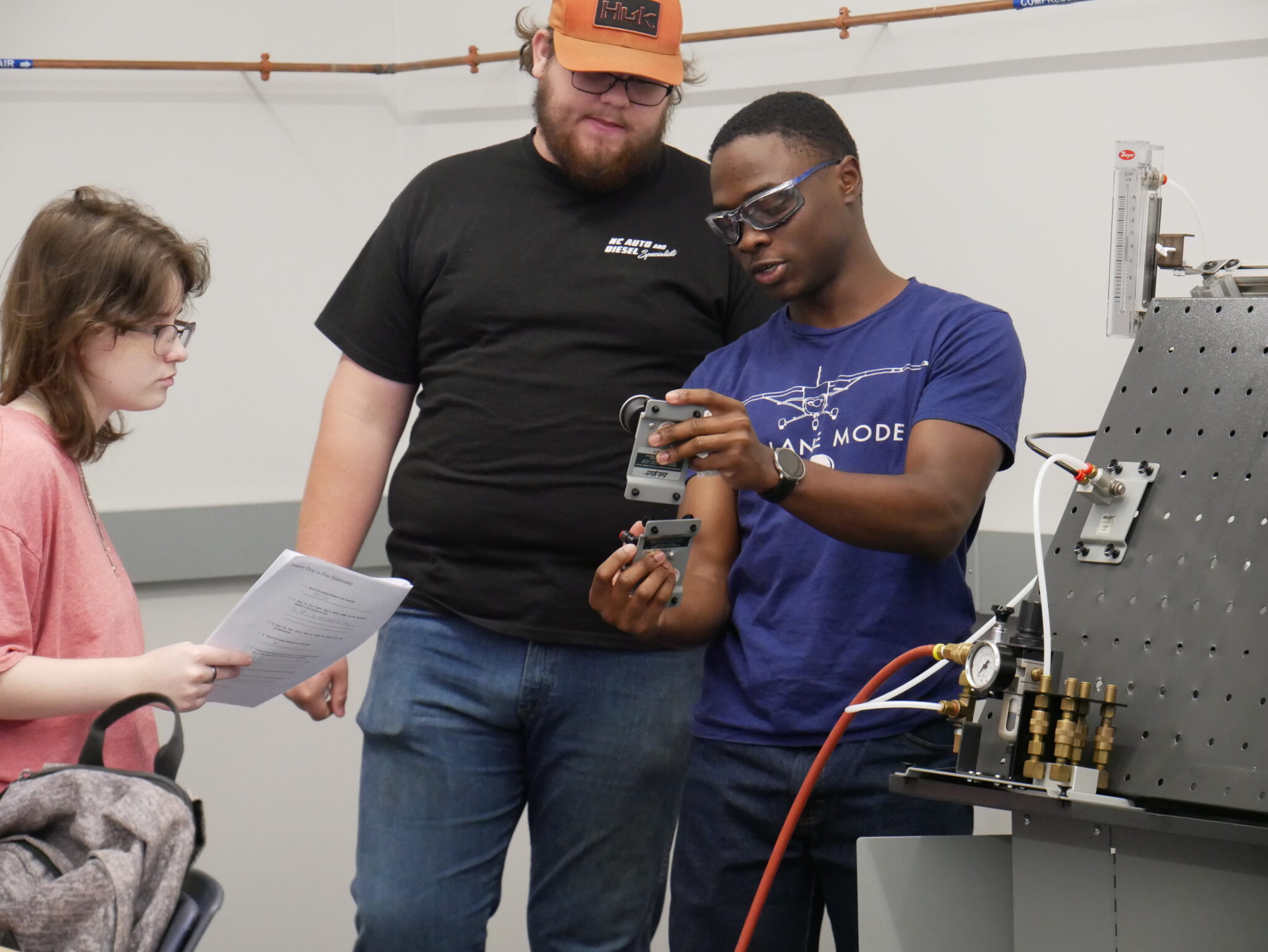
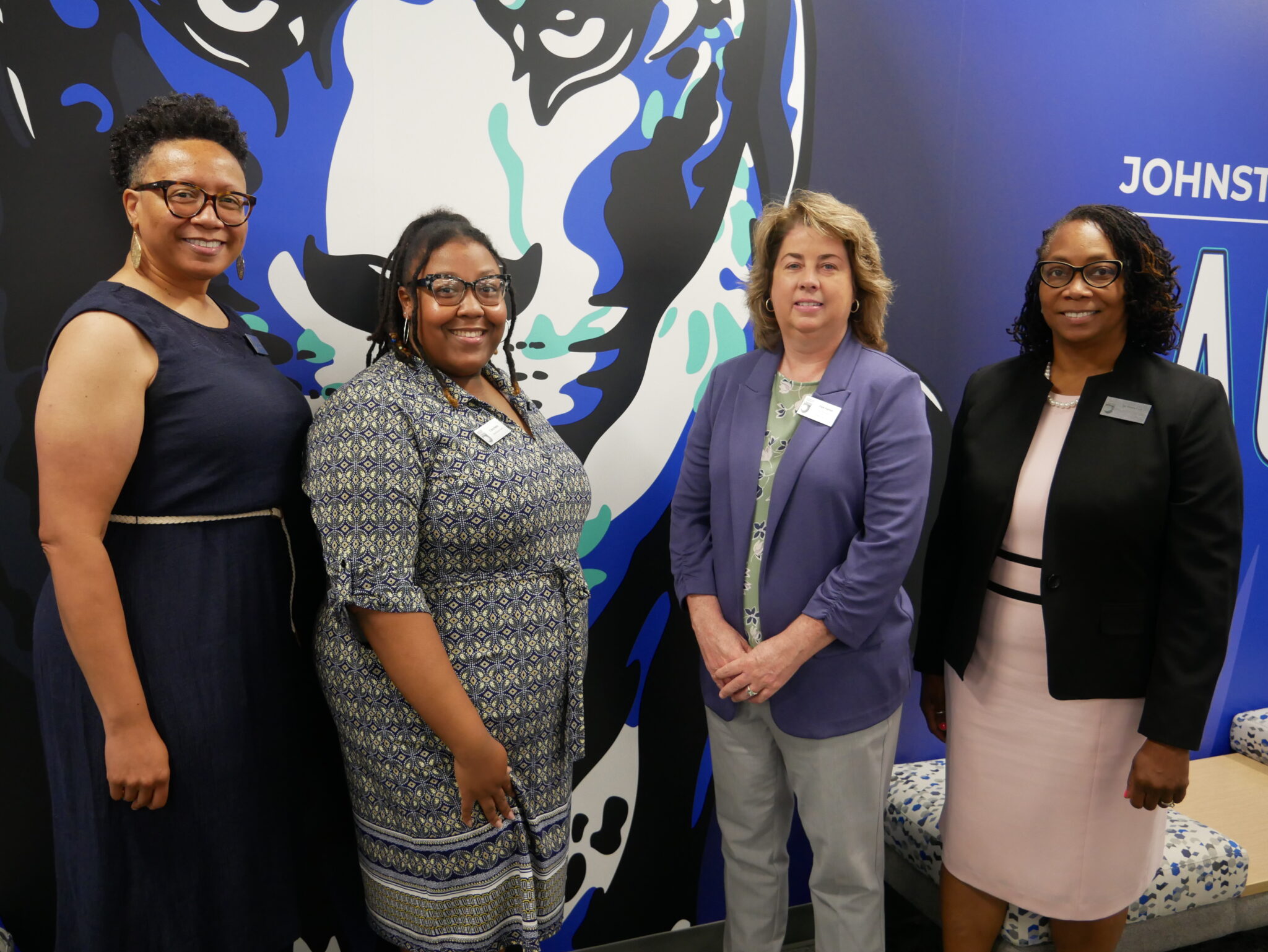
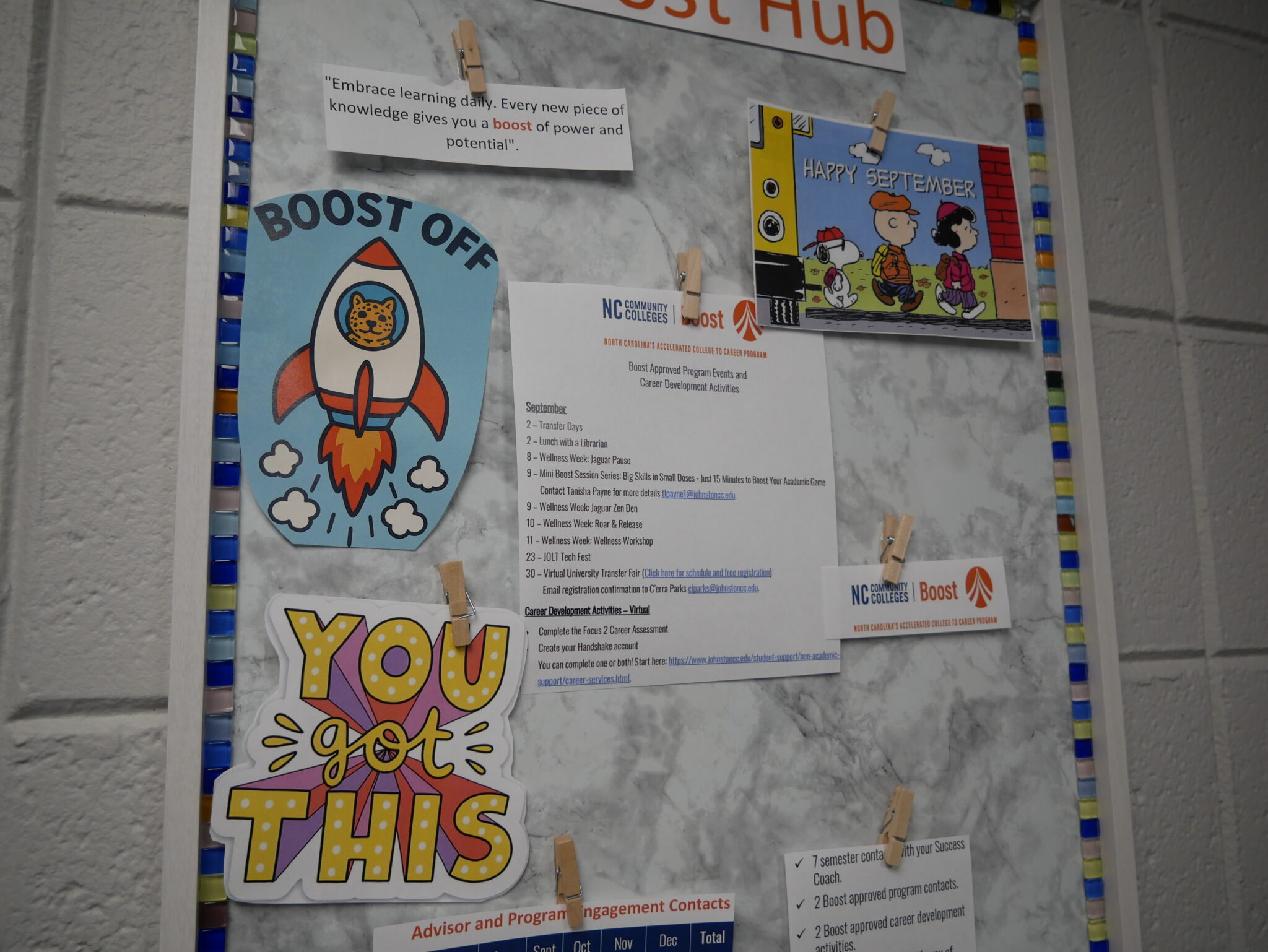
At Johnston Community College (JCC), recent investments in a data warehouse and customer relationship manager (CRM) have equipped the college to better identify eligible students, enroll them in Boost, and closely monitor their progress to know when to intervene.
Using the college’s CRM, Element451, JCC staff determined which students were most likely to be eligible for Boost based on their existing data and then targeted recruitment communications to that group. Advisers can also use the data system to identify early signs that a student may need more support, such as missing multiple classes or failing a test.
“We want to intervene before they drop out,” said Dr. Pamela Harrell, vice president of student success at JCC. “Most of the time, it’s not necessarily academics that’s causing them to do poorly — it’s something else. So then we can engage and figure out what that is and how to best address that.”
Dr. Vern Lindquist, president of JCC, said he’s been looking for a chance to replicate CUNY ASAP ever since he saw how effective it was. As one of the initial 15 schools piloting Boost, Lindquist said it’s crucial that Johnston provide a model for other colleges in the state that may implement it in the future.
“Just having a couple shining spots in the state is not good enough,” he said. “Our work will be successful if, in five years, we’re scaling this statewide.”
Wake Technical Community College
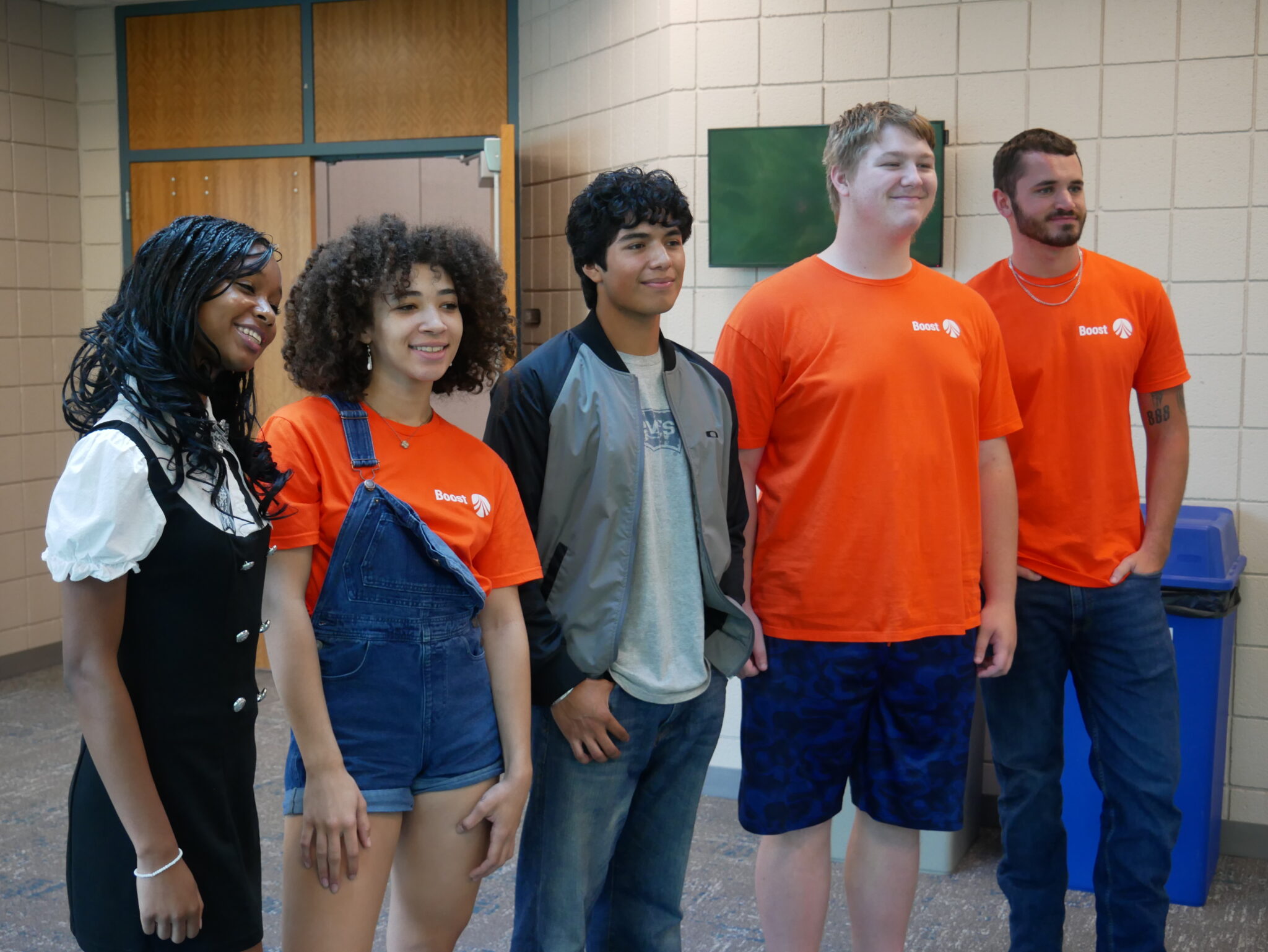
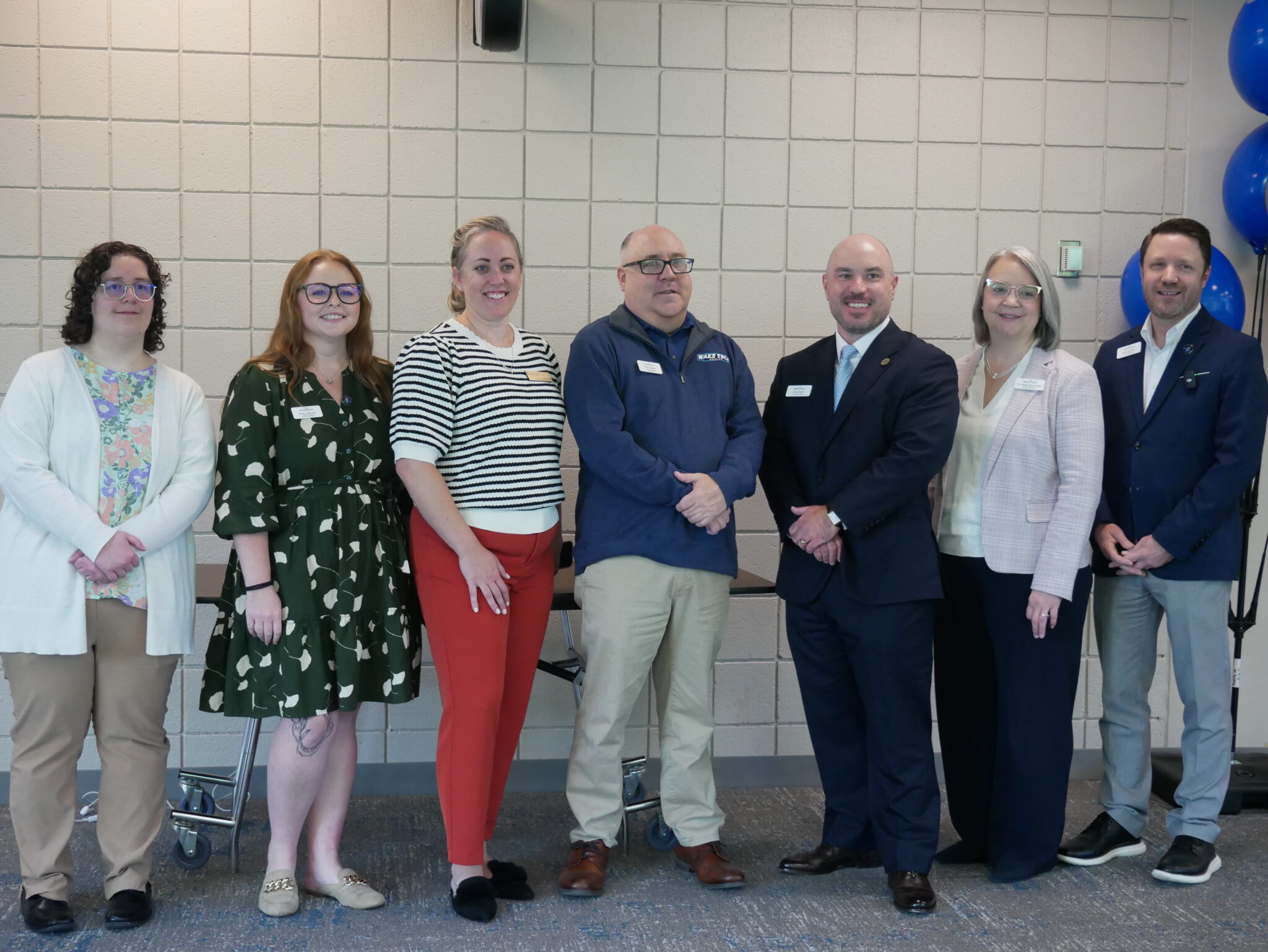
At Wake Technical Community College (Wake Tech), Boost is specifically serving students enrolled in the Associate of Science degree who plan to transfer to four-year institutions and pursue careers in STEM. With nearly 30,000 degree-seeking students and only 150 students enrolled in each cohort of Boost, leaders at Wake Tech see this as a way to narrow the focus of the program and ensure the best labor market outcomes for participating students.
“Workforce for us is not just about workforce. We do workforce for economic mobility,” said Dr. Scott Ralls, president of Wake Tech. “So when we look in terms of where pay is, STEM is where the greatest opportunity for economic mobility exists.”
Wake Tech has also closely integrated Boost with its existing care team structure, which assigns every student a team of academic advisers and support staff based on their career field. All Boost students fall within the Math & Science care team, but will have a dedicated Boost adviser with a much lower caseload compared to non-Boost students, allowing for more frequent and direct interactions.
Looking ahead, leaders at Wake Tech are already thinking about how to scale Boost support to program areas beyond STEM.
“Our goal has to be: How do we scale Boost? How do we scale to where many more than 150 students have that kind of ratio to their adviser, and those kinds of financial supports?” said Ralls. “That’s going to be the challenge for all of us in implementing.”
Editor’s note: Arnold Ventures supports the work of EducationNC.

Recommended reading