
Into the wild: Students explore career goals in NC Wildlife course

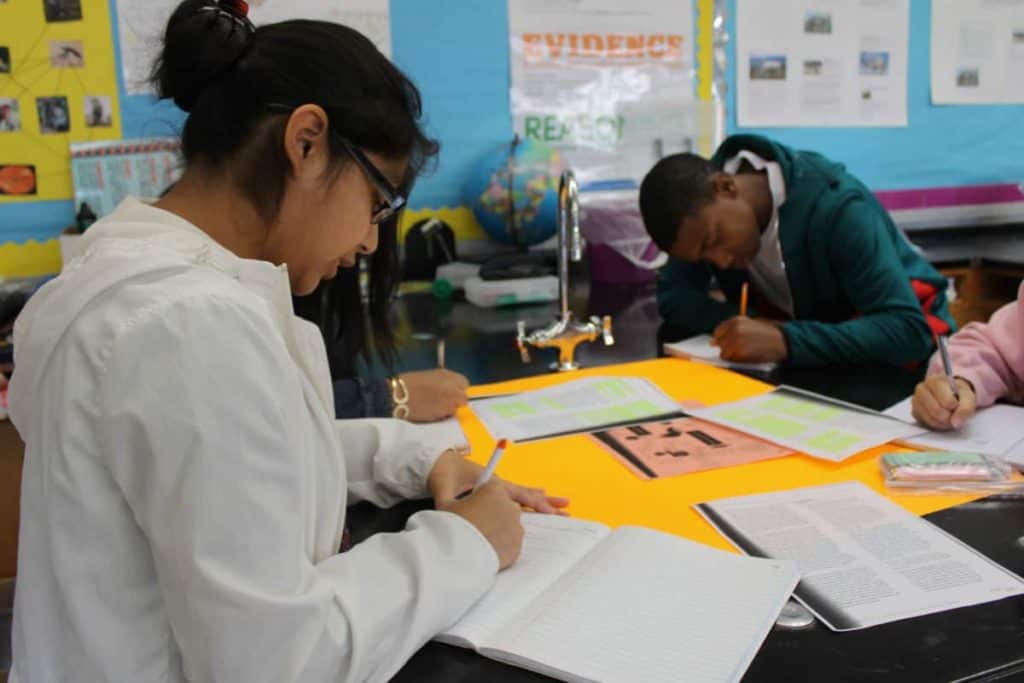
Since the age of 3, Tariq McBride grew up around animals. He has two snakes at home, along with a lizard, and is getting a dog soon.
Now a freshman at Hunter Huss High School in Gastonia, McBride enrolled in Michelle Ellis’s NC Wildlife elective course to pursue his interest in learning more about animals, with the ultimate goal of becoming a veterinarian.
His classmate, sophomore Jailyn Curry, also has her eyes on veterinary school.
“I love animals,” Curry said. “My aunt, she has a farm. She has goats, chickens … So I just go over there with her and play with them and feed them.”
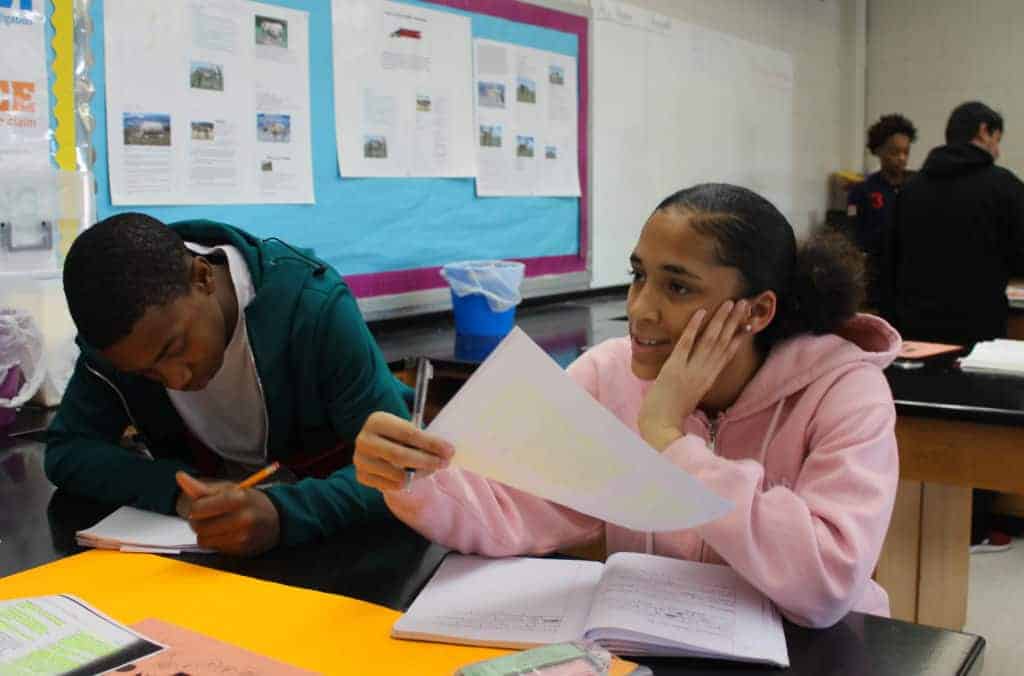
Ellis said having these sort of elective opportunities for students to explore their career goals is necessary.
“We have to hit students at their interests,” Ellis said. “We have to provide these alternative classes that go with what they want to do in life.”
Though not all of her students want to be veterinarians, others hope to pursue careers related to animals, too. Desmond Hope expressed interest in zoology, and so did classmate Christopher Vargas.
“I actually chose it,” Vargas said of the elective course. “It’s just because I like animals, actually … I wouldn’t mind being a zookeeper.”
Because “NC Wildlife” isn’t your traditional high school course, Ellis didn’t design the course traditionally either.
“I just look at the resources and kind of say, ‘What would I want to do if I was a student? What makes this class different?'” Ellis said. “What do you want to do other than sit at a desk all day? You want to be outdoors. You want to be adventurous.”
“We go outside and we look at habitats,” Curry said. “I just like it. I just like wildlife.”
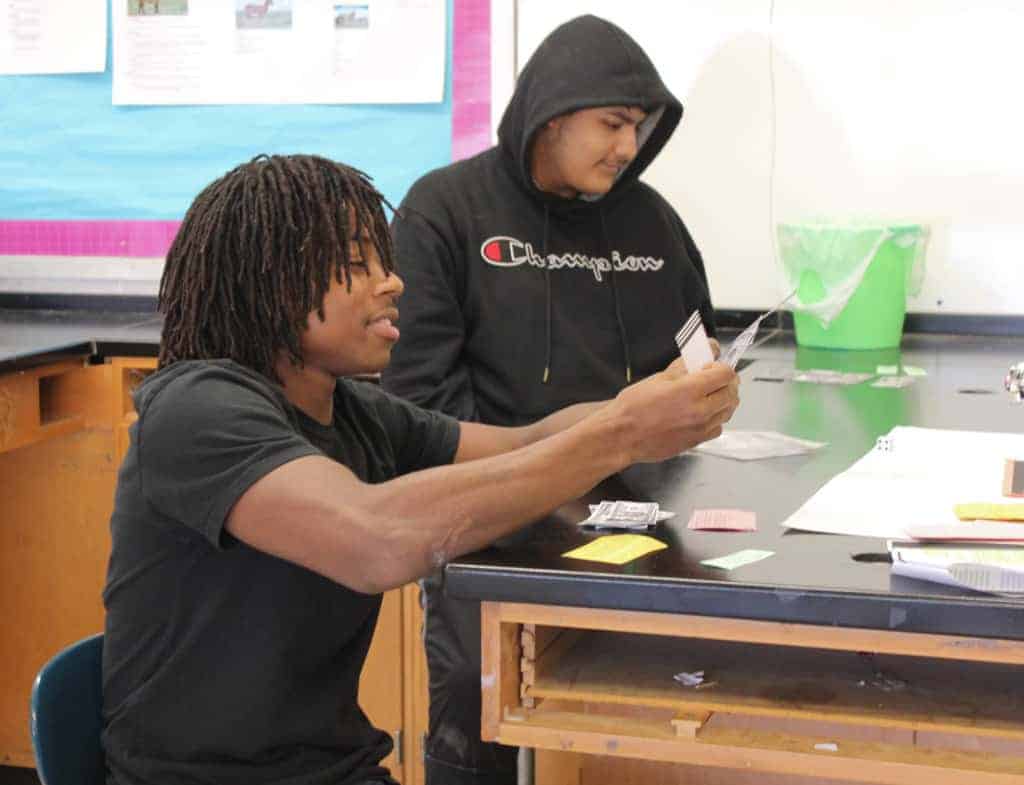
Even when indoors, Ellis’s students are learning about wildlife in ways beyond lectures and textbooks. Last Friday, students played a wildlife game with fake money, cards, dice, and instructions.
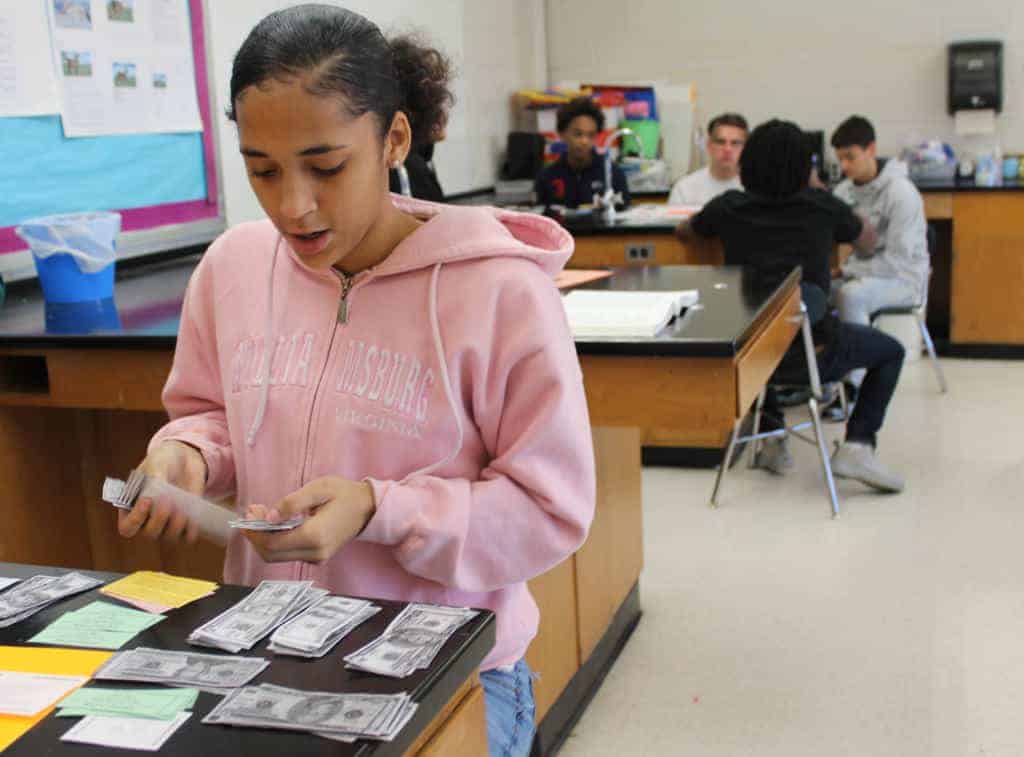
“It’s a mix of the game of Monopoly and the game of Life,” Vargas explained. The difference? “You also have to buy fishing licenses, hunting licenses, and parking passes,” he said.
It’s through this game that students learn to apply terms they might have read about in a traditional classroom lesson.
“We learn [about] private properties and public properties,” Curry said. “We learn how not everybody can hunt for free. You have to have licenses to hunt, and it’s not good to hunt everything — to over-hunt.”
“You learn consumptive uses and non-consumptive uses throughout also,” Hope said of the game.
“The consumptive uses are when you’re consuming the wildlife and non-consumptive are where you’re not,” said student Andrew Paige. “Say if you’re consuming, you’re hunting. If you don’t have a hunting pass, you have to pay fines. Non-consumptive is more like you’re visiting or taking pictures. You can sometimes get money, you can sometimes lose it, due to bad weather and traveling fees.”
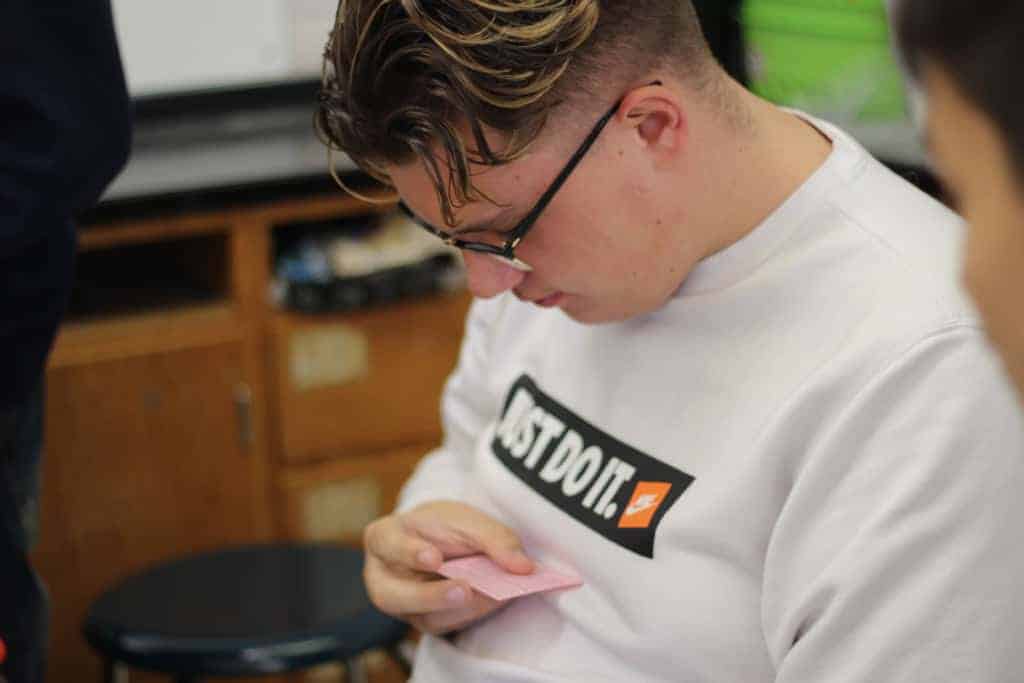
Paige said the set up of the game keeps them more engaged than just reading.
“It’s not boring,” Paige said. “There’s more interactive play to it, because we have banks, we [have] our own money, we have cars.”
While students believe that the game helps them understand concepts in wildlife management, many also gave credit to Ellis’s teaching style.
“I learned a lot from this class, like biomes. She makes the class simple, which I think other teachers can’t do,” McBride said.
“She breaks it down. She makes it very easy for us to understand,” Curry agreed.
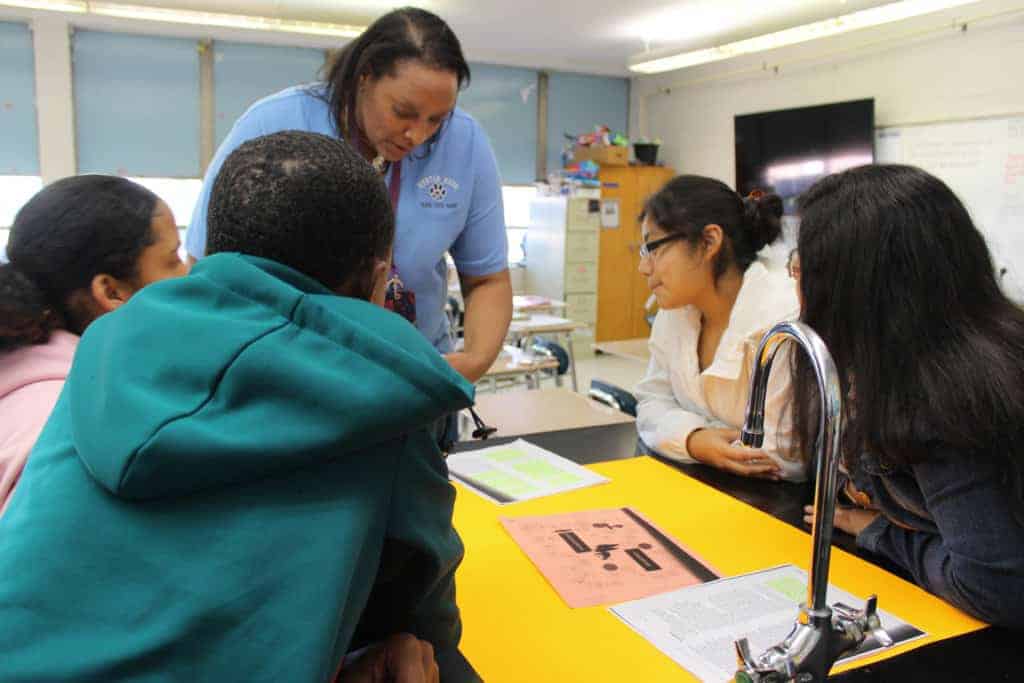
“Some of the ideas are very complex and so I have to break those into parts and not give it to them all at once,” Ellis said of her teaching style. “They see it a lot of different ways that fit their learning styles, and it proves that the more they see it, the better their chances of understanding it.”
But at the end of the day, it’s not all fun and games.
“This is why these electives are needed,” Ellis explained. “They can complement the curriculum and still provide rigor to challenge students.”
And according to Ellis, her students are up for learning through new activities.
“My favorite thing about this group is they’re adventurous,” Ellis said. “They’re ready and up for anything … I just love them.”