
Perspective | Don’t throw out what works: Leveraging cooperative learning as a scaffold for science and engineering practices

A teacher recently asked me a question I hear often during professional learning sessions: If we’re supposed to focus on the Science and Engineering Practices now, what do I need to stop doing?
It’s an understandable question.
When North Carolina adopted new science standards that elevate the Science and Engineering Practices, many educators felt the need to rethink their instruction. The shift challenges us to move beyond students simply learning about science and toward students actively doing science.
However, I don’t believe the answer is abandoning everything that came before. In fact, some of the most effective instructional strategies teachers already know may be exactly what we need to support this new vision of science learning. One of those strategies is cooperative learning.
 Sign up for the EdWeekly, a Friday roundup of the most important education news of the week.
For decades, teachers have used cooperative learning structures to increase engagement, promote communication, and encourage collaboration. Some educators may view these strategies as part of an older instructional toolbox, separate from the demands of modern science instruction.
I would argue the opposite!
Cooperative learning is one of the best scaffolds we have for helping students engage in the Science and Engineering Practices. Think about what the practices require students to do. Students should be asking questions, investigating phenomena, analyzing data, and constructing explanations. None of these practices are designed to happen in isolation.
Scientists rarely work alone, and engineers don’t solve complex challenges without collaboration. Scientific understanding develops through discussion, critique, and the sharing of ideas. Our classrooms should reflect that reality.
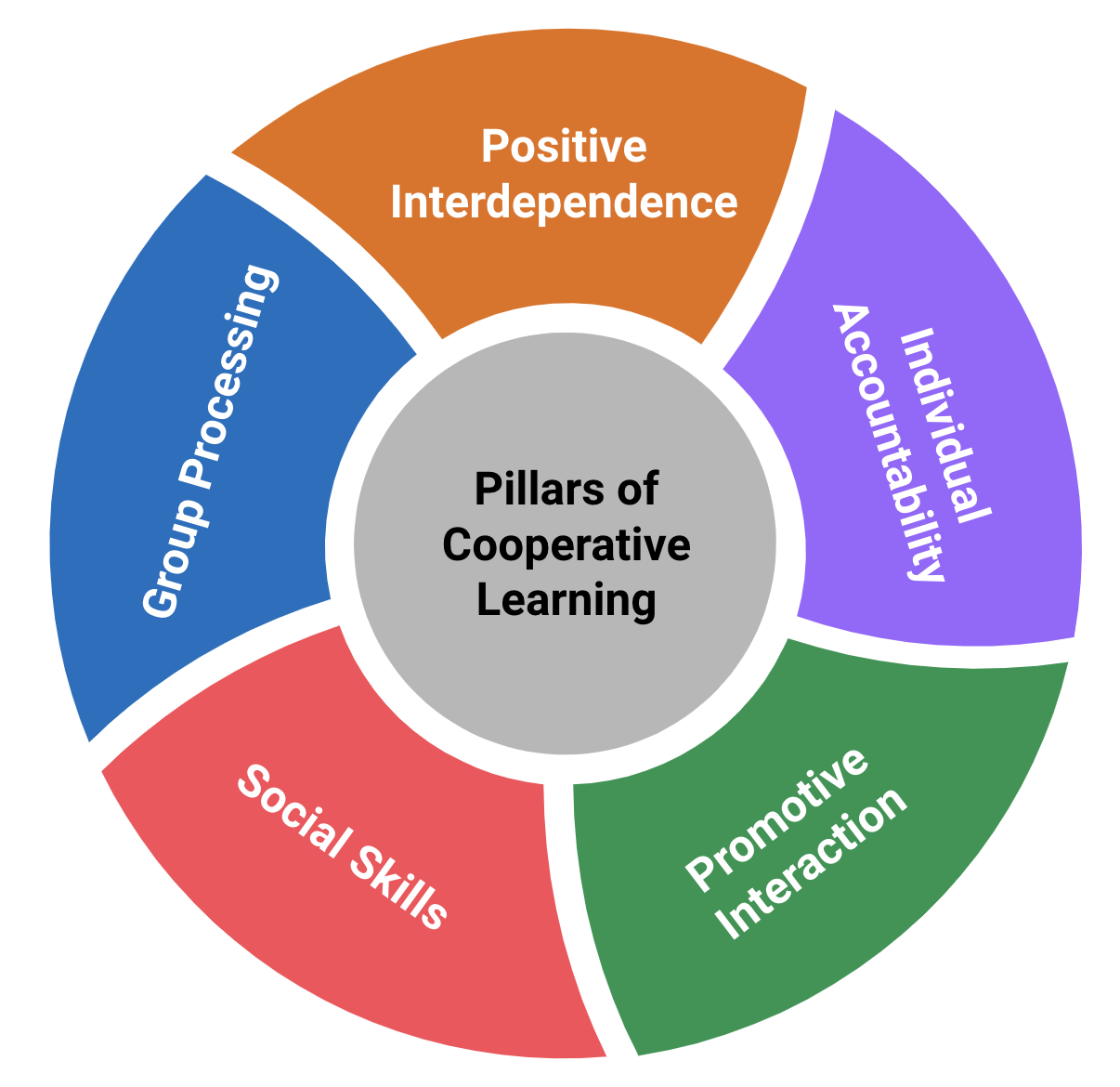
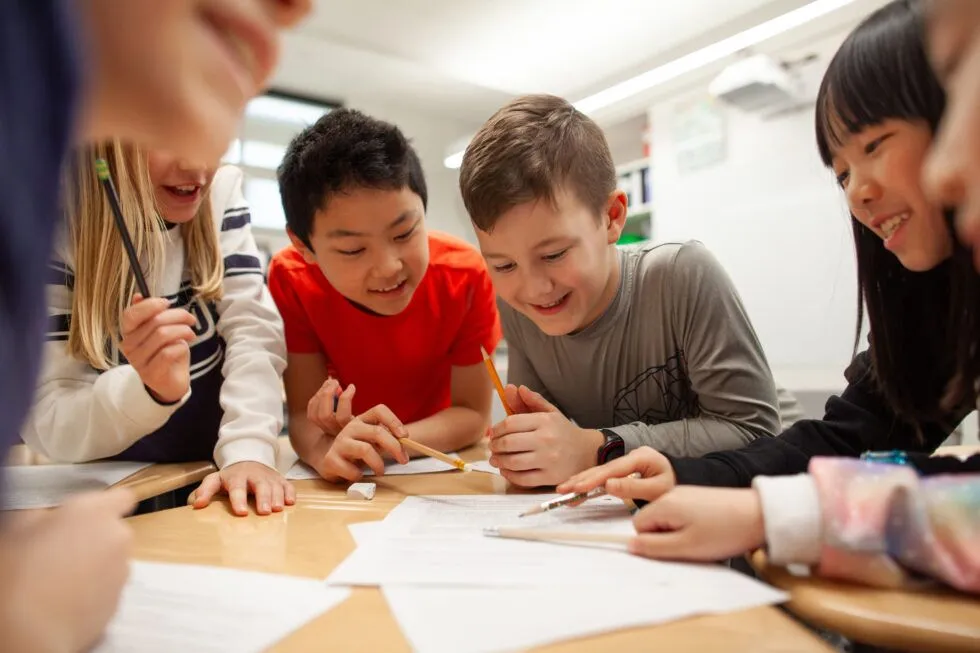
When students participate in a Think-Pair-Share before constructing an explanation, they have an opportunity to clarify their thinking before speaking to a larger audience. When a team uses a cooperative learning strategy like Rally Coach to solve a problem together, students can discuss evidence, challenge ideas, and support one another’s reasoning. When groups engage in structures such as Round Robin or Numbered Heads Together, every student has a voice and every student is accountable for participating in the learning process.
These strategies are not replacing the Science and Engineering Practices, they are helping students access them. This matters because the practices can be challenging, especially for students who are building confidence as learners.
Consider a student who is hesitant to share ideas publicly. Asking that student to immediately engage in scientific argumentation with an entire class can feel overwhelming. However, asking them to first discuss evidence with a partner creates a scaffold. The science remains rigorous, but the pathway becomes more accessible.
The same is true for multilingual learners, struggling readers, students with disabilities, and many others. Cooperative learning structures create opportunities for students to rehearse thinking, hear multiple perspectives, and develop academic language before sharing with a larger group.
In this way, cooperative learning supports both equity and scientific sensemaking. As educators, we sometimes feel pressure to choose between old and new. A new initiative arrives, and we assume that everything we previously learned must be replaced.
Related reads
But effective teaching has never worked that way. The best educators continuously refine their practice by connecting new ideas to proven strategies. The adoption of the Science and Engineering Practices is not an invitation to discard cooperative learning. It is an opportunity to leverage it more intentionally.
What if we stopped viewing cooperative learning as a classroom management tool or an engagement strategy and started viewing it as a scaffold for scientific thinking? What if the structures many teachers already know and use became the framework through which students ask questions, analyze evidence, develop explanations, and communicate understanding?
Perhaps the path forward is not choosing between old and new. Perhaps it is recognizing that some of our most established instructional practices are exactly what students need to succeed in this new era of science education.
The Science and Engineering Practices challenge students to think and work like scientists, and cooperative learning helps them learn how. Sometimes the most powerful innovation isn’t replacing what works, it’s finding new ways to use it.