
State Board of Community Colleges approves presidential search firm, discusses new strategic goals
Update, Jan. 26 at 11:30 a.m.: The State Board of Community Colleges unanimously approved Buffkin Baker as the executive search firm to lead the national search for the next president of the N.C. Community College System, according to a Monday press release from the system.
“Selecting a nationally respected executive search firm is a critical step in identifying the next leader of North Carolina’s community college system,” said Tom Looney, chair of the Board. “This position calls for a national-caliber higher education leader — someone who will guide the state’s most important workforce development engine and help shape North Carolina’s economic future. We are confident Buffkin Baker brings the experience and reach necessary to support this work.”
According to the release, an initial planning meeting with Buffkin Baker is “expected to take place in the coming weeks to begin laying out the search framework.”
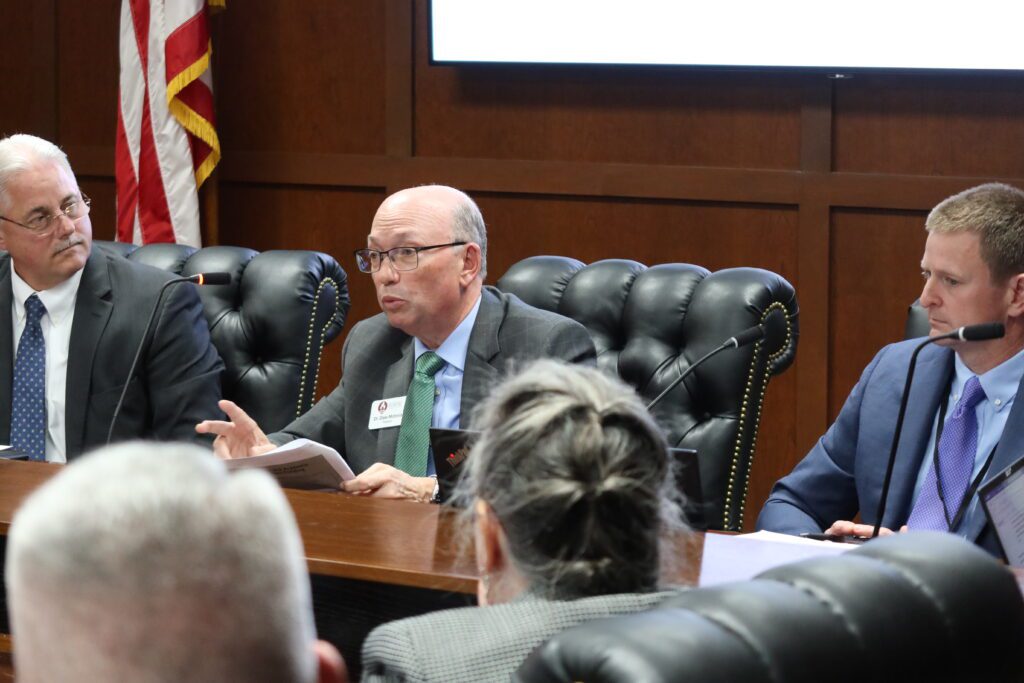
The State Board of Community Colleges is making progress on its presidential search, 2026-29 strategic plan, and modernization of portals for students, faculty, and staff, based on announcements shared during its January meeting on Thursday and Friday.
The Board announced it had selected a firm to lead the search for North Carolina Community College System (NCCCS) President Dr. Jeff Cox’s successor, though the firm’s name was not released during Friday’s meeting. The system office said it will notify the vendor and work on next steps with them.
 Sign up for Awake58, our newsletter on all things community college.
“Following an evaluation of written proposals and in-person presentations by three qualified finalists, the Board’s search committee recommended a firm based upon its demonstrated experience with executive-level searches, understanding the complex organizational leadership, and ability to support the Board through a comprehensive search process,” said Tom Looney, chair of the Board. “This is a significant step forward now in the search for the next president.”
Looney said funding for the contract will be supported through existing authorized sources.
New system office mission statement and strategic goals
The Board also discussed updates related to the 2026-29 NCCCS Strategic Plan, including the presentation of a new mission statement and strategic goals.
The draft mission statement, which aims to clarify the role of the system office within the NCCCS, says “the System Office leads statewide policy, advocacy, modernization, and workforce alignment to strengthen community college capacity and ensure North Carolina is the national leader in talent and workforce readiness.”
After collecting input from stakeholders over the last several months — including system office staff, college presidents, and Board members — the proposed goals for the system’s next strategic plan include:
- Build the best workforce in the world.
- Align our employers, students, and colleges to future-ready our state’s economy.
- Transform our System to empower our colleges and students for continuous success.
The goals, which will inform the system’s presidential search, are set to be voted on by the Board next month.
“After February’s decision on our goals, we’re gonna tap the brakes on the 2026–2029 planning process until the next president arrives,” said Board member Dr. Dale McInnis.
Until then, the Board will focus on analyzing the results of the current strategic plan. Key performance indicators (KPIs) and tactics for the new strategic plan will not be finalized until the new system president is in place, according to the proposed goals document.
“So the next few months, that’s where we’re going to be focusing on: where we are right now,” McInnis said.
An update on Boost and AI efforts
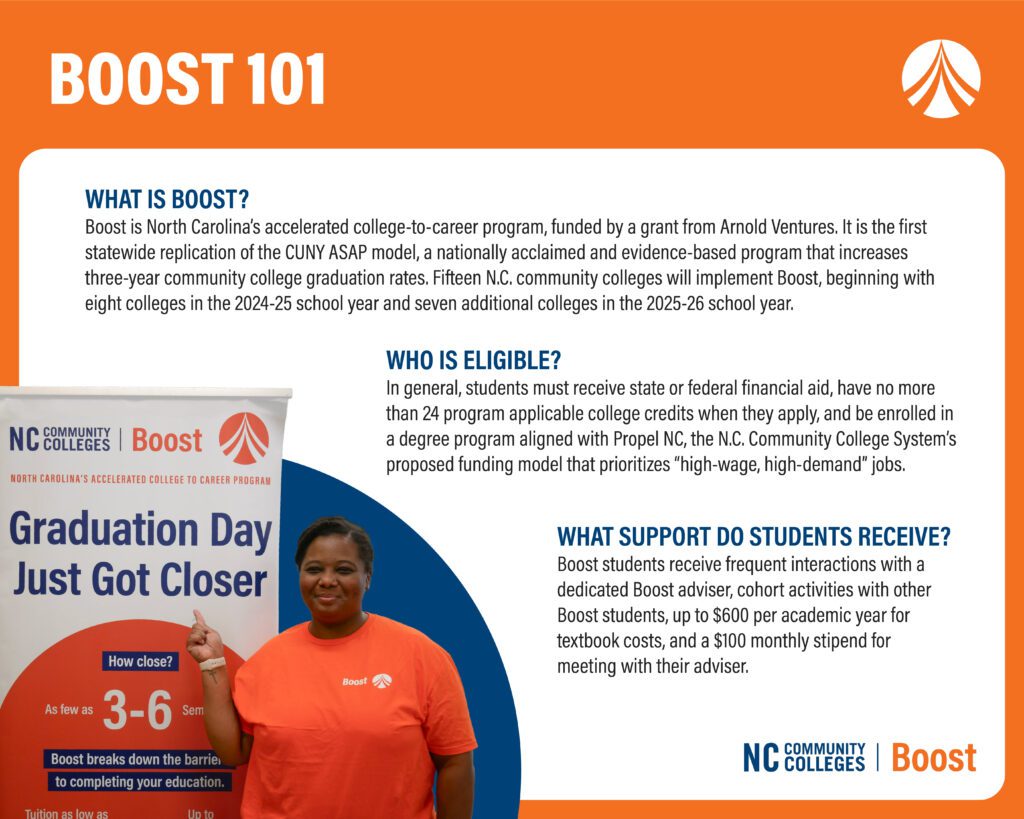
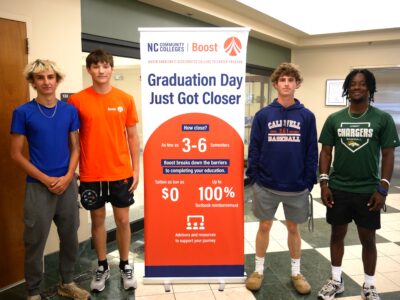
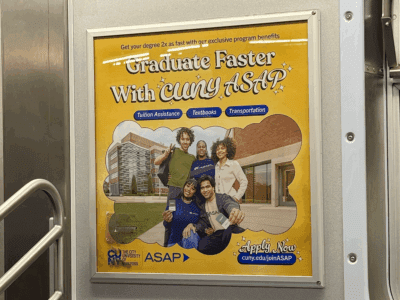
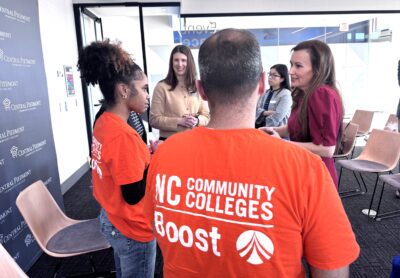
The Board also received an update on Boost, the state’s accelerated college-to-career program designed to improve completion rates and connect students with high-wage, high-demand careers.
So far, 927 students have enrolled in Boost across the program’s first cohort of eight colleges — around 84% of the program’s first-year target. A second cohort of seven colleges will launch Boost in fall 2026.
Funding for the program came from grants provided by Arnold Ventures and the John M. Belk Endowment. This grant funding will taper in 2027-28, at which point colleges will take on a share of the cost, according to a report. The system’s goal is to have state funding in place no later than year four of the program — 2028-29.
Board members also received a report on the Jobs for the Future AI.iNC (Artificial Intelligence in NC) Project. The project is designed to support the system in navigating disruptions from AI technology.
The project established an NCCCS AI Leadership Council, featuring 12 representatives from different roles across colleges, and distributed an AI Guidance Handbook for North Carolina Community Colleges. It has also embedded AI skills and instructional resources into the system’s professional development infrastructure, according to the report.
Read more about Boost
Ellucian’s Banner platform demonstrates new functionality
The Board’s Thursday meeting kicked off with a presentation from representatives of Ellucian about Banner, a digital all-in-one administrative platform to help students, faculty, and staff access information ranging from course registration to financial aid. In 2023, the Board authorized the NCCCS and Ellucian to work on a new Enterprise Resource Planning (ERP) system to replace Colleague, which has been in use since 2008.
“This is the most important project — we’ve got to get it right, our Board is committed to that, the staff in this building are committed to that,” Looney said.
Laura Ipsen, president and CEO of Ellucian, said the company’s two-and-a-half years of work on the system’s Banner platform were longer than expected, but Ellucian is committed to the project’s success.
“I believe North Carolina can be the national model for student and learner success tied to workforce transformation,” Ipsen said.
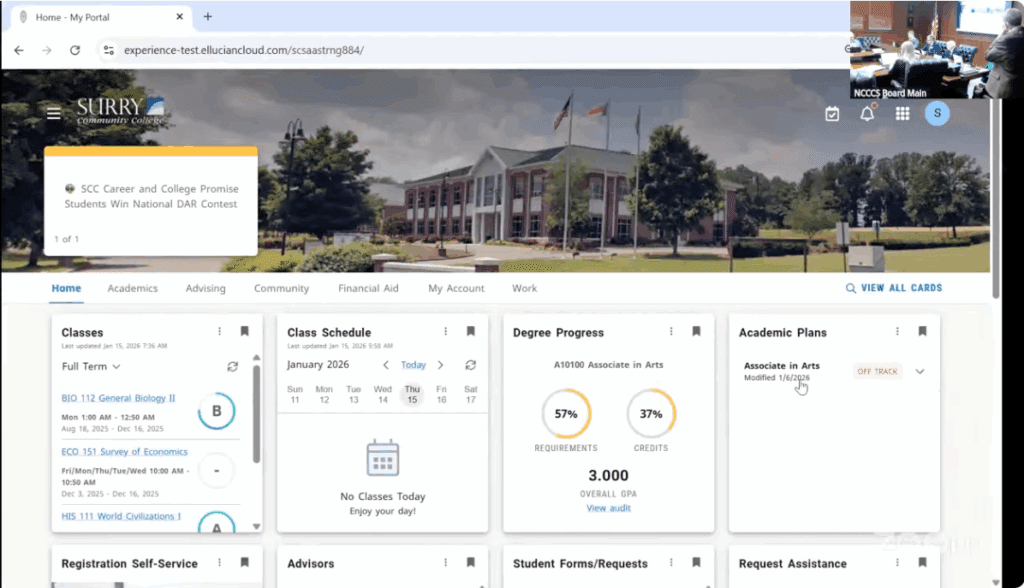
System leaders highlighted the platform’s time-saving benefits for students and advisers and cost-saving for colleges that will be able to sunset existing premium platforms.
Among Banner’s features is a “what-if” tool that allows students to assess what classes they’d need to take if they switched programs.
“A lot of students still do the what-if planning on paper or PDF forms,” said Dr. Brian Merritt, senior vice president and chief academic officer for the system. “So having this at the palm of our hands will really help student services, faculty advisers be much more transformative with our students.”
Grants report identifies expiring funds
The Board reviewed an update on grants at risk of expiring and those in the pipeline — part of a new report that will be shared with the Board quarterly. According to that report, the system office has 18 active grants, totaling nearly $70 million. Two of the grants set to expire in 2026, totaling just over $2 million, are related to apprenticeships and rated by the report as highly critical to the system’s core functions.
Dr. Chanell Butler, the system’s director of grants, said the system has experienced a decline in available federal funds as “opportunities have contracted sharply, down roughly 85 to 90% over the past year,” leading to greater competition for grants.
Butler also said around $12 million in grants the system had applied for were then withdrawn by the federal government before being awarded.
In February, the Board will hear from the North Carolina Community Colleges Foundation about its fundraising efforts.
On Friday, Trey Rabon, president of AT&T North Carolina, also announced that the AT&T Foundation would be awarding a $100,000 grant to the system to expand its Digital Navigators program at three new colleges and sustain it at five colleges. These programs support the instruction of digital literacy skills, including basic computer skills.
“We’ve provided assessment to more than 900 students, typically offering 2-4 digital literacy courses each semester, and distributing more than 100 devices,” said Dr. Janet Spriggs, president of Forsyth Tech Community College, during the Board meeting. “Students now have new access, new skills, and new confidence. We’re grateful for the support and look forward to strengthening the sustainability of NC’s Digital Navigator program.”
The Digital Navigator program was originally launched by the NCCCS College and Career Readiness team in 2023 with 20 community colleges, according to a press release from the system. The initiative was scheduled to conclude in December 2025.
Through the program, 91 individuals were trained and certified as digital navigators, according to the release, and 11,709 students and prospective students received digital skills training (this number includes a duplicated headcount). Nearly 700 laptops and 150 hot spots have also been distributed through the program.
“At AT&T, we believe that connecting changes everything,” Rabon said in the release. “Access to digital skills is essential for education, employment, and full participation in today’s economy. Through our support of the Digital Navigators Program, AT&T is proud to collaborate with the North Carolina Community College System to help expand access to technology training and resources for communities across the state.”
Curriculum programs and pre-apprenticeship standards
The Board also approved several new programs for fall 2026, including at Cape Fear and Guilford Technical community colleges, as well as six new teacher residency licensure certificates systemwide. The Board had first seen the licensure certificates during its November meeting when it approved them as future action items.
Cheryl Opel, a kindergarten teacher at Concord Lake STEAM Academy, graduated in May from Central Piedmont Community College’s teacher certification program and earned a K-6 teaching license.
“It was very cost effective for me — I really got a good bang for my buck. The cohort we had, the six of us, were very tight-knit,” Opel said. “I felt like I was not just a number — I felt like I was really being supported in my education and training, and I think my success has been because of that education.”
The Board also approved definitions and program standards for the system’s pre-apprenticeship programs. The Board heard a report in November about the issues pre-apprenticeship programs were experiencing — from a lack of operational guidance to a lack of hands-on experiences for participants — due to operating without a documented definition or policy.
After receiving no substantive feedback during the public comment period, the Board’s approval allows the new definition and standards to become effective on Feb. 1.
The Board also approved expansions to the Special Application Program list, which includes programs that colleges want to offer, advise, or terminate through an expedited process. Through that process, the decision goes directly to the president of the system.
“Expanding the Special Application Program List supports timely responses to emerging workforce needs by enabling colleges to more efficiently offer program titles with demonstrated statewide demand and that align with Propel NC,” according to the report presented to the Board on this request.
With the Board’s approval, impact assessments will no longer be required for programs on the Special Application Program list, streamlining approval processes.
New James Sprunt president, Helene funds, and more
- The Board approved Dr. Shannon Hair as James Sprunt Community College’s seventh president, a role he’ll start in early February. A college press release said Hair held progressive leadership roles at Danville Community College in Danville, Virginia since 2010, including a stint as vice president of institutional advancement and development.
- The finance committee approved a report to the House and Senate appropriations committees and the legislature’s fiscal research division with information on a $12 million, 3-year contract for colleges to use Canvas, a learning management system. The system awarded the contract in November and signed it in December, and the transition to the new system will occur by the end of 2027, the report says.
- The committee also voted to reallocate $1.15 million to three community colleges — Asheville-Buncombe Technical, Haywood, and Mayland — due to enrollment declines caused by Hurricane Helene. Along with Blue Ridge Community College, which already received funding, these colleges were the most impacted by the hurricane, the document said.
- The Board also heard a legislative report on the Student Success Initiative, which was designed to provide targeted interventions to improve underachieving community college students’ academic performance. During 2024-25, 27,000 students received services — either through specific cases or college-wide approaches — and 21 colleges have received funding since 2022. However, colleges have not received funding to continue the initiative through fiscal year 2025-26. “This program was eliminated from the budget last year; that budget has, of course, not passed,” said Board member Sarah West. “We would be very grateful to the legislature for restoring the funding, which really supports our campuses ability to improve persistence and completion for these students and to scale these wonderful practices across colleges not participating.”
- The Board’s accountability and audit committee heard from Dr. Greg McLeod, president of Edgecombe Community College, which has been placed on warning for six months by its accreditor, the Southern Association of Colleges and Schools Commission on Colleges (SACSCOC). The accreditor took this action after Edgecombe failed to comply with four of its standards. McLeod said the violation of the accreditor’s student achievement standard was due to a technicality after the college switched from using the Integrated Postsecondary Education Data System to the National Student Clearinghouse. Other violations related to the college’s reporting of information by program rather than by degree or credential. “I’m standing here on a technicality,” McLeod said. He said the college is cleaning up data and will resubmit to SACSCOC by April 1.
The Board’s next meeting will be held Feb. 19-20.
Editor’s note: The John M. Belk Endowment and Arnold Ventures support the work of EdNC.