
Perspective | Six months after Helene, the road to recovery runs through our community colleges

Just over six months ago, Hurricane Helene carved a path of destruction through Western North Carolina. Communities we cherish were forever changed, lives were lost, and the literal landscape of many communities were transformed overnight. The scars remain visible across our mountains, and recent wildfires that swept through more than 11,000 acres serve as stark reminders that recovery is rarely predictable. Each day brings new challenges — even as other major events begin to dominate the headlines and occupy the minds of our leaders.
As our John M. Belk Endowment team traveled throughout the region in recent months, we’ve witnessed both heartbreaking loss and remarkable resilience. Many homes remain uninhabitable, some roads remain impassable, and many small businesses have yet to reopen. And yet we have also seen communities rallying with the same determination that has defined Western North Carolinians for generations.
This spirit of resilience and commitment to rebuilding is particularly evident when you make your way to our community colleges.
When Hurricane Helene first hit, these colleges immediately transformed into critical response centers. At Western Piedmont Community College, parking lots became staging areas for power restoration crews working tirelessly to reconnect communities. Blue Ridge Community College opened its doors to essential operations, creating a coordination hub for multi-county relief efforts. Asheville-Buncombe Technical Community College became an extension of local healthcare facilities while opening multiple buildings up as shelters for the public. These examples illustrate why the word “community” truly defines these institutions.
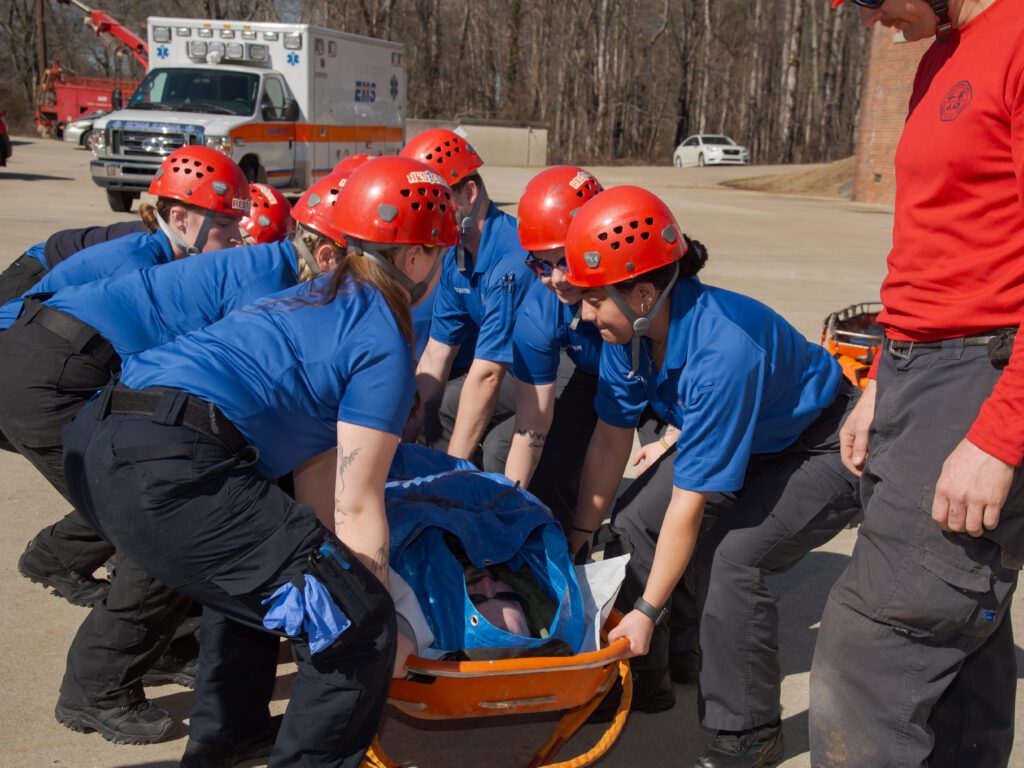
Many community college graduates were leading recovery efforts from day one. The electrical linemen restoring power, the EMTs tending to the injured, the nurses working double shifts, and the law enforcement officers securing devastated areas — these first responders trained at the very institutions that were simultaneously sheltering their communities.
When you travel across Western NC now, you will see many signs of progress. Significant debris removal is underway; businesses are reopening; and roads that were closed when we first traveled to the region are now reopened. This progress should be celebrated, even as we turn to the significant challenges that remain.
Mental health concerns remain top of mind, with many students, educators, and community members experiencing ongoing trauma. College presidents and K-12 superintendents report “crisis fatigue” among their leadership teams and staff. For students and staff alike, the daily commute through devastated landscapes in many communities serves as a constant reminder of the disaster, creating hurdles to learning and recovery.
We must acknowledge the tremendous support already provided. The North Carolina General Assembly and Governor Josh Stein’s administration have demonstrated remarkable commitment to recovery efforts. Federal assistance has reached many communities, and many philanthropic organizations have stepped forward with both immediate relief funds and longer-term recovery investments. I want to express our profound gratitude for this collaborative approach to addressing the region’s needs — and I hope that we will see this same spirit of collaboration continue.
We must also recognize that recovery efforts will require sustained investment for years to come.
The rebuilding of Western North Carolina will largely be accomplished by the very people currently training in our community colleges. Our colleges are working hard to graduate construction professionals, healthcare workers, and countless others in the skilled trades. Every carpenter, electrician, and construction manager graduating from these institutions represents another step toward rebuilding stronger, more resilient communities.
This connection between education and recovery creates a powerful opportunity:
Investments in our community colleges directly strengthen the region’s ability to both recover and thrive.
As we look ahead to the challenging road of rebuilding, our community colleges will continue serving dual roles — both as educational institutions preparing the workforce for recovery efforts and as community anchors. These institutions need our sustained support, not just for their educational mission, but for their broader community function. While emergency funding has addressed immediate needs, long-term recovery requires ongoing investment in these critical institutions that serve as the backbone of their communities.
Our community colleges have always been a beacon of hope, and now they are instrumental in paving the way to a brighter future.
They have “community” in their name because it’s who they are — not just what they do.
The road to recovery for Western North Carolina runs directly through the campuses of our community colleges, and their success will help determine the strength and sustainability of our rebuilding efforts. Together, we can ensure these critical institutions have the resources they need to lead their communities forward — not just through this recovery, but toward a more resilient future for all North Carolinians.