
Perspective | Self-reflective PLCs are an opportunity for schools to be culturally responsive
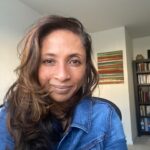
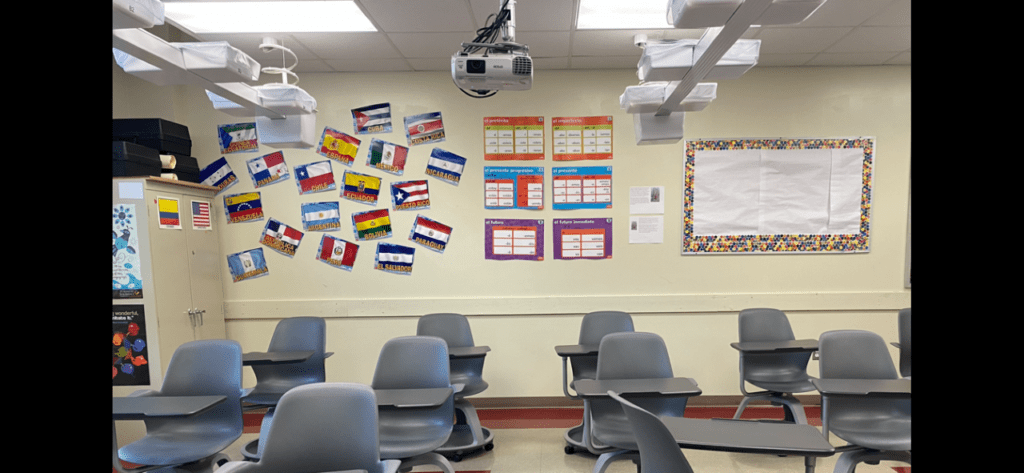
As a female Afro-Latinx immigrant and veteran Spanish language teacher in North Carolina, my experiences have made me acutely aware of the need for a more diverse picture in language classrooms, world language curriculum design, implementation, and teacher-teacher and student-teacher interactions.
Research shows racialized educators — teachers categorized, marginalized, or regarded according to race — often explore their experiences from a more critical cultural awareness perspective than their non-racialized colleagues. They’re usually the ones who are forced to reflect on their identities, defend them, and sometimes be brave enough to vocalize the microaggressions they face in their day-to-day interactions and teaching practices.
These minoritized educators perform this process individually and in isolation. As a result, their non-minoritized educators do not experience an identity reflection process that could be positive for everybody in an academic setting.
Intercultural communicative competence
Professional learning communities (PLCs) can be designed to encourage deep identity self-reflection practices from the teaching community. Such PLCs would allow educators of any ethnic background to use a self-reflective model similar to Michael Byram’s, focusing on intercultural communicative competence (ICC) for self-reflection practice. That experience could be crucial for positive results in the learning process like the ones described by Theresa Schenker in an online environment through a telecollaborative project.
Additionally, incorporating ICC development strategies into teachers’ professional development efforts could lead to more culturally responsive teaching practices. These strategies could be especially crucial in diverse classrooms where students come from various cultural backgrounds. By using Byram’s model for self-reflection, educators could better understand their own cultural biases and assumptions, and become more effective in meeting the needs of all their students.
According to Bryam’s model, ICC consists of five interconnected components of self-reflection: attitudes, knowledge, skills, behaviors, and critical thinking. These five components allow the practitioner to be curious and respectful toward other cultures and their values, practices, and perspectives. In addition, they grant the opportunity to develop practical communication skills while interacting with people of different ethnic or cultural backgrounds to grow their mental flexibility and reflect on their biases.
Research shows racialized members of academic communities tend to feel like outsiders in some social and educational situations. Researchers also found that addressing the experiences of racialized individuals in academic settings leads to improved outcomes for all students. By doing so, students from diverse backgrounds are more likely to engage in the learning process and contribute their unique perspectives when they feel welcomed and included — in other words, when they think they belong.
All educators and administrators have the power to create a more inclusive school environment by acknowledging and validating the experiences of racialized students and teachers. They can start by fostering open and respectful dialogue and actively seeking diverse perspectives in their institutions’ curriculum and mission. A school environment’s transformation benefits students and helps build a more inclusive North Carolina.
Autoethnography
A practical way to use Bryam’s model would be through autoethnography — a qualitative research method involving introspection and observations of sociological and emotional personal experiences. Academic school leaders could use small-scale autoethnography projects in their PLCs to provide better support to students and educators with diverse ethnic backgrounds, allowing for a more authentic representation in the classroom and giving opportunities for non-racialized educators to grow in their intercultural competence skills.
PLC chairs should inspire their members to become small-scale researchers by applying some of the primary practices of autoethnography and the main components of Byram’s model of ICC for self-reflection. School leaders should encourage educators to share their experiences, beliefs, and practices with other educators by providing them with prompts for writing about their personal stories; such a practice would become peer feedback sessions to develop a better understanding of their cultural perspectives and biases. Administrators and PLC chairs could offer safe spaces for group discussions, where educators would be willing to ask questions, share their perspectives, challenge each other’s assumptions, and reflect on their experiences.
Personal experience
As an afro-descendent Spanish language teacher, I bring a unique perspective that challenges traditional ideas of what a Spanish speaker represents. For example, Spanish speakers are often pictured as light-skinned, and people of color are frequently erased from Spanish language textbooks and classrooms. This lack of representation perpetuates negative stereotypes and can further marginalize people of color in the Spanish-speaking world.
If we are willing to put effort into a deeply reflective practice in our teaching, we can be educators who are culturally responsive and responsible. Geneva Gay defines culturally responsive teaching as the purposeful strategies educators implement to reflect on their attitudes, biases, and assumptions of cultural diversity. This teaching practice is also demonstrated in curriculum design stages, material selection, and student interactions to avoid perpetuating negative stereotypes.
Ultimately, the experience of being an Afro-Latinx world language educator is complex and multifaceted. Still, as a racialized educator, I should not be the only one reflecting on my identity and its impact on my students. We all have opportunities to create positive change and connect with students and colleagues meaningfully by incorporating autoethnographic practices and the main components of Byram’s model of ICC into our PLCs.
Reflective and culturally responsive educators — regardless of their racial backgrounds — are essential, as they bring a unique perspective to the classroom, curriculum design, and implementation.