

Understanding delta and young children

‘We can’t help but be worried.’
Early Bird readers, hello again. Newcomers, welcome! If you were forwarded this email, you can sign up here to receive it every two weeks, and join our conversation on issues facing North Carolina’s young children and those who support them. If you’re already a subscriber, please help us reach more people by sharing this with your friends and co-workers interested in early childhood education.
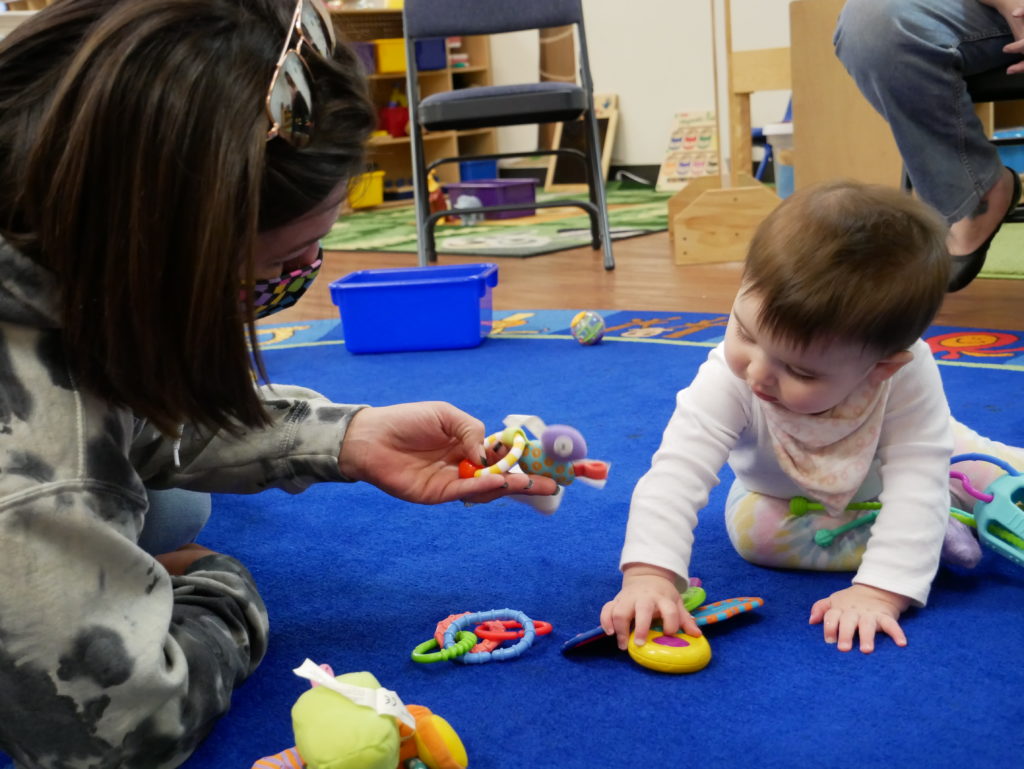
In October 2020, I talked with several medical professionals when Gov. Roy Cooper announced that elementary schools could bring students back for full in-person learning. The reasoning? “Higher benefit, lower risk,” said Mandy Cohen, state secretary of health and human services.
Though the experts did not yet have clear answers as to why, children represented fewer COVID-19 cases than other groups and were experiencing less severe symptoms. Schools and child care facilities were not seeing the kind of transmission some predicted. A month later, I wrote another story on a Yale University study that found providing in-person child care did not increase the risk of infection for educators.
Nearly a year later, we’re in a different place. I spoke with Dr. Ibukun C. Kalu, medical director of pediatric infection prevention at Duke University Medical Center, to make sense of this moment and ask what parents should do to make the best decisions for their young children.
As child care inches closer to pre-pandemic enrollment and another school year starts, the delta variant is complicating things. Pediatric cases are up, representing a larger share than ever before. And vaccine approval for children younger than 12 years old is likely to take the rest of the year, said Dr. Francis Collins, director of the National Institutes of Health, in an interview with NPR.
Here are a few takeaways from my conversation with Kalu:
- With a more contagious variant such as delta, higher transmission will trickle down to kids who do not yet have vaccination as an option. That makes it even more critical for older children and adults to wear masks and get vaccinated if they’re eligible.
- Check the latest guidance on child care settings and K-12 schools to ensure your child’s school or center is taking appropriate safety measures. The most important ones, according to Kalu: “vaccinations, masking, cohorting — particularly for the younger ones — and then environmental cleaning.”
- Kalu said the worrying trends around pediatric hospitalizations have been more severe in Southern regions with lower vaccination rates. “Vaccination rates need to go up.”
- Though children might be less effective at spreading the virus, Kalu said it’s clear: “Kids can get infected, can spread to each other, spread to adults, and unfortunately they can get really sick from this.”
- Other respiratory illnesses in young children are surging in tandem with the delta surge. Reach out to your doctor, get kids tested, mask up if you’re older than 2, and get vaccinated if you’re older than 12.
Have questions about navigating the pandemic as a parent or educator? Don’t hesitate to reach out.
The big picture for little kids
 Sign up for Early Bird, our newsletter on all things early childhood.