
New initiative connects NC students with local boards of education, state policymakers

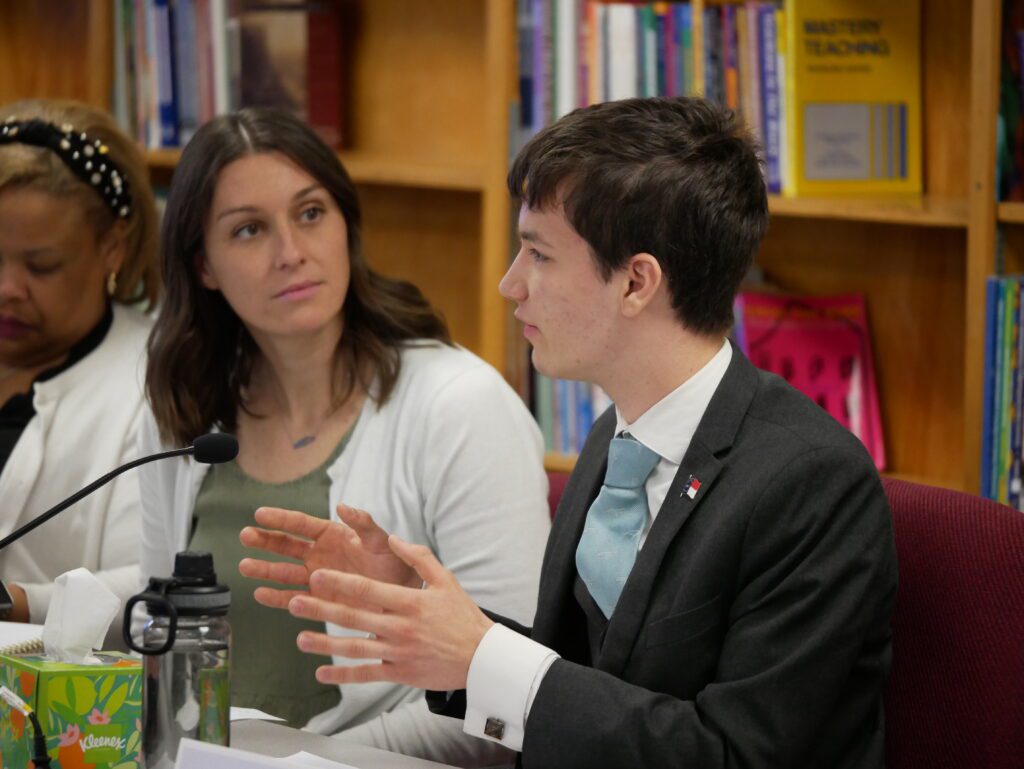
Applications are open for a new initiative that seeks to connect North Carolina student ambassadors with education policymaking bodies across the state.
The North Carolina Student Voice Alliance Ambassador Program aims to create opportunities for students to increase their engagement with these institutions. The program is part of the Student Voice Alliance, which conducts student surveys and provides opportunities for students to participate in education governance meetings.
 Sign up for the EdDaily to start each weekday with the top education news.
“The North Carolina Student Voice Alliance Ambassador program envisions a future where student voices are a routine and respected component of education governance,” the program proposal says. “By equipping students with knowledge, skills, and platforms, the initiative strengthens democratic participation and improves decision-making for the benefit of all stakeholders in North Carolina’s public education system.”
Mailin Soyke, head of the ambassador program, said student voices are often excluded from policy decisions — despite being the education system’s primary stakeholders.
“When students have a seat at the table, schools become more responsive, policies become more effective, and North Carolina develops leaders who will support education throughout their lives,” Soyke said. “This program aims to shift who we include and how we do education governance, and it’s exactly what our state needs right now.”
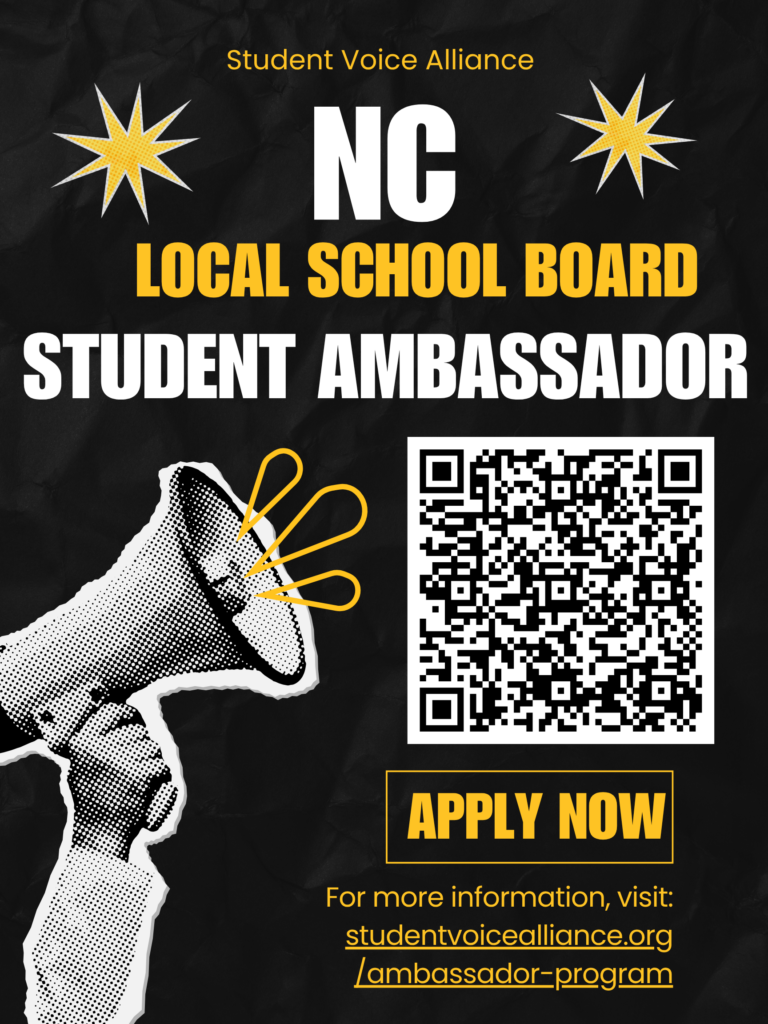
Ambassadors will be liaisons between students and local school boards, the proposal says, making sure these boards are made aware of students’ perspectives on policy debates.
Chosen students will receive a virtual training on state education policy and governance and local school boards. Students will also learn public speaking, debate, and advocacy skills, as well as how to conduct themselves in civic settings.
Once chosen, student ambassadors will observe at least three school board meetings and report back to other initiative members. Following additional training, ambassadors will then be able to deliver prepared remarks at meetings using student data.
After a year of service, students can join a legislative response team and propose their own student-centered initiatives and policies.
Ian House, student adviser to the State Board of Education and founder of the Student Voice Alliance (SVA), said the ambassador program aims to make student presence at the General Assembly more consistent. The legislative response team would have students attend education committee meetings, testify on education issues, and meet with legislators to discuss students’ priorities using SVA survey data.
The program will launch as a pilot this spring, informing the initiative’s statewide expansion over a one-year timeline.
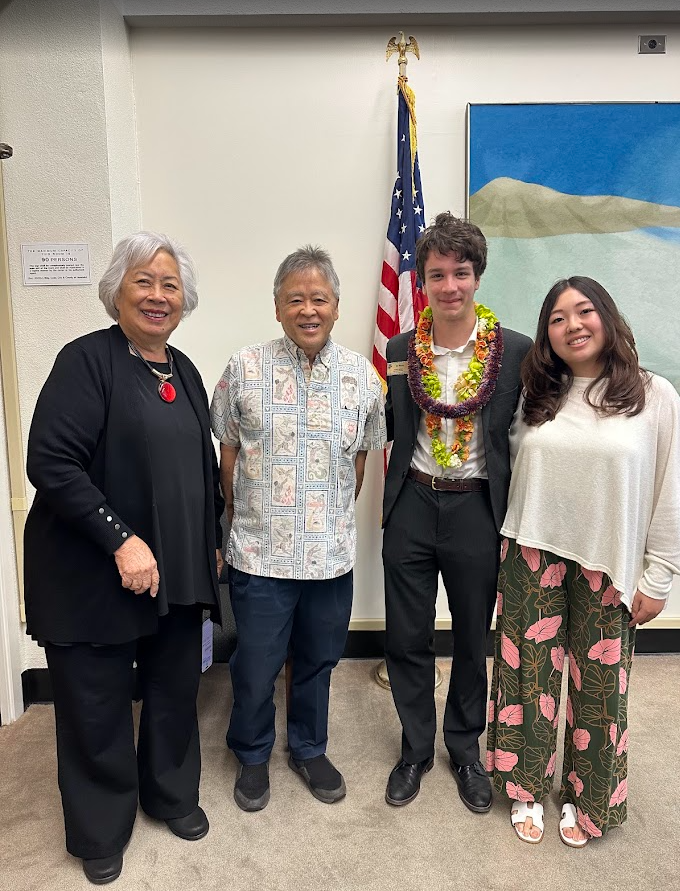
House said planning for the program began last August. Months later, a version of the program launched in Hawaii with six student ambassadors, which informed the implementation of North Carolina’s program.
For questions on the North Carolina Student Voice Alliance Ambassador Program, students can reach out to stuvoicehq@gmail.com.
Click here to apply. Applications close on June 10.