
Belk Center launches guidebook on NC Reconnect program for adult learners

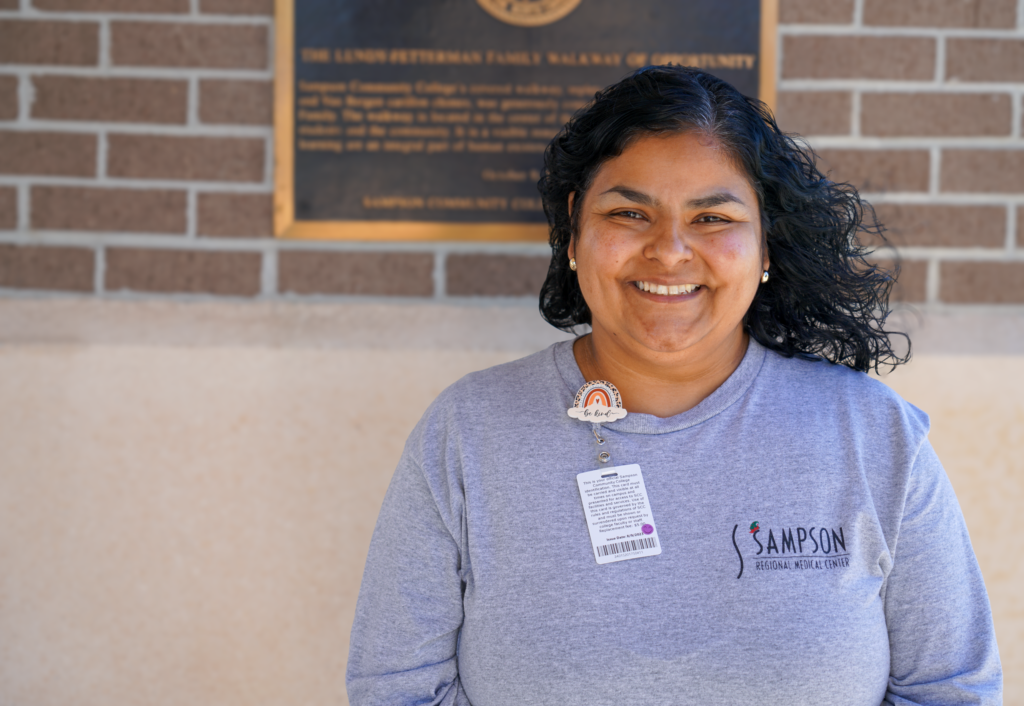
The Belk Center for Community College Leadership and Research has released its third Adult Learner Guidebook, analyzing the growth and impact of NC Reconnect, a program to help adult learners reenroll in North Carolina’s community colleges, according to a press release.
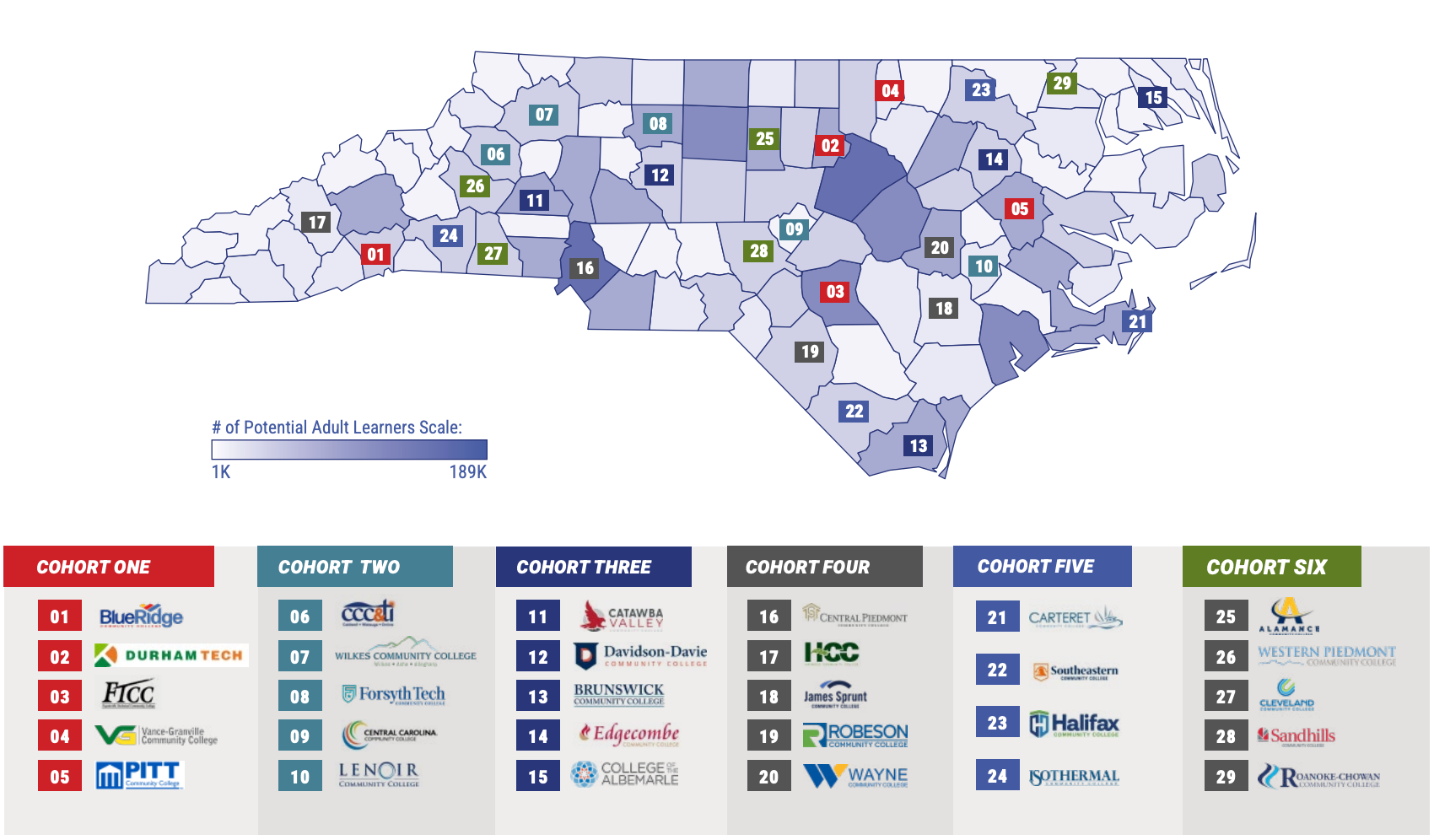
NC Reconnect was launched by the John M. Belk Endowment in partnership with the North Carolina Community College System, Belk Center, myFutureNC, and other supporting organizations, including InsideTrack, and marketing firms Crisp Communications and VisionPoint Marketing. It began with five colleges in fall 2021, and its six cohorts now include 29 community colleges.
“Through targeted, personalized outreach, the program has consistently achieved re-enrollment rates of at least 20% — significantly higher than the 2.7% of adults nationwide who return to college without targeted outreach,” the press release says.
According to the guidebook, more than 5,400 adult learners reenrolled in colleges from the programs’ first four cohorts, which included 20 colleges. These learners were more likely to be employed every term, receive Pell Grants, and enroll in Career and Technical Education (CTE) programs than their peers.
The guidebook highlights the rapid growth in workforce development and continuing education programs, which increased by 19% between 2020 and 2022.
“This focus on rapid upskilling is widespread, with 70% of all adult learners in North Carolina prioritizing workforce and continuing education programs,” the guidebook says.
The guidebook also highlights the challenges adult learners face in reenrolling.
In a survey of 363 adult learners, “time away from one’s job,” “cost of attending college,” and “time away from one’s children,” were the top three reported barriers to reenrollment and persistence in a program. More than 65% of the survey respondents who did not reenroll in a program had academic goals for personal enrichment or to advance in their jobs and careers in the next two years.
“Designed as both a resource and a call to action, the third edition includes critical questions and space for reflection to support meaningful dialogue among community college presidents, faculty, staff and administrators,” the guidebook says. “It encourages institutions to engage in practical conversations about how to better serve adult learners in ways that are responsive to their goals, experiences and unique needs.”
The guidebook also features an updated version of the program’s “Five Ps” framework: Public Messaging, Partnerships, Processes, Pathways, and Proximity. Read the full, updated framework here.
The Belk Center also calls on college leaders in the guidebook to review programs’ eligibility for Workforce Pell Grants, the new grants available in July for eligible students enrolled in short-term workforce and continuing education programs.
“Providing Pell Grants to students in continuing education and short-term workforce programs opens the door to financial support and reduces barriers to program completion,” the guidebook says.
The guidebook also recommends that leaders guarantee their programs offer pathways to high-demand and high-wage fields and that these programs embed experiential learning opportunities. It also calls on college staff to help adult learners find programs aligned with their interests and to provide a wide range of supports to them, from tutoring to opportunities for connection with other students.
Editor’s note: The John M. Belk Endowment supports the work of EdNC.