This article originally appeared in the North Carolina Tribune newsletter on Wednesday, March 4, 2026. Subscribe to the North Carolina Tribune here.
Aetna’s only been administering claims for the State Health Plan for a little over a year, but officials in Treasurer Brad Briner’s office are already looking ahead to perhaps replacing it.
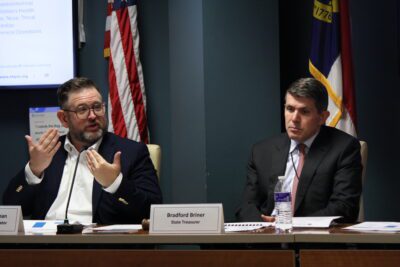
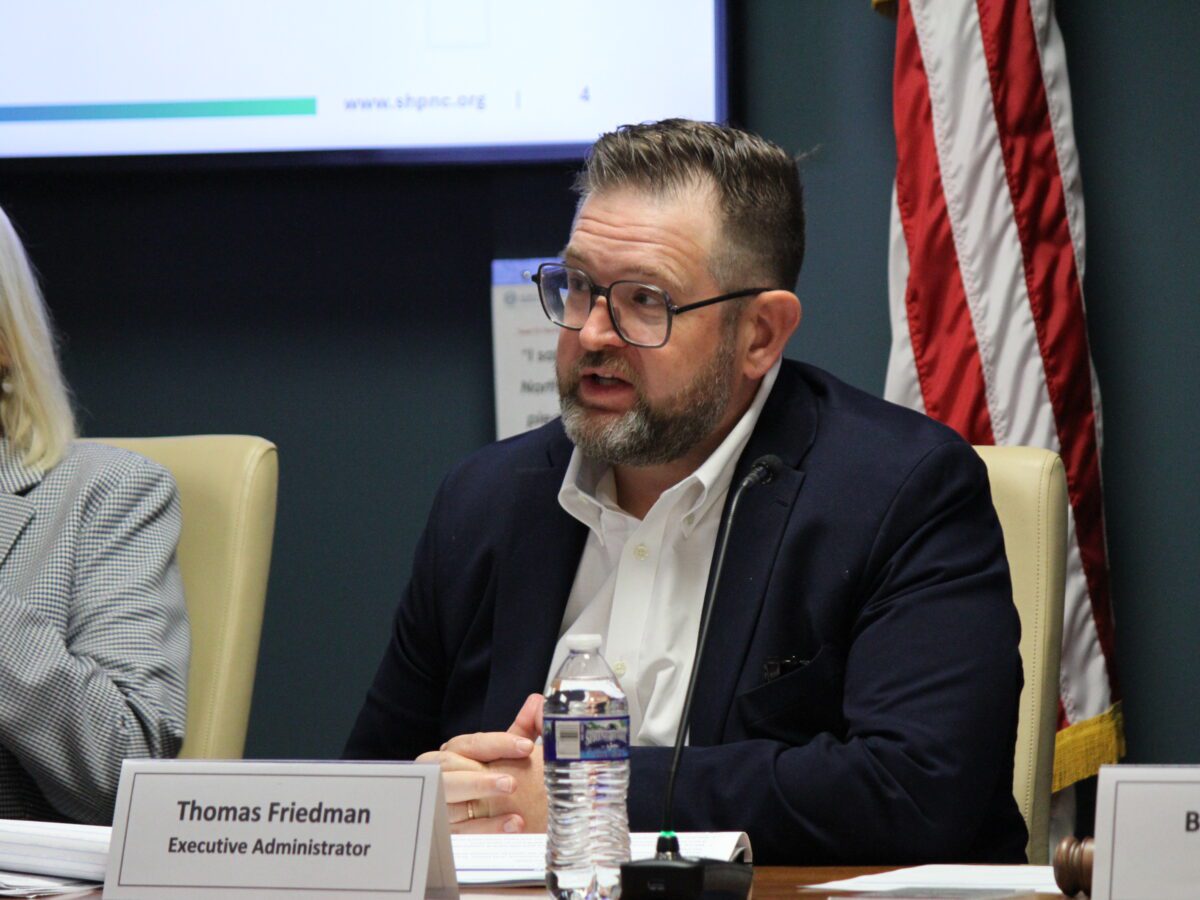
The plan’s executive administrator, Thomas Friedman, recently briefed potential vendors about his expectations going forward.
He minced no words, saying he’s not interested in listening to sales pitches.
In fact, he said when it comes to sales staff, “I don’t care what you say at all,” he said, stressing that officials want to hear only from “the experts who will be doing the work on the ground.”
 Sign up for the EdWeekly, a Friday roundup of the most important education news of the week.
Briner’s aide signaled their intentions to plan trustees late last year, telling them they intended to launch an RFP (request for proposals) process to “reflect (the) current administration’s values, (and) focus on health and changing market dynamics.”
Aetna got the State Health Plan’s business under Briner’s predecessor, former Treasurer Dale Folwell. Its three-year contract took effect at the start of 2025 and includes options for two one-year renewals.
Given that the contract’s only certain of running through the end of 2027, officials “have to kick (the) process off now,” Friedman told The Tribune.
That’s because they’ll need “adequate implementation time” for open enrollment in the fall of 2027, and because it’ll coincide with a new pharmacy benefits manager contract for the State Health Plan, he said.
Its current Pharmacy Benefit Management (PBM) contract, with CVS Caremark, also runs through the end of 2027.
The move to sign with Aetna was controversial at the time.
Folwell and his aides justified it on customer-service grounds, voicing dissatisfaction with longtime incumbent contractor Blue Cross and Blue Shield of North Carolina.
Blue Cross responded by suing, but ultimately had to concede the switch. But it was a blow to the insurer, costing it about 17% of its medical membership.
Folwell’s decision bothered some state legislators because Blue Cross is both a home-grown operation and because in a lot of places in North Carolina, it’s really the only supplier of health insurance.
“We really want an excellent claims processor,” Friedman said during his recent briefing, during which he took no questions. “We really want to allow everyone to play to their strengths and help us lower the cost of healthcare for our members, first, to improve their health, and to make the state’s health, of course, sustainable.”
Editor’s note: Blue Cross and Blue Shield of North Carolina supports the work of EdNC.

Recommended reading