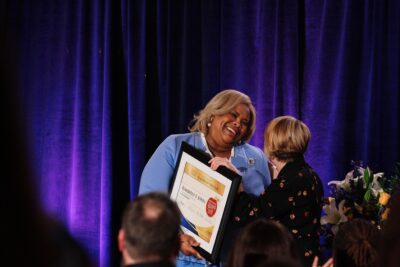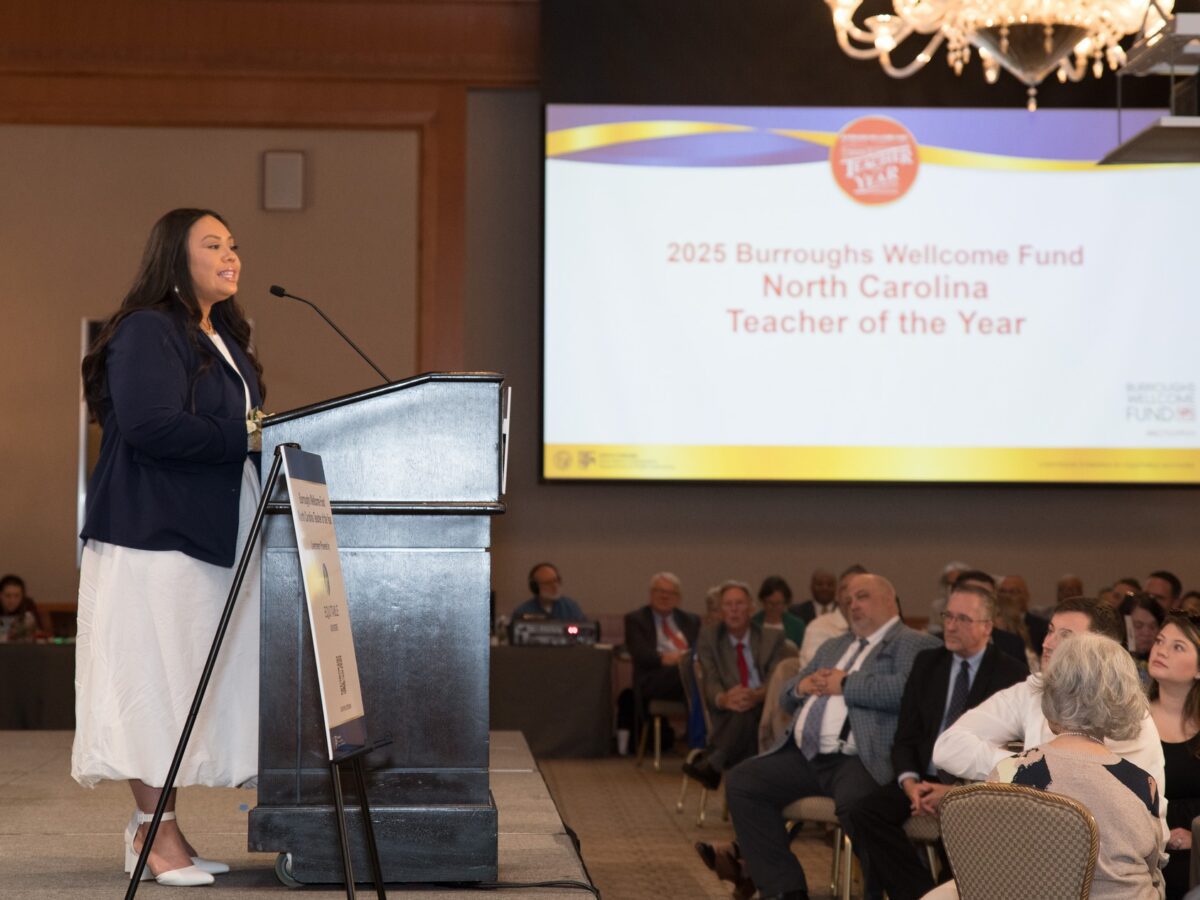
Nine North Carolina educators have been named regional Teachers of the Year in recognition of their outstanding leadership and excellence in teaching, according to a press release.
“These nine individuals represent the very best of public education,” said State Superintendent Maurice “Mo” Green. “From differentiating instruction for every child to coaching sports teams to planning schoolwide initiatives, their impact goes far beyond the walls of their own classrooms. Their excellence is an inspiration.”
Since 2013, the N.C. Department of Public Instruction (DPI) has partnered with the Burroughs Wellcome Fund to honor North Carolina teachers. The state has recognized outstanding teachers through its Teacher of the Year program since 1970.
The mission of the North Carolina Teacher of the Year Program is to promote the profession through advocacy and support while recognizing outstanding teaching professionals who are implementing best practices in classrooms across North Carolina.
On April 24, one of these excellent educators will be named the 2026 Burroughs Wellcome Fund North Carolina Teacher of the Year.
Northeast | Heather Dail, Hertford Grammar, Perquimans County Schools
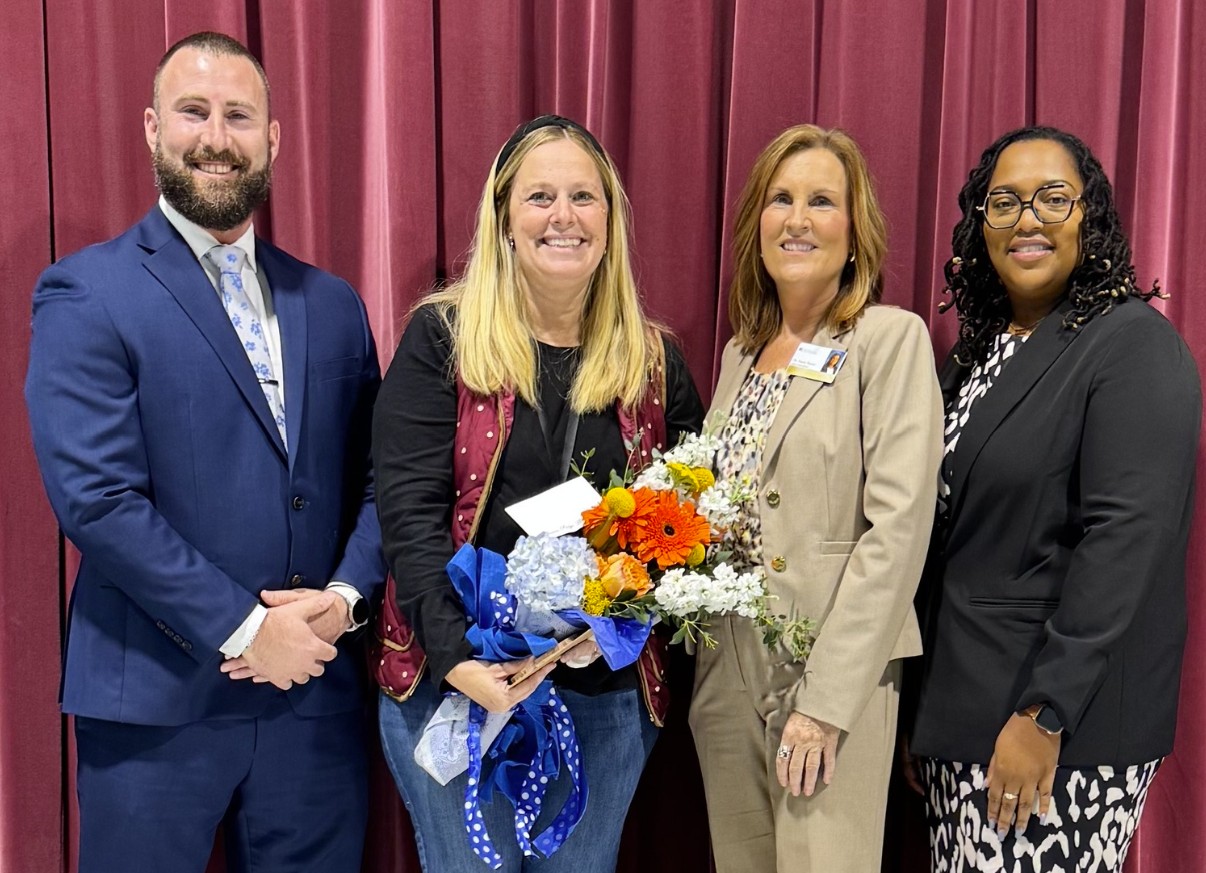
Hertford Grammar School sits in a town of fewer than 2,000 people, but thanks to Heather Dail, its students are learning their potential has no bounds.
As a Science, Technology, Engineering and Math (STEM) teacher, Dail immerses her students in real-world learning and problem solving, from exploring gravity via virtual roller coaster rides to visiting a wind turbine farm to hearing how people in their community use STEM in their careers.
She teaches every student at Hertford Grammar for one hour each week, but her influence is deeply engrained in the school culture. She has launched schoolwide initiatives like Hour of STEM and the STEM Showcase — and is leading the rigorous process to get Hertford Grammar recognized as a North Carolina STEM School of Distinction.
“At the heart of my philosophy is this: when we connect classrooms to the real world, support each other as professionals and lead with heart, we create schools where students and teachers grow together — and that’s where the magic happens,” Dail said. “The student impact is clear: excitement in the halls, confidence in classrooms and a school community that embraces learning through creativity and problem-solving.”
In addition to her STEM work, Dail is a member of the school improvement team and a mentor to other educators, offering resources and advice from her seven years of teaching.
— DPI press release
Southeast | Cason Justice, Swansboro High School, Onslow County Schools
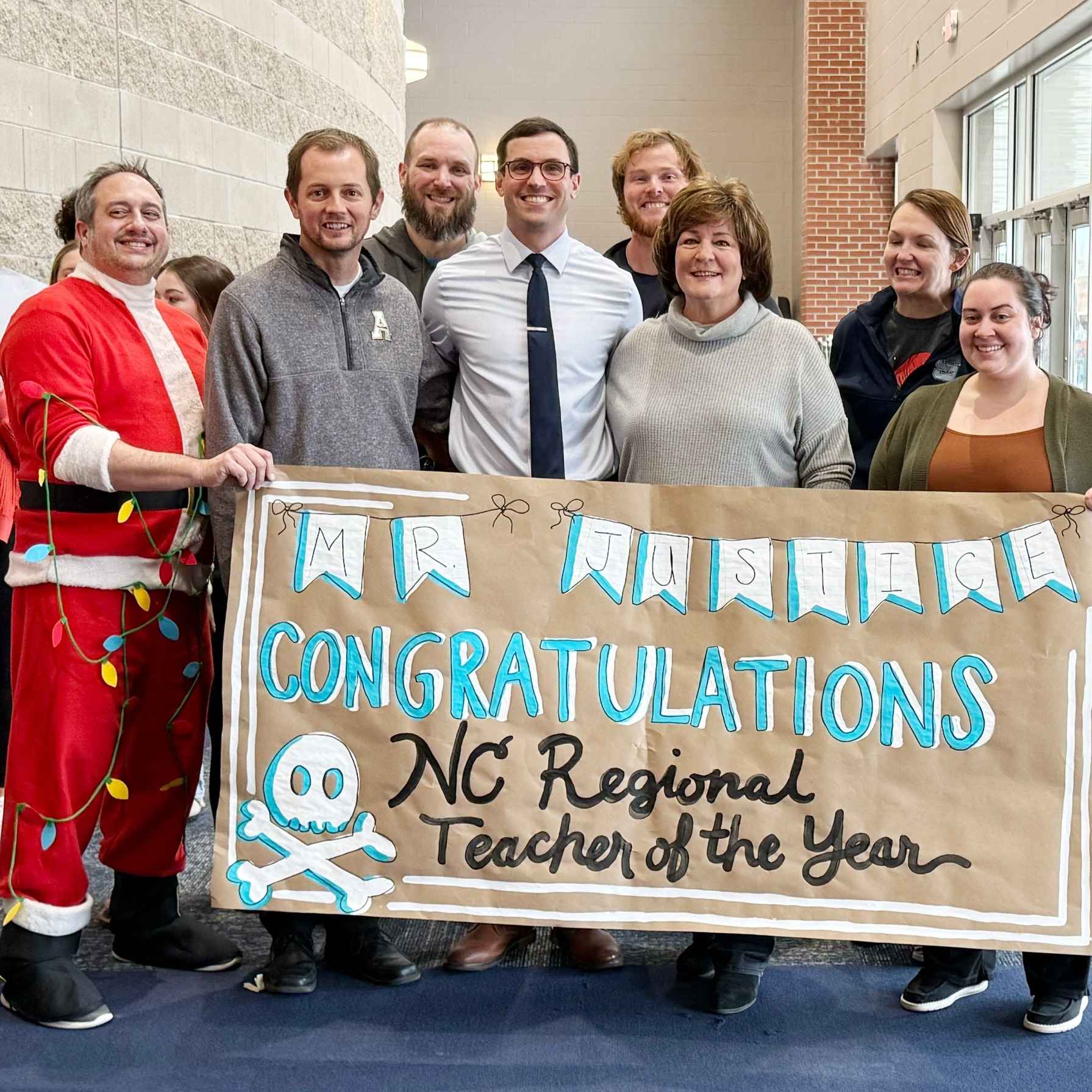
Cason Justice didn’t love his own World History experience in high school — there was a lot of textbook reading and copying down notes — so he intentionally designs lessons that engage and excite students.
“I want to move them from memorizing to investigating, from being passive receivers of information to active participants who create, analyze and write like historians,” he said. “I want to change how they see history and how they see themselves as learners. As soon as they enter my room, I want them to think, ‘I can do this today.’”
He achieves this with his World History and AP European History students by letting them “do” history through activities like shoebox archeological digs and writing historical accounts of a school dodgeball game.
Outside of his classroom, Justice supports his school as a member of the strategic planning team, a member of the Teacher Leadership Council, and the advisor for Fellowship of Christian Athletes (FCA). Involved in FCA since he began his teaching career at Swansboro High in 2012, he has seen participation grow from 15 students at weekly meetings to more than 250.
Ahead of the 2024 general election, he led Swansboro High in a civic engagement campaign, complete with a schoolwide mock election, students running grassroots campaigns, and robust discussions on local policies.
— DPI press release
North Central | Shannon Campbell, Wilson Early College Academy, Wilson County Schools
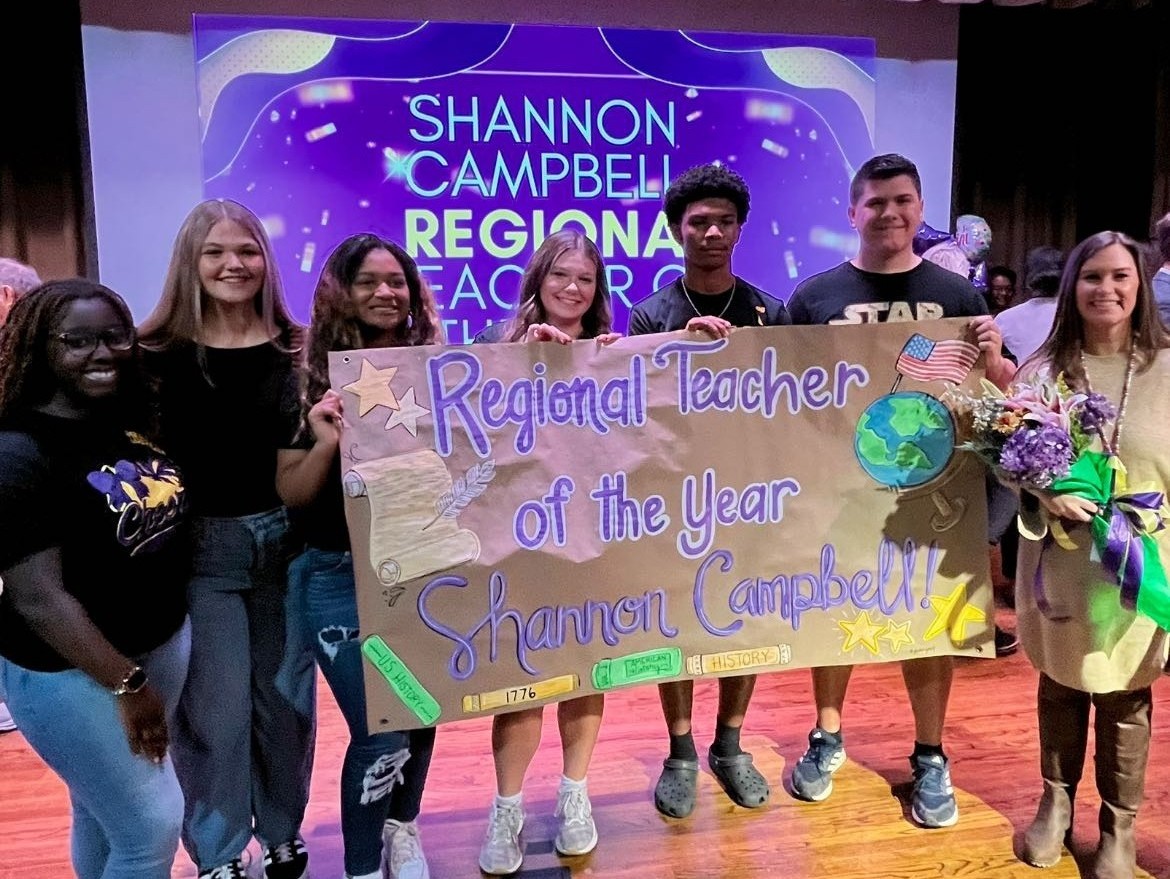
Described as “a model of 21st-century teaching excellence” by her former principal, Shannon Campbell takes a whole-child approach to teaching.
This is evident in her classroom, where she uses interactive projects that make history come alive for students. One of her favorites is a simulation in which students learn about the Treaty of Versailles through primary sources and then negotiate the treaty as representatives of various nations.
Part of her school’s leadership team, Campbell is one of the architects of TigerFest and Tiger Time, two efforts to help students connect socially and emotionally in a time where loneliness among teens dominates headlines.
“These programs are not just about fun — they are about shaping the culture of WECA,” she said. “In a school without feeder patterns, without traditional sports or clubs, and in a district where many families face economic hardship, these programs ensure that every student knows they have a place, a voice, and a community.”
Campbell has been teaching for 14 years and in her current position — teaching both history and economics and personal finance — for nearly a decade. In addition to her work with students, she is passionate about supporting other educators. She mentors beginning and transitioning teachers, serves on her school’s leadership team, and helped draft district-wide curriculum maps for both American History and Economics and Personal Finance.
— DPI press release
Sandhills | Manzell Spencer, Douglas Byrd Middle, Cumberland County Schools
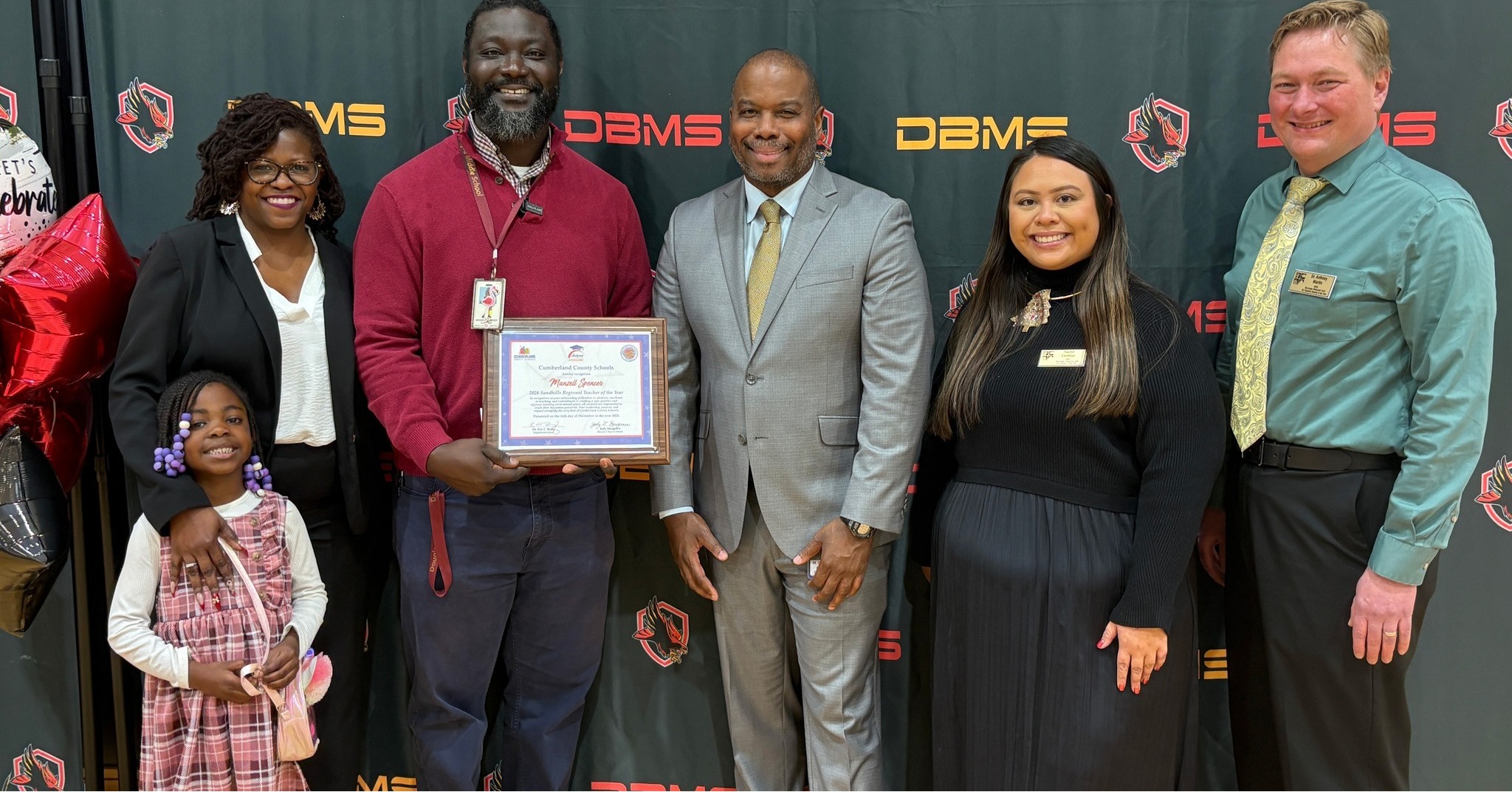
Whether in history class, on the football field, or out in his community, Manzell Spencer has a singular focus: helping students find where they belong. Knowing that they need to know why the content matters before they care about the facts, Spencer focuses on building relationships with students before delivering content.
“Whether it is a conversation after a game, a quick check-in at a store, or a message home to celebrate a small win, I make it clear that school is not just a place where students go, it is a place where they are seen,” Spencer said. “One student once told me, ‘Coach, it is like you see something in me I didn’t even know was there.’”
Spencer is a member of the school improvement team, chair of the Student Engagement Correlate, and head football coach — and he recently launched a mentorship program for young men.
Charged with growing the school’s football program as part of a schoolwide plan to boost engagement, Spencer recruited students who didn’t see themselves as athletes or who were disconnected from school life, equipping them with discipline, confidence, and a focus on classroom performance.
Building on that success, Spencer worked with the school’s other coaches and teachers to develop a school culture in which students are more visible, more involved, and more accountable.
— DPI press release
Piedmont Triad | Jonathan Lancho Villa, Pilot Mountain Elementary, Surry County Schools
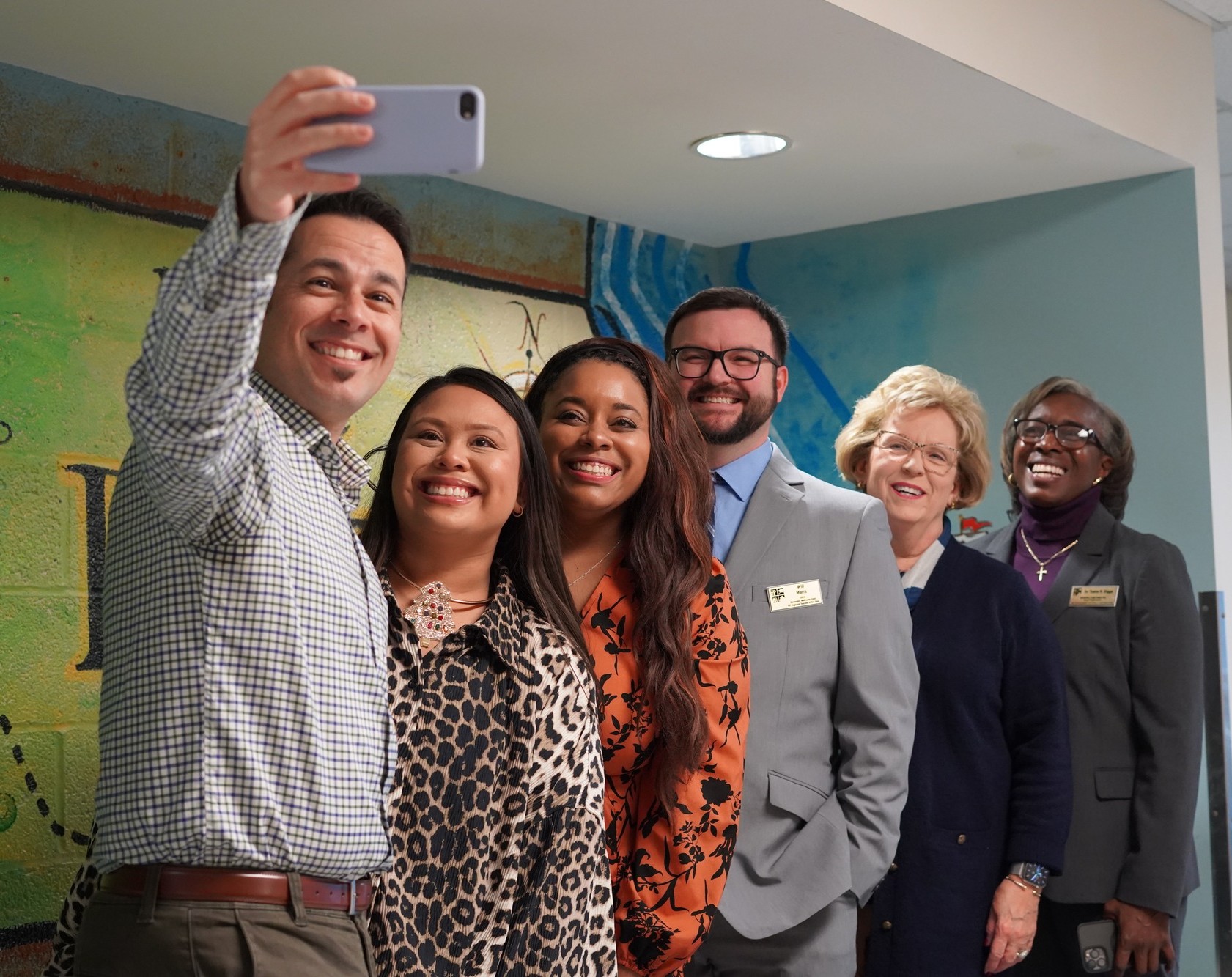
Where some might see learning English as a second language as a barrier to learning, multilingual specialist Jonathan Lancho Villa sees a bridge.
In his classroom, each student’s background is an asset. He encourages them to interview family members, collect stories, or compare cultural traditions as part of their assignments.
“These projects promote pride in cultural identity and build bridges between home and school,” Lancho Villa said. “The impact of these efforts is clear: students show greater confidence when they see that their culture and community matter in the classroom. They participate actively, take ownership of their learning, and begin to understand their role as contributors in the world, not just learners.”
In an effort to strengthen the connection between Pilot Mountain and its English learner families, Lancho Villa created a Multilingual Family Engagement Night to give parents and caregivers an opportunity to engage in hands-on literacy and language activities in both English and their home language.
He also coaches the school’s running club, Pirates on the Run, which promotes character development in addition to physical activity. Known for stepping in for colleagues wherever he’s needed, Lancho Villa can also be seen behind the wheel of a school bus from time to time.
— DPI press release
Southwest | Melissa Culp, St. James Elementary, Lincoln County Schools
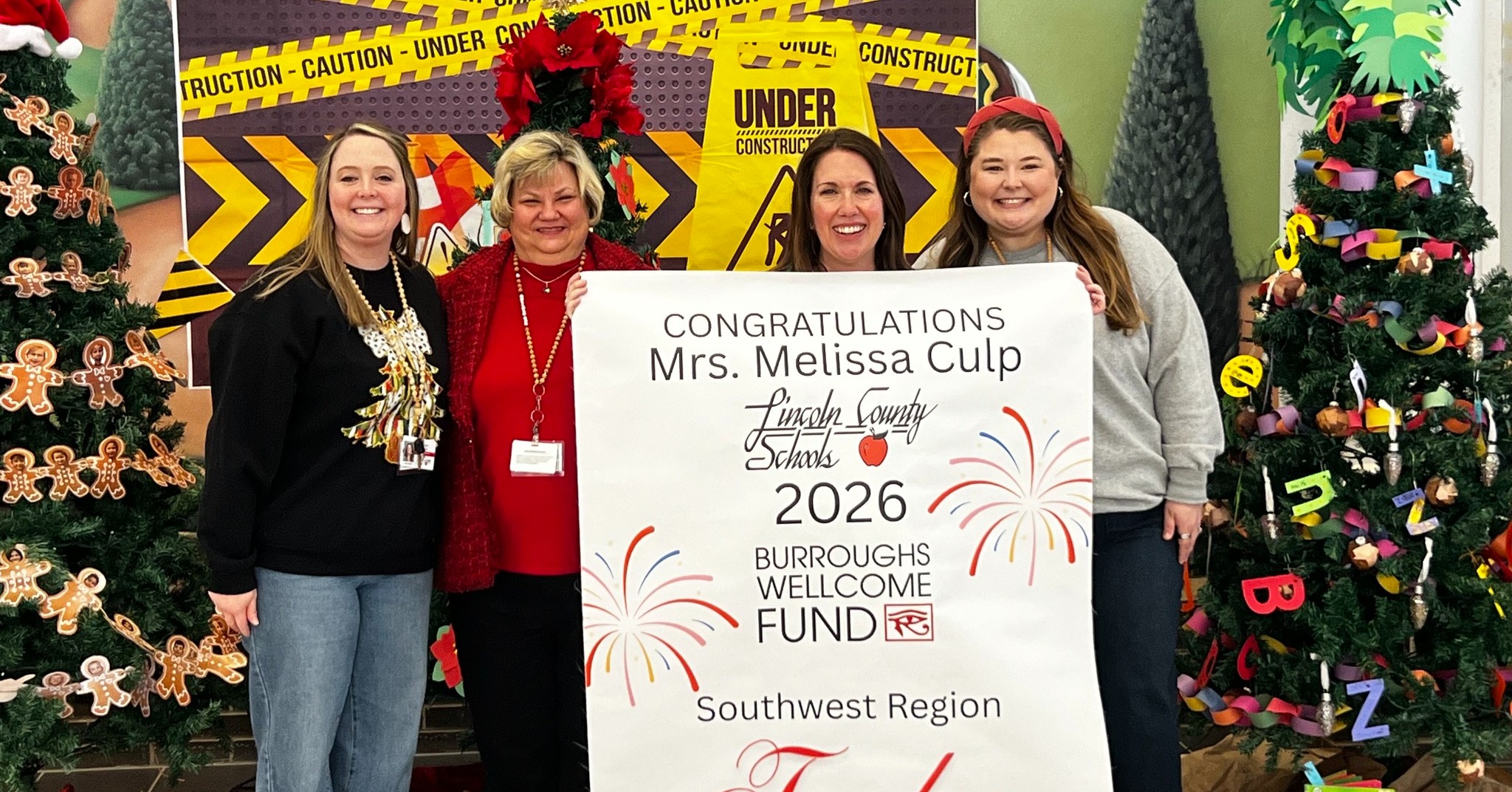
One might assume that with more than two decades of experience under her belt, Melissa Hollar Culp has teaching down to a science — but the way she sees it, every day is a new opportunity to innovate.
Culp intentionally integrates technology into her lessons so that students can learn to think critically, communicate, and collaborate using technology, not in spite of it.
Based on research and her own expertise, Culp implemented an innovative teaching method called “playlists.” In addition to traditional instruction, she carves out time for students to work independently or in groups on a sequence of activities so she can provide individualized support. The idea came about as Culp noticed a shift in the way students learn and their social-emotional needs.
“I’ve observed over the last few years that students now need more authentic opportunities to interact with their peers,” she said. “These opportunities are situations where students learn to communicate effectively with others and engage in productive struggle. Students also practice how to be independent and use resources to solve problems on their own.”
In addition to leading school-level initiatives, Culp teamed up with past Teachers of the Year from Lincoln County to create a Teacher Leadership Council, which uplifts teacher voice on policy decisions that affect them.
— DPI press release
Northwest | Gina Holste, Valle Crucis School, Watauga County Schools
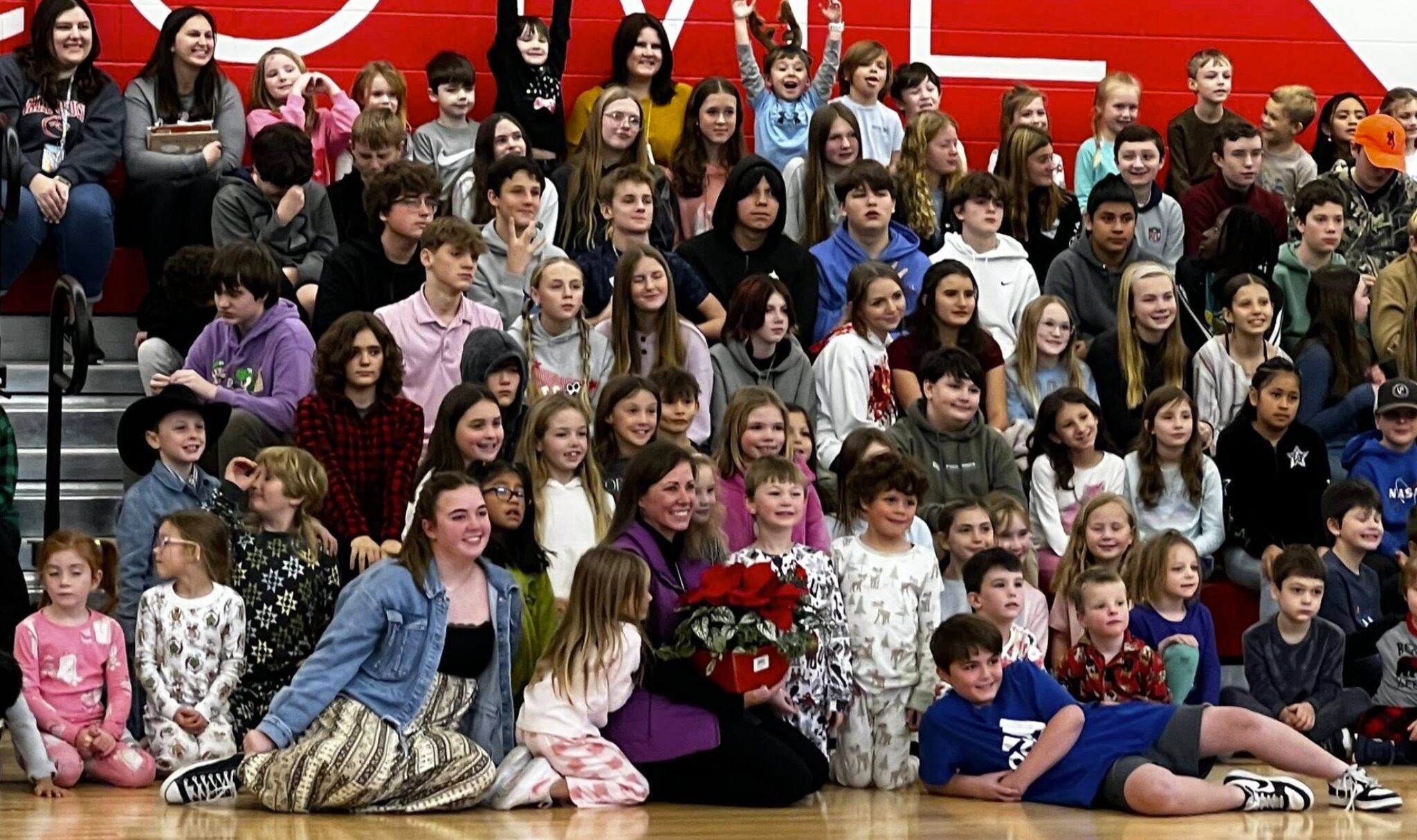
After nearly 20 years in education, Gina Holste has come to believe that the art of teaching is about just two things: the mission and the people.
“Engagement is crucial to my philosophy of teaching. Students need to feel emotionally ready to receive and learn new information,” she said. “For example, we practice high frequency words that they are trying to learn to read and spell by using tactile writing. I give choices about whether they want to write on chalkboards or use a piece of screen under paper to make ‘bumpy’ writing.”
As a K-5 reading specialist, Holste follows the structure prescribed by the science of reading, but also incorporates other brain science and spends a lot of time getting to know her students so she can serve their specific needs. She designs her classroom to be warm, inviting, and conducive to a variety of instructional approaches.
In the aftermath of Hurricane Helene in 2024, she was critical in getting classes resumed at Valle Crucis despite numerous obstacles — working to rebuild the school schedule, redesigning bus routes, and serving grab-and-go breakfasts to students.
Today, she continues to make a school-wide impact as a member of her school’s Individual Problem Solving Team (IPST) and as the Data Team facilitator for grades K-4.
— DPI press release
Western | Nishelle Henson, Macon Middle, Macon County Schools
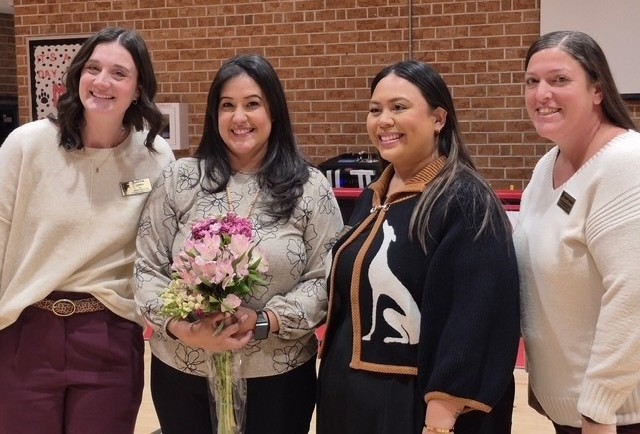
Nishelle Henson loves when students tell her they’re not good at math – because it gives her a chance to excitedly exclaim “You’re not good at math… yet!” She works to make the subject accessible and fun for students of all ability levels and backgrounds.
“I did not always love math. I struggled when I was in school and had to work extremely hard to do what naturally came to others,” she said. “I do not want students to fear math, therefore I celebrate all students who persevere through a struggle, get an answer correct, help one of their peers, and ask questions that further engage the class.”
Henson uses real-life examples and gamified lessons to make her curriculum relevant to students, including inviting local bankers to visit the class and help students create a budget for an assigned persona with a salary and family.
As a member of her school’s AVID leadership/school improvement team, Henson has become a culture leader among her peers, providing technical training for new systems and taking the lead on a school-wide focus on organization.
She is also passionate about supporting beginning teachers and regularly speaks with students in education classes at local universities, opens up her classroom for observation, and provides support for coworkers who have not been traditionally prepared.
— DPI press release
Charter School | Stephanie Lane, Lake Norman Charter
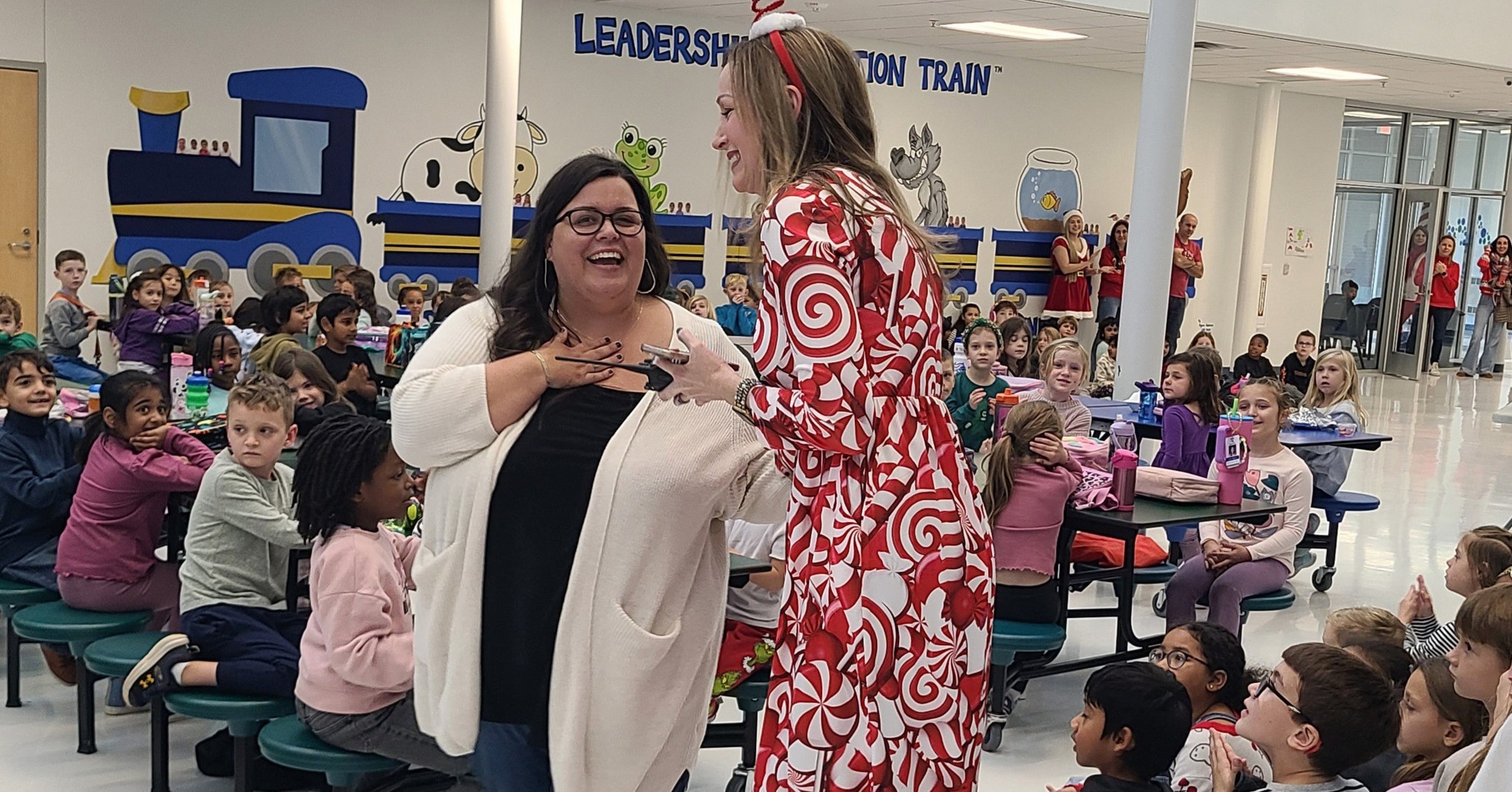
Stephanie Lane’s classroom is a place where a kid can be a kid. Alarmed by her students growing dependence on social media “likes” for validation, Lane built her classroom around creativity, play, and authentic connections — sans screens.
STEM bins create opportunities for hands-on unstructured play, games like Uno and chess build teamwork skills, and each student has their own “Imagination Journal.” Technology is used sparingly and appropriately as a tool for learning, not fun.
“At the heart of this journey, I’ve realized that teaching in today’s world is not just about literacy and math — it’s about helping children reclaim their childhood,” Lane said. “I hope that they leave my classroom not only stronger readers and thinkers but also more confident, grounded, and joyful human beings.”
She also takes a student-centered approach to literacy. Lane designed an activity called Phonics Rounds that split students into groups with different objectives, allowing her to effectively differentiate instruction for student needs.
The activity was so successful that she shared it with another teacher at her school, and then another — culminating in six first-grade classes participating in Phonics Rounds during the 2024-25 school year. Of 120 students who were involved, nearly 96 percent met their end-of-year literacy benchmarks.
In addition to her role as a classroom teacher, Lane is her school’s support lead for Multi-Tiered System of Supports (MTSS). She is also a member of the transition team for the charter school’s newest campus, Lake Norman Charter Elementary-West Campus, which will open in 2026-27.
— DPI press release
Recommended reading