
From turtles to town hall: SECU Public Fellows Internship at ASU

This series on internships is sponsored by the SECU Foundation.
A couple of weeks into her freshman year at Appalachian State University, Jordan Boles received a call from her dad. He needed her help checking into rehab; he had become dependent on painkillers years earlier while recovering from an injury that forced him to leave his job. Until 2008, he had worked for a lucrative stonemason business. But then he was hurt, the economy crashed, and Boles was thrust into what she calls “super poverty” in eighth grade. “I remember if I wanted to go to a football game, I would have to Coinstar pennies in our house to find $5,” she shared.
Boles’s family pulled through this difficult chapter, and her father has been sober for almost three years. However, as a high school student in High Point, she learned to hide her circumstances. She dug into extra-curriculars in order to pave a way out of poverty. She entered ASU as a fully-supported ACCESS Scholar, became an employee at ASU’s Office of International Education and Development, and is now president of the Alpha Phi sorority chapter, to name just a few of her successes. Boles has made the most of her college experience — and the same can be said of her SECU Public Fellows Internship.
“My kids could live in a world without sea turtles, and they’re such incredible creatures,” said Boles. She discovered the Ocean Isle Beach Sea Turtle Protection Organization (OIBSTPO) through a sorority contact and was hooked. “My life purpose is to give back to other people,” explained Boles — not to mention the idea of living at the beach was “totally groovy.”
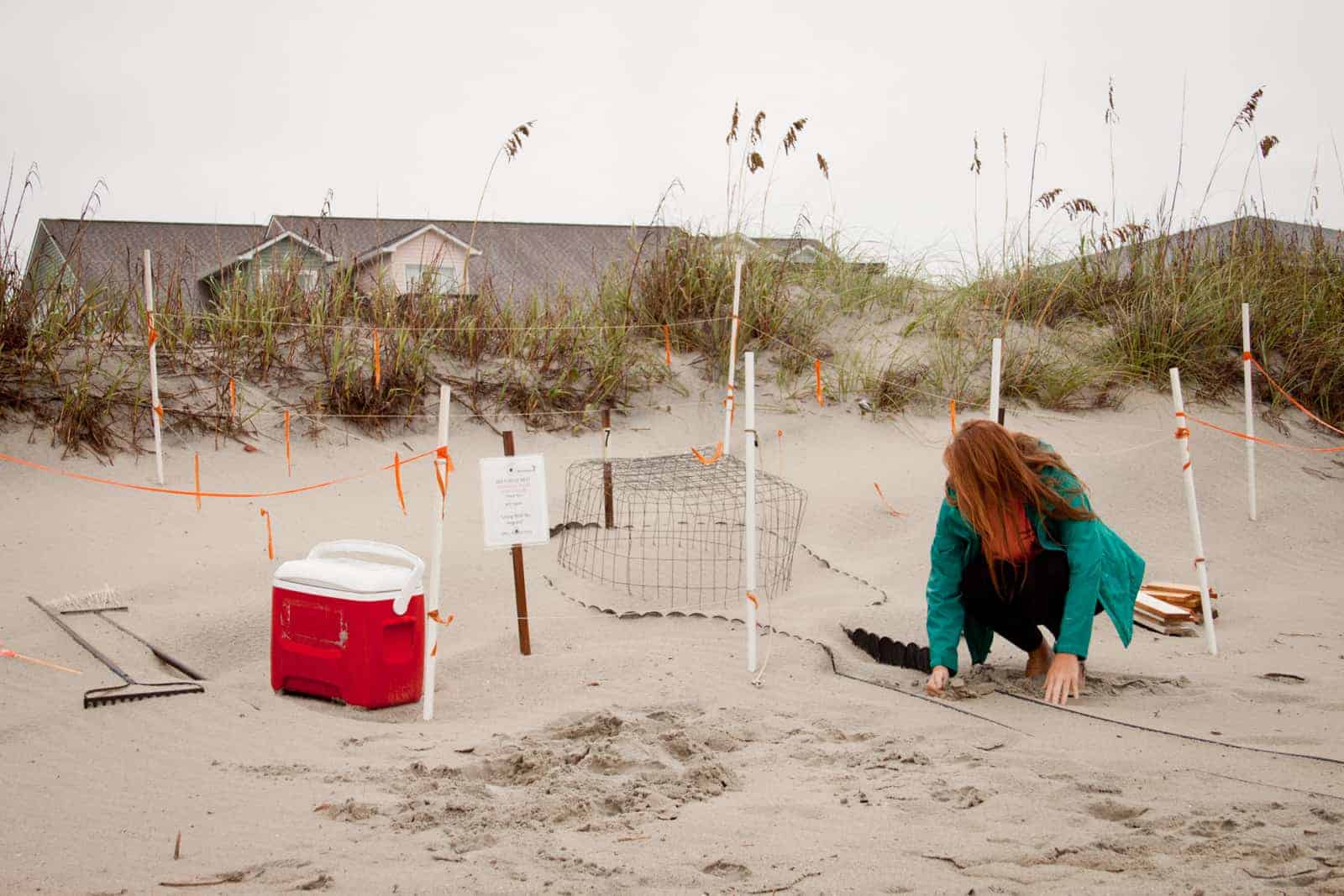
But it is also expensive. Boles could never have afforded the tourist-rate rentals. The SECU Public Fellows Internship stipend enabled her to work as a marketing intern and field scientist at OIBSTPO. Working with other volunteers, she patrolled the beach at dawn for signs of sea turtle nesting, transferred eggs and built protective nests, and helped hatchlings reach the ocean safely. “I’ve had to help pick up a 350-pound loggerhead, which is a really cool experience,” said Boles. Off the beach, she increased the organization’s social media presence, delivered turtle talks, and helped plan a festival.
This year, Jordan and nine other Appalachian State students completed service-oriented internships with SECU Foundation funding. While the central goal of the program — “to help build capacity in underserved rural communities and generate student interest in job opportunities close to home” — remains the same across the nine participating universities, each school implements it differently. “Each school adds their own flair to it,” explained Jama Dagenhart, SECU senior vice president and executive director of the SECU Foundation.
At ASU, the internship is limited to students in the Department of Government and Justice Studies and ACCESS Scholars like Boles. As Susan McCracken, director of career development and economic engagement for the Division of Student Affairs, explained, it worked best to integrate the SECU opportunity into already existing infrastructures. Criminal Justice and Public Administration majors are required to complete an internship, and funding ACCESS interns has the most potential for significant impact. “We made a choice not to put a cattle-call out to campus,” explained McCracken, “but to strategically work with departments and populations of students we thought would most benefit.” Every intern must also receive academic credit, which McCracken explains offers both a form of “quality assurance” and encourages students to develop relationships with faculty mentors.
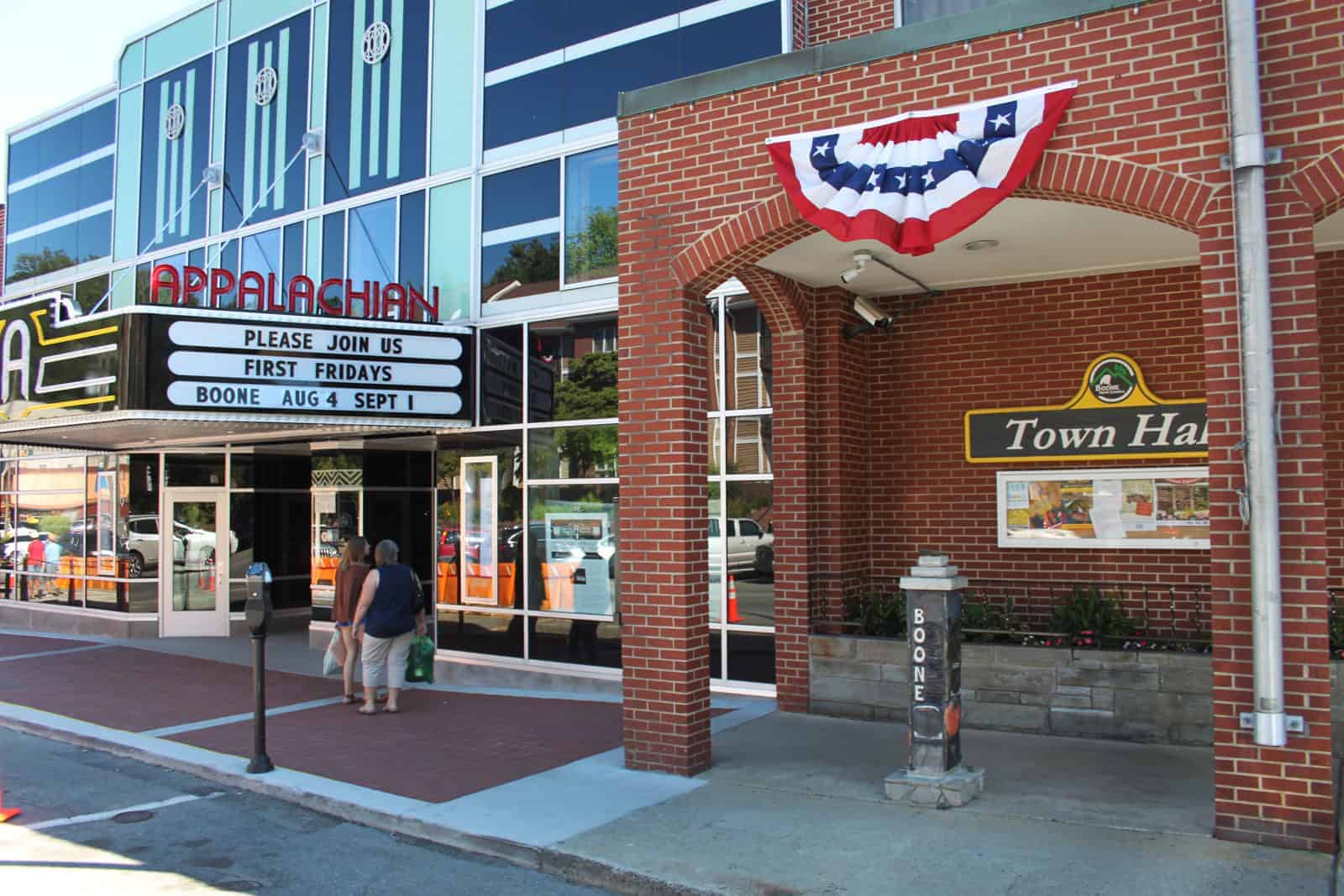
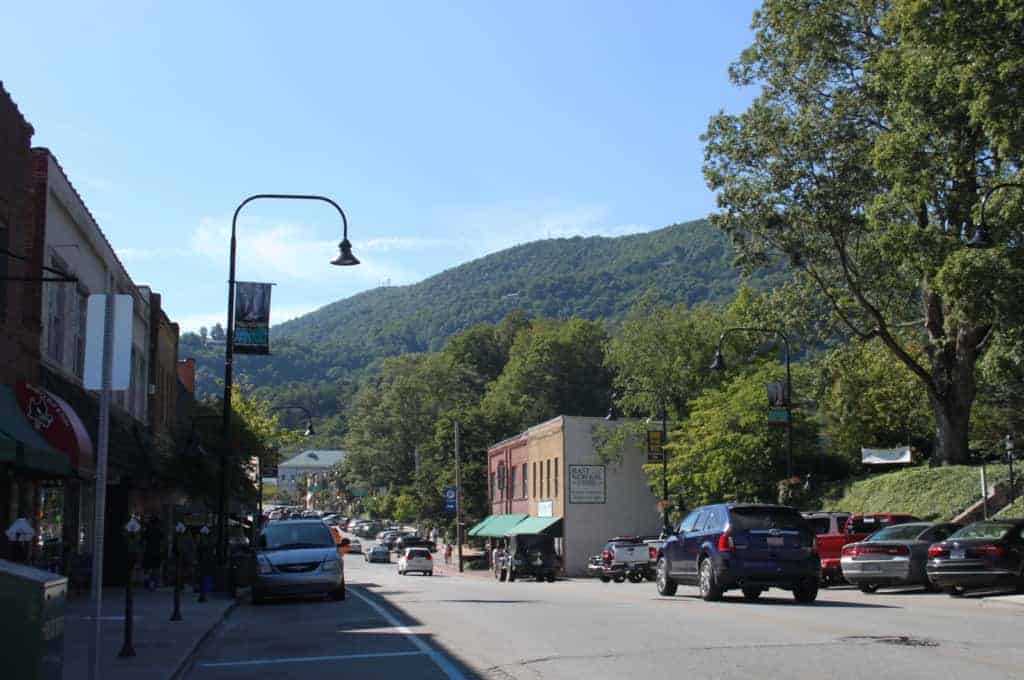
Boone is a town of 19,000, and there are limited internship opportunities. Rather than staying in Boone, students typically return home and find work there, explains Phillip Ardoin, chair of the department of Government and Justice Studies. “This scholarship has really opened up opportunities for students to look elsewhere for internships,” he continued.
Ardoin has witnessed students who are unable to substitute paid part-time jobs with an unpaid internship suffer negative consequences. “In the job market today, without having some type of networking or career experiences prior to graduating, it’s really difficult. I think internships are critical,” he emphasized. “If you can land one of these [SECU] scholarships, that’s maybe fewer hours that you need to put in at your part-time job,” added Derrick Lail, the department’s internship director.
By funding opportunities in rural areas, the SECU Public Fellows Internship also creates positions that offer exceptional learning experiences for the students. “I think when you go to the small town, you’re going to be doing everything,” explained Ardoin. “You might be the equivalent to the assistant town manager if the town manager takes the afternoon off. Whereas in Charlotte, the town manager has a GIS person, a water person — he’s got a staff of 50.” You’ll get a much more well-rounded experience,” said Lail.
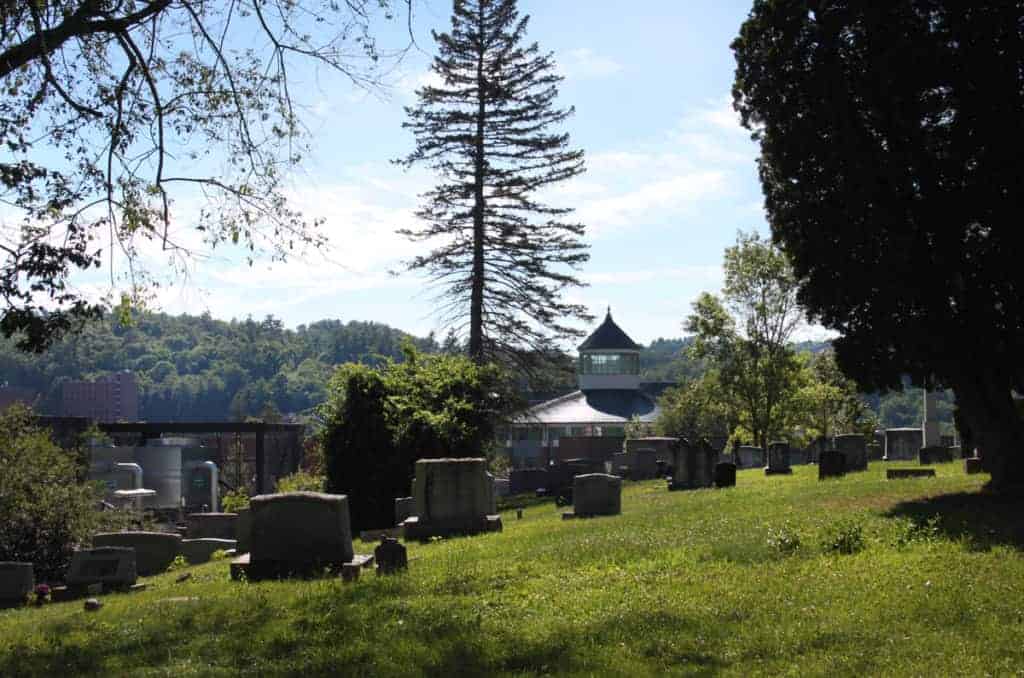
Tyler Cook of Charlotte graduated from ASU with a political science major and concentration in public administration. His final degree requirement was the internship he secured under John Ward III, town manager for Boone.
Cook arrived at ASU planning to major in drums, but a call for jury duty changed all that. “I loved it,” said Cook, breaking into a smile. “I thought it was literally the greatest experience of my life.” So impressed by his courtroom experience, Cook decided to make music a hobby and switched majors. “Public administration opened up my eyes a little bit,” said Tyler. “It showed me, even in a small town like Boone, the impact that a local government can have. It’s incredible.”

At ASU, interns must find their own job opportunities. “You should have the independence and the ambition to seek out the position yourself,” explained Ardoin. Tyler remembers convincing Ward to take him on as an intern, before he was even aware he could apply for SECU funding. “I was in love with the career,” remembered Cook. “When he said to me that every day is different, I lost it. I thought, ‘I want to do this!’”
This summer, Cook examined multi-million-dollar budgets, visited water treatment facilities, and toured the town with the police. On his first day, he assisted town employees in pulling down a fence that separated an unmarked slave graveyard from its more manicured, white counterpart on the border of ASU’s campus. “How many people can say they’ve desegregated a cemetery this year?” asked Cook.
As administrators and faculty at ASU think about implementing the SECU Public Fellows Internship for the fourth consecutive year in 2018, they have a few ideas to refine it. Ardoin is interested in starting to target sites and invite them to partner with ASU to host interns, and McCracken would like to consider how best to honor current and former fellows.
For Cook and Boles, no doubt the biggest honor they will receive are the lessons learned this summer.
Cook learned the value of public engagement, and is presently seeking ways to continue his path in municipal management. “You can’t have a town run without everyone being involved. I didn’t know what public involvement meant until I started this internship,” says Cook. “I’ve [also] learned discipline and not to fit the college mold anymore. I wrapped my head around: ‘If this is what I want to do I have to really take it by the horns.’”
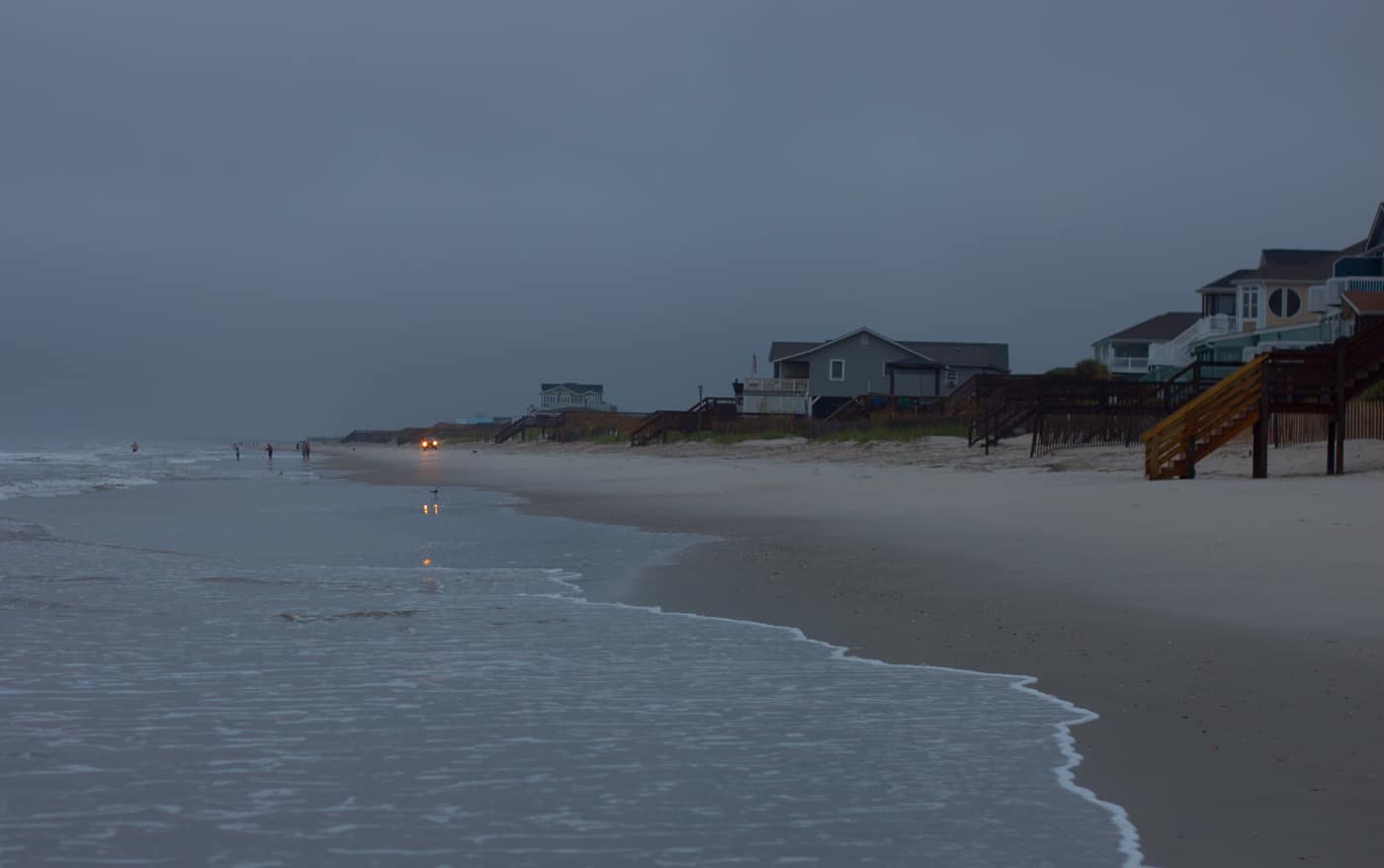
As she heads into senior year, Boles’s dream job is marketing director for an environment-oriented company like Patagonia or a non-profit. “I know my purpose is to do something for the environment. To use my marketing skills to sell an idea rather than a product,” she explains. The time away from her many commitments in Boone, and her family in High Point, has also helped Boles grow in important ways.
“I’m so close to my family, this was definitely a learning experience to be this far away from them. I had to figure out life on my own and figure out who I was without all the involvement,” said Boles. “If I’ve learned anything from this summer, it’s that I’m really thankful for what I’ve been through.”
She could not resist comparing herself to the sea turtles she devoted her summer to serving. “There’s a one percent survival rate for hatchlings, but we give them all a chance just so maybe one of the little guys can make it. And hey, someone gave me a chance so that hopefully I can make it too.”
SECU Public Fellows Internship
Appalachian State University, Summer 2017
- Kristain Abrams, Rutherfordton County Sheriff’s Department
- Jules Bouchard, NCDPS-Cleveland County
- Ashlyn Fish, Moore County Sheriff’s Department
- Conner Gleason-Wallace, North Carolina Research Campus – Nutrition Research Institute; Total Nutrition Technology
- Justin Parks, Brenner FIT with Wake Forest Baptist Health Brenner Children’s Hospital
- Jordan Boles, Ocean Isle Beach Sea Turtle Protection Organization
- Tiffani Parker, North Carolina State Bureau of Investigation
- Matthew Lee, North Carolina State Bureau of Investigation
- Jeremy Yoder, Gastonia Police Department
- Tyler Cook, Town Of Boone City Hall
Here is more information about SECU Foundation.
You can follow secu_foundation on Instagram.