
Union County Public Schools: Partners in Learning Collaborative connects philanthropy, policy, and practice
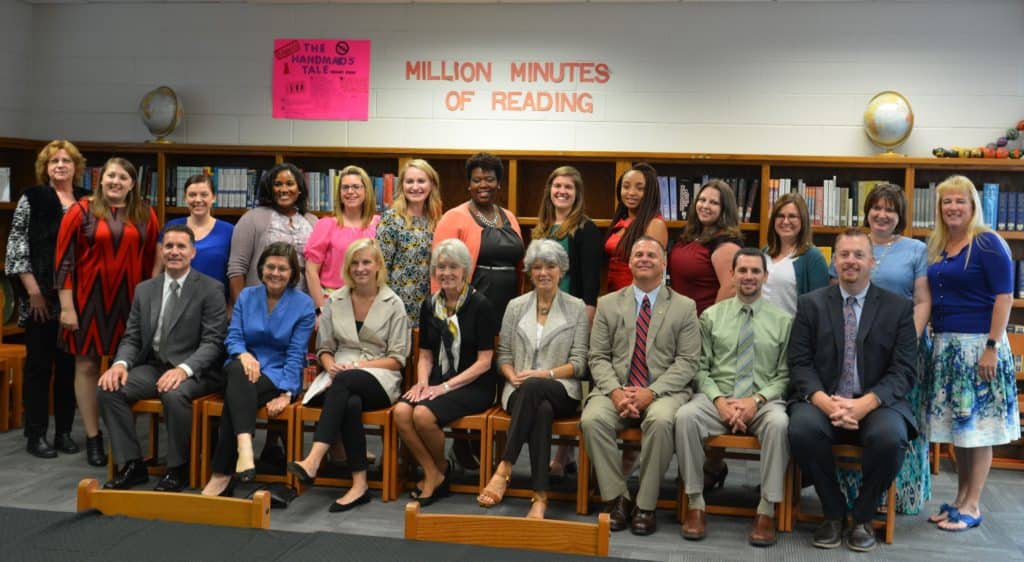
Ellen McIntyre, the rockstar Dean of the College of Education at UNC Charlotte (UNCC) tells me the story of the Partners in Learning Collaborative between the Union County Public Schools (UCPS) and UNCC. She says the now-retired superintendent of the Union County Public Schools, Dr. Mary Ellis, had an idea that would “shift the whole mindset of teacher education.” Ellis approached Rep. Craig Horn, R-Union, known as the education legislator, and they tried to get state funding. When that failed, the Goodnight Educational Foundation stepped in. “The Foundation wanted to try it,” McIntyre says. The grant was for $184,000.
On Thursday, May 12, 2016, leaders from the Goodnight Educational Foundation, UNCC, and UCPS met in Union County to debrief on the pilot. Funders, take note, this was unlike any other site visit I have seen, and invaluable for all involved. It included two school visits, sitting in on two classrooms, talking to three principals, debriefing the cohorts of teachers at three schools, small group conversation with the teachers, and a round table discussion over lunch.
So the story continues. This summer, on August 5, 2016, 12 teachers from the UCPS will graduate with a master’s degree in education from UNCC. But there is nothing typical about the degree itself or their path to getting a graduate degree.
What would it look like if professors from UNCC’s College of Education created a master’s program for teachers in Union County, delivered in their classrooms, tailored to their students?
Leveraging technology, this innovative residency model was designed “to provide teachers the just-in-time assistance they need to help their students learn at capacity,” addressing “turnover and disproportionate staffing in high need communities.” Some of the classes were online, but other aspects of the program were high touch, including face-to-face classes and embedded coaching in the classrooms. 1 Field trips were added to the program to expose the teachers to best practices.
Three classes were held in summer 2015, two in fall 2015, two in spring 2016, and another three in summer 2016 will complete the course requirements. Small group meetings at schools were held once or twice a month. During planning periods, the teachers visited each other’s classrooms. Individualized instruction was provided by the professors to the teachers for their content area.
An independent study with Dr. Tina Heafner was created for Ashley Ponscheck, an instructional technology facilitator. Ponscheck says, “It was a class of one. You can’t get more personalized or differentiated.”
The consensus is that the participants didn’t just become better teachers. They became empowered leaders.
Says Jessica Hall, a teacher at Monroe High School, “I want to be a change agent. I want to make a difference for these students.”
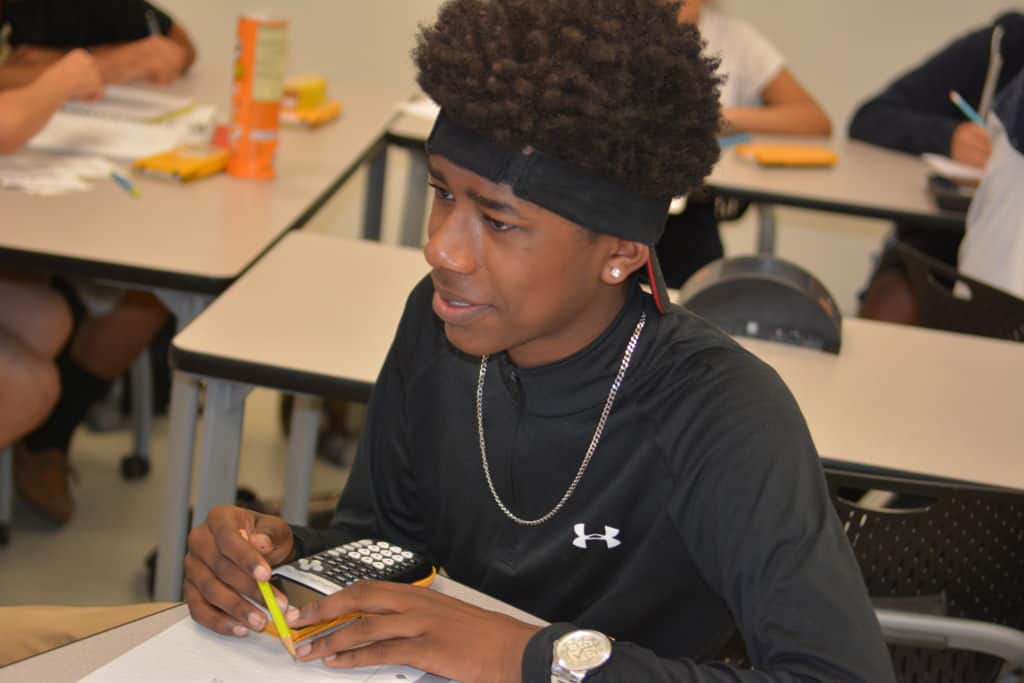
Heafner says, “When we design for empathy we need to know the perspective of the students in the classroom.”
Before the school year started, 1,149 students were surveyed, and the quotes about teachers were very negative.
These are direct quotes from the surveys. “Most teachers don’t listen.” “Just ask me if I am OK sometimes.”
Students thought the teachers worked for the paycheck and didn’t care.
The student comments screamed:
I have a face. I have a name. I have a voice. I have a place in the classroom.
The comments were hard for the teachers to process. Hall says, “They broke our hearts.”
The teachers realized if you can’t reach the students, then you can’t teach them.
The teachers were motivated to create a learning environment where students want to be in the classroom, where they felt invited.
Professor Jeanneine Jones says, “Understanding the kids that we teach became the driving factor in the design of the program.” Teaching teachers how to build relationships with students builds more effective classrooms, she says.
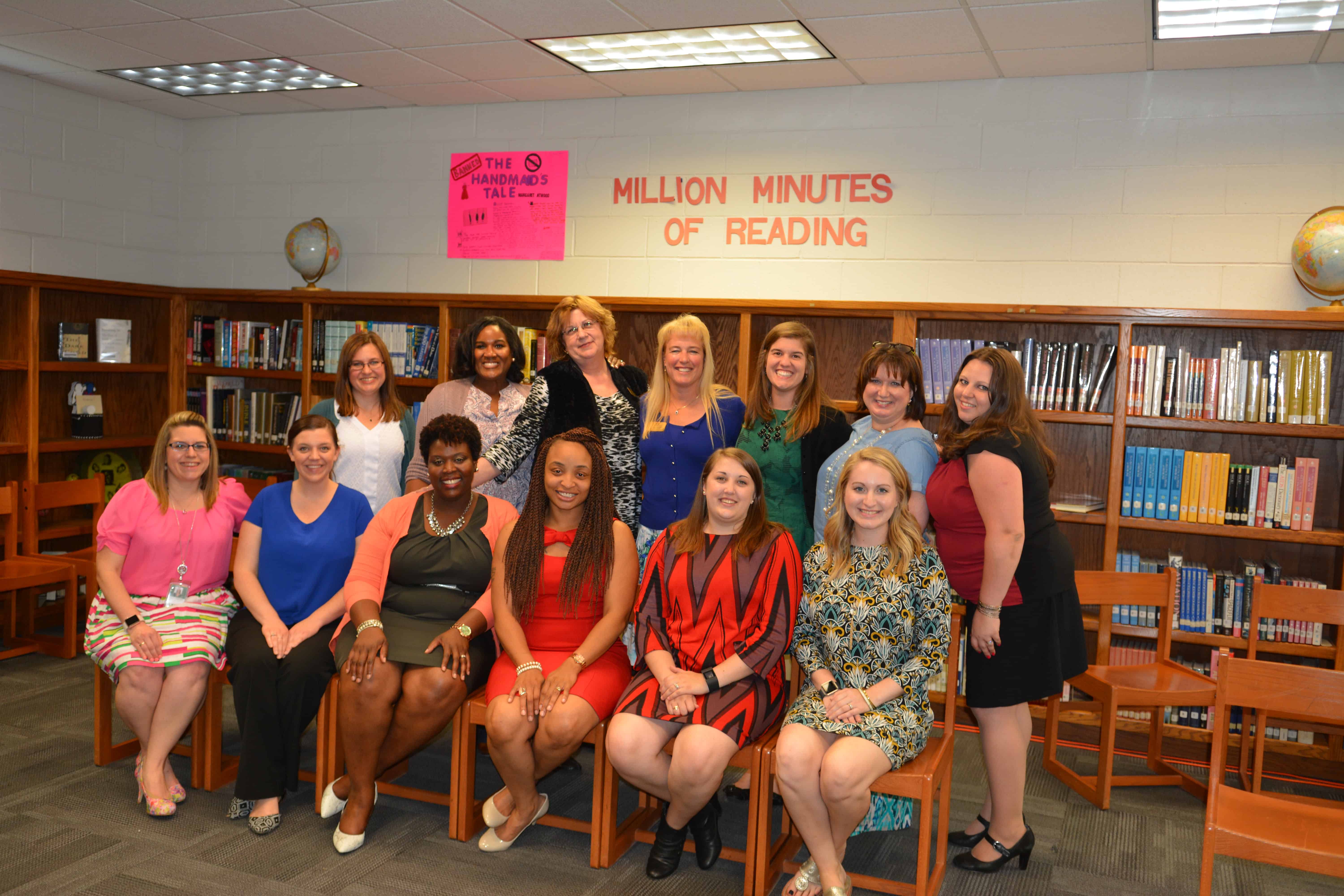
And those relationships then bind the teachers to the community. The teachers involved in Partners in Learning intend to stay in Union County.

Union County Public Schools: A culture of innovation
Union County Public Schools: Classrooms of Tomorrow
Union County Public Schools: Partners in Learning Collaborative connects philanthropy, policy, and practice
Union County Public Schools: Talent matters
Editor’s Note: SAS and The Goodnight Educational Foundation support the work of EdNC.