From remote learning to transportation costs to school meals, North Carolina’s winter storms are presenting an array of challenges for school districts.
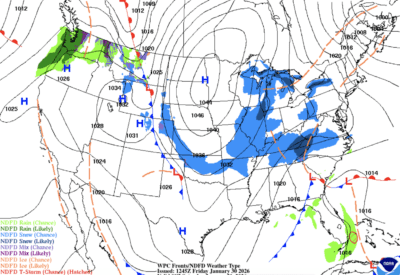
Gov. Josh Stein has declared a state of emergency, and much of the state is coping with significant snowfall and extremely cold temperatures. “This has truly been a historic storm that will be talked about for decades to come,” said the National Weather Service, as reported by The New York Times.
In a letter emailed to state legislative leaders on Sunday, Feb. 1, Guilford County Schools Superintendent Whitney Oakley wrote, “Multiple Piedmont districts have exhausted allocated remote learning days due to early December weather and this week’s prolonged ice conditions. Another significant winter storm is … leaving us with no options to ensure student and staff safety while maintaining instructional continuity.”
Oakley outlines in the letter critical issues faced by districts:
Salt shortage | GCS has already purchased and used over 120,000 pounds of ice melt this winter, and NC DOT has provided emergency supplies to GCS, but commercial salt and ice melt remain severely limited statewide.
Persistent ice conditions | Pavement temperatures below 20°F render salt brine ineffective. We’ve averaged only 5 hours daily above freezing.
Compounded risk | Additional snow accumulation is forecasted before temperatures rise sufficiently to clear existing ice.
Geographic disparity | While main urban corridors may be passable, suburban and rural areas including significant portions of Guilford County and our regional partners remain unsafe.
“Student and staff safety must remain our priority, and instruction must be able to continue,” said Oakley in the letter.
Under N.C. General Statute §115C-84.2, the State Board of Education has authority to provide flexibility during emergency conditions, but Oakley is requesting legislative action so districts can have “the certainty needed for long-term planning.”
Oakley is requesting the following from the legislature, which next convenes on Feb. 9:
- Expand remote learning day allocations for districts facing prolonged weather emergencies
- Provide emergency funding for critical materials like road salt and ice melt
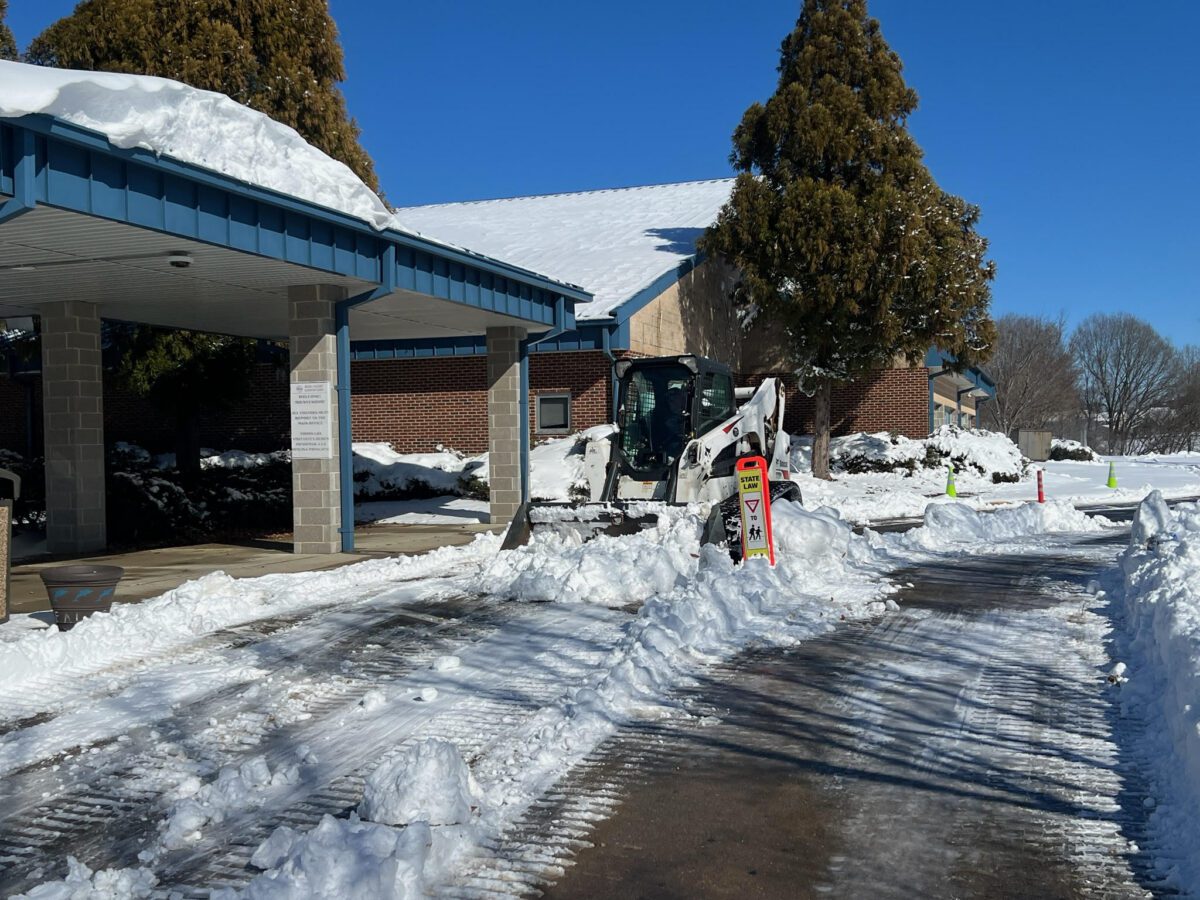
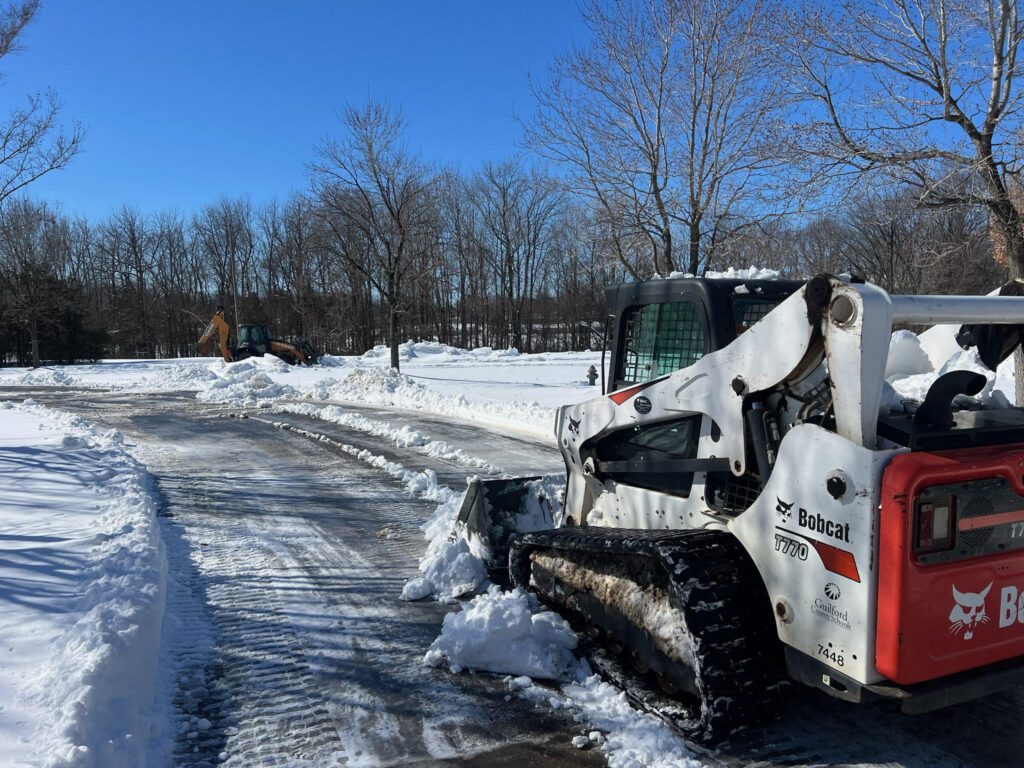
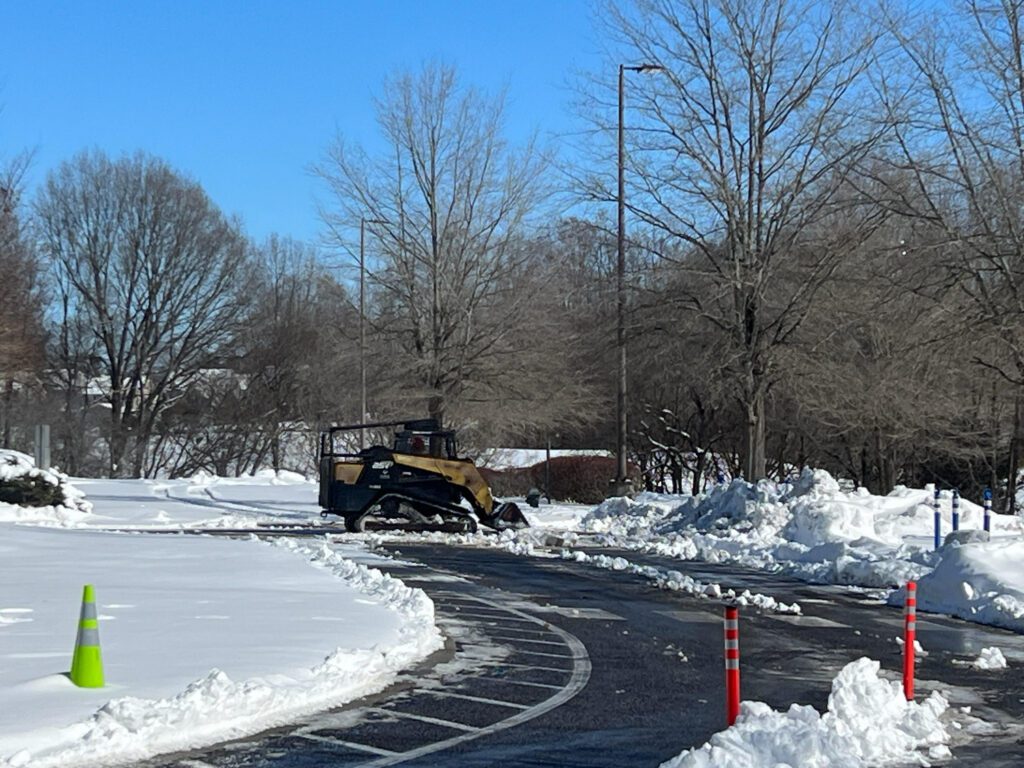
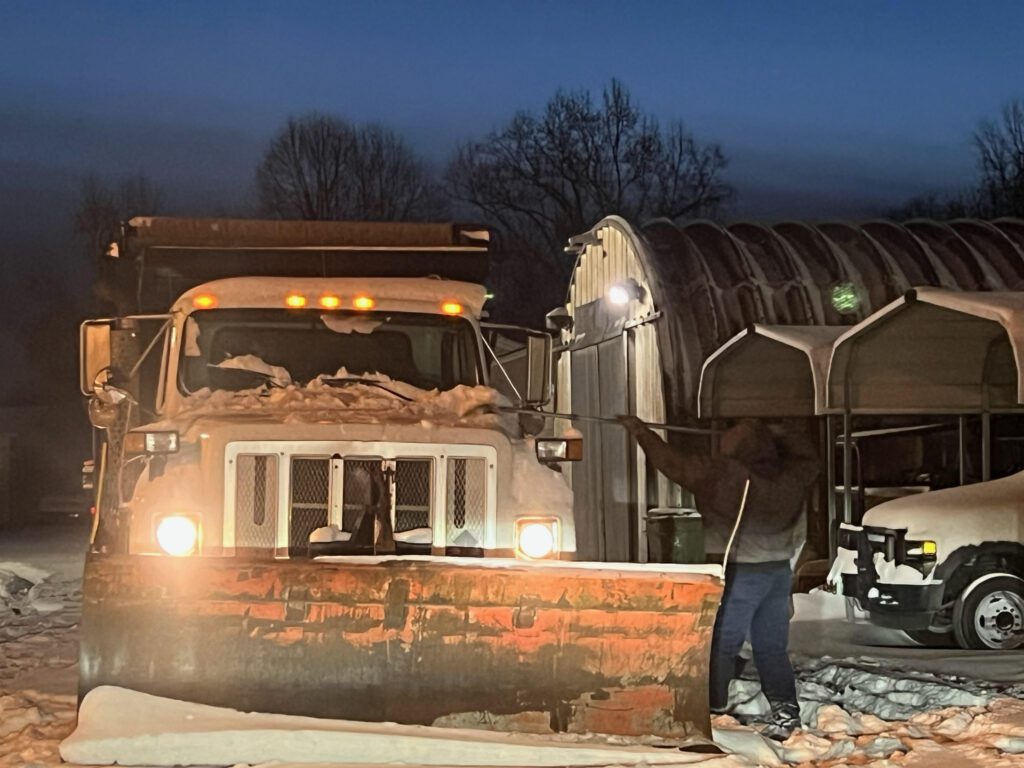
In Guilford County, the facilities teams have worked around the clock, Oakley said, using both district personnel and contractors.
The letter said, “Our regional superintendent colleagues from Alamance-Burlington, Asheboro, Caswell, Davidson, Davie, Mt. Airy, Rockingham, Stokes, Surry, Thomasville City, Winston Salem-Forsyth, and Yadkin and other districts across the state stand ready to support this effort and provide additional documentation as needed.”
 Sign up for the EdDaily to start each weekday with the top education news.
Some districts are facing historic weather conditions
Elizabeth City-Pasquotank Schools Superintendent Keith Parker said his district is facing a 30-year historic snowstorm with up to nine inches of snow.
The district, he said, moved swiftly to ensure students and families were supported in the event of extended school closures.
Parker said in a press release that “district and school leaders prioritized getting healthy meals to students and ensuring access to learning so that all students and families would be prepared for the storm.”
The district’s coordinated response reflects a commitment to serving the whole child, academically, socially, and emotionally, especially during challenging circumstances, said the press release.
Feeding every student during the storm
With less than 12 hours’ notice, according to the press release, the district’s nutrition director coordinated the delivery of a full truckload of food from district vendors. Tammy Rinehart’s rapid response allowed all 4,800 students to receive four boxed meals each to take home, provided at no cost to families.
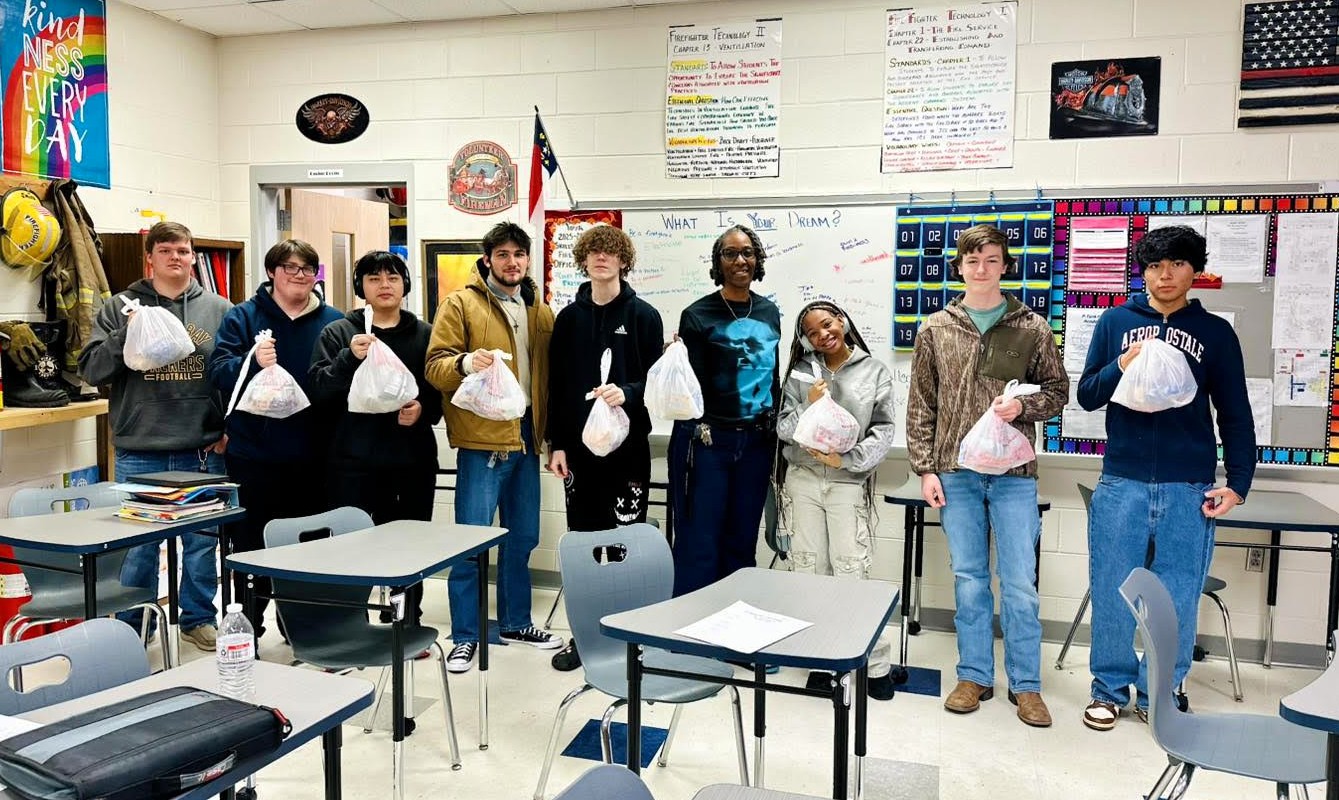
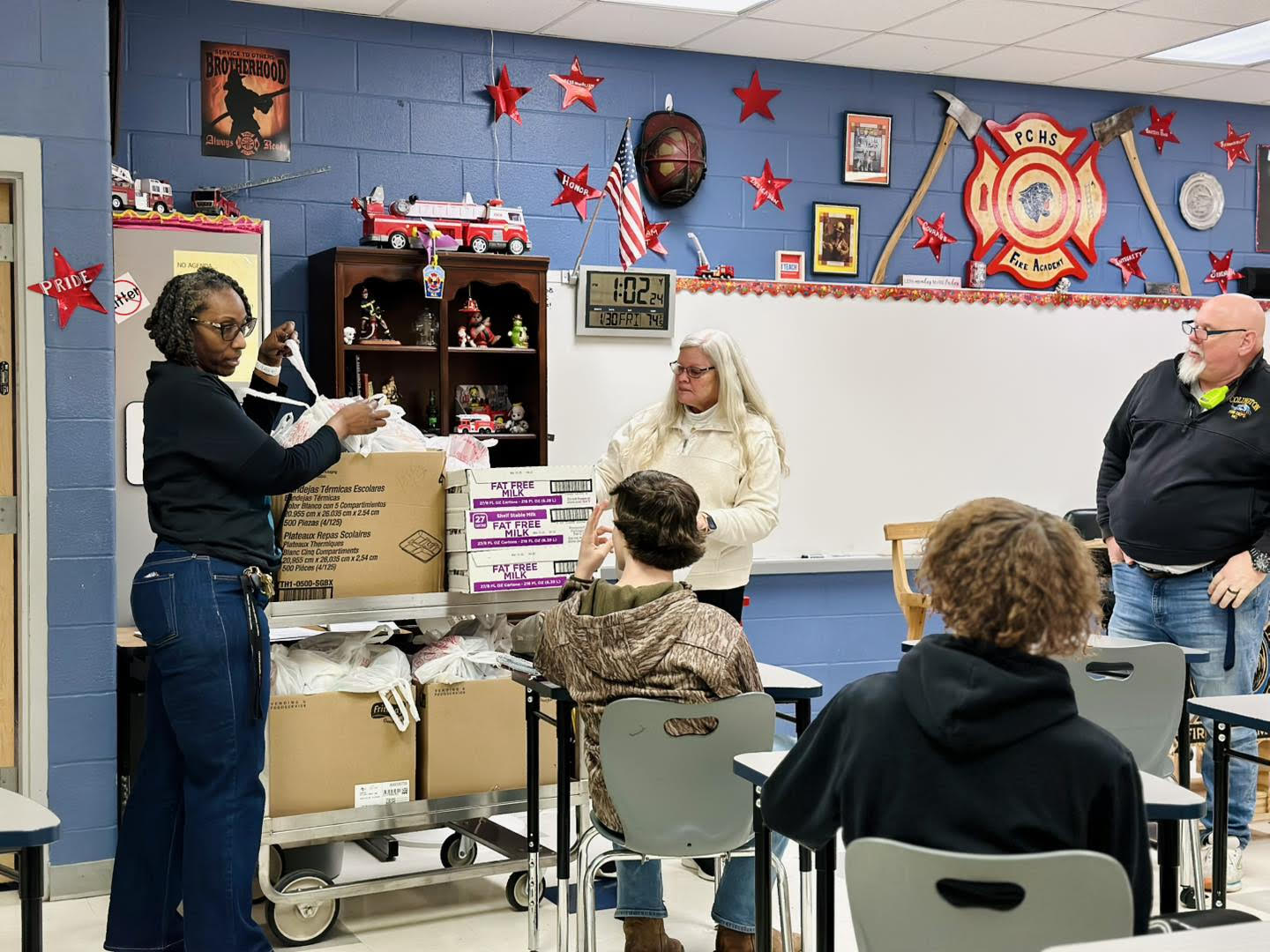
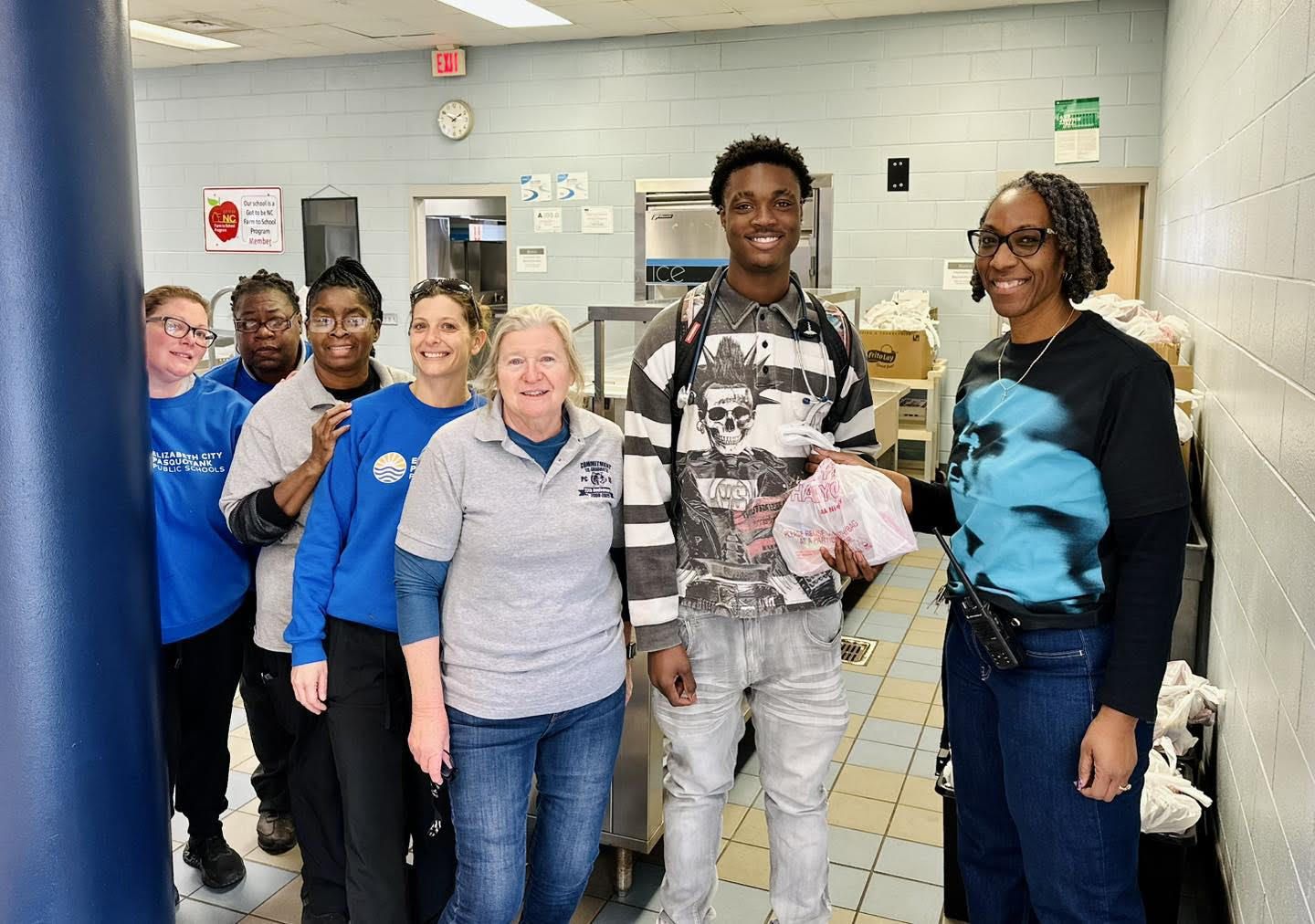
School nutrition staff from across the district reported early to assemble meals. “In just six hours, the team boxed approximately 20,000 meals, ensuring students had access to food should school be canceled for multiple days,” said the press release.
“We had to do this,” Rinehart said. “When Dr. Parker informed us about the possibility of school being canceled for multiple days, our team immediately began thinking about how we could support our families.”
What it takes to ensure instructional continuity
The district’s technology department worked quickly to expand access to learning tools, according to the press release.
To ensure that remote learning could continue if weather conditions forced extended closures, students in grades 3-8 were sent home with Chromebooks. High school students already had assigned devices.
Educators also assembled printed learning materials, distributed additional books from classroom libraries, and posted online lessons.
These efforts will ensure students remain engaged academically regardless of weather-related disruptions, said the press release.
A reflection of public schools at their best
Parker said the response to weather by districts across the state “exemplifies the essential role that public schools play in communities across North Carolina, going far beyond classroom instruction.”
“This moment reflects the true purpose of public schools,” said Parker. “Our educators don’t just teach; they show up for families when it matters most.”
Editor’s Note: Superintendent Keith Parker serves on the board of EdNC.

Recommended reading