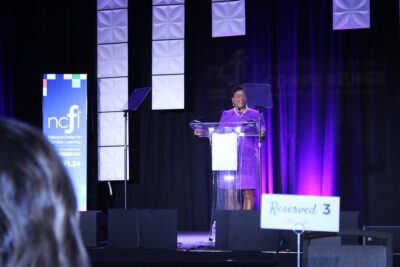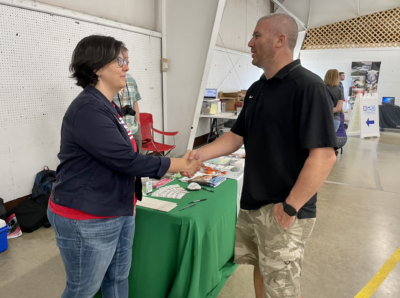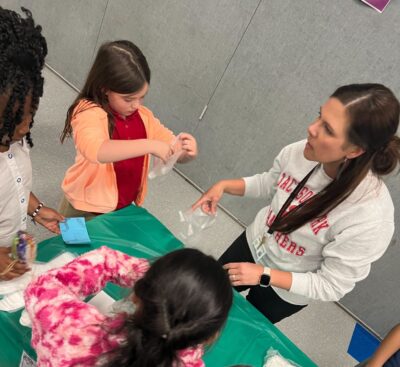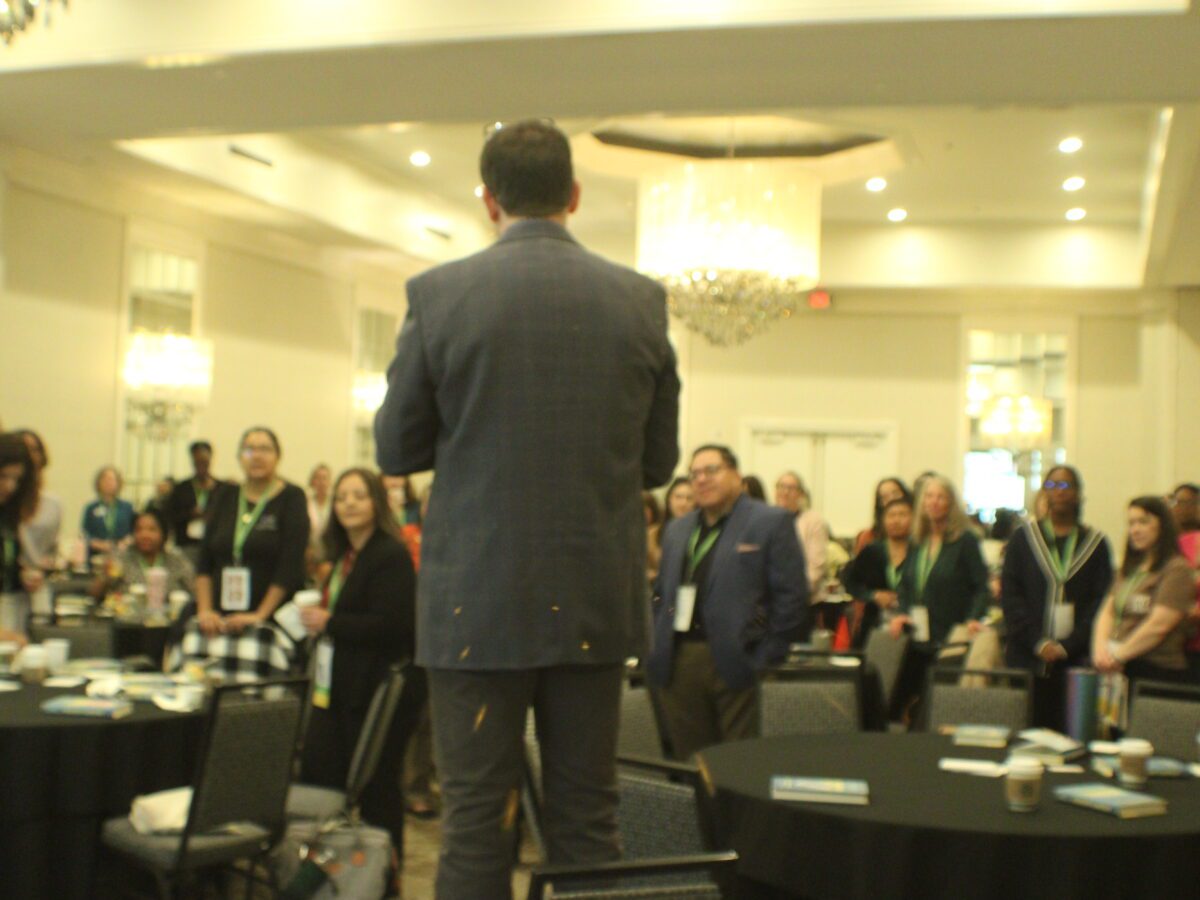
North Carolina recently hosted the annual conference of the National Center for Families Learning. Attendees convened in Charlotte for three days of networking and learning strategies on how to improve family literacy, leadership, and overall engagement in schools.
Inside the national conference
National Center for Families Learning’s (NCFL) mission is to “eradicate poverty through education solutions” for families across multiple generations.
The three-day event highlighted the work the organization has done in other states, while also giving attendees the opportunity to hear from presenters about literacy, collaborations with local libraries, philanthropy, multilingual families, barriers, and incentives of family involvement in education.
In addition to networking and professional development, NCFL also collaborated with ImaginOn: The Joe and Joan Martin Center and allowed attendees to tour the local library space for children.
 Sign up for the EdDaily to start each weekday with the top education news.
Dr. Felicia C. Smith, president of NCFL, said that she wanted conference attendees to leave understanding the importance of engaging multiple generations in education.
“We found that our programming in partnership with schools and districts has really been able to create dual capacity in educators and how to work with families who are different from they are, and to work with families so that families can be co-creators, co-champions, and co-leaders of how their children are learning,” Smith said.
Many of the conference sessions focused on the key components of the federal definition of family literacy. Those elements include parent and child together time, parent time, adult education, and children’s education.
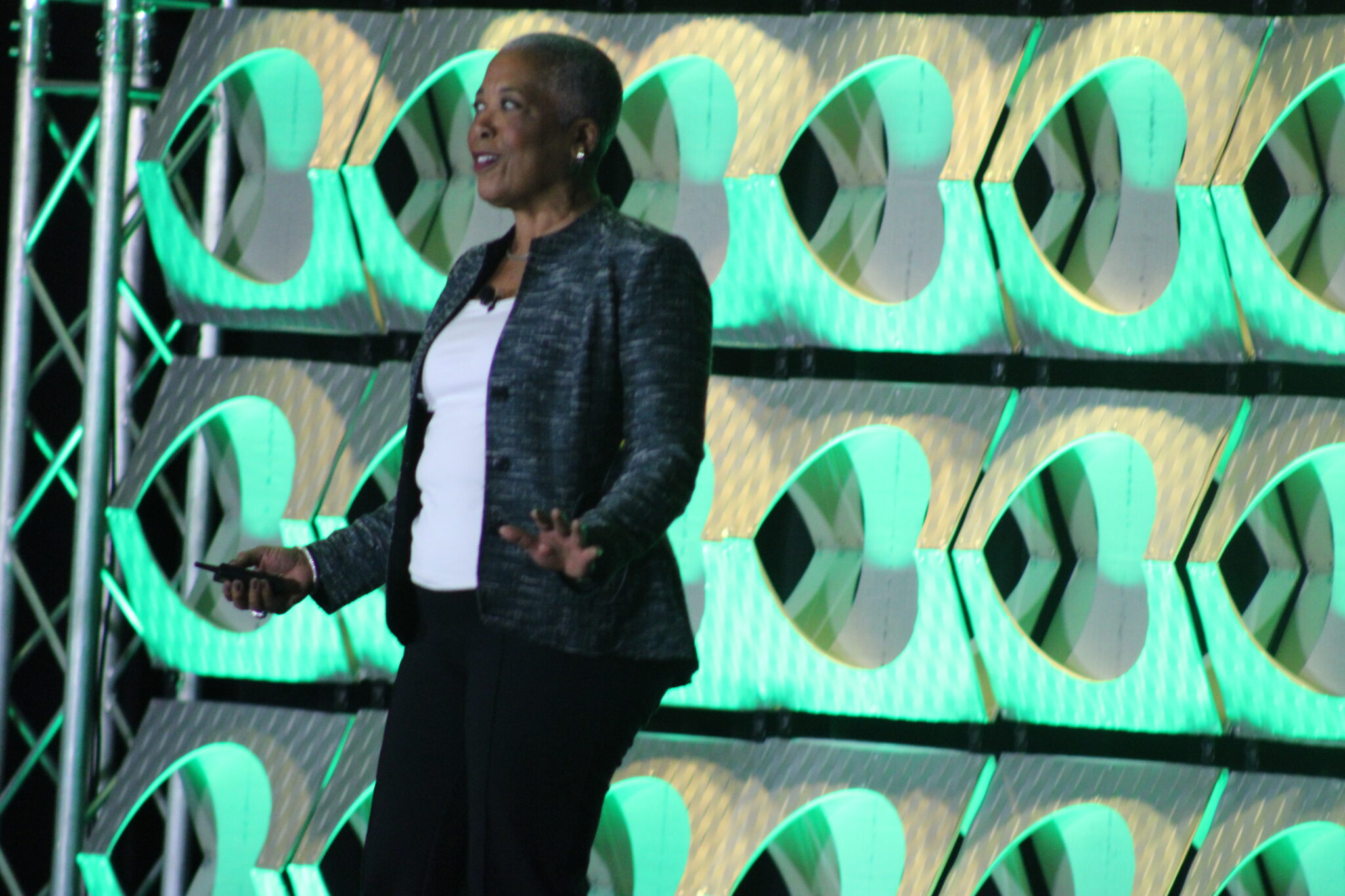
One of the keynote speakers was Dr. Karen Mapp, Harvard professor of practice and family engagement expert. In her remarks, she said one of the biggest impacts of family engagement is that students, who she refers to as scholars, begin to have more self efficacy.
The professor emphasized how “that in itself is going to impact not only those scholars’ attendance and behavior, but also the academics.”
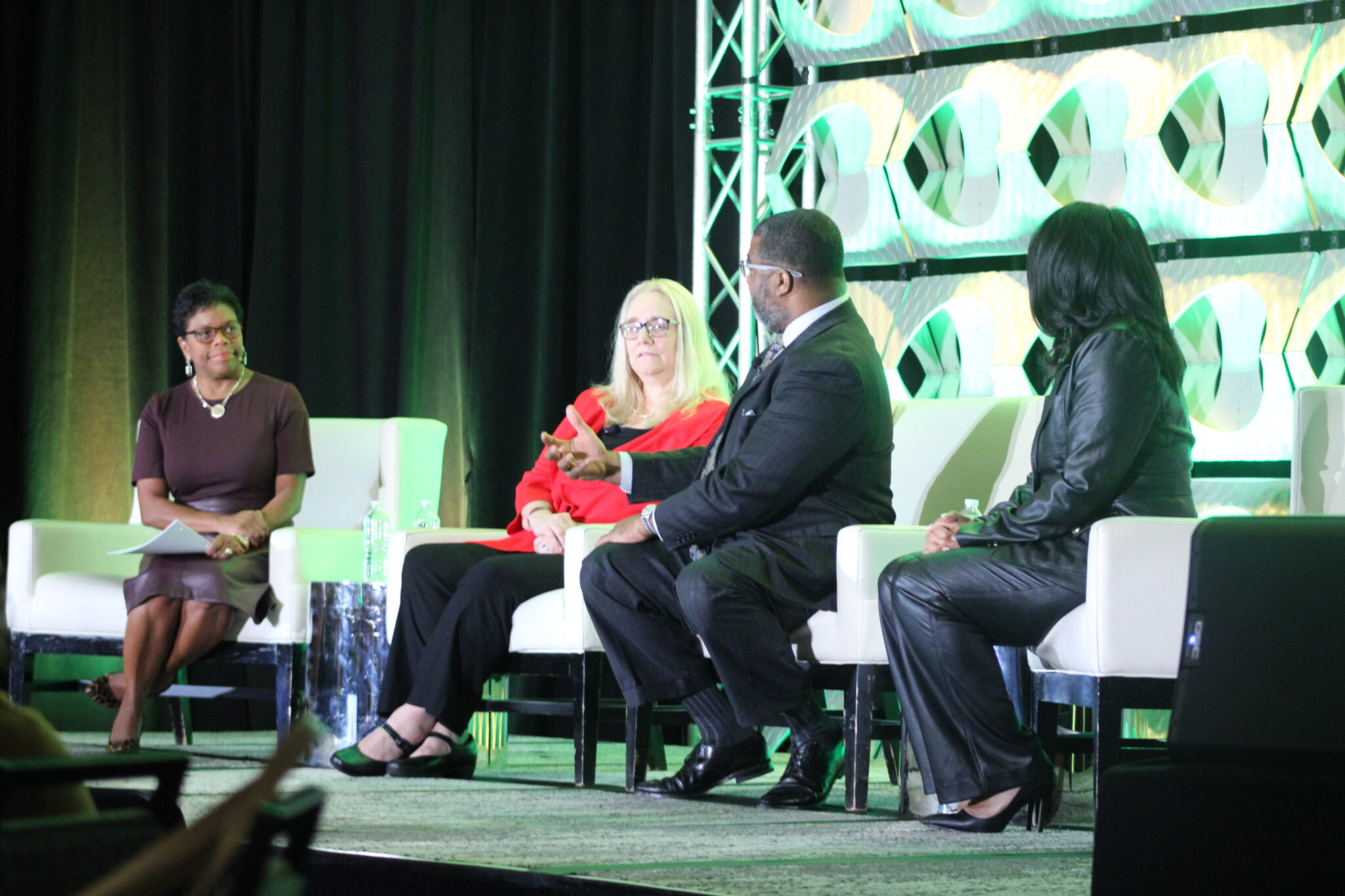
Attendees were also given the opportunity to have direct dialogue with philanthropic organizations that support education. NCFL organized a panel of representatives from William R. Kenan, Jr. Charitable Trust, Z. Smith Reynolds Foundation, John M. Belk Endowment, and PNC. Their discussion went through their investment priorities and lessons they learned from supporting children and families.
“In this moment, we have to think both short-term around what programs and communities that we can protect from harm, but also long-term, how do we continue thinking about enabling the conditions for a system’s change, which is a lot of what Z. Smith Reynolds does,” Ricky Hurtado, a program officer at Z. Smith Reynolds, said.
Statewide Family Engagement Centers
NCFL also leads a national network of Statewide Family Engagement Centers (SFEC). According to the U.S. Department of Education, the purpose of an SFEC is “to provide financial support to organizations that provide technical support with training state education agencies and local education agencies in the implementation and enhancement of systemic and effective family engagement policies, programs, and activities. This programming is intended to lead improvements in student development and academic achievement.”
Smith, president of NCFL, said that Charlotte was selected as this year’s conference location because of the family engagement work that was being done throughout the state.
“One of the commitments that NCFL makes as an organization is to try to go to those states for our national conference where we’re doing deep work,” Smith said. “So that the people who are engaged in that work have an opportunity to spotlight what they’re doing in their communities, in their schools, with their families, but also to bring bring a national audience to a place where we believe great things are happening.”
In other words, SFEC grantees are tasked with promoting and implementing systemic evidenced-based family engagement strategies over five years.
North Carolina was a recipient of the grant from 2023 before funding was cut in 2025.
North Carolina’s engagement landscape
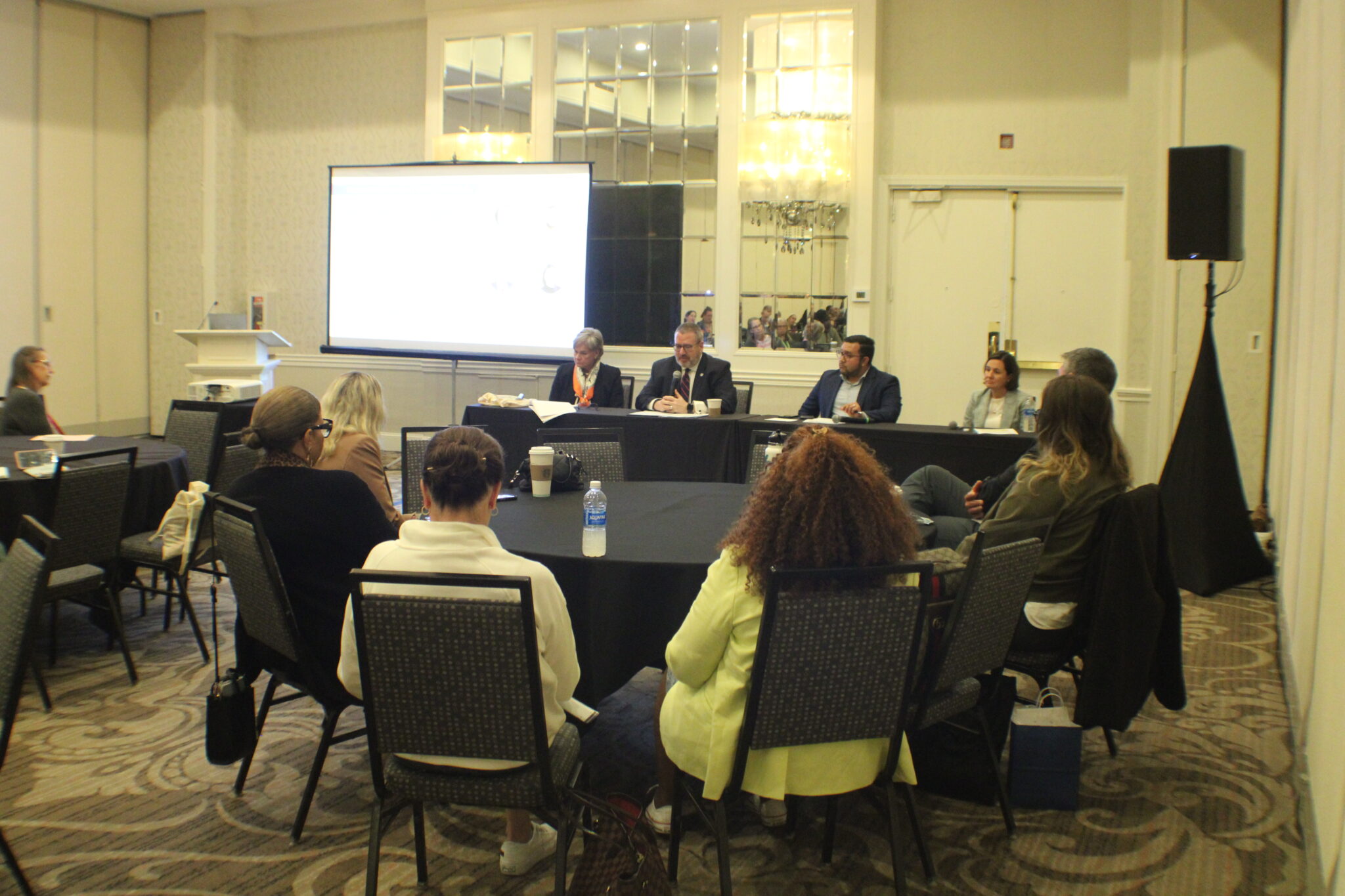
Researcher Dr. Jane Ye from the University of North Carolina at Greensboro presented findings from asset mapping family engagement across the state.
Asset mapping is a tool for connecting resources and communities to form partnerships. Researchers interviewed several families, public school units and community organizations to learn about barriers and points of strength when it comes to getting more family involved at a local level. The discussion helped NCFL identify strong examples of family engagement that were already happening. More information on how family engagement in the state was showcased can be found here.
The focus in North Carolina is to use the information acquired over the past two years to form a Family Learning Community. NCFL facilitates these coalitions of schools, organizations, community members, and families coming together to share resources. Each community can operate these partnerships in a way that works for them as long as they focus on the pillars of literacy, leadership, and engagement. Examples of projects include building workforce skills of parents, receiving professional learning and technical assistance from NCFL, and programs to promote literacy habits in children early on.
“NCFL has the four components of family literacy, and we currently have three out of those four in our program. We want to start implementing that fourth one and becoming more and more connected to NCFL over time, hopefully not too much time,” said Joanna Ericksen, an attendee who operates a nonprofit called Reading Connections in Guilford County.
David Sisk, NCFL’s North Carolina director, said that a big element of the conference was connecting people and organizations who would not have interacted otherwise.
“So part of this work is really leveraging what we do as an organization, the energy in the community, and the resources that they have,” Sisk said. “But also helping people learn about what we do, so we can build those new relationships. So I think there’s a lot of potential in North Carolina, and we just really scratched the surface.”
Editor’s note: The John M. Belk Endowment and Z. Smith Reynolds Foundation support the work of EdNC.

Recommended reading