
State leaders provide mental health crisis and bullying prevention resources


State leaders and educators have recently highlighted resources to support mental health amid National Bullying Prevention Month this October.
According to a survey conducted by High Point University, most adults in the state have limited knowledge about mental health resources. For example, only 23% of adults surveyed knew about the 988 suicide and crisis hotline, despite the service being available for over two years.
“I believe the 988 crisis line is a critical lifeline for individuals in distress, yet our survey data shows far too many are unaware of its existence,” said Dr. Lorrie R. Davis-Dick, assistant professor and psychiatric mental health coordinator at HPU’s Teresa B. Caine School of Nursing. “Increasing public knowledge and access to this service is essential in strengthening our community’s mental health support system.”
 Sign up for the EdDaily to start each weekday with the top education news.
Additionally, only 15% of those surveyed said that they or someone they knew had used 988’s services.
Last month, Gov. Josh Stein released a statement about how online engagement can impact the mental health of students in North Carolina. The article provided the following tips for parents to protect their child’s well-being:
- Encourage open conversations about their online experiences and feelings.
- Set and enforce healthy limits on screen time.
- Promote a balanced lifestyle with offline activities and face-to-face interactions.
- Watch for signs of stress or anxiety related to online activities, and seek professional help if needed.
Other general online safety tips for parents that the statement mentioned were:
- Spend time with children online, guiding them through safe practices.
- Teach children about internet safety, privacy settings, and recognizing inappropriate content.
- Keep an eye on a child’s online activity and which apps and websites they use.
- Encourage children to report any uncomfortable or harmful behavior they encounter online.
- Help children develop their critical thinking skills so they can avoid being fooled by fake content on social media.
- Talk to children about the risk of engaging with people on social media or games that they have not met in real life.
“Mental health and online safety are two sides of the same coin. By engaging with your children, setting boundaries, and being a source of support, parents can help their kids have a positive and secure online experience,” the governor’s statement said. “Remember, the world our children are navigating is very different from what many parents experienced growing up, and staying informed and involved is key to their well-being.”
The Center for Safer Schools is also running a campaign this October to recognize National Bullying Prevention month. CFSS staff members will be encouraging others to wear orange on Oct. 22 to recognize Unity Day. The key message of the campaign is “Kindness Changes Everything,” according to a CFSS statement.
“Thank you for supporting our efforts to end bullying and cyberbullying, and for your cooperation to help create safer school climates for everyone,” the statement says.
Read more

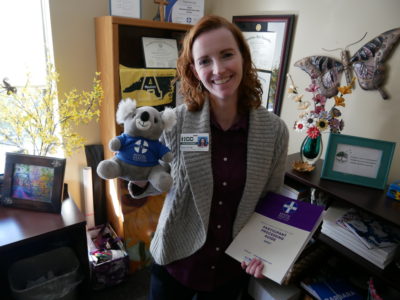
CFSS will also be posting several resources throughout the month regarding the dangers of bullying and cyberbullying.
At the local level, school districts are holding several events throughout the month to encourage positive interactions among their students. Durham Public Schools, for example, will be hosting a “Stand Up for Others week,” where students will learn strategies for being an “upstander” instead of a bystander, a district press release said. Each week of the month will focus on a different theme.
“We know that bullying, cyberbullying, and hate-based harassment have lasting impacts on students,” said Melissa Watson, director of Student Support Services at DPS. “Our goal at DPS is clear: create a culture of belonging where every child feels seen, supported, and respected.”