
How can HBCU students leverage AI in their studies? North Carolina Central summit highlights ideas

North Carolina Central University unveiled its new Institute for Artificial Intelligence and Emerging Research (IAIER) at the top of this school year. The institute aims to educate the NCCU community and beyond on how to use AI in their courses, careers, and communities.
During a summit hosted by the institute last month for historically Black colleges and universities (HBCUs), students, faculty, and state leaders gave their perspectives on how they would like to move forward with integrating the technology.
“This was an invitation, inviting all HBCUs to see North Carolina Central as a national hub for all HBCUs. We want to work with everyone, and we want to find ways to collaborate, because we are stronger when we work together,” said Dr. Siobahn Day Grady, NCCU professor and founding director of the institute. “Outside of that, the institute’s goals in general are to empower — of course NCCU students, so they can be leaders in the AI workforce.”
 Sign up for the EdWeekly, a Friday roundup of the most important education news of the week.
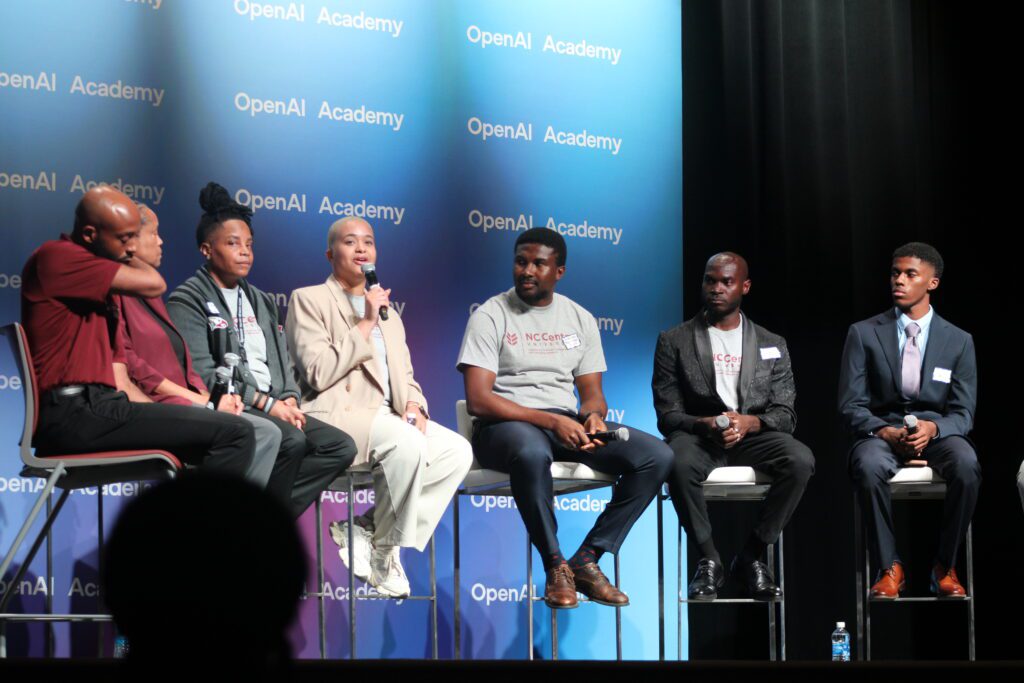
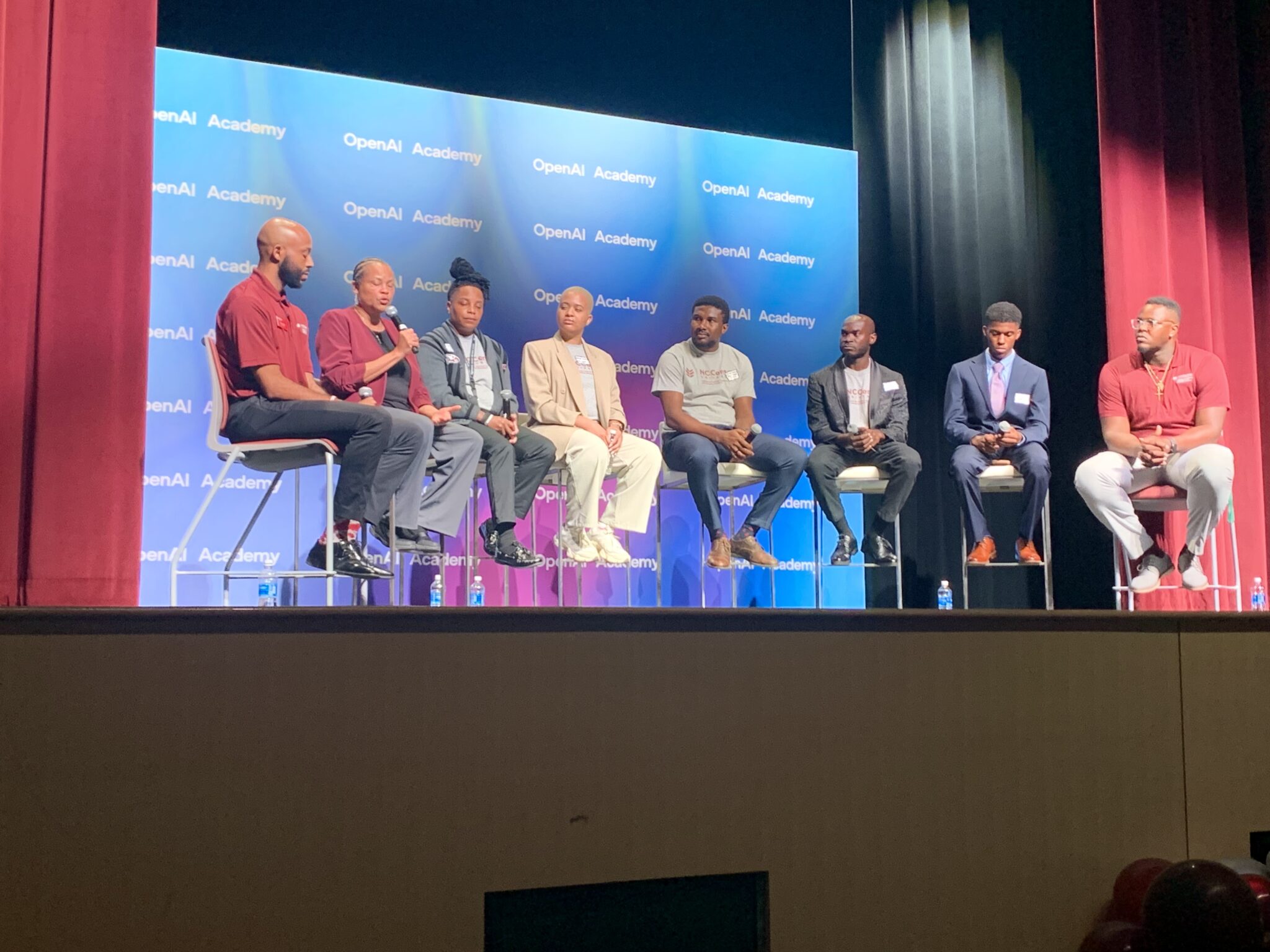
When asked by Grady how universities should address academic integrity bias, the student panelists said there should be more education about AI, as opposed to implementing restrictions.
“It could be a situation where we’re actually raising up innovators and leaders who know how to use AI and won’t even just be using it just to cheat and just write papers. They’re actually using it to progress and to learn,” said student Cedric Bright. “And I think that’s how you can combat academic integrity. You’ll find people not using it just to get over this assignment, but learn about the topic and then actually produce their own work.”
Students said, in their opinion, the biggest misconception by faculty on student use of AI is that students will be using it to take shortcuts on their assignments.
Another student, Barbara Grissom, said that as a former teacher, she understands that a lot of educators think students may cheat. But she believes that AI can still be used as a tool for studying and innovation.
“I believe that using AI now as a student can make us more innovative toward the future — if we want to open up our own business, or if we want to help out a company like OpenAI and give them our ideas and saying ‘Hey, I want to push this forward,’” Grissom said.
The panelists also said they would encourage other students to have conversations with their professors about incorporating AI. If that can not be done, they should join and form groups among each other to support their skill development.
According to its website, the institute seeks to “advance the development of responsible AI, ensuring that its benefits are accessible to a broad range of users, with a focus on expanding opportunities in emerging technologies.”
NCCU plans to do this through collaborations across different academic departments, pioneering research initiatives, and supporting students and faculty interested in AI.
Read more


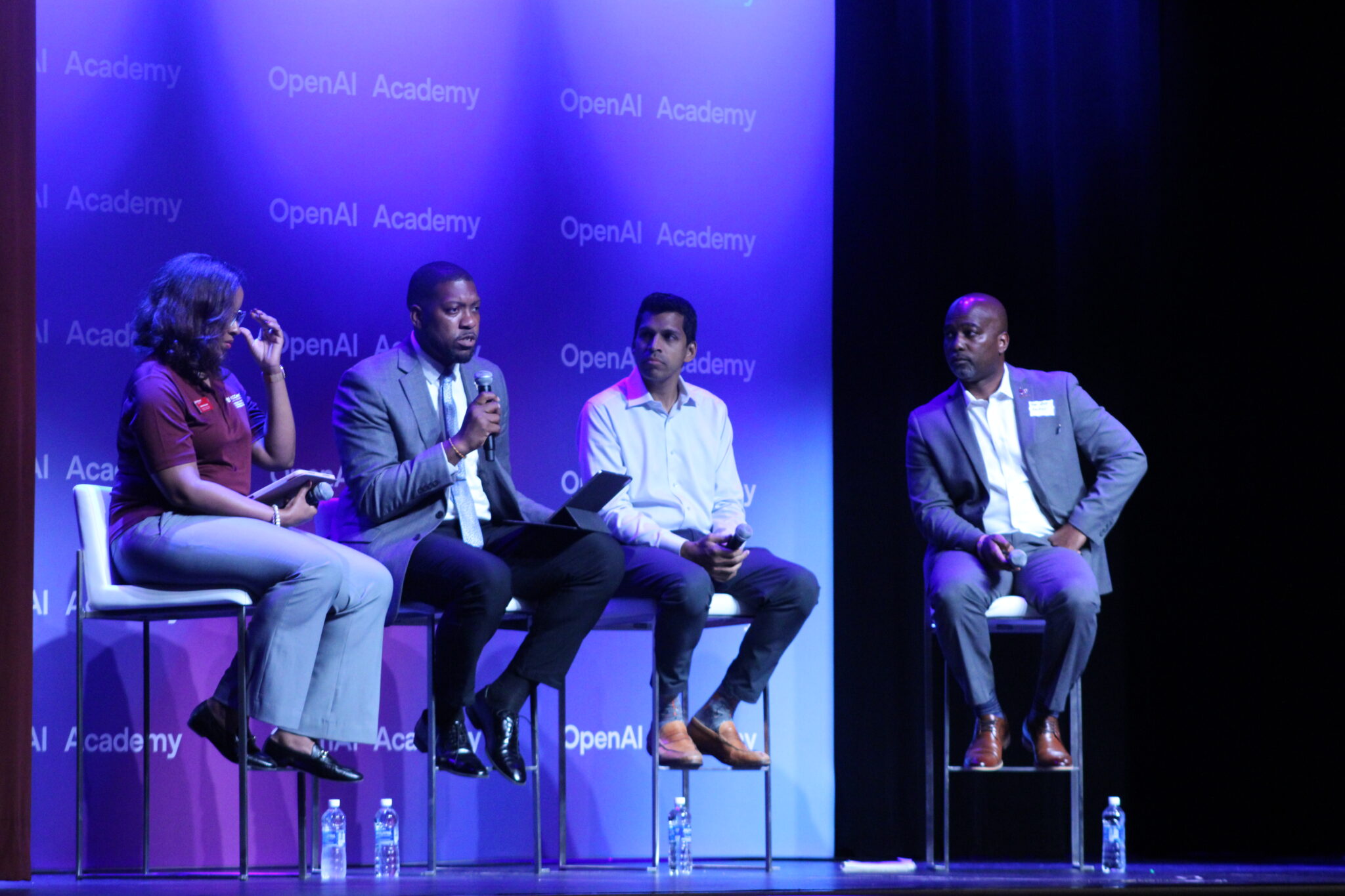
When sitting on a panel moderated by Grady, Rep. Zack Hawkins, D-Durham, explained why he believes HBCUs are key in shaping the future of AI.
“Education of 2% of the educated population, 50% of Black doctors, 50% of Black lawyers and judges, engineers and many other professionals are coming out of HBCUs,” Hawkins said. “The type of return on investment from the state of North Carolina and from other entities into HBCUs cannot be counted. It is something that we should be given more credit for.”