
Intellectual and Developmental Disability Caucus holds second annual listening session at the General Assembly

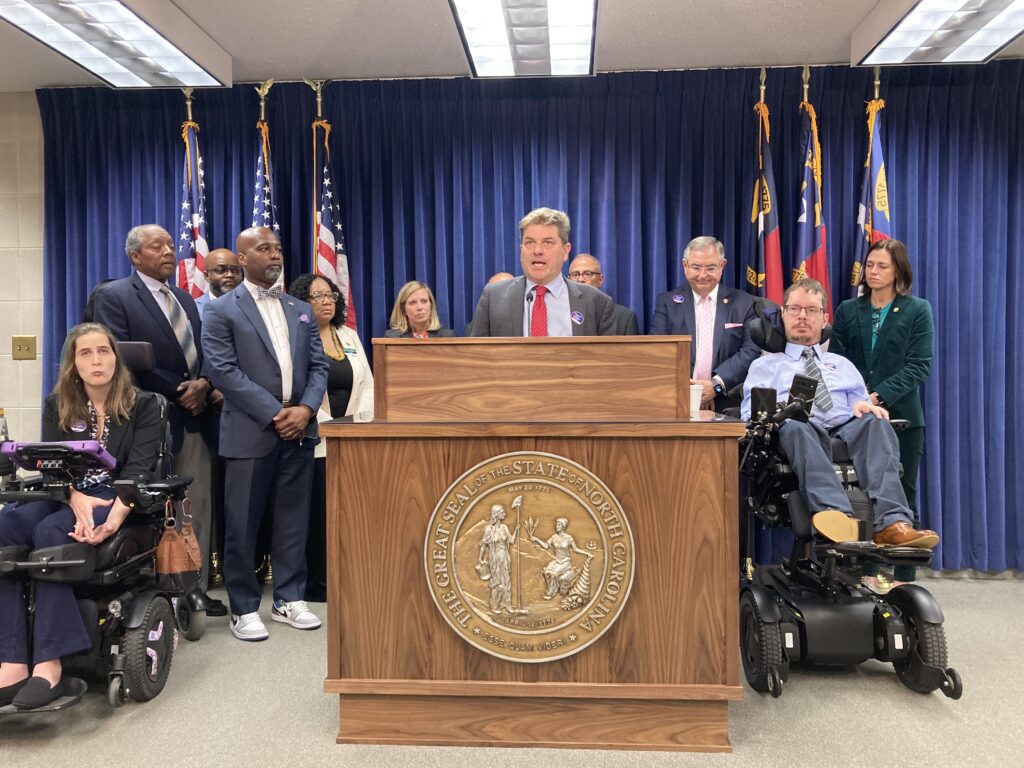
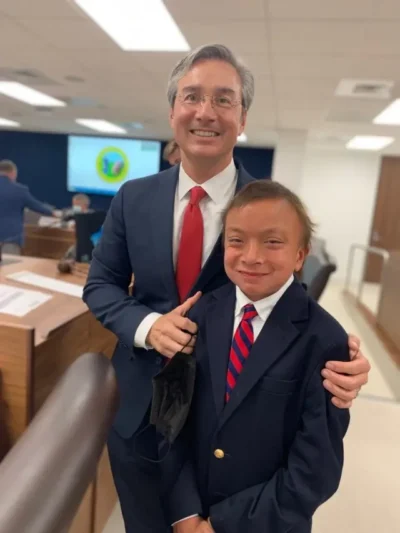
Legislators invited over 300 people with intellectual and developmental disabilities (IDD), their families, and other advocates to speak in front of members of the IDD Caucus at the North Carolina General Assembly last week.
Presenters spoke about their experiences living with IDD and asked for funding to clear the Innovations Waiver Waitlist.
“We cannot build a better North Carolina without hearing their voices and doing all we can to make their lives easier and their life experience valued,” Rep. Zack Hawkins, D-Durham, who co-chairs the IDD Caucus, said.
 Sign up for Awake58, our newsletter on all things community college.
The NC Innovations Waiver is a federally approved Med1915(c) Medicaid Home and Community-Based Services (HCBS) Waiver. It is meant to help individuals with intellectual or development disabilities to live in their home and community, rather than be moved to an institutional setting. Services the waiver may cover include day supports, assistive technology, home modifications, community networking, and more.
Approximately 14,000 people across the state receive waiver services. Meanwhile, nearly 19,000 remain on the waiting list — some who may have to wait over a decade.
Susan Barner, who lives in Catawba County, spoke about her experience with her 16-year-old son, Andrew. Andrew has Fetal Alcohol Spectrum Disorder (FASD), an intellectual disability that is not formally recognized by the Individuals with Disabilities Act (IDEA).
“So because of that, there’s no mandated training, no accommodations, and no talent support. So I had to make a difficult choice to leave him in an environment where he was at risk and failing, or take out the responsibility myself,” Barner said.
“Programs like the innovations waiver are not optional. They are essential. Without them, individuals like my son are left vulnerable for homelessness, addiction, and legal trouble. My son has been on the innovations waiver waitlist for six years, and he is also an example of someone who doesn’t have an intellectual disability, but he could not function without the support of the innovations waiver,” Barner said. “Like many with FASD, his adaptive functioning is limited, and so despite these challenges, Andrew is very capable if he has the right interventions.”
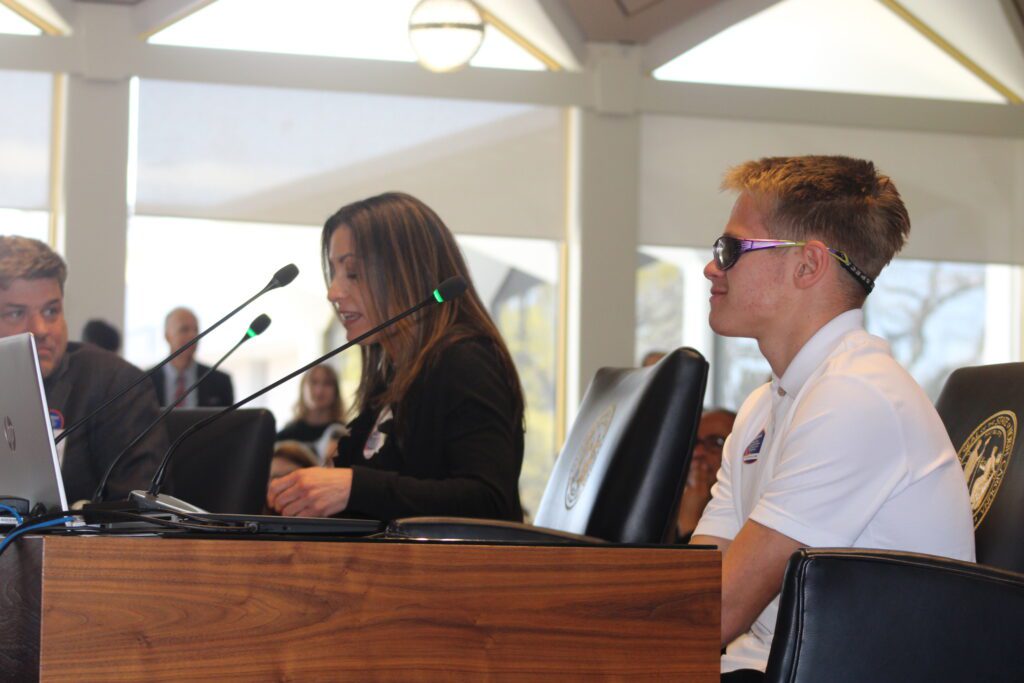
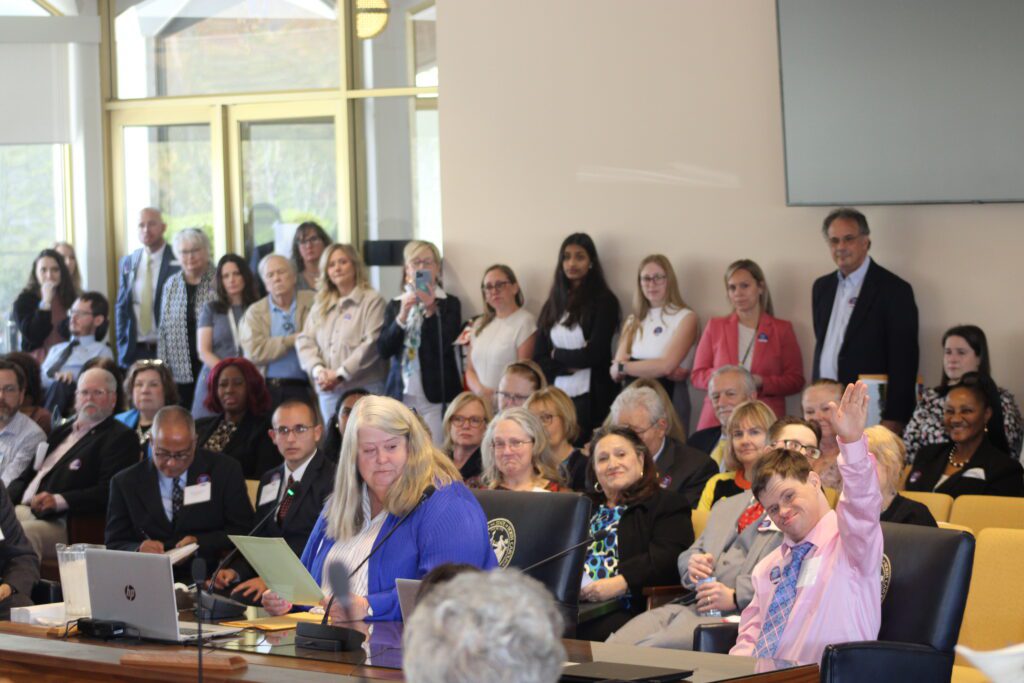
Michelle Torres, another advocate living with a disability who is from Forsyth County, said to legislators that the services provided through the waivers are lifelines. Along with clearing the waitlist, she and other advocates asked for better wages for direct support professionals. Torres claimed direct support professionals are “overworked, underpaid, lack the proper training, and in some cases, adequate respect.”
“It’s time to pay them a wage that reflects the level of skill, compassion, and dedication they bring to their work every day, and it’s time to make sure there’s a high-quality training because my life and the lives of so many others are in their hands,” Torres said.
Learn more
According to Rep. Sarah Crawford, D-Wake, most agencies that hire direct support professionals pay them around $12-14 an hour. The goal is to raise the pay to $25 an hour.
Sen. Michael Lee, R-New Hanover, told the audience that there have been several traditional issues the IDD community faces throughout the years. They have been trying to sort through those with federal and state programs, such as the Access to Achievement program.
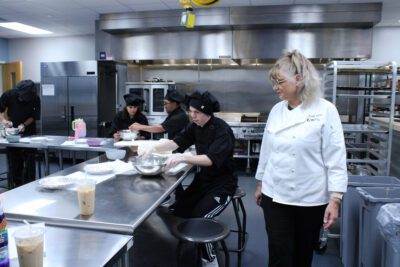
“In addition to some of those traditional challenges and issues that we have throughout the years, we’re really trying to create some new opportunities,” Lee said. “Especially in the area of micro-credentialing and credentialing in the community college system. We’ve been able to expand that to 15 schools, and I’m really looking forward to doubling the size of that so those opportunities are available around our state, for our community college system.”
Hawkins said they plan to host the listening sessions every year, with this being the second annual event.
Bills related to the requests of the advocates are currently in committee: Senate Bill 246 and Senate Bill 239. Both are related to the direct support professionals.