
‘African Americans and Labor’: Honoring Black History Month in 2025

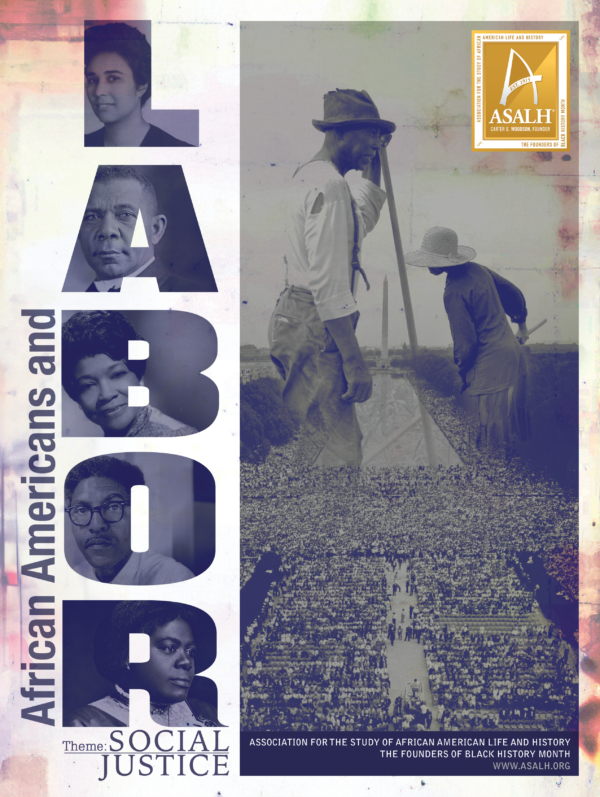
This year, Black History Month is dedicated to recognizing how African Americans are the “invisible changemakers of history.”
History
Historian Carter G. Woodson founded the Association for the Study of Negro Life and History in 1915. The organization is now known as the Association for the Study of African American Life and History (ASALH). Beginning in February 1926, the group launched Negro History Week. Public schools, civic organizations, churches, press, and other community leaders were encouraged to use the week for teaching Black history.
 Sign up for the EdDaily to start each weekday with the top education news.
Woodson chose February to coincide with Abraham Lincoln and Frederick Douglas’ birthdays — two people who played a role in freeing enslaved African Americans. As relayed on the ASALH website, the dates were chosen to coincide with a time where Black people would be reflecting on tradition and reform. The occasion was expanded into Black History Month by President Gerald Ford in 1976. Since then, every United States president has recognized the month and endorsed a specific theme endorsed by the ASALH.
“Throughout our history, black Americans have been among our country’s most consequential leaders, shaping the cultural and political destiny of our Nation in profound ways,” President Donald Trump said in his statement recognizing Black History Month. “American heroes such as Frederick Douglass, Harriet Tubman, Thomas Sowell, Justice Clarence Thomas, and countless others represent what is best in America and her citizens.”
Theme
ASALH has deemed this year’s theme as “African Americans and Labor.” According to the association, work is very much at the center of Black history and culture.
“Be it the traditional agricultural labor of enslaved Africans that fed Low Country colonies, debates among Black educators on the importance of vocational training, self-help strategies and entrepreneurship in Black communities, or organized labor’s role in fighting both economic and social injustice, Black people’s work has been transformational throughout the U.S., Africa, and the Diaspora,” according to the ASALH website.
This year is also the centennial anniversary of the Brotherhood of Sleeping Car Porters and Maids, the first Black union to receive a charter from the American Federation of Labor.
Last year’s theme was “African Americans and the Arts,” and the planned theme for next year is “A Century of Black History Commemorations.”
Black history in NC
From a survey administered by the U.S. Census Bureau, over 35% of the employed Black population aged 16 and older are working in management, business, science, and arts occupations in 2023. Additionally, there are over 160,000 Black employer-owned businesses as of 2021. In North Carolina, there are 7,478 of those businesses.
For those interested in learning more about Black history in North Carolina, the state’s African American Heritage Commission hosts events and posts resources year-round.
PBS North Carolina is also hosting three screenings of “American Coup: Wilmington 1898,” a documentary recounting a deadly race massacre and insurrection that was held in North Carolina’s largest city at the time. Educators are invited to attend the first screening on Thursday, Feb. 6 at 6 p.m. in the North Carolina School of Science and Mathematics Durham Campus’ lecture hall.
“So many Black North Carolinians have made all our lives better, and we are forever indebted to them for their efforts. During Black History Month, we celebrate their sacrifices and take inspiration from their contributions so that we too can make the lives of others better,” Gov. Josh Stein said in a post on X.